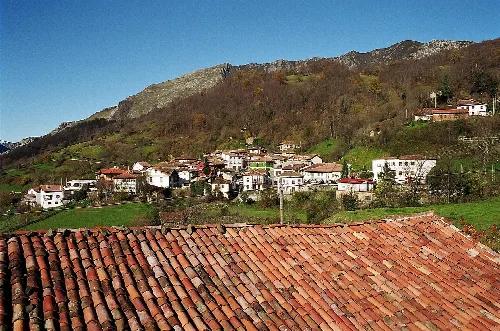
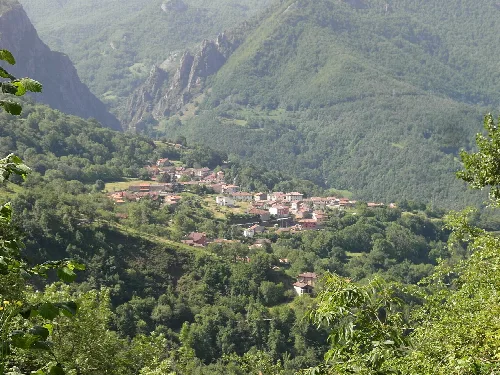
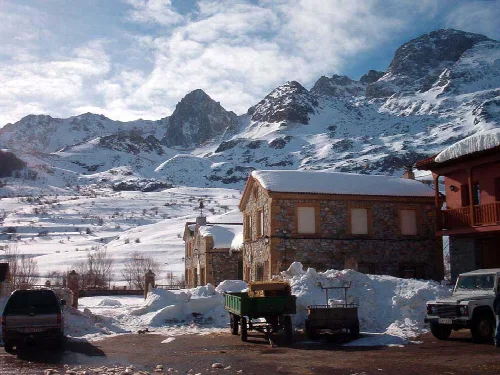
Ponga is a municipality located in the southeast of Asturias, Spain, characterized by its rugged terrain and low population density. The area is known for its stunning natural landscapes, including high mountains and deep valleys, and is home to the Ponga Natural Park, which encompasses most of the municipality.
02Geography
Ponga features a dramatic landscape within the Cantabrian Mountains, characterized by steep slopes and river valleys. The region is primarily composed of limestone and slate, with a varied geological structure that has resulted in breathtaking natural scenery. The municipality is divided into three physiographic units: the Cantabrian mountain range, transverse ridges, and softer slate depressions, each contributing to the area's unique topography.
Major rivers
Sella, Ponga
Highest peak
Peña Ten (2142 m)
Notable gorges
Desfiladero de los Beyos, Desfiladero del río Ponga
Natural park
Ponga Natural Park
03History
Archaeological findings indicate that Ponga has been inhabited since the Bronze Age, with evidence of early settlements. During Roman times, it was part of the territory of the Cantabrians, and significant historical documents date back to 1188. Over the centuries, Ponga has experienced various administrative changes and social developments, including notable emigration patterns in the 19th century.
First documentary reference 1188, donation of the coto de Cazo by Alfonso IX
Integration into Asturias Defined during the Modern Age
First registered deputy 1594, Juan Alonso del Río
Major emigration 19th century to America
Political changes Governance by PSOE since 1979
Ponga is a rugged municipality in Asturias, Spain, known for its stunning landscapes and low population density.
04Capital and Demographics
The capital of Ponga is San Juan de Beleño, a settlement that reflects the area's Celtic heritage. Despite its challenging geography, it serves as the main population center within the municipality. Ponga has a small population, which has been influenced by historical emigration trends, resulting in one of the lowest population densities in Asturias.
Main population centers
San Juan de Beleño, Sobrefoz
Density
Low
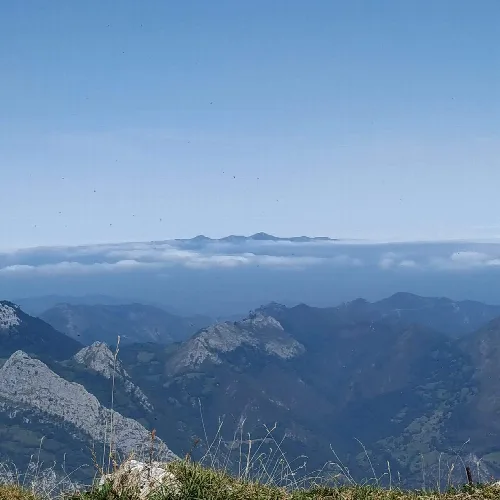
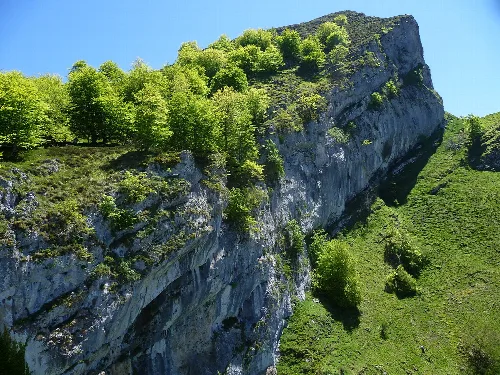
View of Pienzu Peak from Pierzu Peak in Ponga, Asturias, with mountains and clear sky.Rocky cliffs and green trees in Ponga Natural Park, Asturias.
05Cultural Heritage and Festivals
Ponga is home to several notable churches and historical buildings, reflecting its rich cultural heritage. The region celebrates traditional festivals, including El Guirria, which is considered one of the oldest festivities in Asturias, taking place on New Year's Day.
Churches of interest Santa María in Taranes, Santa María in Viego, San Juan in Beleño
Notable buildings Torre de Cazo, Palacio de Sobrefoz, Balneario de Mestas
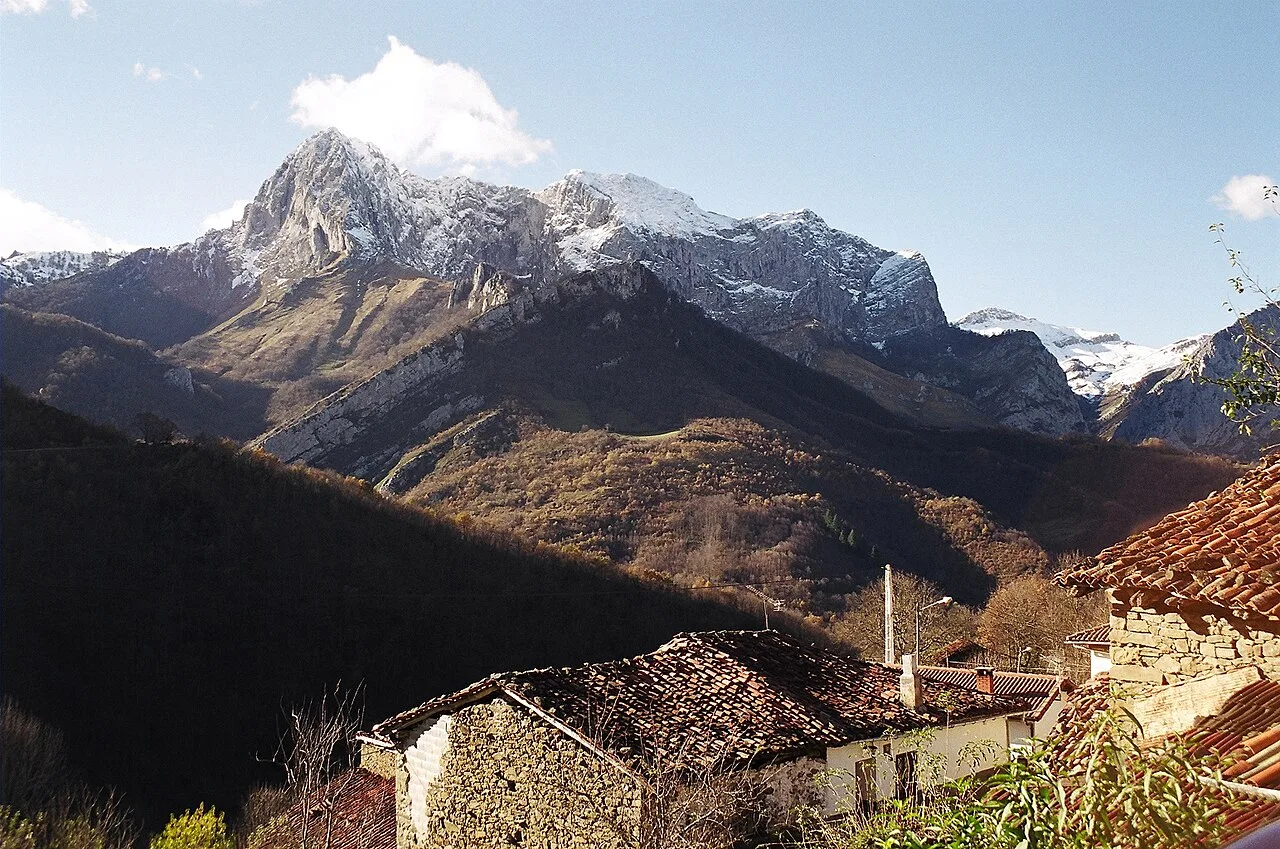
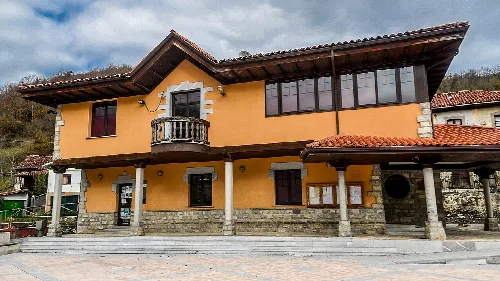
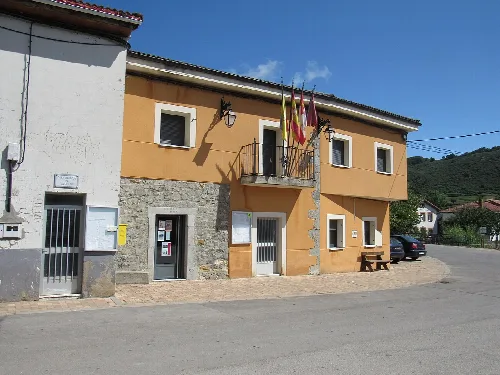
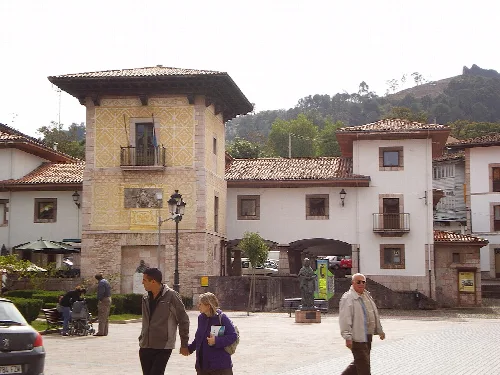
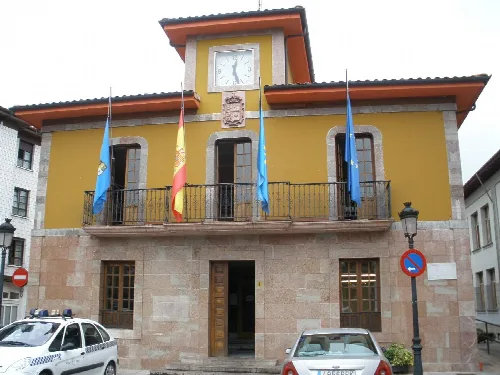
Ponga town hall building with yellow facade and balcony on top.View of San Juan de Beleño, Ponga's capital, with scattered houses on the slopes and mountains in the background.
Frequently asked questions
What are the main access roads to Ponga?
Ponga is primarily accessed via the national road N-625 and regional roads AS-261 and AS-339. These roads connect the municipality to surrounding areas, making it possible to reach the capital, San Juan de Beleño, and other localities within Ponga.
From the Pico Pierzu, you can enjoy breathtaking views of the surrounding mountains, including the peaks of the Cantabrian range. The area is known for its stunning natural landscapes, making it a popular spot for hikers and nature enthusiasts.
What is the significance of the church in San Juan de Beleño?
The church of San Juan, located in the capital of Ponga, dates back to the 17th century. It is an important religious site in the area, reflecting the region's historical and architectural heritage.
El Guirria is one of the oldest festivals in Asturias, celebrated on New Year's Day. During this event, riders from San Juan de Beleño travel to Cainava, where the Gurria kisses as many girls as possible, marking a unique local tradition.
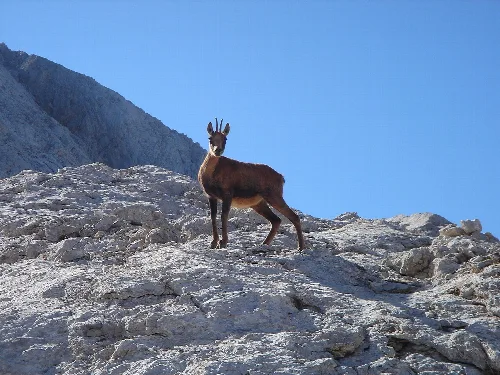
Ponga is home to various wildlife, including deer, chamois, Cantabrian ibex, and wild boar. Additionally, the rivers in the area are notable for otters and desmans, contributing to the region's rich biodiversity.
The economy of Ponga is primarily based on agriculture, with 75.6% of employment in the agropecuary sector. The region also has a small construction sector and services, which together make up the remaining employment opportunities.
The landscape of Ponga is characterized by rugged terrain, high mountains, and deep valleys. The area features dramatic cliffs and lush forests, offering stunning views and a rich natural environment for outdoor activities.
Ponga has historically had a low population density, with significant emigration affecting its numbers. The population was recorded at 576 in 2025, reflecting ongoing demographic challenges in this mountainous region.
What is the architectural style of the churches in Ponga?
The churches in Ponga, such as those in Taranes and Viego, are primarily rural structures built in the late 18th and early 19th centuries. They often feature traditional designs, with notable elements like large stone doors and decorative frescoes.
The Torre de Cazo is a notable historical structure in Ponga, built in a square shape with thick walls. It dates back to the medieval period and is associated with the family Caso, showcasing the region's architectural heritage.
 espana.net