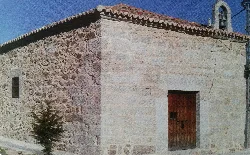
What can you tell me about the Ermita de los Mártires in La Horcajada?
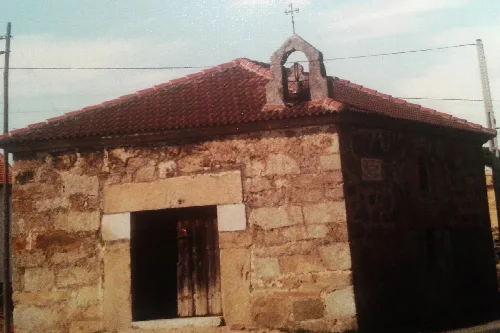
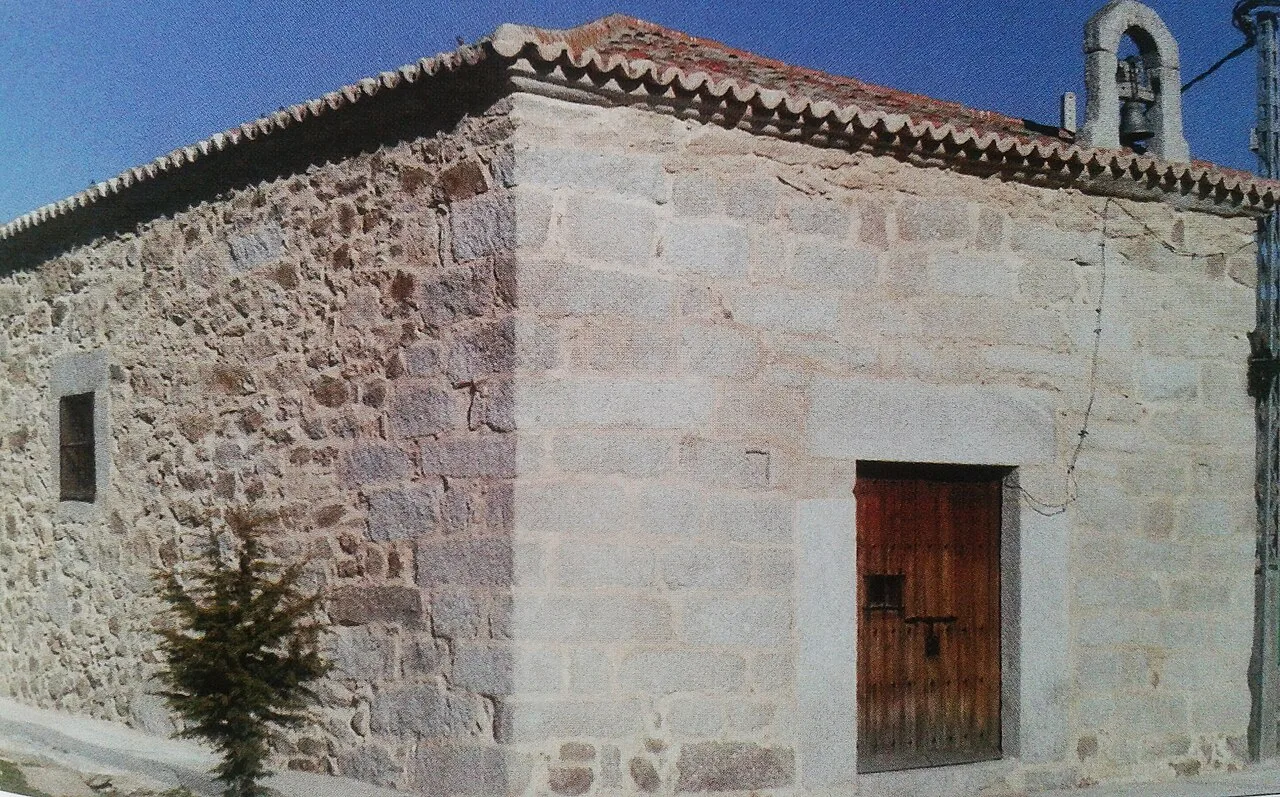
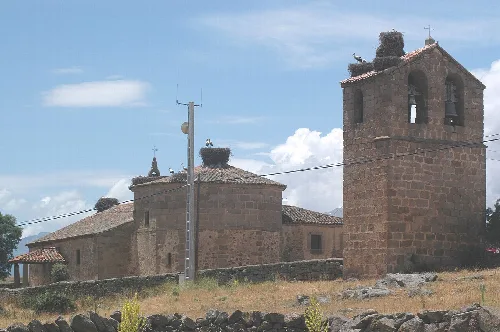
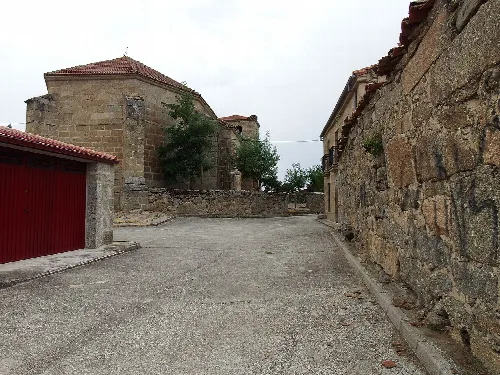
The Ermita de los Mártires, built in the 16th century, is located at the town's exit towards El Barco de Ávila. It features a rectangular shape and simple masonry. The altar retable dates back to the early 19th century and includes images of martyrs such as San Sebastián, San Fabián, and San Roque.
Sights
Ermita de los mártires
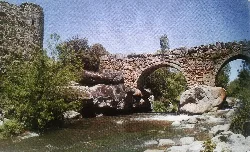
What is the history behind the Puente de la 'Ponseca'?
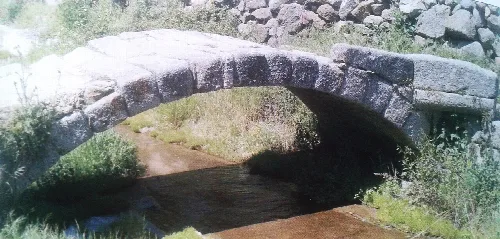
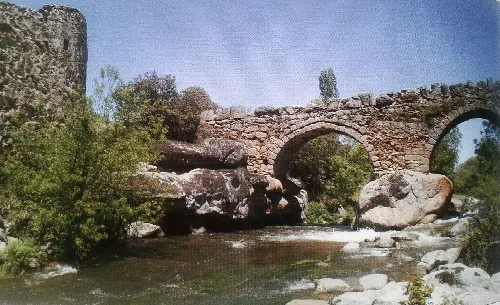
The Puente de la 'Ponseca' is a historic bridge that separates La Horcajada from Villar de Corneja. It is notable for having been crossed by significant figures such as Carlos V in 1556 and Santa Teresa de Jesús on her return to Ávila. This bridge reflects the historical importance of the area during the Spanish Renaissance.
History
Puente de la 'Ponseca'
What are the main festivals celebrated in La Horcajada?
La Horcajada celebrates several festivals, including the patronal feast of San Miguel Arcángel on September 29. Other notable events include a romería in Riofraguas a week later, and the Fiesta of the Cofradía de los Santos Mártires on January 20, honoring San Fabián, San Sebastián, and San Roque.
Festivals & events
Can you tell me about the climate in La Horcajada?
La Horcajada has a Csb climate, characterized as temperate with dry summers. This climate classification indicates mild temperatures throughout the year, making it suitable for various outdoor activities and agriculture in the surrounding areas.
Nature
For residents
What is the significance of the La Cabeza Santa in La Horcajada?
La Cabeza Santa is a revered relic located in the church of Nuestra Señora de la Asunción. It is said to belong to Juan de la Berza, a local shepherd, who claimed it could ward off rabies. The relic is an important part of local folklore and community identity.
History
For residents
What can you tell me about the local cuisine in La Horcajada?
La Horcajada's cuisine reflects traditional Castilian flavors, often featuring local ingredients. Visitors can enjoy hearty dishes such as stews, roasted meats, and regional cheeses. The area is also known for its agricultural products, which contribute to its culinary heritage.
Food & drink
What is the history of the Iglesia de Nuestra Señora de la Asunción?
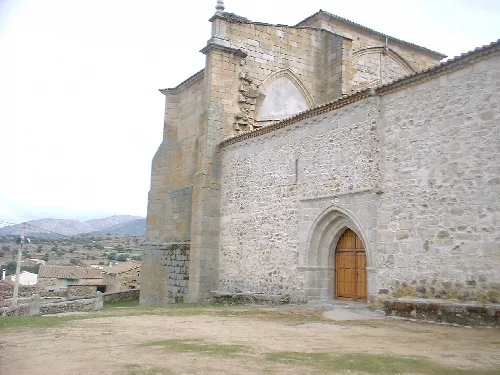
The Iglesia de Nuestra Señora de la Asunción dates back to the 14th and 15th centuries and features three naves with impressive semicircular arches. The church showcases a blend of Gothic and Baroque architectural styles, making it a significant historical landmark in La Horcajada.
History
Iglesia de Nuestra Señora de la Asunción
What are the main geographical features surrounding La Horcajada?
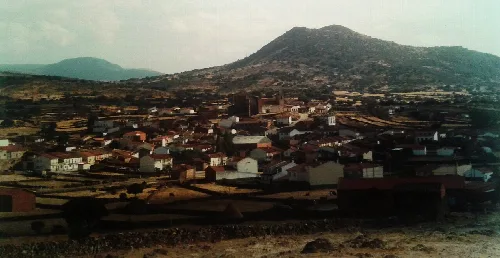
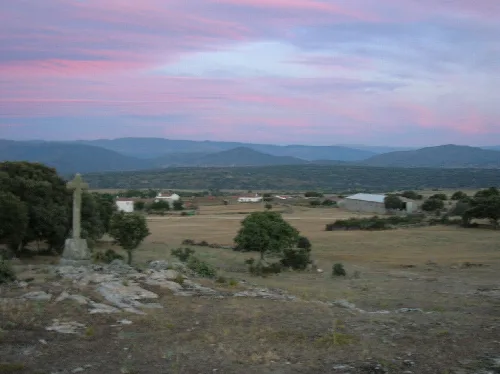
La Horcajada is situated in the southwestern triangle of Ávila province, nestled between the Sierra de Gredos and the Malpartida mountains. The area is characterized by its valleys, including the confluence of the rivers Corneja and Tormes, providing a picturesque landscape.
Nature
For residents
What is the significance of the Casa-Palacio de los Barrientos?
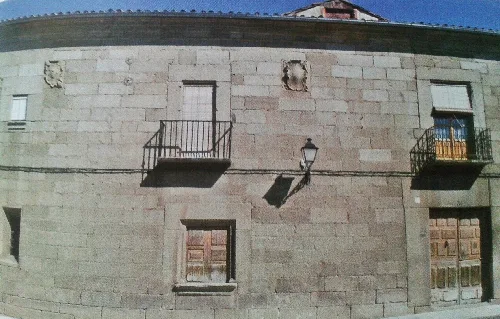
The Casa-Palacio de los Barrientos is a 16th-century manor house located on the main street. It belonged to the influential Barrientos family, whose historical importance is highlighted by their contributions to the local community and their connection to the church's sepulcher.
History
Casa-Palacio de los Barrientos For residents
What is the game of calva, and when is it played in La Horcajada?
The game of calva is believed to have pre-Roman origins and involves hitting a wooden wedge with a stone or metal hammer. It is traditionally played during the patronal festivities of San Miguel, showcasing the town's cultural heritage and community spirit.
Festivals & events
 espana.net