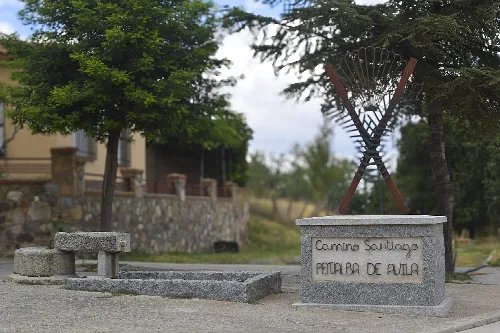
What is the history behind the name Mingorría?
The name Mingorría is believed to have Basque origins, possibly derived from 'mendi gorria,' meaning 'red mountain' or 'red land.' Historical documents from as early as 1303 reference the name, indicating its long-standing significance. The village has also been linked to legends involving notable figures like Felipe II, adding to its rich historical tapestry.
History
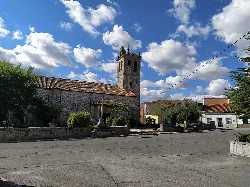
What can you tell me about the Iglesia parroquial de San Pedro?
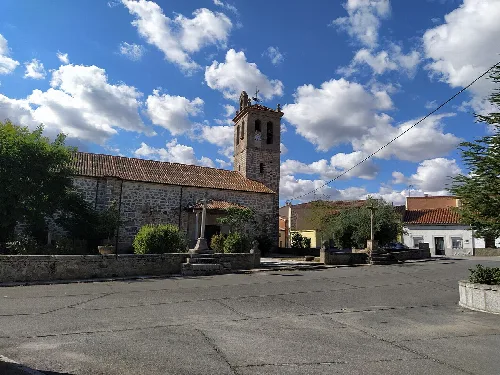
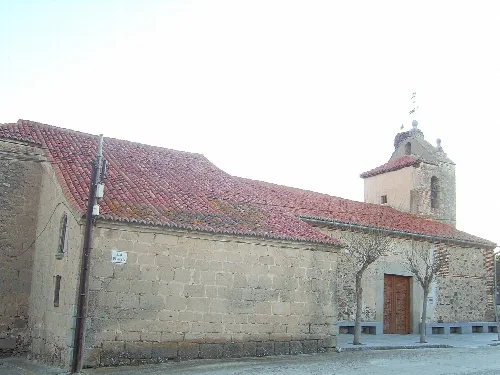
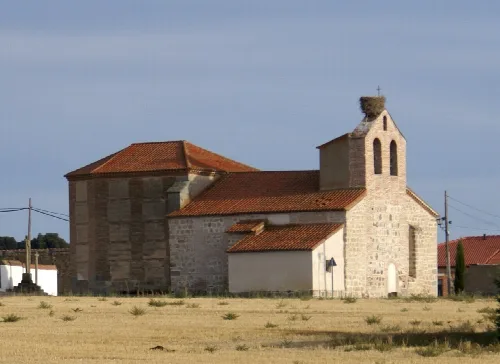
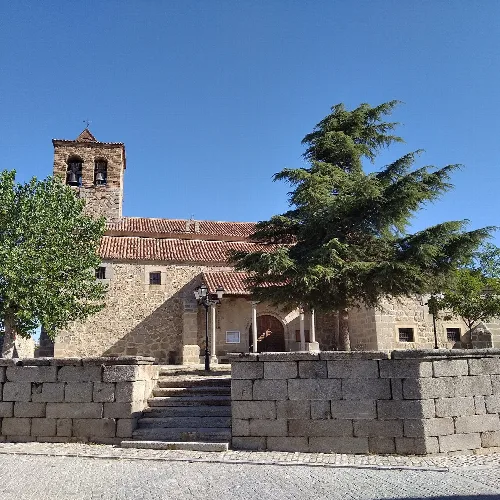
The Iglesia parroquial de San Pedro is a notable landmark in Mingorría, characterized by its three naves and impressive granite bell tower. The church features Baroque altars with Churrigueresque columns and a large organ, indicating its historical importance and architectural beauty within the community.
Sights
Iglesia parroquial de San Pedro en Mingorría
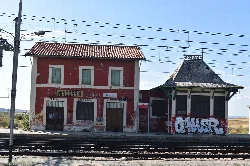
Is there a train station in Mingorría?
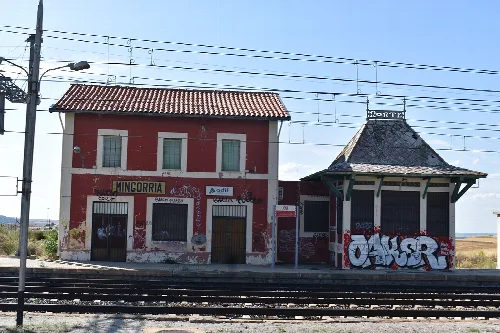
Yes, Mingorría has a train station that was part of the Madrid-Hendaya line. However, it no longer serves passenger trains as of February 2024, when the station buildings were demolished. The station played a significant role in the village's history, especially during the modernization of the railway.
Getting there
Estación de Mingorría
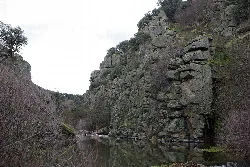
What is the significance of the river Adaja near Mingorría?
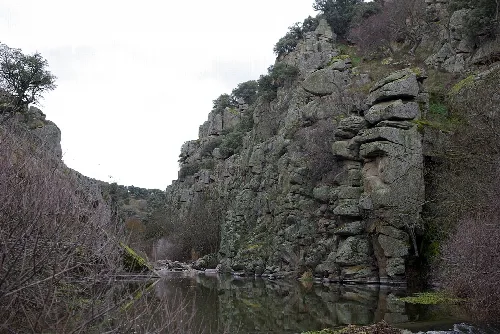
The river Adaja is an important geographical feature near Mingorría, flowing through the region and historically supporting local agriculture and industry. It is lined with numerous historic mills, many of which date back to the 12th century, showcasing the area's agricultural heritage and industrial development.
Nature
What are the main festivals celebrated in Mingorría?
Mingorría hosts several vibrant festivals, including 'Las Aguas,' celebrated on the first Wednesday after Easter, where traditional foods like hornazo are enjoyed. Other notable celebrations include San Roque on August 16 and the Virgen del Rosario on the first Sunday of October, reflecting the community's rich cultural traditions.
Festivals & events
What is the climate like in Mingorría?
Mingorría experiences a continental climate, characterized by long, harsh winters and short, warm summers. The area receives limited rainfall, which influences the agricultural practices in the region, primarily focused on dry farming due to the prevailing weather conditions.
Nature
For residents
How has the population of Mingorría changed over the years?
Mingorría's population has seen significant fluctuations, peaking at around 971 in the mid-19th century. Recent estimates show a decline to approximately 385 residents in 2022, a trend common in many rural areas of Castilla y León due to urban migration and economic changes.
Living there
For residents
What are the verracos vettones found in Mingorría?
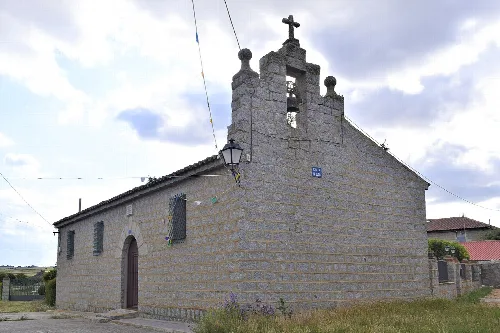
The verracos vettones in Mingorría are ancient stone sculptures that date back to the celticized populations of the region. They are believed to have served as markers for grazing lands and can be found near the local hermitage, showcasing the area's rich archaeological heritage.
History
What is the traditional food associated with the festival of Las Aguas?
During the festival of Las Aguas, residents traditionally enjoy hornazo, a savory pastry filled with meat, and empanadillas. This culinary tradition highlights the local culture and community spirit, making the festival a significant social event in Mingorría.
Food & drink
What is the landscape like around Mingorría?
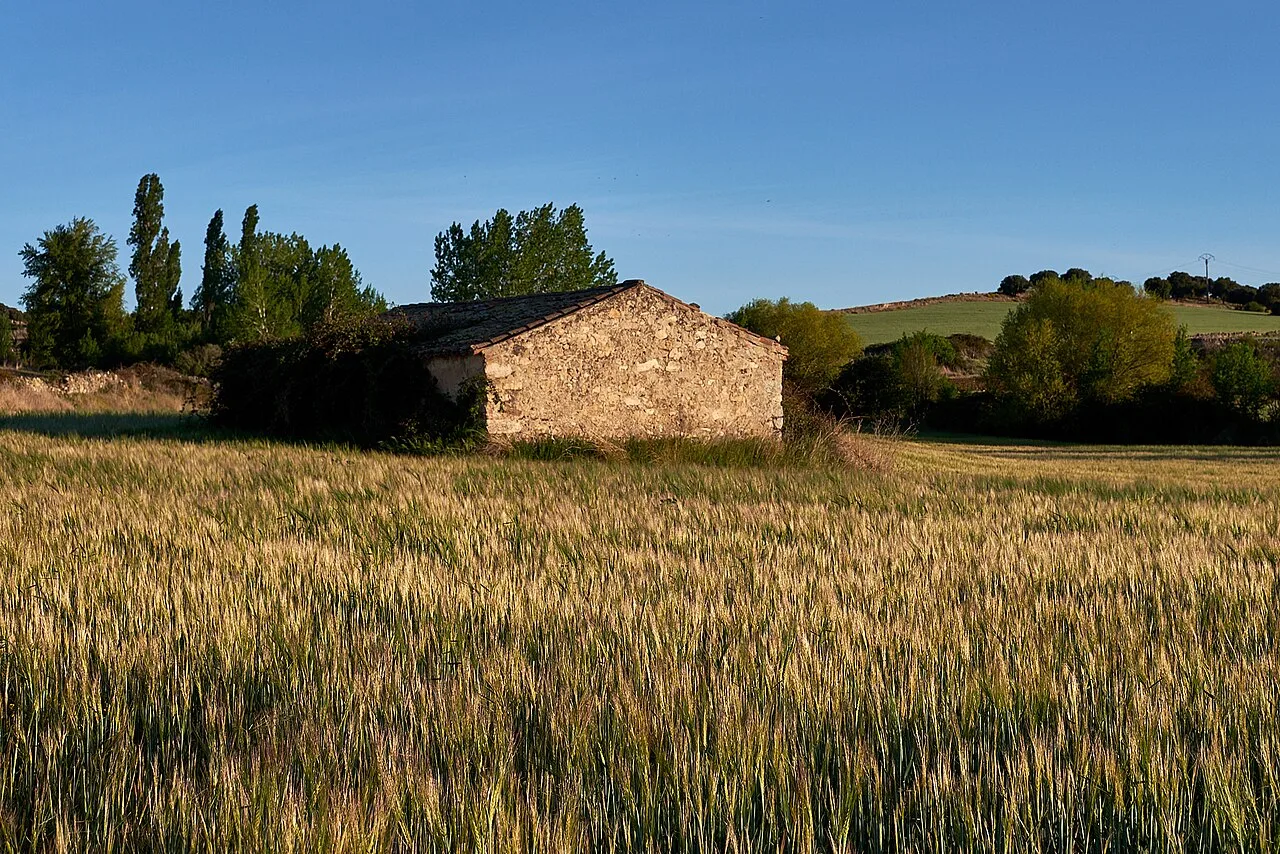
The landscape surrounding Mingorría is characterized by granite rock outcrops and agricultural fields, typical of the transition between the Central System and the Northern Plateau. The area is also home to the river Adaja, which enhances the natural beauty and ecological diversity of the region.
Nature
For residents
 espana.net