What can you tell me about Plaza Grande de Navalmoral?
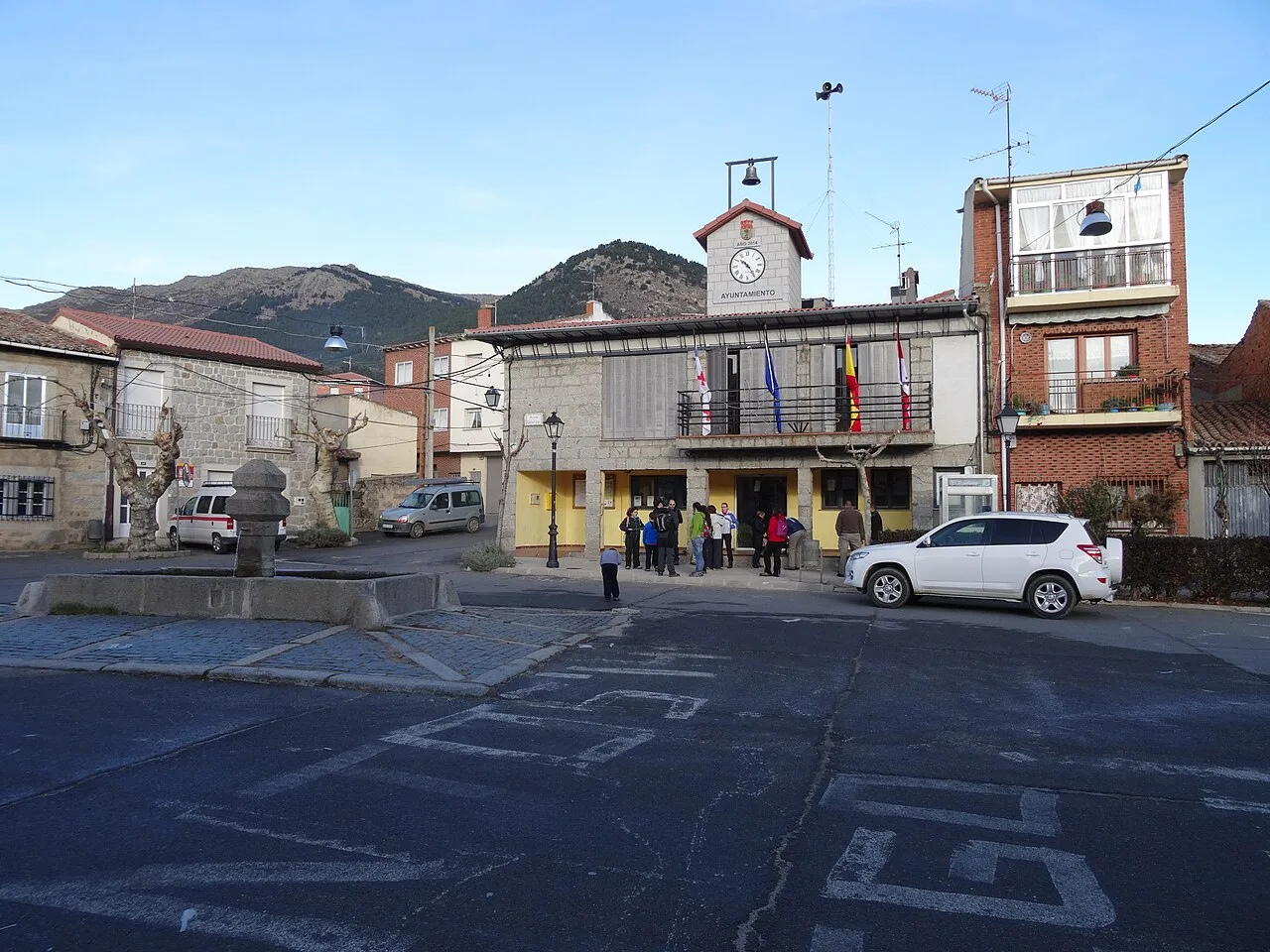
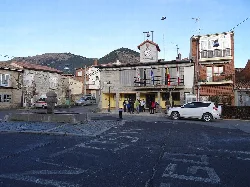
Plaza Grande de Navalmoral features a historic fountain known as the Pilón Centenario, constructed in 1916. The fountain is notable for its intricate stone channels that supplied water from a nearby reservoir. This plaza serves as a central gathering place for locals and visitors alike, often hosting community events and activities.
Sights
Plaza Grande de Navalmoral
What is the significance of the Puerto de Navalmoral?
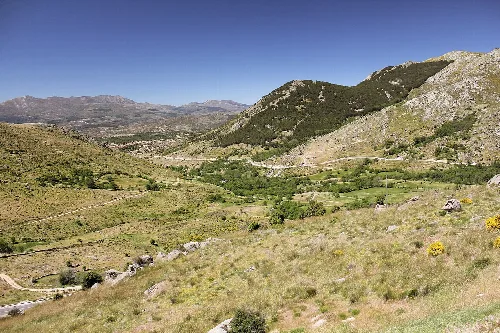
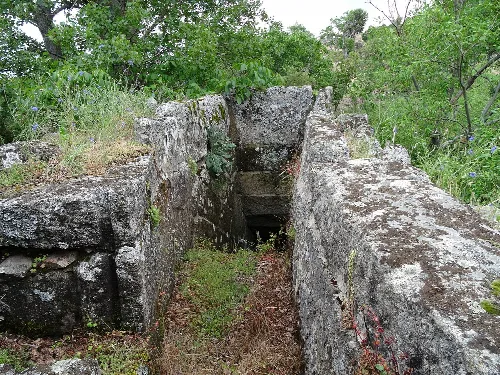
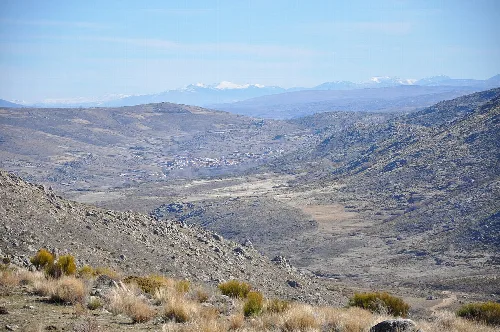
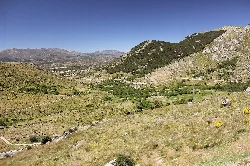
The Puerto de Navalmoral, reaching an altitude of 1514 meters, is a notable mountain pass that connects the region to Ávila. It offers stunning views of the surrounding landscape and is part of the protected natural spaces in the area. The pass is also historically significant, with remnants of a Roman road nearby.
Nature
Puerto de Navalmoral
What are some traditional dishes from Navalmoral?
Navalmoral is known for its hearty traditional dishes, such as judías pintas con chorizo, which is a stew made with pinto beans and chorizo. Other local favorites include patatas revolconas, caldereta de cabrito, and the famous hornazo, a bread filled with various meats, typically enjoyed during Easter celebrations.
Food & drink
Are there any local festivals in Navalmoral?
Navalmoral hosts several vibrant festivals throughout the year. Notable ones include Las Águedas on February 4th, the Lunes de Hornazo during Easter, and the patron saint festivities for San Antonio de Padua from June 12th to 14th. These events often feature traditional food, music, and community gatherings.
Festivals & events
What is the history behind the church of San Pedro Apóstol?
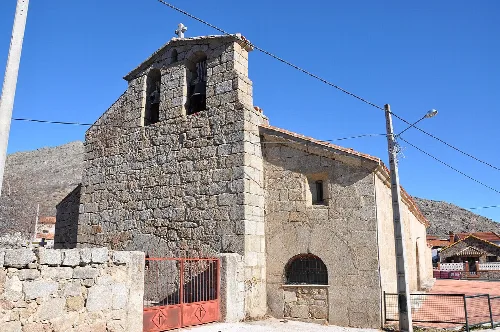
The church of San Pedro Apóstol, constructed in the 16th century, is a significant historical landmark in Navalmoral. Its construction began on December 3, 1563, featuring a blend of Gothic and Renaissance architectural styles. The church has undergone various renovations and holds historical artifacts, including a 17th-century custodia.
History
Iglesia de San Pedro Apóstol
What are the living conditions like in Navalmoral?
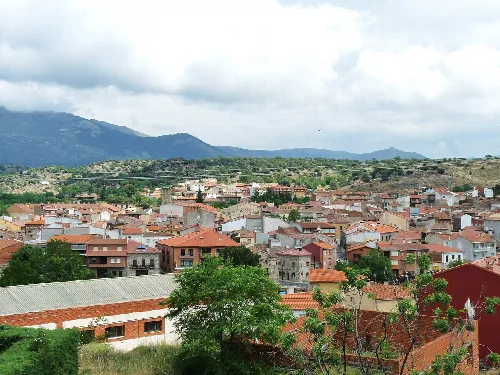
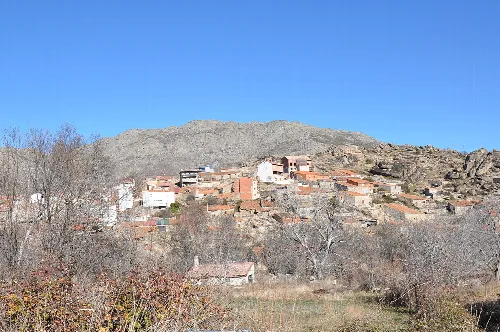
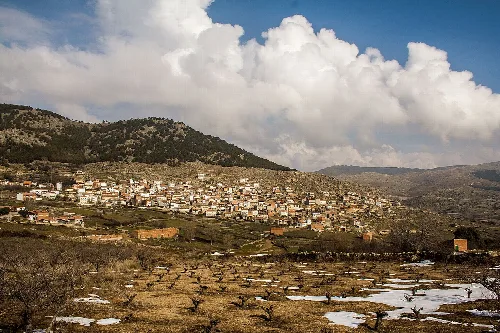
Navalmoral, with a population of 445, offers a tranquil lifestyle surrounded by natural beauty. The town experiences a significant influx of visitors during the summer months, which can triple the population. Residents enjoy a close-knit community atmosphere, access to local produce, and a rich cultural heritage.
Living there
For residents
What can you tell me about the Molino Bajero del Río de Santa María?
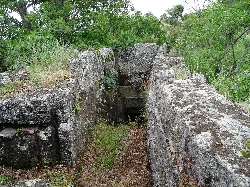
The Molino Bajero del Río de Santa María is a historical watermill that showcases traditional milling techniques. It features a canal system that directs water to power the millstone, demonstrating the agricultural heritage of the region. This site is a reminder of the historical importance of milling in local communities.
History
Molino Bajero del Río de Santa María
What is the significance of the Ermita de Nuestra Señora de Aldeavieja?
The Ermita de Nuestra Señora de Aldeavieja, dating back to the 15th century, holds historical importance as a religious site. Although now in ruins, it was once a prominent structure in the area. Its destruction during the Napoleonic invasion adds to its historical narrative within Navalmoral.
History
Ermita de Nuestra Señora de Aldeavieja
How can I explore the natural surroundings of Navalmoral?
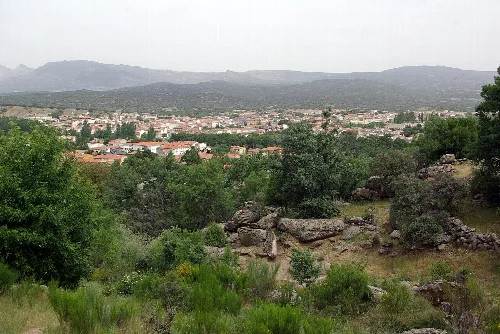
Visitors can explore the natural beauty of Navalmoral through various hiking trails, including the GR-10.3 and PRC-AV 59 and 60 routes. These trails connect the town to other protected natural areas, offering opportunities to enjoy the scenic landscapes of the Sierra de la Paramera and the Valle de Iruelas.
Nature
What is the history of the name Navalmoral?
The name Navalmoral is derived from the Hebrew word 'Majada', meaning a pasture area. The 'Moral' part is linked to a legendary mulberry tree that was so large it required several men to embrace it. This historical context reflects the town's agricultural roots and cultural significance.
History
For residents
 espana.net