What can you tell me about the Iglesia de la Asunción in Piedrahíta?
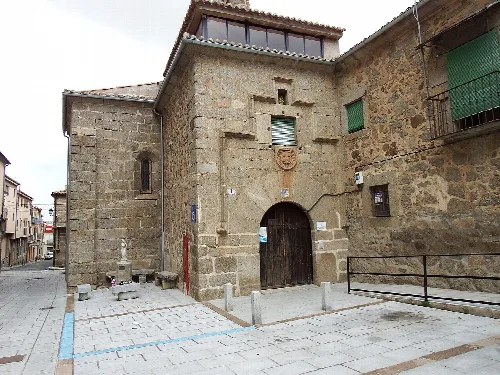
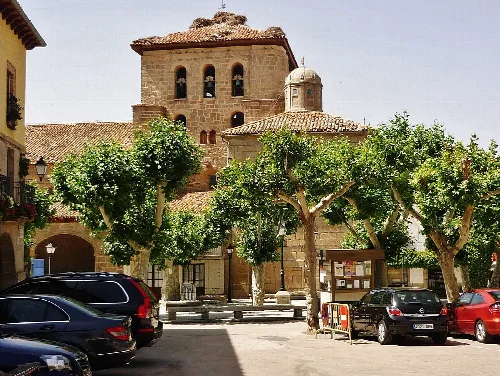
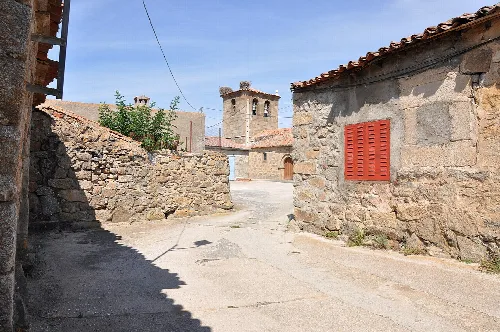
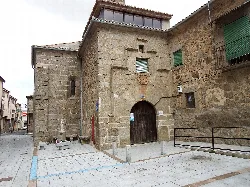
The Iglesia de la Asunción, dating back to the 13th century, showcases various architectural styles. Built on a castle donated by Queen Berenguela, it features three naves and a Gothic window. The interior houses a Museum of Sacred Art with unique pieces, including a 15th-century pulpit and various altarpieces from different periods. The church reflects the town's rich history and artistic heritage.
Sights
Iglesia de la Asunción
What is the history behind the name Piedrahíta?
Piedrahíta derives from the Latin 'petra ficta,' meaning 'clamped stone,' referring to boundary markers used by ancient inhabitants. A legend suggests it comes from stone markers left by hunters to find their way back through dense forests. The name may also relate to the nearby Peña Negra mountain, which stands out prominently in the landscape.
History
For residents
What is the significance of the Palacio de los Duques de Alba?
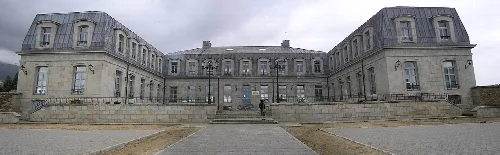
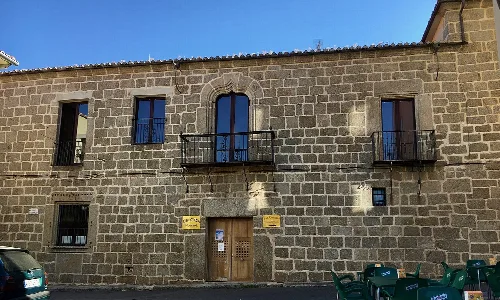
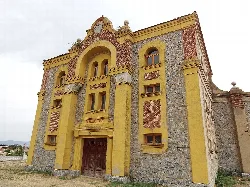
The Palacio de los Duques de Alba, built between 1755 and 1766, served as the summer residence for the House of Alba. Designed in French Baroque style, it became a cultural hub for artists and intellectuals, including Goya. The palace's architecture and historical connections highlight its importance in Piedrahíta's cultural landscape.
Sights
Palacio de los duques de Alba
Are there any traditional festivals in Piedrahíta?
Yes, Piedrahíta hosts several traditional festivals, notably the fiestas in honor of the Virgen de la Vega, the patron saint, which occur the weekend after Pentecost. The festivities include processions, local dances, and cultural events. Additionally, the San Bartolomé fair in August is another significant celebration that attracts many visitors.
Festivals & events
What outdoor activities can I enjoy in Piedrahíta?
Piedrahíta is an excellent destination for outdoor enthusiasts, offering opportunities for free flight and mountaineering. The surrounding landscapes, including the Sierra de Villafranca, provide stunning views and trails for hiking. The area's natural beauty makes it ideal for various outdoor sports and activities throughout the year.
Nature
How is the local cuisine in Piedrahíta?
Piedrahíta's local cuisine features traditional dishes that reflect the region's agricultural heritage. Visitors can enjoy hearty meals made from locally sourced ingredients, including meats and vegetables. The town also celebrates its culinary traditions during festivals, where local specialties are highlighted, offering a taste of the area's rich flavors.
Food & drink
What should I know about living in Piedrahíta?
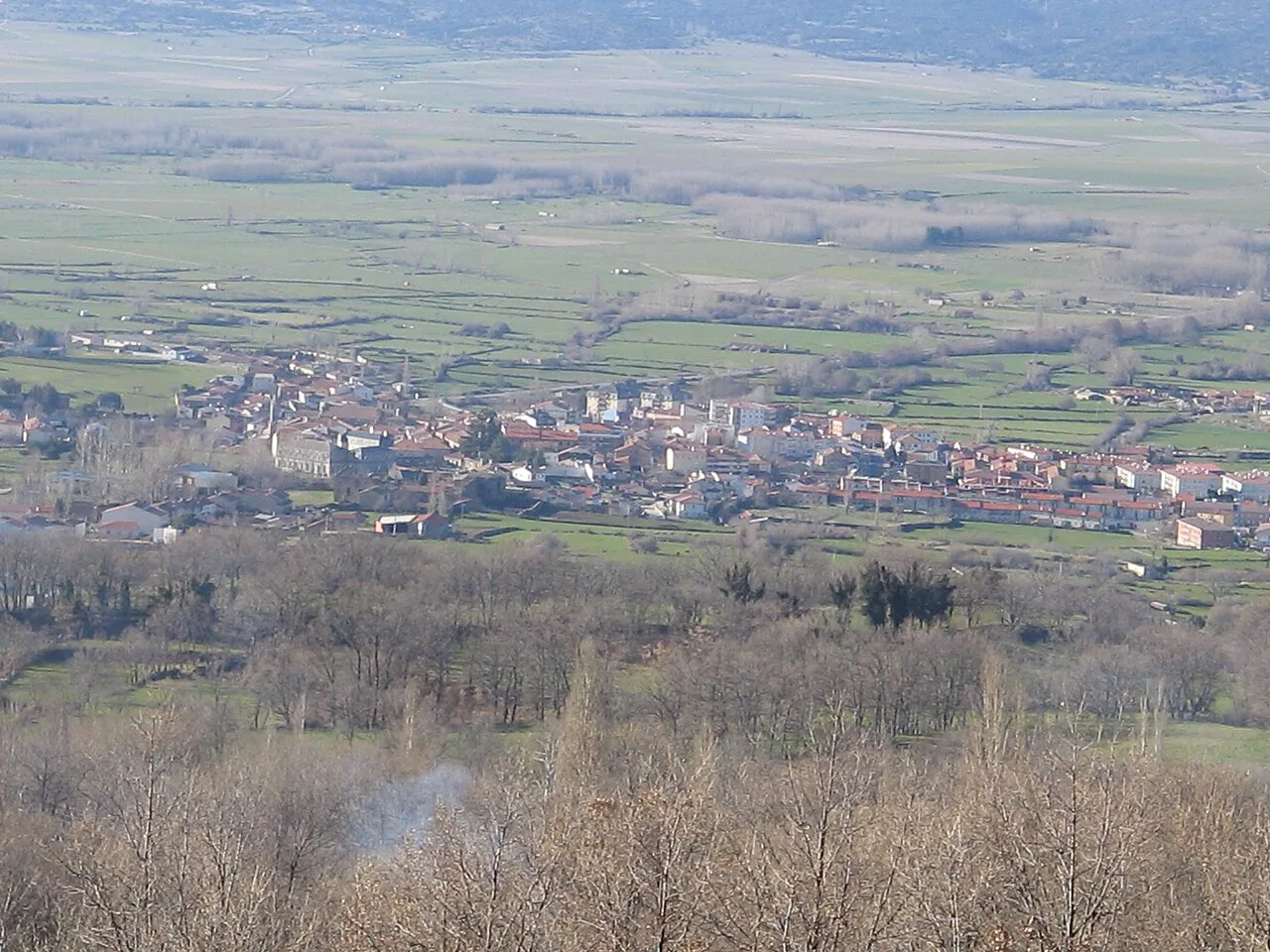
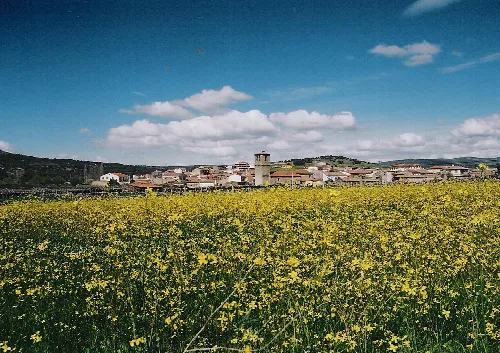
Living in Piedrahíta offers a blend of historical charm and natural beauty. The town has a small, close-knit community with a population of around 1,637. Residents enjoy access to local amenities, agricultural opportunities, and a peaceful lifestyle surrounded by stunning landscapes. The town's rich cultural heritage adds to its appeal for those considering a move.
Living there
For residents
What is the Plaza España like in Piedrahíta?
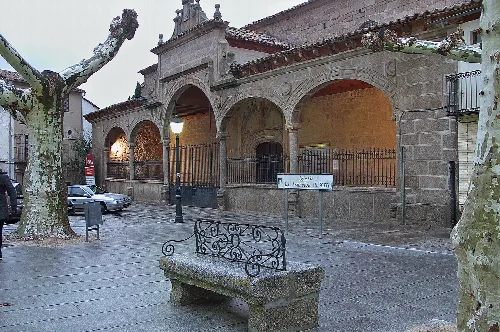
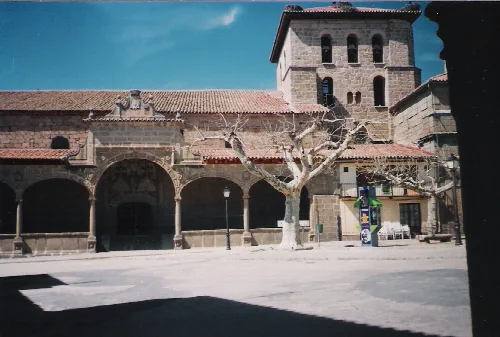
Plaza España is the main square of Piedrahíta, characterized by its polygonal shape and surrounded by porticoes of various architectural styles. The square features a beautiful granite fountain from 1727 and is a hub for public events, markets, and social gatherings. It also houses the town hall and the parish church, making it a focal point of community life.
Sights
Plaza España
What can you tell me about the Convento de Carmelitas?
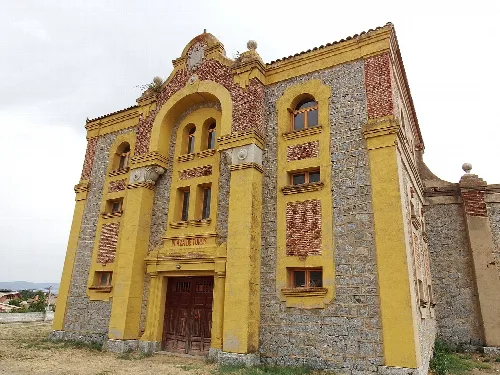
The Convento de Carmelitas, founded in the 15th century, features a late Gothic portal and a baroque altar. While much of the interior has been renovated, it retains a chapel housing the Virgin of Carmen. This convent reflects the historical religious significance of Piedrahíta and is part of its rich cultural heritage.
History
Convento de Carmelitas
What are the ruins of the Convento de Santo Domingo?
The ruins of the Convento de Santo Domingo, founded in the late 14th century, are significant for their cultural and artistic connections to nearby convents. Although it fell into disrepair in the 19th century, the remaining chapel features pointed windows and houses the remains of its founders. It represents an important part of Piedrahíta's historical narrative.
History
Ruinas del convento de Santo Domingo
 espana.net