Valdecasa is a municipality located in the province of Ávila, within the autonomous community of Castile and León, Spain. Characterized by its mountainous landscape and rich history, it has a small population of 54 residents, reflecting a traditional way of life centered around agriculture and livestock.
02Geography
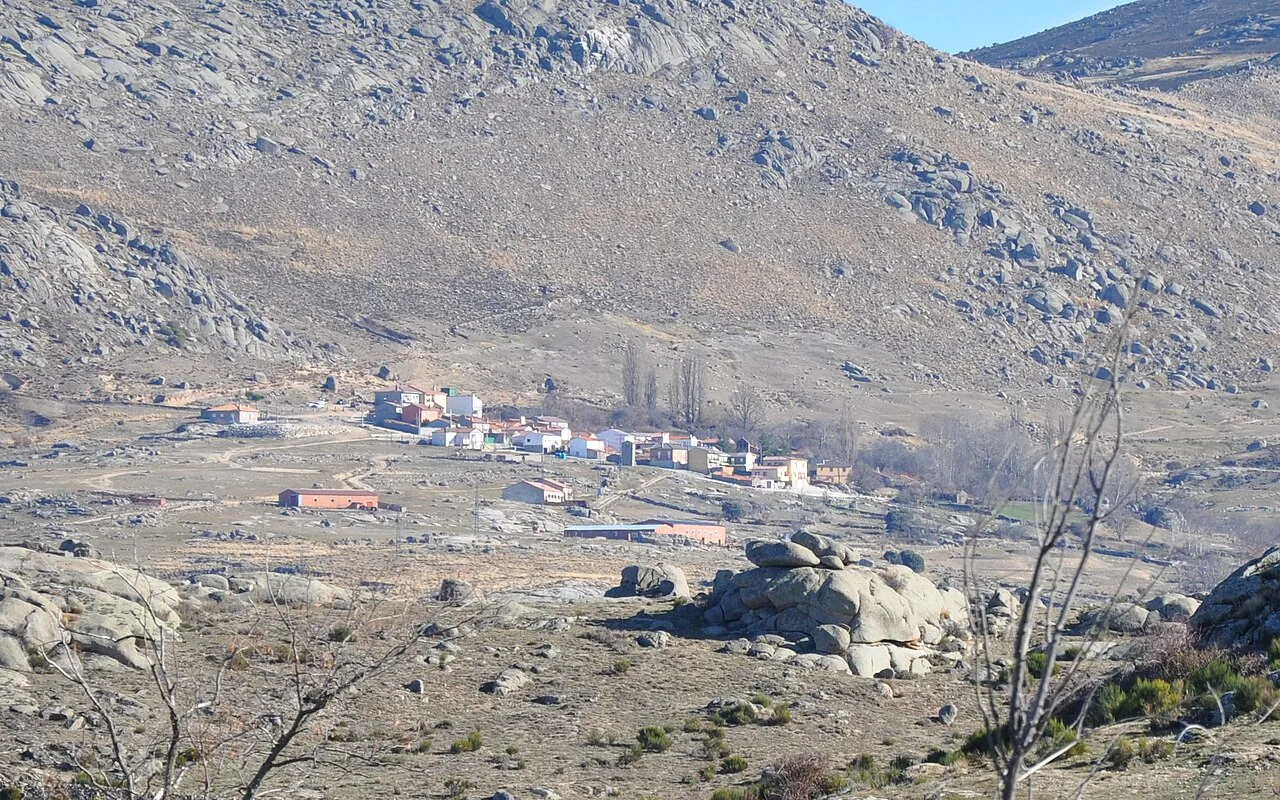
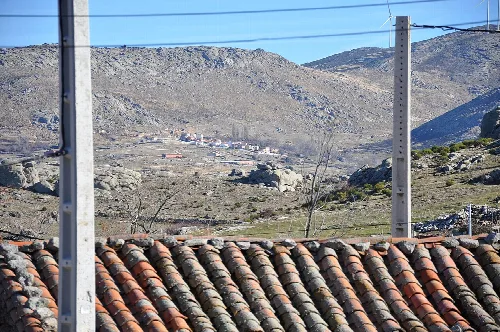
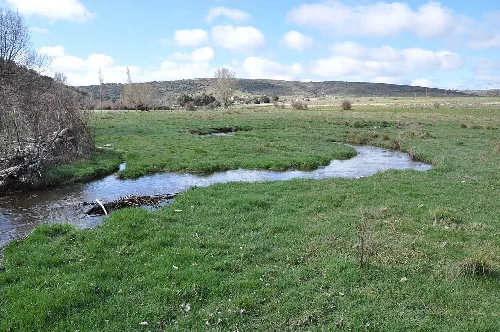
Situated at an elevation of 1366 meters, Valdecasa is nestled against the hills of the Sierra de Ávila, facing southwest. The area showcases a stunning example of the Central System batholith, with the distant peak of Serrota, locally known as Salrota, adding to the picturesque scenery. The region is characterized by its rugged terrain and rich vegetation, including oak forests that turn reddish in winter.
03History
Valdecasa's history is marked by archaeological findings from various periods, including Vetton, Roman, Visigoth, and medieval times. The area is noted for its late repopulation, with references to its establishment as an independent village in the 13th century, linked to the broader repopulation efforts in the province of Ávila.
Historical references
Visigothic tombs
Population in 1857
Incorporation into the Sexmo of San Pedro
Dependence on Grajos parish
Valdecasa is a small municipality in Ávila, known for its rich history and traditional lifestyle in a mountainous landscape.
04Economy
The local economy has traditionally relied on livestock and subsistence agriculture, shaped by the mountainous landscape. Families often practiced transhumance, moving their herds to Extremadura in winter and returning in spring, a practice rooted in the region's history.
Main economic activities
Agricultural practices
Livestock types
Historical trades
Impact of isolation on economy
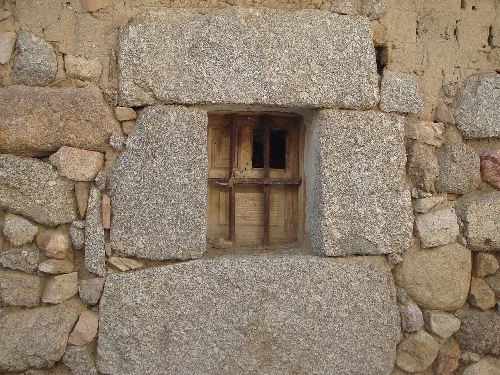
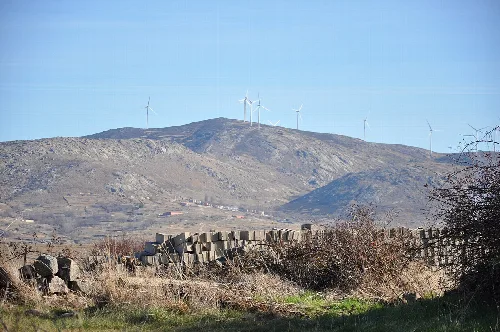
Traditional small window in popular architecture of La Torre, Ávila, with large stones and wood.Valdecasa with Cerro de Gorría in the background from Manjabálago, Ávila, Spain.
05Architecture and Landmarks
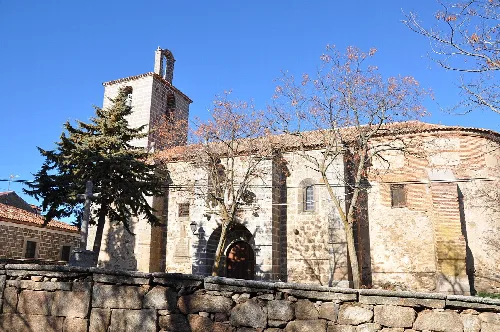
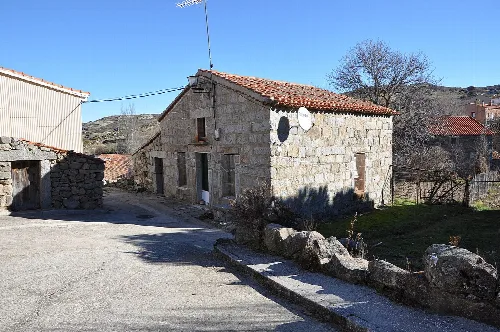
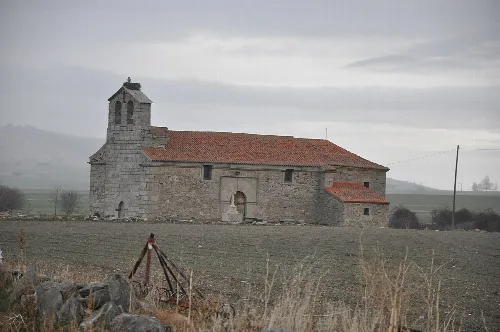
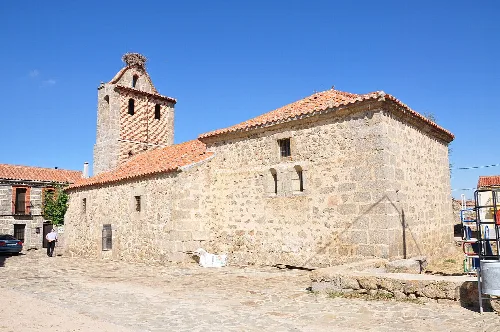
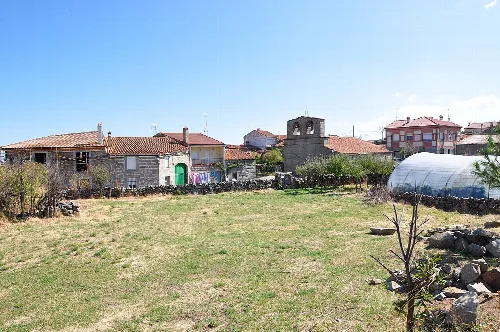
Valdecasa features traditional serrano architecture, with houses constructed from granite and characterized by thick walls and small windows. The village's only notable monument is its small church, which exhibits a mix of architectural styles from different periods, including a mudéjar bell tower.
Church construction style
Notable architectural features
Historical significance of the church
Local landmarks
Cultural heritage sites
06Cultural Practices
Cultural traditions in Valdecasa include the celebration of local festivals, particularly the procession honoring Santa Teresa de Jesús. The community engages in various customs that reflect its agricultural roots and historical influences, including oral storytelling and traditional music.
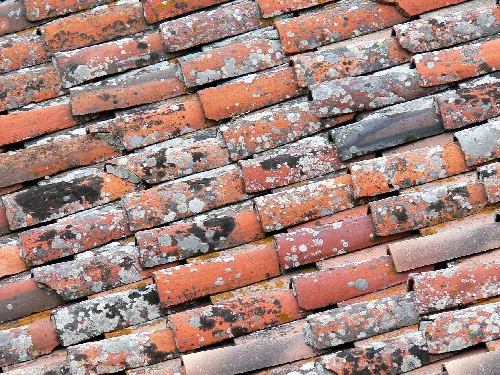
Roof tiles with moss and lichens in Marciana Alta, Elba.View of Valdecasa from San Juan del Olmo or Grajos, with mountains in the background.
Frequently asked questions
What is the best way to get to Valdecasa?
Valdecasa is accessible via a narrow and winding road that starts from Cillán. Along the route, you will pass through Pasarilla del Rebollar, the only hamlet associated with Valdecasa. The journey offers scenic views, especially as you approach the Alto de las Navillas, where you can catch your first glimpse of the village's houses.
In Valdecasa, the main attraction is its small church, which features a mix of architectural styles from different centuries. The church has a mudéjar bell tower and a beautiful retablo that is currently undergoing restoration. The surrounding mountainous landscape also offers opportunities for hiking and enjoying nature.
Valdecasa has a rich history, with evidence of various civilizations including Vetones, Romans, and Visigoths. It was established as a settlement during the late repopulation period in the 13th century, and it has maintained its rural character throughout the centuries. The village has always been tied to the nearby town of Grajos for ecclesiastical matters.
Cerro de Gorría is a notable geographical feature near Valdecasa. It is part of the Sierra de Ávila and offers stunning views of the surrounding landscape. The area is rich in flora, particularly Quercus pyrenaica, which turns reddish in winter, creating a picturesque scene.
In Valdecasa, traditional cuisine often includes local meats and simple agricultural products. While specific dishes aren't detailed, you might find offerings like stews made from locally raised livestock or dishes featuring legumes, reflecting the agricultural practices of the area.
Valdecasa celebrates the arrival of a statue of Santa Teresa de Jesús on May 28th, known as the fiesta chica. This event includes a procession where locals dance traditional jotas, making it a vibrant celebration of community and culture.
Living in Valdecasa offers a quiet, rural lifestyle with a tight-knit community of around 54 residents. The economy is primarily based on agriculture and livestock, with a strong tradition of transhumance. The area is picturesque, surrounded by mountains and natural beauty, but amenities may be limited due to its small size.
What is the architectural style of the houses in Valdecasa?
The houses in Valdecasa typically feature a traditional serrano style, characterized by thick granite walls and small windows with iron grilles. Many homes have decorative portalillos and are roofed with Arabic tiles, reflecting the local architectural heritage.
What can you tell me about the Ventanuco in Valdecasa?
The Ventanuco is a traditional feature in the popular architecture of the region, showcasing the rustic charm of Valdecasa. These small windows often have wooden frames and are integral to the local building style, allowing for light while maintaining privacy.
What outdoor activities are available near Valdecasa?
Valdecasa is surrounded by beautiful mountainous terrain, making it ideal for outdoor activities such as hiking and exploring nature. The nearby Cerro Berrocalejo offers scenic views and opportunities for excursions, allowing visitors to enjoy the natural landscape.
 espana.net