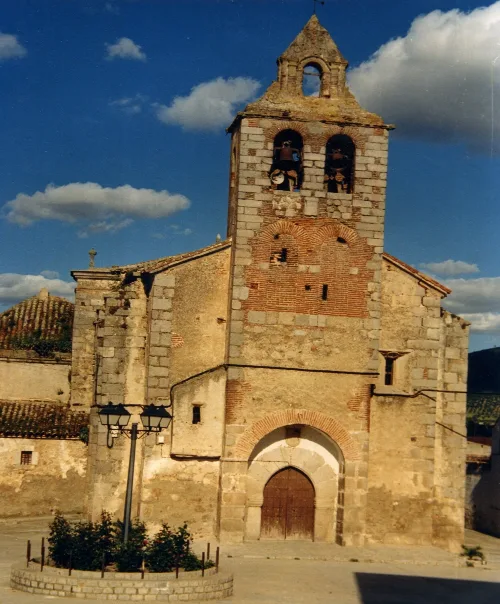
What is the significance of the Capilla del Nazareno in Esparragosa de la Serena?
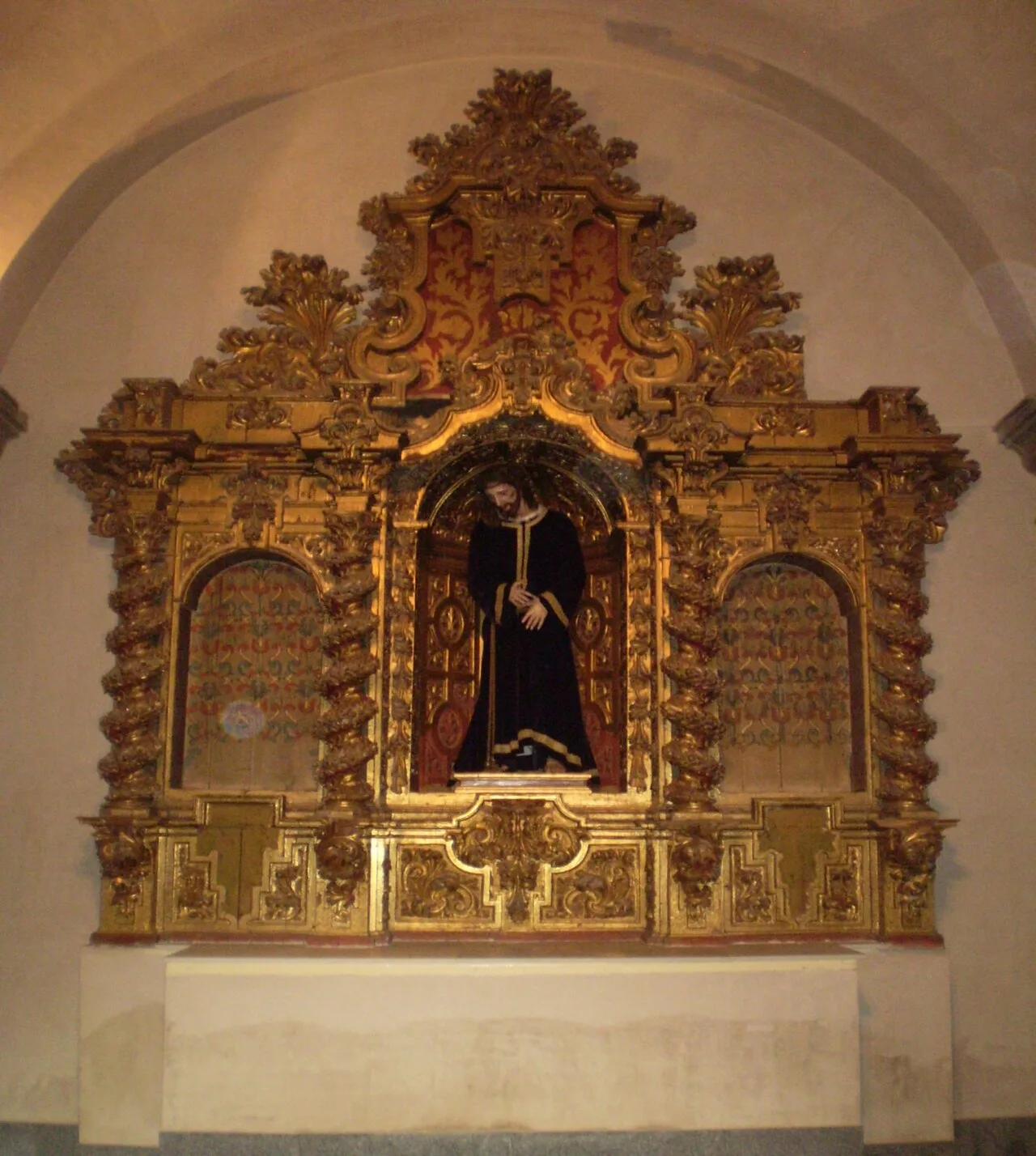
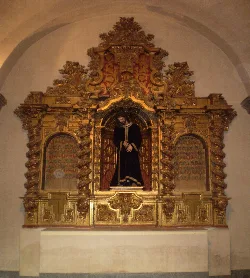
The Capilla del Nazareno is a notable structure in Esparragosa de la Serena, housing a baroque retablo dedicated to Jesus Nazareno. Constructed in 1764, it serves as a funerary chapel for the Rodríguez Centeno-Chacón family. The chapel features intricate architectural details and is part of the local heritage, reflecting the town's historical and cultural significance.
History
Capilla del Nazareno
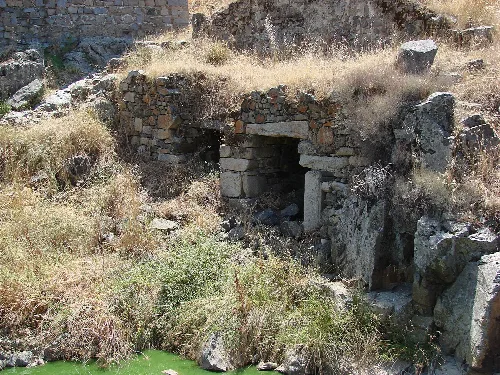
What can you tell me about the Molino del Río Guadalefra?
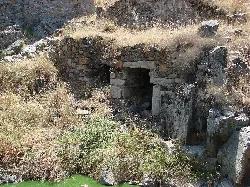
The Molino del Río Guadalefra, dating back to the 19th century, was powered by the river's water to mill wheat. It represents the agricultural heritage of Esparragosa de la Serena and showcases traditional milling practices that were essential for the local economy, particularly in grain production.
History
Molino del Río Guadalefra
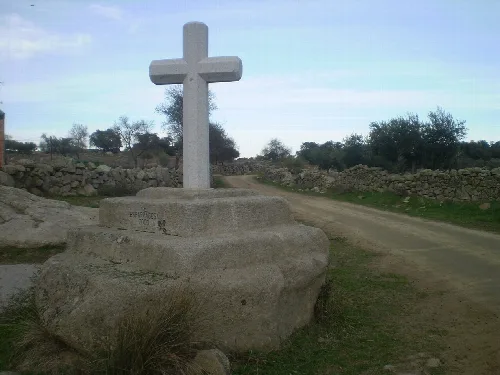
What does La Cruz de Santiago mark in Esparragosa de la Serena?
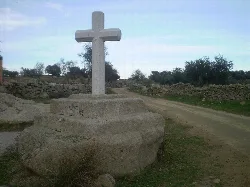
La Cruz de Santiago is located on the outskirts of Esparragosa de la Serena and marks the path to the Ermita de Santiago de Candalija. This cross is significant for its historical connection to the Camino de Santiago, reflecting the area's cultural and religious heritage.
History
La Cruz de Santiago
What type of wildlife can I expect to see around Esparragosa de la Serena?
Esparragosa de la Serena is home to diverse wildlife, particularly birds such as storks and migrating cranes during autumn and winter. The surrounding sierra and dehesas host deer, wild boars, hares, partridges, and rabbits, making it a favored spot for nature enthusiasts and hunting activities.
Nature
What are the main agricultural products of Esparragosa de la Serena?
The primary agricultural products in Esparragosa de la Serena include olives, grapes, and cereals like wheat and barley. These crops are mainly used as feed for livestock, contributing to the local economy. The region is also known for its high-quality olive oil and artisanal wines.
Food & drink
How is the local wine from Esparragosa de la Serena described?
The local wine from Esparragosa de la Serena is known for its artisanal production, particularly the wine de pitarra. This wine is celebrated for its high quality and reflects the traditional winemaking practices of the region, making it a notable aspect of local gastronomy.
Food & drink
What historical events shaped Esparragosa de la Serena's development?
Esparragosa de la Serena became a constitutional municipality after the fall of the Ancien Régime. It was integrated into the judicial district of Castuera in 1834. The town's development was significantly influenced by the patronage of Don Juan de Zúñiga, who initiated various building projects, including churches.
History
For residents
What is the architecture like in Esparragosa de la Serena?
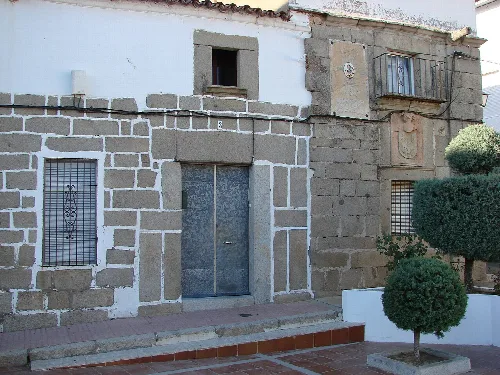
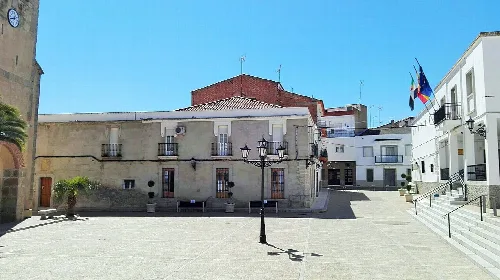
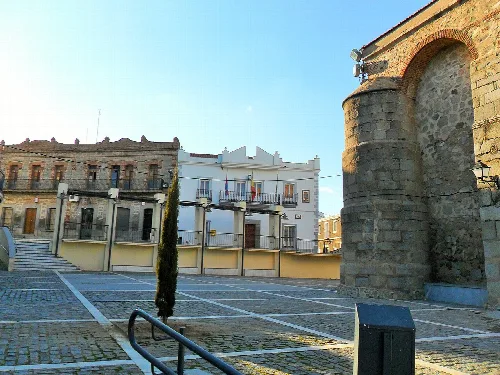
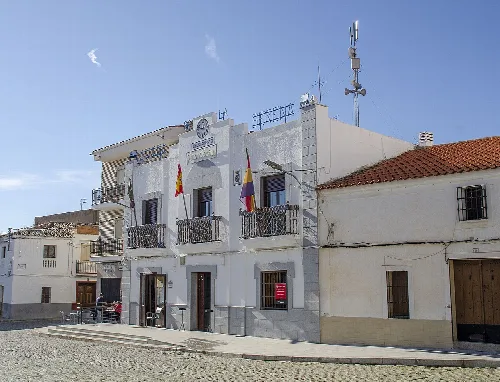
Esparragosa de la Serena features well-preserved traditional architecture, including houses from the 16th to 18th centuries. These structures often have two floors, granite window frames, and decorative elements like ajimeces and conopial arches, showcasing the town's historical architectural styles.
Living there
For residents
What are some local events or festivals in Esparragosa de la Serena?
Esparragosa de la Serena hosts various local events and festivals that celebrate its cultural heritage. While specific festivals aren't detailed in the reference material, typical Spanish village festivities often include religious celebrations, harvest festivals, and community gatherings, reflecting local traditions.
Festivals & events
What is the climate like in Esparragosa de la Serena?
Esparragosa de la Serena enjoys a Mediterranean subtropical climate, characterized by mild winters and hot, dry summers. This climate supports the region's agriculture, particularly the cultivation of olives and grapes, which thrive in such conditions.
Nature
For residents
 espana.net