What are the main attractions in Sitges?
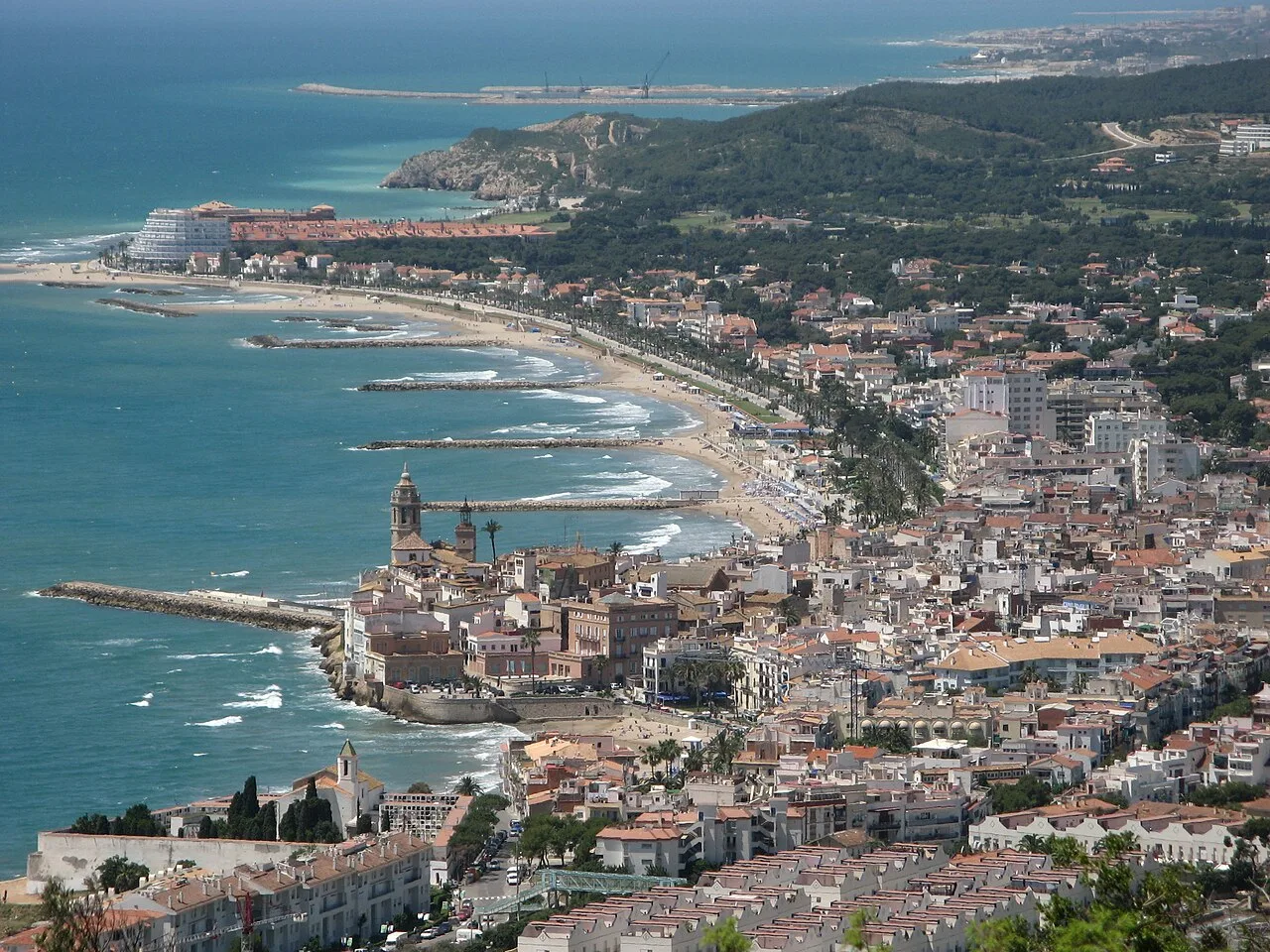
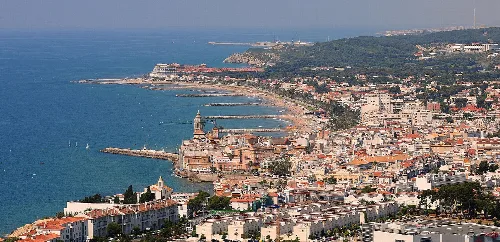
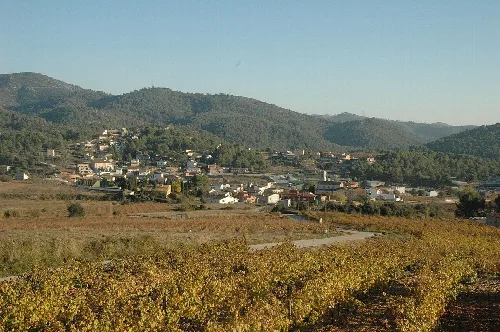
Sitges is famous for its beautiful beaches, vibrant nightlife, and cultural events. Key attractions include the Cau Ferrat Museum, the Maricel Museum, and the iconic Església de Sant Bartolomé i Santa Tecla. The annual Sitges Film Festival and Carnival are also major draws, showcasing the town's rich artistic heritage and lively atmosphere.
Sights
What is the history behind the Església de Sant Bartolomé i Santa Tecla?
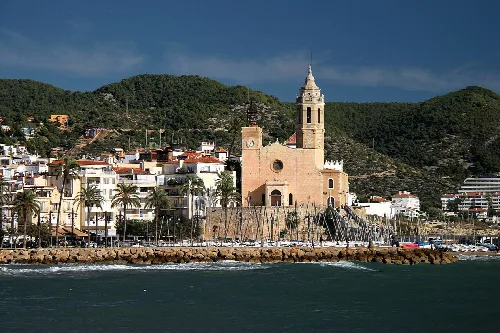
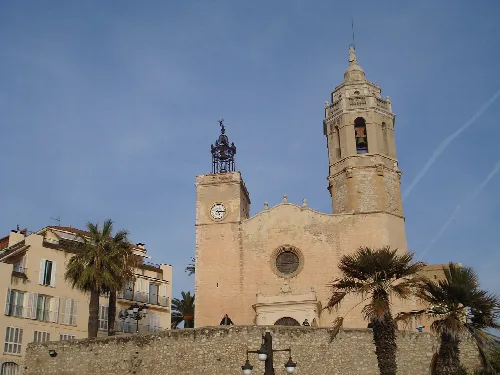
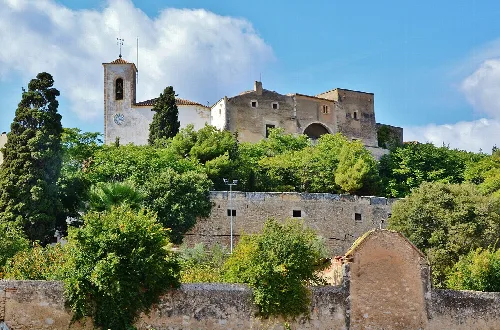
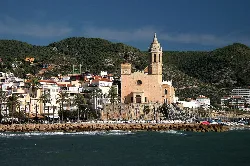
The Església de Sant Bartolomé i Santa Tecla is a historic church in Sitges, known for its stunning architecture. It was built in the 17th century on the site of an earlier chapel. The church features a mix of Gothic and Baroque styles and is a prominent landmark, symbolizing the town's rich cultural heritage and religious history.
History
Església de Sant Bartolomé i Santa Tecla
What is the significance of the Sitges Film Festival?
The Sitges Film Festival is an internationally recognized event dedicated to fantasy and horror films. It attracts filmmakers and fans from around the world, showcasing innovative works and celebrating genre cinema. Established in 1968, it has become a key cultural event in Sitges, contributing to the town's reputation as a creative hub.
Festivals & events
What is xató and where can I try it in Sitges?
Xató is a traditional dish from Sitges, featuring a salad made with endive, cod, and a special sauce made from almonds, hazelnuts, and ñora peppers. It's a must-try local specialty, often enjoyed during the Carnival season. Many restaurants in Sitges serve xató, especially during festive times, allowing visitors to experience this culinary delight.
Food & drink
Are there any nudist beaches in Sitges?
Yes, Sitges is known for its nudist beaches. Platja dels Balmins and Platja d'Aiguadolç are popular among the nudist community, offering a welcoming atmosphere. Additionally, Playa del Muerto is another nudist beach, frequented primarily by the gay community. These beaches provide a relaxed environment for sunbathing and enjoying the Mediterranean.
Nature
What cultural events does Sitges host throughout the year?
Sitges hosts a variety of cultural events, including the famous Carnival, Sitges Pride, and the Sitges Film Festival. Other notable events include the Festa Major in August, featuring traditional dances and fireworks, and the Month of the Corpus Christi celebration, known for its beautiful flower carpets. These events highlight the town's vibrant cultural scene.
Festivals & events
What is the best time to experience Sitges' Carnival?
Sitges' Carnival, known as Carnestoltes, typically takes place between February and March. The festivities kick off on Dijous Gras (Fat Thursday) and culminate with the burial of the sardine on Ash Wednesday. This lively celebration features parades, folk dances, and traditional foods, making it a vibrant time to visit the town.
Festivals & events
How has Sitges' history influenced its architecture?
Sitges' history, particularly its connections to artists and wealthy families, has greatly influenced its architecture. The town boasts a mix of styles, from medieval structures to modernist buildings. Notable examples include the Palau Maricel and the Cau Ferrat Museum, reflecting the artistic legacy of residents like Santiago Rusiñol and the affluent families who built summer homes here.
History
For residents
What makes Sitges a popular destination for LGBTQ+ tourists?
Sitges is often referred to as the gay capital of Europe, particularly during the summer months. The town offers a vibrant LGBTQ+ nightlife, numerous gay-friendly hotels, restaurants, and events like Sitges Pride and Bears Week. Its welcoming atmosphere and beautiful beaches make it a favored destination for LGBTQ+ travelers.
Living there
For residents
What are the main beaches in Sitges?
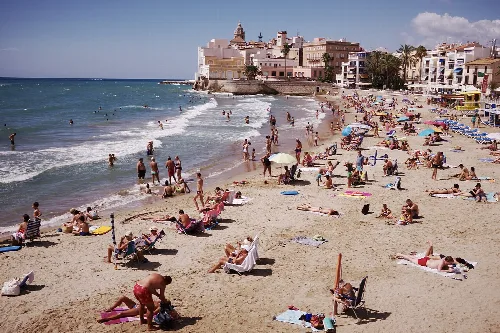
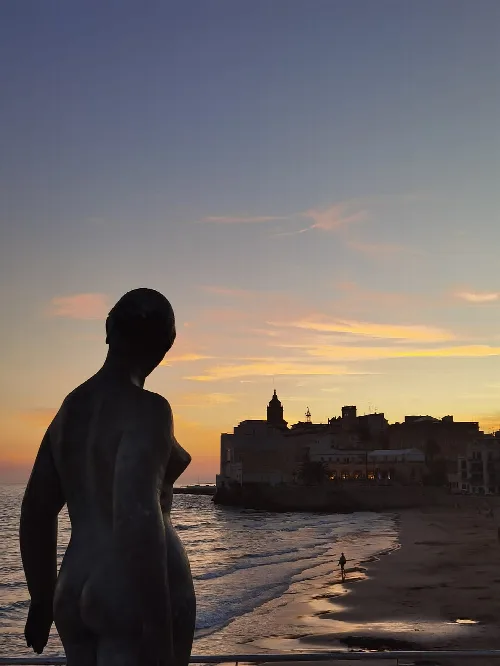
Sitges features 17 beautiful beaches, with some of the most popular being Platja de Sant Sebastià, Platja de la Fragata, and Platja dels Balmins. Each beach offers unique amenities and atmospheres, catering to families, sunbathers, and the LGBTQ+ community. The beaches are known for their cleanliness and scenic views of the Mediterranean.
Nature
 espana.net