What can you tell me about the Cueva del Agua?
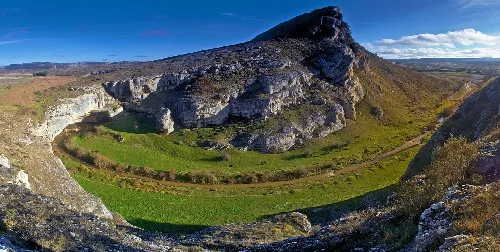
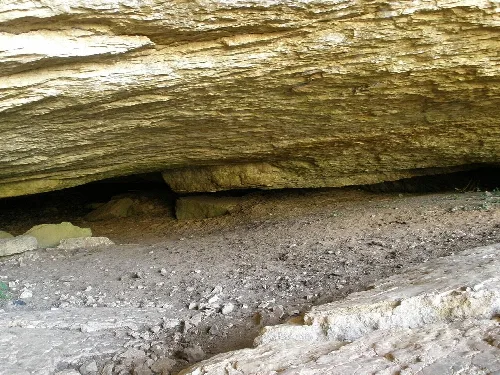
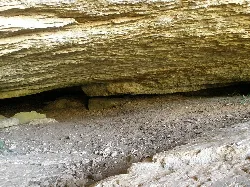
Cueva del Agua, also known as Cueva de los Moros, is a fascinating cave where the river Hurón disappears underground for about four kilometers, re-emerging as the Rudrón River. This large cave is notable for its size and the legends surrounding it, making it a popular site for speleologists. It features a grand entrance and various chambers, including the Sala de las Dunas and Hoya de los Caracoles.
Sights
Cueva del Agua
What is the history of Basconcillos del Tozo?
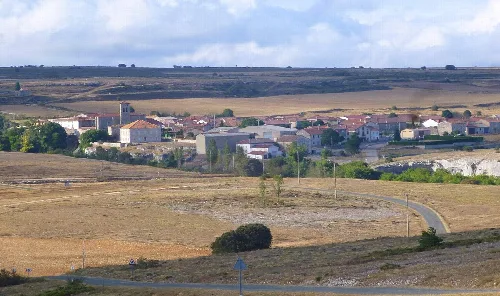
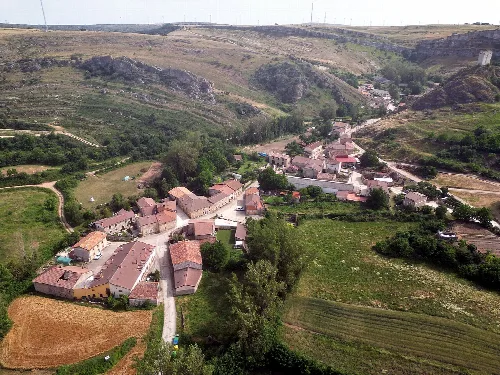
Basconcillos del Tozo has a rich history dating back to the Neolithic period, with archaeological findings indicating human presence around 7000 BC. The first documented mention of the town appears in 1511. It played a role in the repopulation efforts of the region during the 9th century, contributing to the expansion of Castilla.
History
How is the local cuisine in Basconcillos del Tozo?
The local cuisine features traditional products such as artisanal bread, fresh vegetables, and leguminous dishes. Notable dishes include cordero (lamb), chorizos, and morcillas, as well as seasonal treats like hornazo and torrija during Semana Santa. The area is also known for its high-quality potatoes and trouts from the nearby rivers.
Food & drink
What are the main natural attractions near Basconcillos del Tozo?
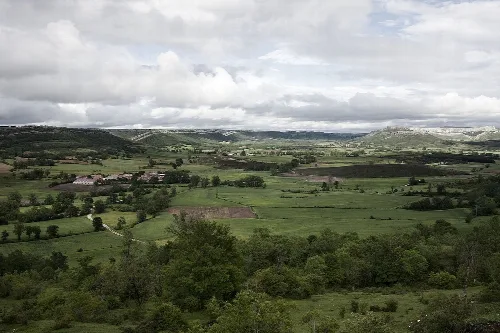
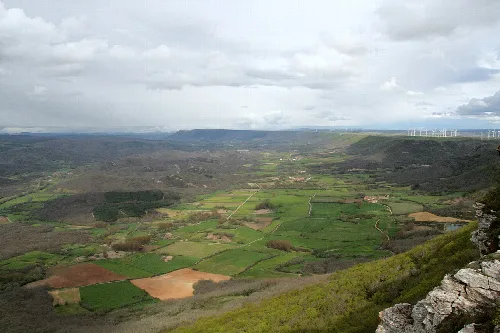
The area is home to the Hoces del Alto Ebro and Rudrón, significant natural spaces featuring impressive geological formations. The river Rudrón, known for its karstic phenomena, creates stunning landscapes and is a habitat for diverse wildlife, making it a great spot for nature enthusiasts.
Nature
What is the significance of the festival on September 26th?
The festival on September 26th celebrates the patron saint San Cosme and San Damián, which is significant for the community. This day is marked by various local festivities, reflecting the cultural heritage and traditions of Basconcillos del Tozo, bringing residents together in celebration.
Festivals & events
How do residents feel about living in Basconcillos del Tozo?
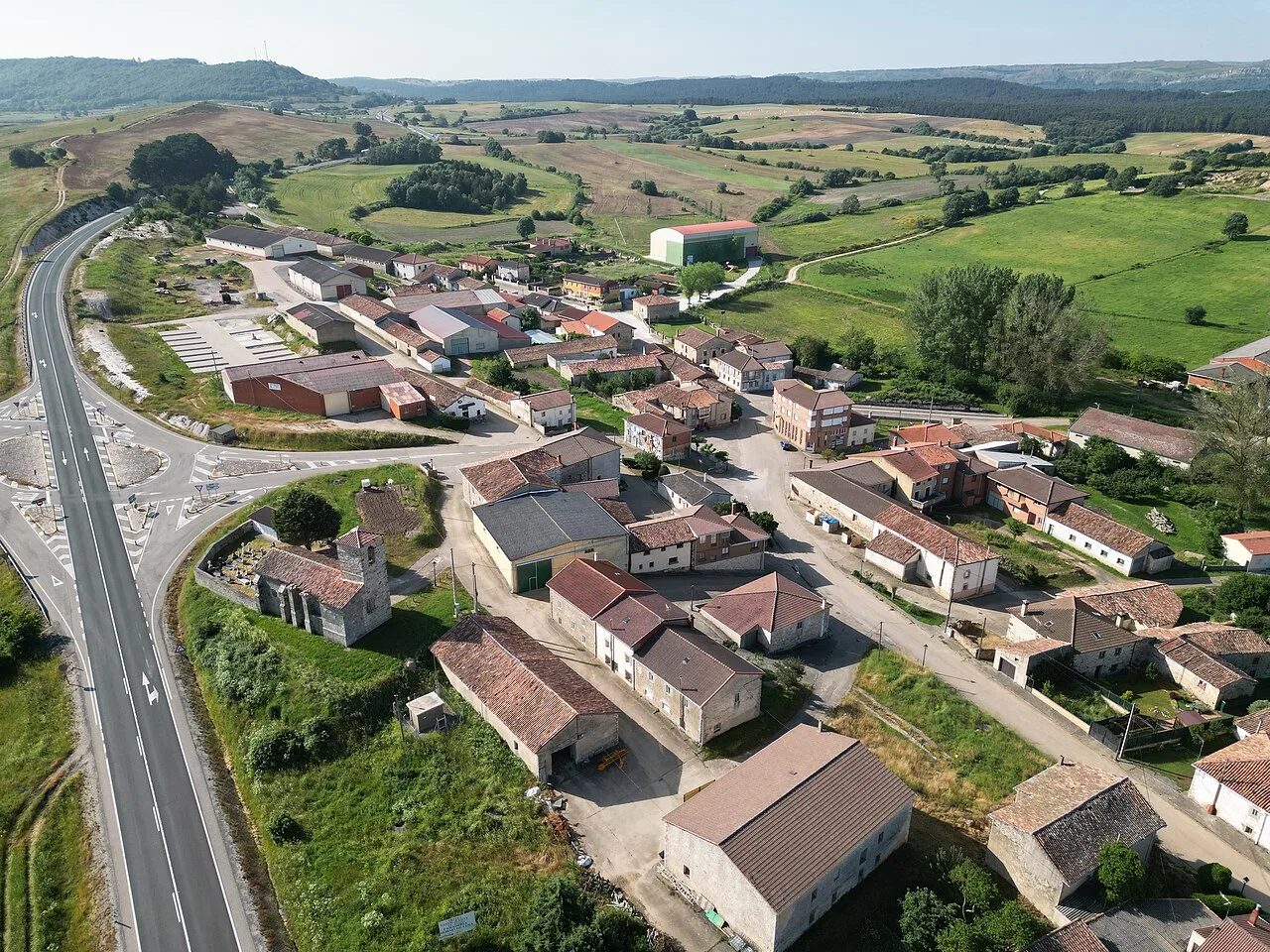
Residents of Basconcillos del Tozo enjoy a close-knit community atmosphere, surrounded by natural beauty. However, challenges such as depopulation and limited economic opportunities have affected the area, leading to a decline in population over the years as younger generations seek opportunities elsewhere.
Living there
For residents
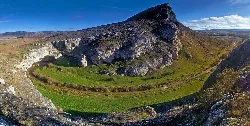
What is the Cueva de Basconcillos del Tozo known for?
Cueva de Basconcillos del Tozo is known for its stunning geological features and the river Hurón that flows through it. The cave is a significant site for speleology, attracting explorers due to its size and the unique natural phenomena associated with it, including various chambers and legends.
Sights
Cueva de Basconcillos del Tozo
What type of climate does Basconcillos del Tozo have?
Basconcillos del Tozo experiences a semi-humid and cold climate, characterized by long, harsh winters with abundant snowfall and short, dry summers. The area also sees significant temperature fluctuations and seasonal rainfall, making it a unique environment for agriculture and local flora.
Nature
For residents
How can I access Basconcillos del Tozo?
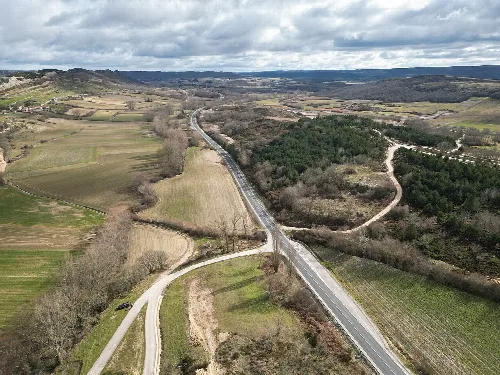
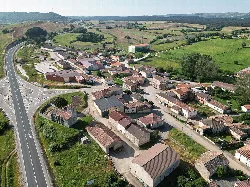
Access to Basconcillos del Tozo is primarily via the National Road N-627, which connects Burgos and Aguilar de Campoo. The village has a well-paved road network, making it relatively easy to reach by car. Public transport options may be limited, so driving is the most convenient way to visit.
Getting there
What is the local economy based on?
The local economy of Basconcillos del Tozo is primarily based on agriculture, with key products including potatoes, cereals, and sheep farming. The region also benefits from a good irrigation system, which supports crop cultivation. Traditional food production, such as artisanal bread and cured meats, is also significant.
Food & drink
For residents
 espana.net