What can you tell me about the Iglesia de San Miguel Arcángel in Fuentelcésped?
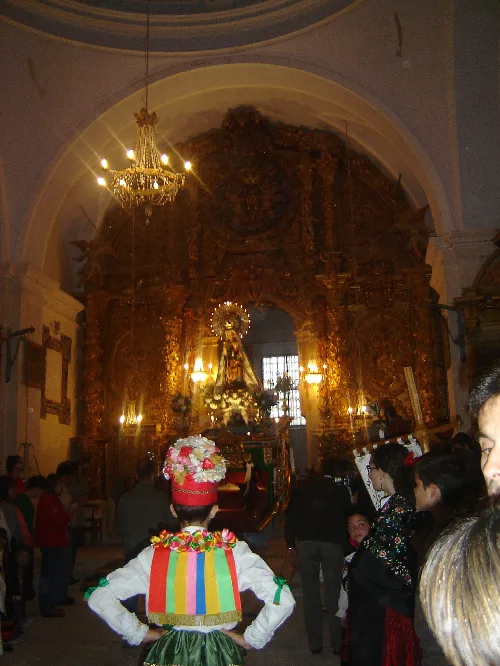
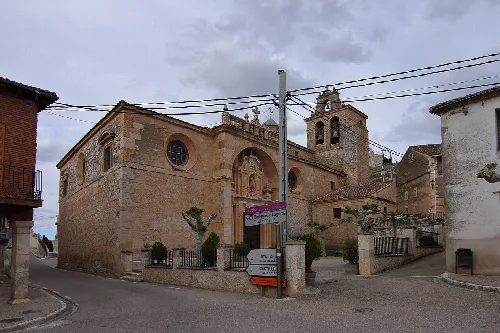
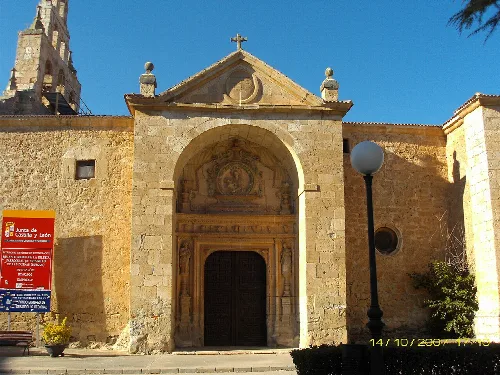
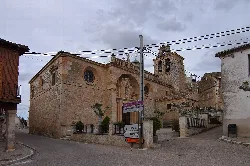
The Iglesia de San Miguel Arcángel is a Baroque church built in the 17th century, featuring three naves and a notable Baroque organ from 1753. Its construction was funded by the local community, and it includes a tower with six bells from various years. The church showcases beautiful stained glass and several chapels with intricate altarpieces, making it a significant landmark in Fuentelcésped.
Sights
Iglesia de San Miguel Arcángel
What is the significance of the Virgen de Nava procession?
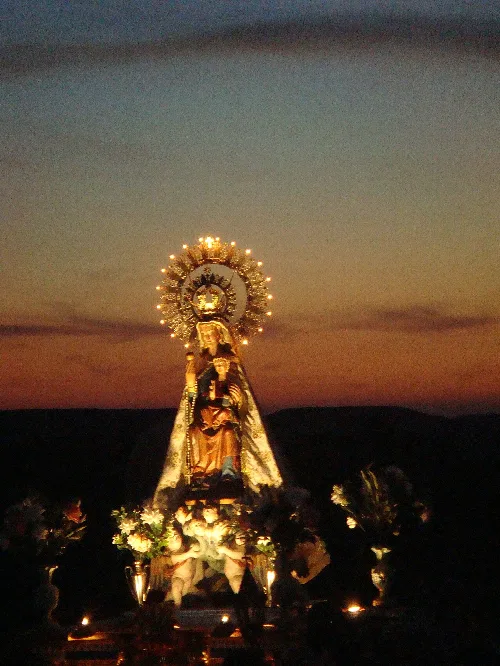
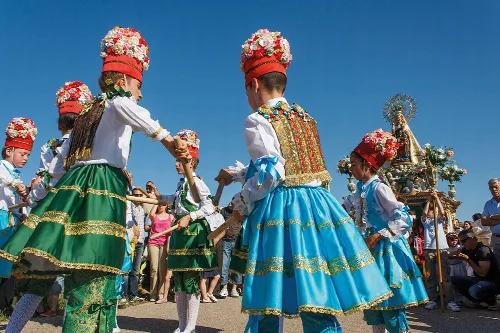
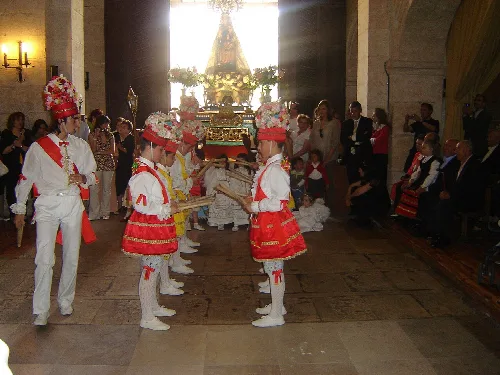
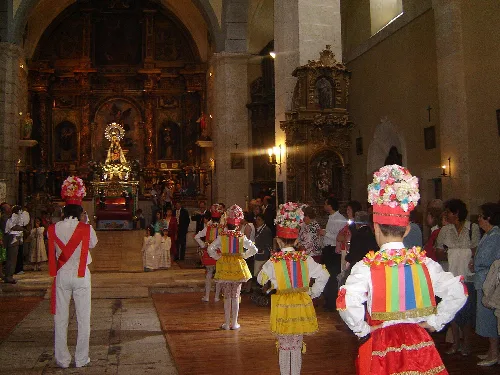
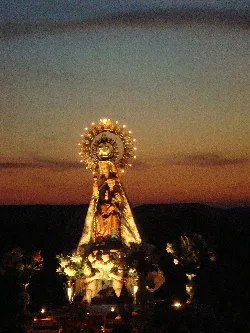
The Virgen de Nava procession occurs on the Sunday closest to June 13, honoring the Virgin with traditional dances and music. This festival, dating back to the 17th century, features children dressed in floral hats dancing with sticks and castanets. It's a vibrant celebration recognized as a National Tourist Interest event, highlighting the cultural heritage of Fuentelcésped.
Festivals & events
Virgen de Nava
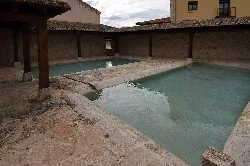
What are the pozas or lavaderos in Fuentelcésped?
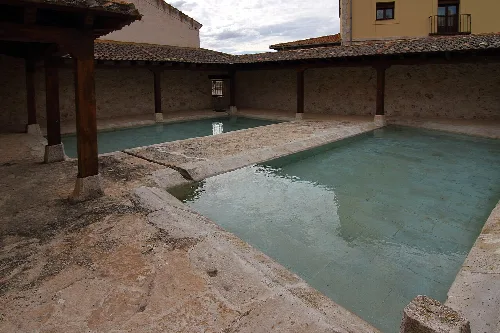
The pozas, or lavaderos, are historical wash basins built in 1783, where locals used to wash clothes. They are covered to protect the washers from the elements and have recently been restored. These structures reflect the traditional practices of the community and serve as a reminder of the village's past.
History
lavaderos
How can I enjoy nature in Fuentelcésped?
You can explore nature by walking the interpretative trail that starts near the municipal fronton and leads to the old train station. This trail takes you through beautiful forests and vineyards, with informative panels along the way. It's a great way to appreciate the local flora and fauna while enjoying the scenic landscape.
Nature
What is the history of the Fuente Grande in Fuentelcésped?
The Fuente Grande, built in 1783, is an important historical fountain with two spouts and a large trough capable of accommodating up to 30 horses. It has maintained a consistent water flow throughout its history, serving as a vital resource for the community and reflecting the village's agricultural heritage.
History
Fuente Grande For residents
What should I know about living in Fuentelcésped?
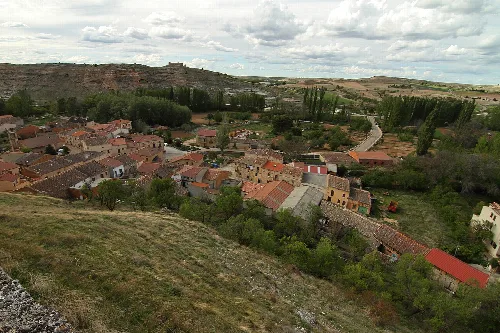
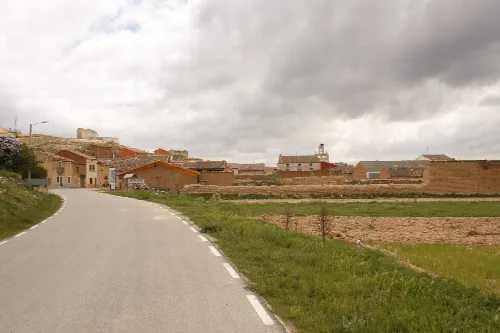
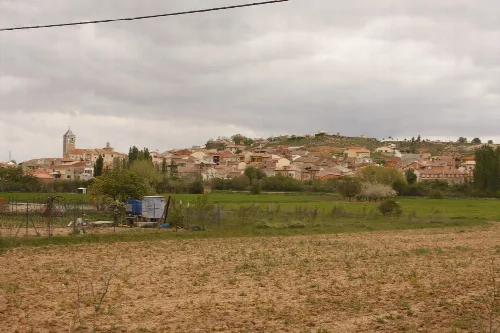
Living in Fuentelcésped offers a quiet lifestyle with a close-knit community of around 290 residents. The village features traditional architecture, local festivals, and access to scenic nature trails. Residents can enjoy a peaceful rural environment while being part of a rich cultural heritage, including historical sites and community events.
Living there
For residents
What are the main architectural features of the houses in Fuentelcésped?
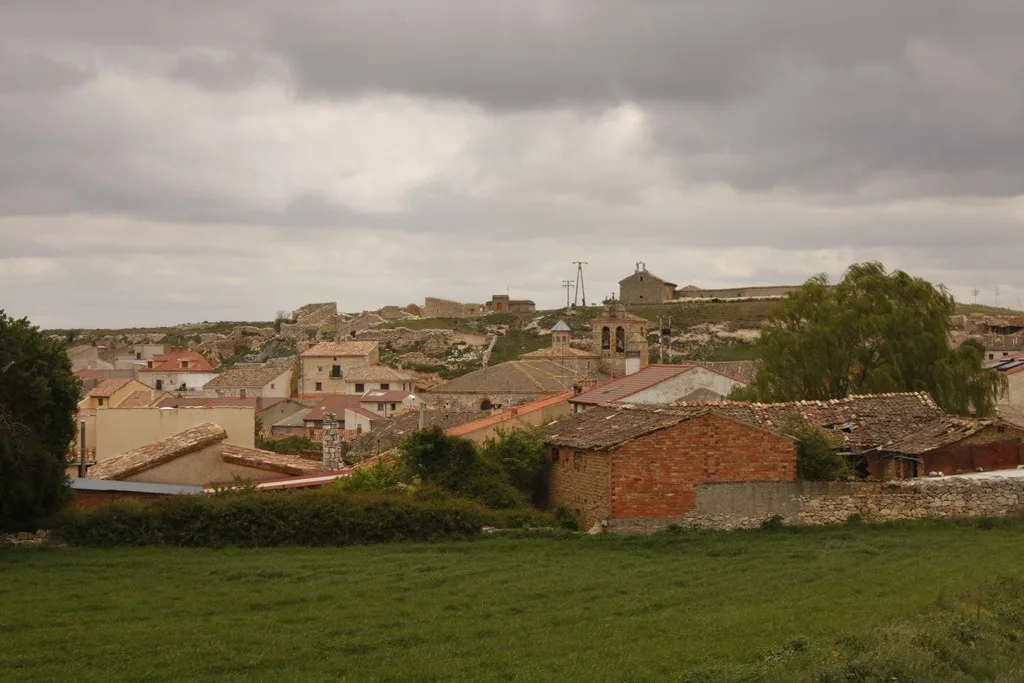
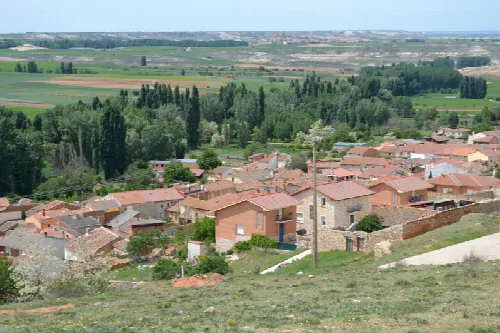
The houses in Fuentelcésped showcase traditional architecture with large solanas (balconies) and intricately carved wooden beams. Many buildings have protective iron railings and distinctive balconies, contributing to the village's unique character and charm, reflecting the local building styles of the Ribera del Duero region.
Sights
What is the Humilladero in Fuentelcésped?
The Humilladero is a devotional structure built in 1618, consisting of a column supporting a cross, designed to encourage piety among travelers. It features a protective templete and serves as a historical landmark, symbolizing the village's religious traditions and the importance of faith in the community.
History
Humilladero
What is the significance of the Semana Santa celebrations in Fuentelcésped?
Semana Santa in Fuentelcésped features unique processions, including a penitential procession on Holy Thursday and the Santo Entierro on Good Friday. These events involve children and adults dressed as nazarenos, carrying religious images, and are marked by music and dramatic performances, reflecting the community's deep-rooted traditions and faith.
Festivals & events
Are there any traditional foods or dishes in Fuentelcésped?
While specific traditional dishes aren't detailed, Fuentelcésped is known for its local culinary offerings, including rosquillas 'de cañada' filled with honey, chocolate, and pine nuts, which are prepared for the Virgen de Nava festival. Local wines from the region are also a highlight, reflecting the agricultural heritage of the area.
Food & drink
 espana.net