What can you tell me about the Palacio Ducal de Lerma?
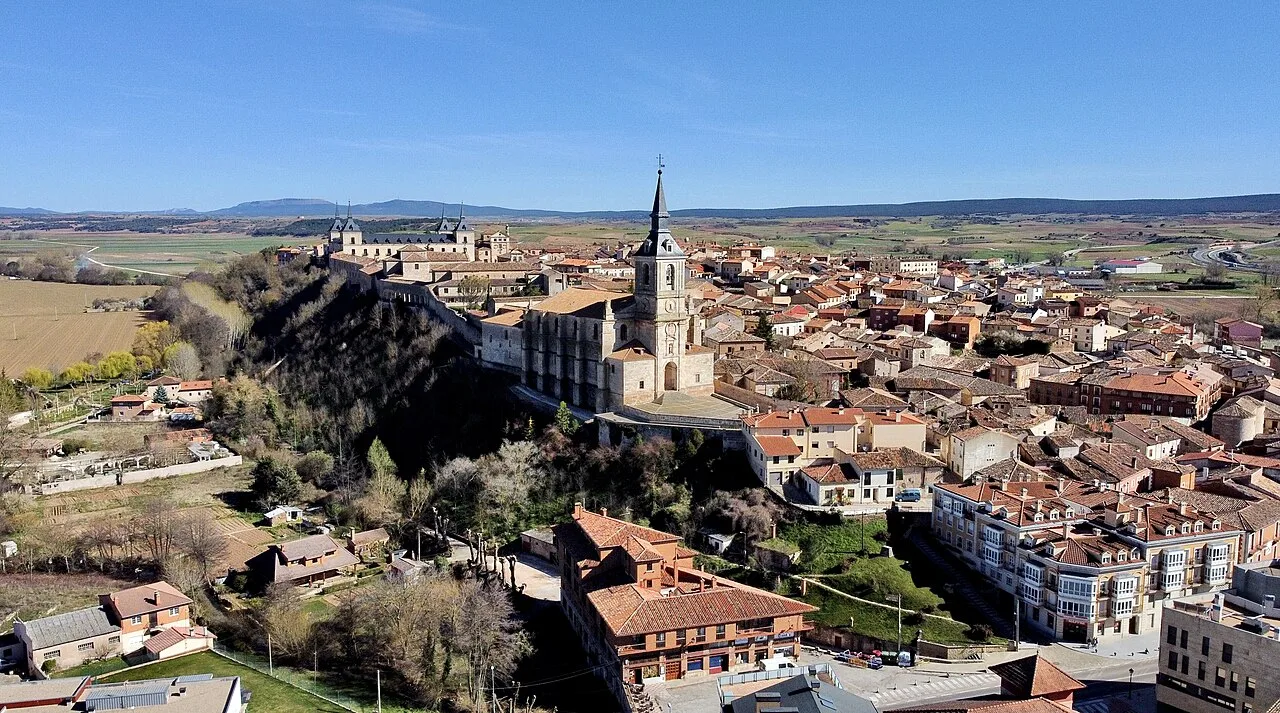
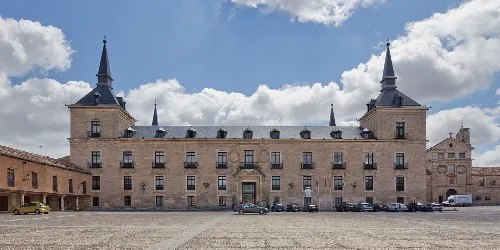
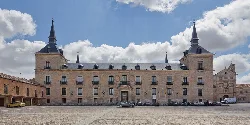
The Palacio Ducal de Lerma, designed by architects Francisco de Mora and fray Alberto de la Madre de Dios, occupies a prominent position in the town's Plaza Mayor. Originally serving as a ducal residence, it was later used as a prison during the Spanish Civil War. Now, it functions as a national parador, renowned as one of the top ten in Spain.
Sights
Palacio Ducal de Lerma
What is the significance of the Plaza Mayor in Lerma?
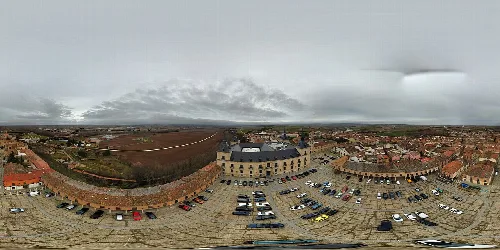
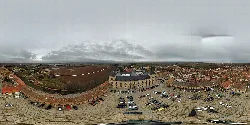
The Plaza Mayor, also known as Gran Plaza, is one of the largest in Spain, covering nearly 7000 m². Historically, it served various purposes, including as a marketplace and a bullfighting arena. Today, it features important monuments, including the Palacio Ducal and the Monastery of San Blas, making it a central hub for visitors.
Sights
Plaza Mayor
What is the history of Lerma?
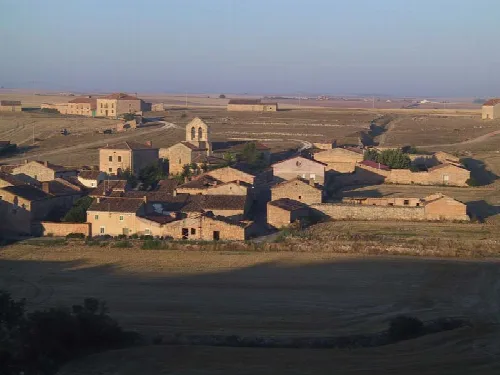
Lerma's history is closely tied to Francisco de Sandoval y Rojas, the first Duke of Lerma, who was a favorite of King Philip III. The town served as a significant court location during the early 17th century. It has been an important stop on the Cañada Real Burgalesa since the Middle Ages, showcasing its historical importance in Spanish culture.
History
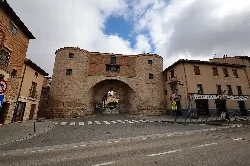
What can I see at the Puerta de la Cárcel?
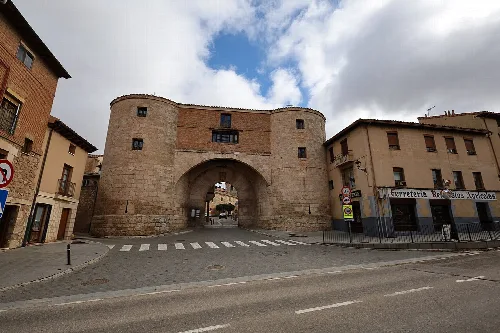
The Puerta de la Cárcel, also known as the Arco de la Cárcel, is the only preserved medieval wall entrance to Lerma. It features two cylindrical towers and was originally built in stone, later modified with brick. Today, it serves as the headquarters for the Denomination of Origin Arlanza, making it both a historical and functional landmark.
Sights
Puerta de la Cárcel
What events are celebrated in Lerma?
Lerma hosts several notable events, including the Fiesta Barroca during the first weekend of August, recognized for its cultural significance. Additionally, the town celebrates its patron festivities on September 8 and the marzas at the end of February, offering rich cultural experiences for both residents and visitors.
Festivals & events
What is the local cuisine like in Lerma?
Lerma is particularly known for its delicious pastries, especially the torta de azúcar, a sweet treat that reflects the local culinary traditions. Visitors can enjoy this specialty in various bakeries throughout the town, making it a delightful experience for those with a sweet tooth.
Food & drink
How is the transportation system in Lerma?
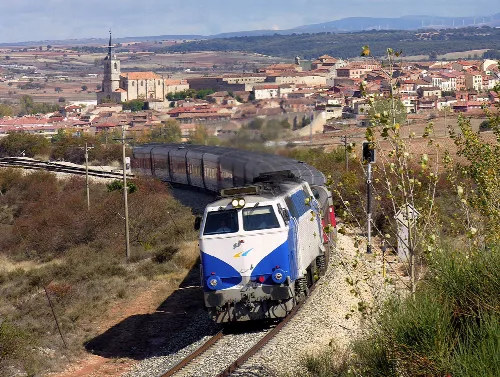
Lerma is well-connected by road, with major routes like the Autovía del Norte and N-I passing through. The town also features a modern bus station that offers daily connections to several northern Spanish cities. While there is no active train service, Lerma is a stop on the Madrid-Burgos line, with proposals for regional train services.
Getting there
For residents
What are the main economic activities in Lerma?
The economy of Lerma primarily revolves around agriculture and tourism, with a growing sector in services. Notably, several prominent companies are based here, contributing to the local economy. The presence of the Denomination of Origin Arlanza also highlights the importance of agricultural products in the region.
Living there
For residents
Can you tell me about the convents in Lerma?
Lerma is home to three convents of cloistered nuns, which host over a hundred religious women. These include the Carmelite convent of Mother Maravillas, the Dominican convent, and the Iesu Communio monastery. Each plays a significant role in the community, contributing to the town's spiritual and cultural fabric.
History
For residents
What makes Lerma one of the most beautiful towns in Spain?
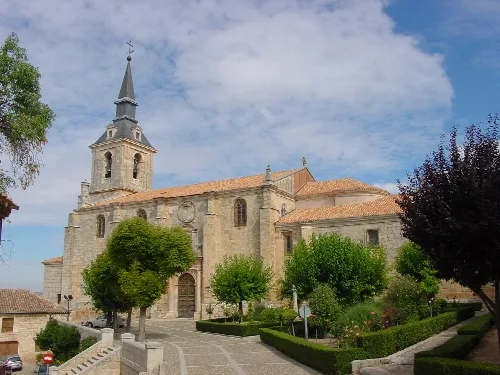
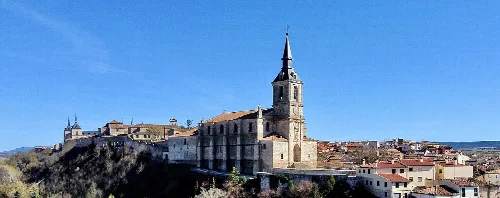
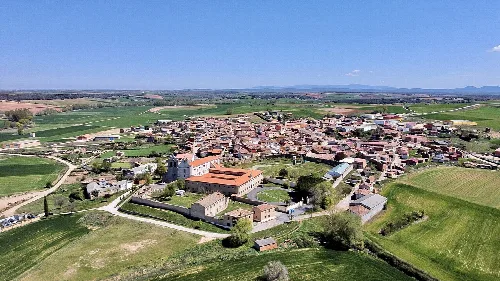
Lerma was recognized as one of the Most Beautiful Towns in Spain in 2017, thanks to its well-preserved historical architecture, including the grand Plaza Mayor and the Palacio Ducal. The town's picturesque setting and rich cultural heritage, combined with its historical significance, contribute to its charm and appeal.
Sights
 espana.net