What is the history behind the Ermita de la Virgen del Encinar?
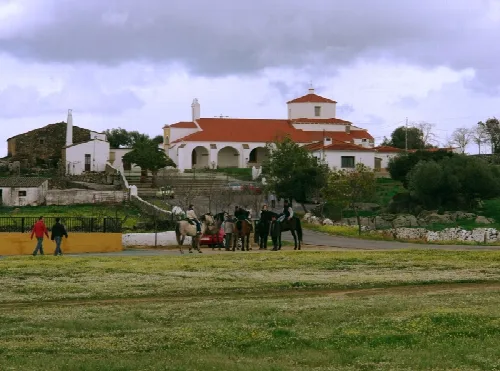
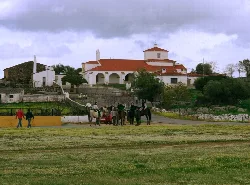
The Ermita de la Virgen del Encinar, located 2 km north of Ceclavín, was built in the 18th century and is dedicated to the patron saint of the village. Its origins trace back to Roman times, with two nearby Roman inscriptions still preserved. A local legend tells of a man who, after making a fortune in Bolivia, built the chapel in honor of his deceased wife, marking its cultural significance.
History
Ermita de la Virgen del Encinar
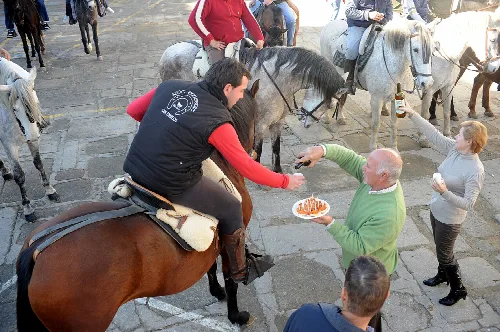
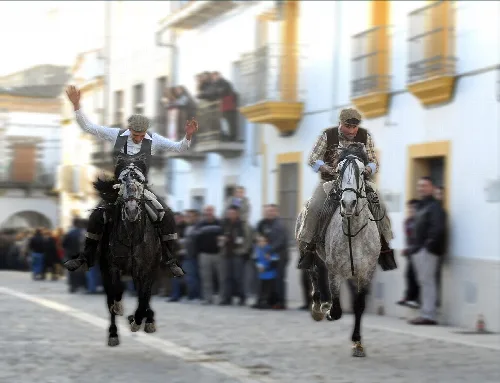
What is the significance of the Día de los Caballos in Ceclavín?
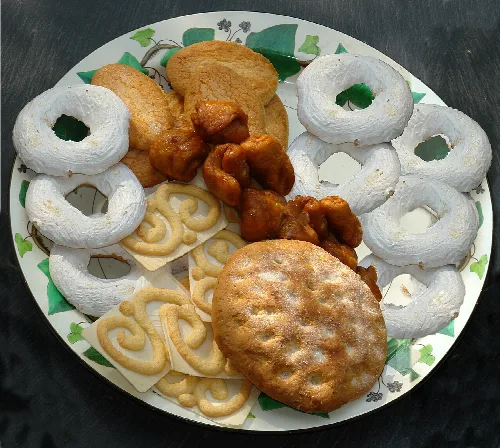
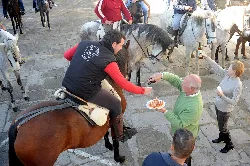
The Día de los Caballos is a local festival celebrated in Ceclavín, showcasing the region's equestrian culture. During this event, participants often offer traditional food and drink, such as patateras and vino de pitarra, creating a festive atmosphere that highlights the community's agricultural and culinary heritage.
Festivals & events
What are some traditional dishes I should try in Ceclavín?
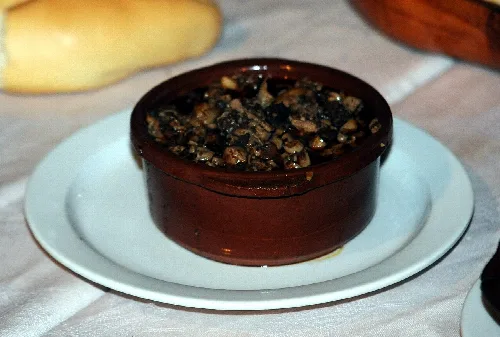
Ceclavín boasts a rich culinary tradition. Some must-try dishes include chanfaina, cochifrito, and migas, alongside unique local specialties like gazpacho de poleo and mojo de patatas. For dessert, don't miss the leche frita and tocino de cielo, which reflect the area's gastronomic heritage.
Food & drink
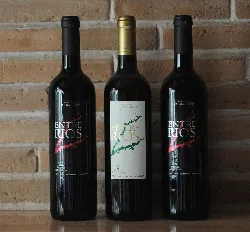
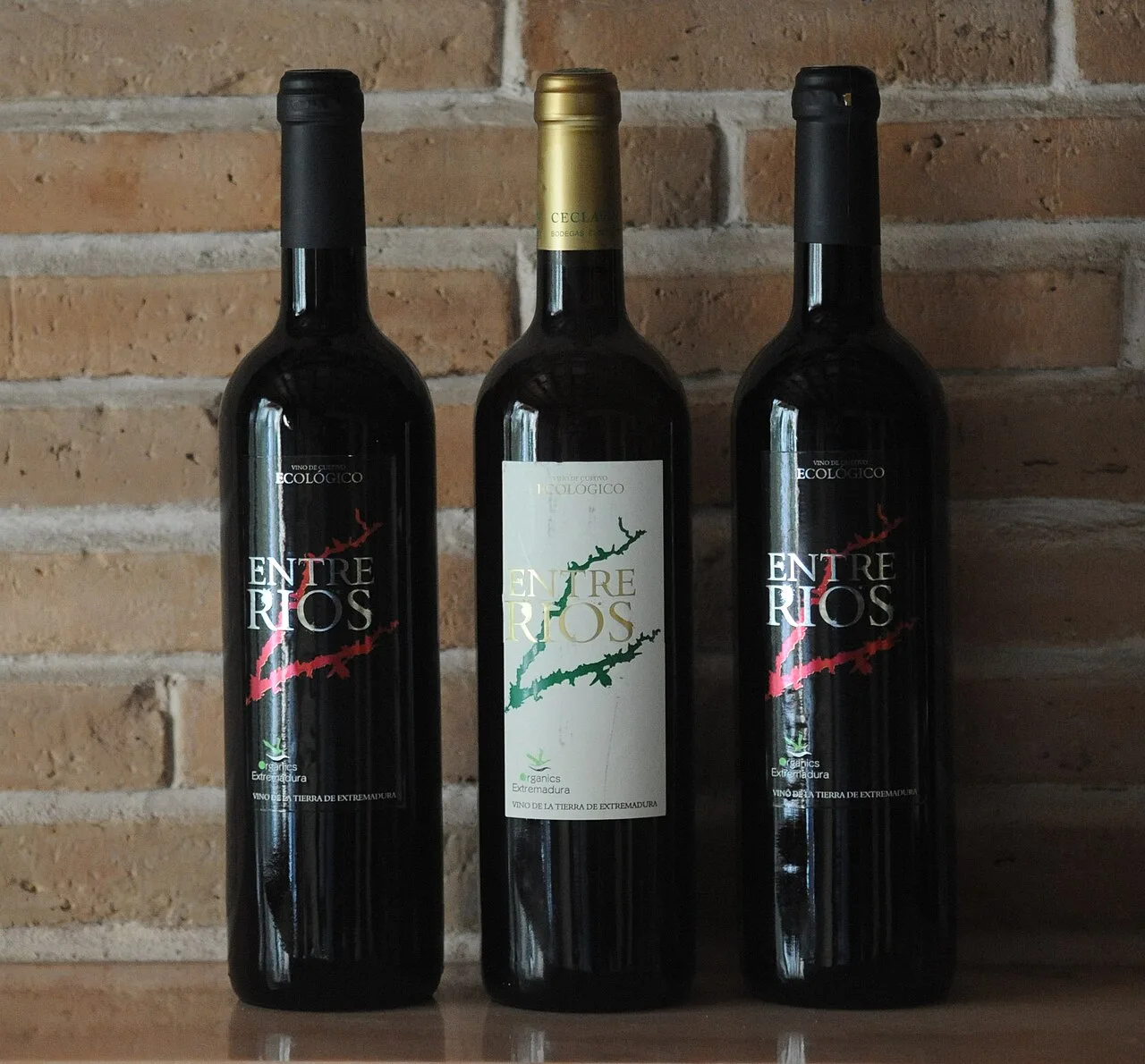
What can you tell me about the local wine from Ceclavín?
Ceclavín is renowned for its wine, particularly the traditional vino de pitarra, which has a long history dating back to Roman times. The wine is produced in small family-run bodegas, and it is known for its artisanal methods. The region's vineyards are celebrated for their quality, even having been favored by historical figures like Emperor Charles V.
Food & drink
How many inhabitants does Ceclavín have?
As of 2025, Ceclavín has a population of 1,769 residents. This small community is part of the province of Cáceres in the Extremadura region, contributing to its charm as a rural destination.
Living there
For residents
What is the architectural style of the church in Ceclavín?
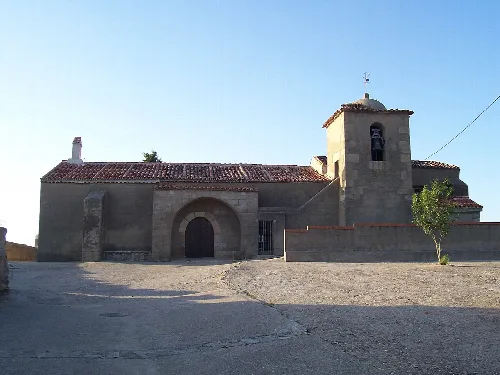
The church of Nuestra Señora del Olmo in Ceclavín showcases late Gothic architecture, with its construction beginning in 1495 and completed in 1557. It features a remarkable Renaissance altarpiece and a Baroque organ, making it a significant historical and artistic site in the area.
Sights
Iglesia parroquial de Nuestra Señora del Olmo
What are the main natural features surrounding Ceclavín?
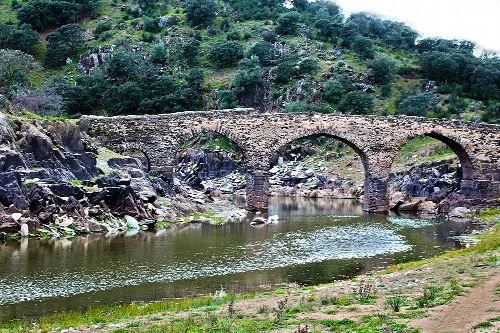
Ceclavín is situated on a peninsula formed by the confluence of the Alagón River and the Fresnedosa stream, creating a scenic natural landscape. The area is characterized by its diverse flora and fauna, making it ideal for nature walks and outdoor activities.
Nature
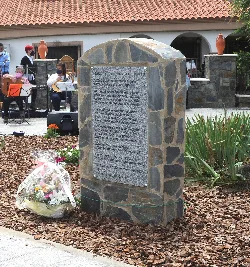
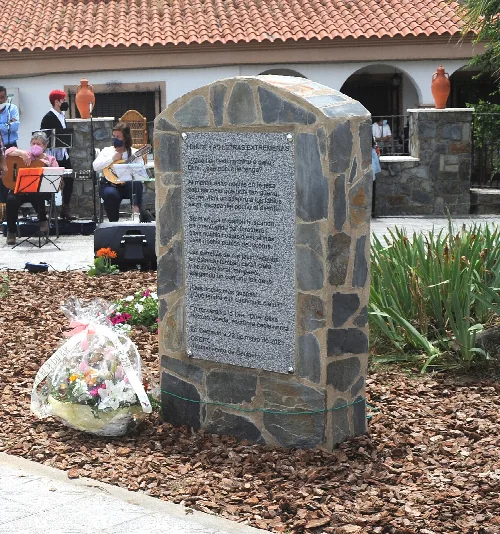
What is the significance of the Monumento a Elisa Herrero Uceda?
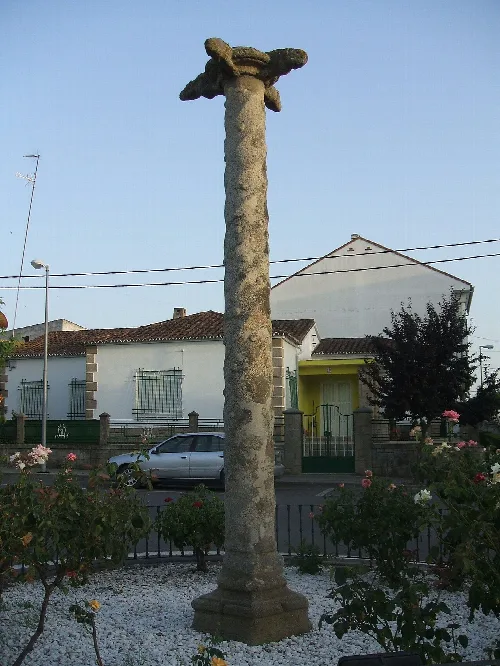
The Monumento a Elisa Herrero Uceda in Ceclavín honors the local poet and her contributions to literature. This tribute reflects the village's appreciation for its cultural figures and the importance of preserving local heritage through poetry and the arts.
Sights
Monumento a Elisa Herrero Uceda
What is the climate like in Ceclavín?
Ceclavín experiences a Mediterranean climate, with temperatures ranging from 10 to 40 °C throughout the year. The average annual temperature is about 17.5 °C, and precipitation typically varies between 500 and 800 mm annually, contributing to the region's agricultural productivity.
Practical
For residents
What are the main local festivities in Ceclavín?
Ceclavín hosts several local festivities throughout the year, including the Hoguera de San Antón on January 16, the Romería de San Marcos on April 25, and the Fiesta del Emigrante on August 15. These events celebrate local traditions and foster community spirit among residents and visitors alike.
Festivals & events
 espana.net