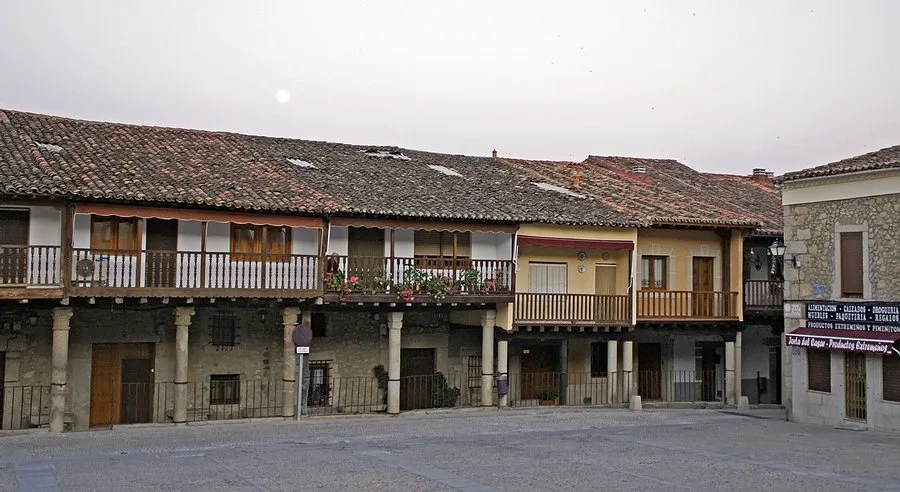
What is the Plaza Mayor in Cuacos de Yuste like?
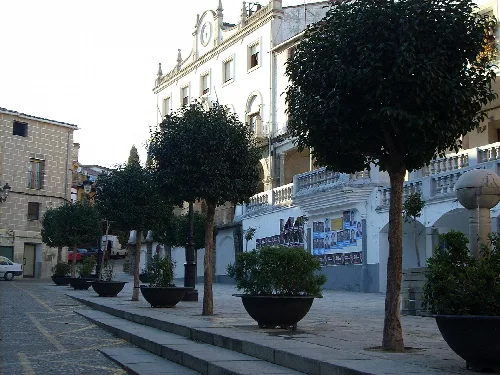
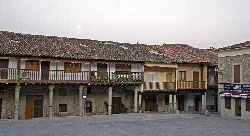
The Plaza Mayor is a charming square characterized by its traditional architecture, featuring porticoes supported by stone columns. Some of these columns were repurposed from the nearby Monastery of Yuste. The square is a central gathering place, showcasing the unique architectural style of the region, with colorful houses and the town hall adding to its appeal.
Sights
Plaza Mayor
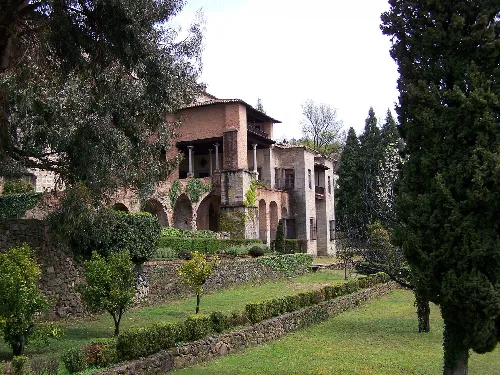
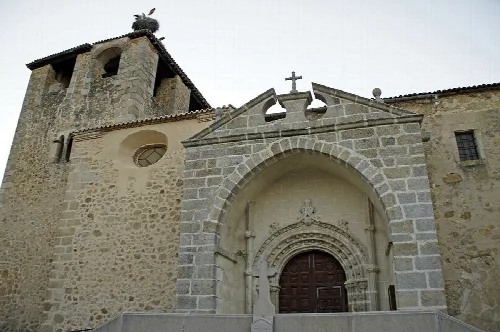
What can you tell me about the Monastery of Yuste?
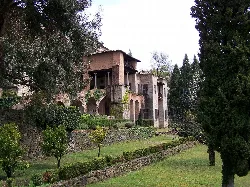
The Monastery of Yuste is the main monument in Cuacos de Yuste, historically significant as the retirement place of Emperor Charles I of Spain. It was once a prominent site for the Order of Saint Jerome and currently houses Paulist monks. The monastery is part of Spain's National Heritage and offers a glimpse into the region's rich history.
History
Monastery of Yuste
Is Cuacos de Yuste a good place to live?
Cuacos de Yuste offers a peaceful lifestyle with a small population of 809 residents. The economy is primarily based on agriculture and tourism, particularly due to its historical significance. The town has essential services like a public school and a primary healthcare center, making it a practical choice for families seeking a quieter environment.
Living there
For residents
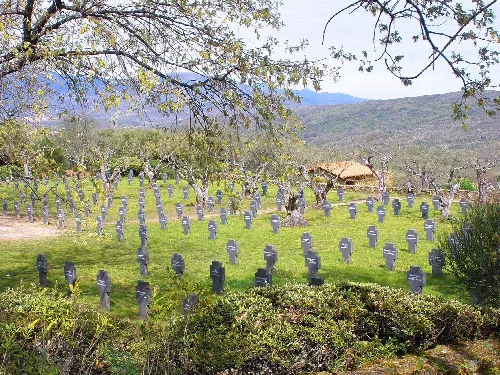
What is the significance of the Cemetery of Yuste?
The Cemetery of Yuste is notable for being the resting place of German soldiers from both World Wars who died in Spain. Located near the Monastery of Yuste, it serves as a historical site commemorating the impact of these conflicts on the region. It is a place of remembrance and reflection, particularly during commemorative events.
History
Cemetery of Yuste
What kind of food is popular in Cuacos de Yuste?
Cuacos de Yuste is known for its delicious local cuisine, including dishes like caldereta de cabrito, gazpacho, and migas veratas. The region also boasts the famous Pimentón de la Vera, a smoked paprika with a protected designation of origin. Visitors can enjoy artisanal cheeses, local wines, and traditional sweets like perrunillas.
Food & drink
What events are celebrated in Cuacos de Yuste?
Cuacos de Yuste hosts several vibrant festivals throughout the year. Notable events include the Carnival, where children dress up and collect treats, and the Virgen de Agosto, celebrating the emigrant community with traditional bullfighting. The Cristo del Amparo festival features processions and local dances, showcasing the town's cultural heritage.
Festivals & events
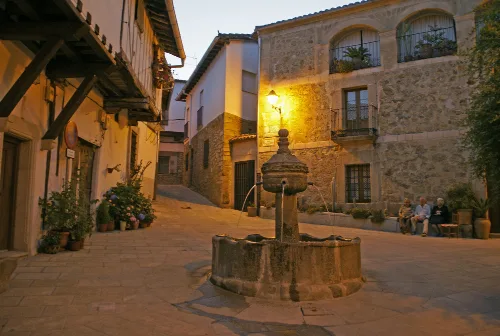
What is the Fuente de los Chorros?
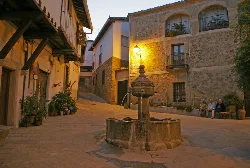
The Fuente de los Chorros is a picturesque fountain located in Cuacos de Yuste, known for its charming ambiance, especially at night. This fountain is a popular spot for both locals and visitors, providing a serene setting to relax and enjoy the beauty of the town's historic architecture and natural surroundings.
Sights
Fuente de los Chorros
How did Cuacos de Yuste get its name?
Cuacos de Yuste was originally known as 'Cuacos' and was granted the title of villa in 1806. The name 'Cuacos de Yuste' was adopted in the 1960s, reflecting its historical connection to the Monastery of Yuste, where Emperor Charles I spent his final years. This change emphasizes the town's cultural heritage and significance.
History
For residents
What natural attractions are near Cuacos de Yuste?
Near Cuacos de Yuste, visitors can explore beautiful natural areas like Las Ollas, known for its unique rock formations shaped by water. The region also features Valfrío, a picturesque landscape of deciduous forests that attract tourists, especially in spring and autumn, offering stunning views and opportunities for outdoor activities.
Nature
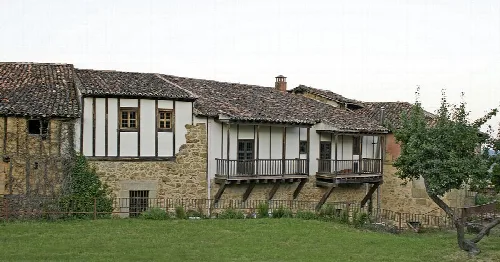
What is the Casa de Juan de Austria?
The Casa de Juan de Austria is a historical building in Cuacos de Yuste, linked to the life of Juan de Austria, the illegitimate son of Emperor Charles I. This structure showcases traditional Verata architecture and serves as a reminder of the town's royal connections, making it a point of interest for history enthusiasts.
Sights
Casa de Juan de Austria
 espana.net