What can you tell me about the history of Madroñera?
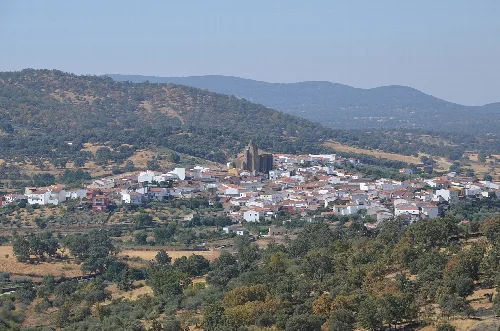
Madroñera likely originated in the late Middle Ages as part of Trujillo's territory after its reconquest. A local legend suggests that beekeepers from Serradilla repopulated the area. Although the exact founding year is unknown, it was recognized as a village in 1551. It became a municipality in 1834 and has a rich history tied to various noble families throughout the centuries.
History
What is the Mona del Rollo?
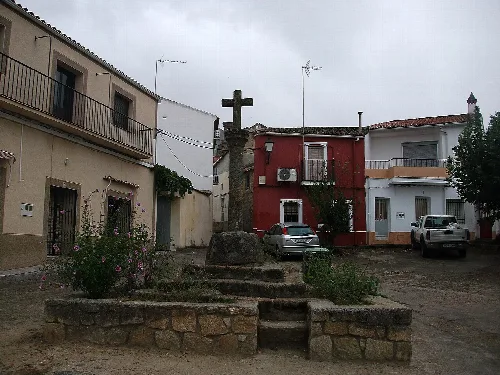
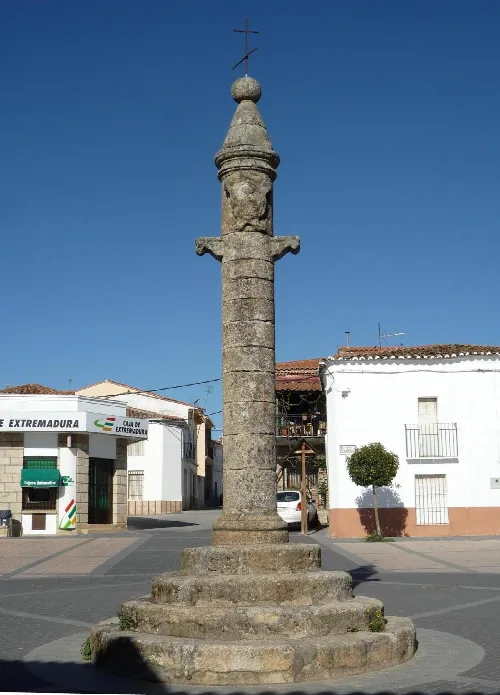
The Mona del Rollo, or Picota, is a significant historical monument in Madroñera from the 16th century. It features coats of arms from the local nobility and symbolizes the village's heritage. This structure is an important landmark reflecting the town's historical significance and is a point of interest for visitors exploring local culture.
Sights
Mona del Rollo
What wildlife can I expect to see in Madroñera?
Madroñera is home to diverse wildlife, including birds like partridges, doves, and ducks. Mammals such as hares, rabbits, wild boars, and foxes are also common. The area's water bodies host fish species like tench and carp, making it a great spot for nature enthusiasts and those interested in local fauna.
Nature
What are the traditional costumes like in Madroñera?
In Madroñera, traditional women's costumes feature a colorful refajo, a wool scarf, and a velvet or satin bodice, complemented by embroidered aprons and decorative jewelry. Men's attire includes a white shirt with a black vest and knee-length trousers, showcasing the region's rich cultural heritage and craftsmanship.
Living there
For residents
What is the significance of the 'kintos' festival?
The 'kintos' festival is a traditional celebration in Madroñera where young men bid farewell to their village before military service. It includes family gatherings, religious ceremonies, and lively street festivities. The event reflects the community's historical customs and provides a unique insight into local culture.
Festivals & events
kintos
Can you tell me about the Niñeras festival?
The Niñeras festival takes place on Christmas Day, where single women aged 15 and older dress in traditional attire and carry the Baby Jesus from house to house. This unique custom, which honors the shepherds who adored the Christ child, has been celebrated for over 150 years and fosters a strong sense of community spirit.
Festivals & events
Niñeras
What is the local cuisine like in Madroñera?
Madroñera's cuisine features traditional dishes such as 'frite,' a fried dish, and 'gazpacho,' a cold soup. The village is known for its rich culinary heritage, often enjoyed during local festivals and family gatherings. Visitors can experience authentic flavors that reflect the region's agricultural traditions.
Food & drink
What are the main agricultural products in Madroñera?
Madroñera's agricultural landscape is characterized by olive groves and farmland. The region's climate supports the cultivation of various crops, including olives, which are a staple in local cuisine. This agricultural focus contributes significantly to the village's economy and cultural identity.
Living there
For residents
What is the significance of the 'Día de Extremadura'?
The 'Día de Extremadura' is celebrated on September 8 in Madroñera, marking a day of regional pride. The festivities include singing the regional anthem, raising flags, and enjoying traditional food and dances. This event fosters community spirit and strengthens local identity among residents.
Festivals & events
For residents
What can you tell me about the local flora in Madroñera?
Madroñera's vegetation is typical of Mediterranean forests, featuring species such as holm oaks, cork oaks, and chestnuts. The presence of madroños, which give the town its name, adds to the area's natural beauty. This diverse flora supports local wildlife and enhances the landscape.
Nature
 espana.net