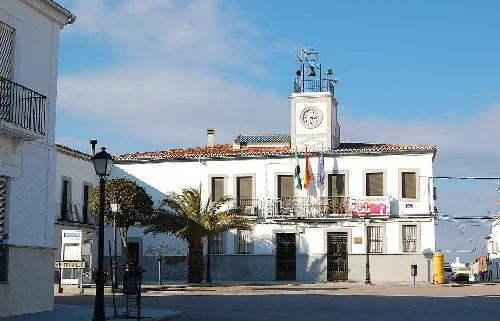
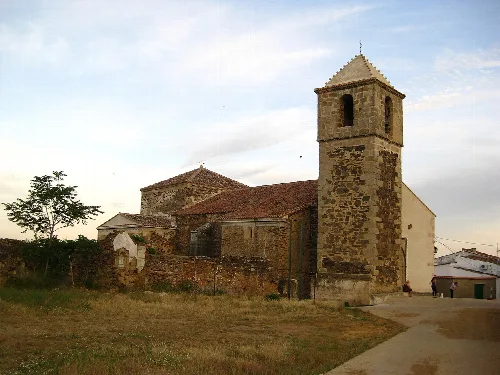
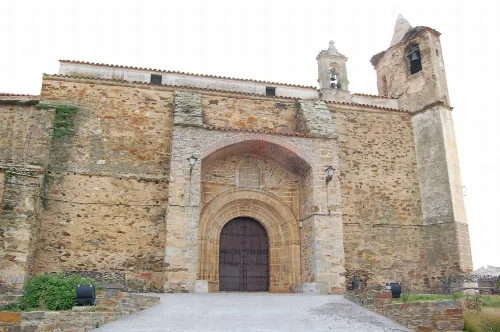
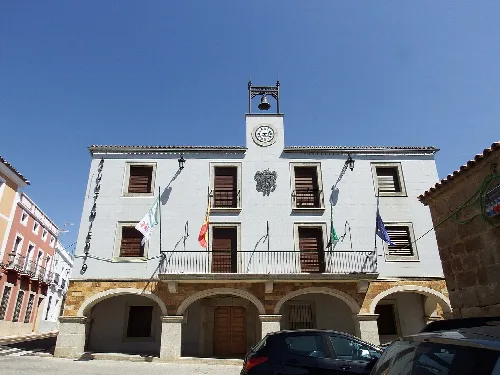
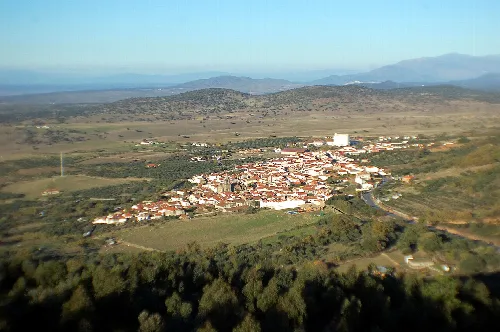
Talaván is a municipality located in the province of Cáceres, Extremadura, Spain. Characterized by its rich history and agricultural roots, it is part of the Cuatro Lugares region and features natural spaces like the embalse de Talaván.
02Geography
Talaván is situated in the central part of Cáceres province, within the autonomous community of Extremadura. It is part of the Cuatro Lugares region, which includes neighboring municipalities such as Hinojal, Monroy, and Santiago del Campo. The town is located at an elevation of 367 meters and spans an area of 98 km².
Distance to Cáceres
33 km
03History
The history of Talaván dates back to prehistoric times, with evidence of human presence from the Lower Paleolithic and Neolithic periods. The first known settlements were Iron Age villages, followed by Roman influence, as seen in archaeological finds like the estela de Talaván.
1167 Conquered by Fernando II of León, given to the Order of the Temple.
1225 Re-conquered by Alfonso IX, returned to the Templars.
1309 Incorporated into the Señorío de Monroy.
1458 Established as an independent villa under the Señorío de Talaván.
1837 Abolition of the feudal system.
Explore Talaván, a historic municipality in Cáceres, Extremadura, known for its agricultural roots and natural beauty.
04Economy
Traditionally, Talaván's economy has been agrarian, but recent years have seen growth in construction and services. The presence of facilities such as a school, a senior residence, and a health center has contributed to this development.
Main economic activities
Agriculture, construction, services.
Local facilities
School, health center, senior residence.
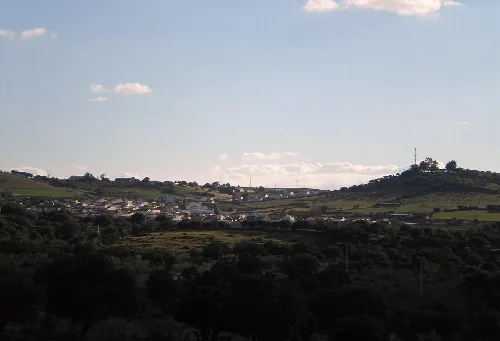
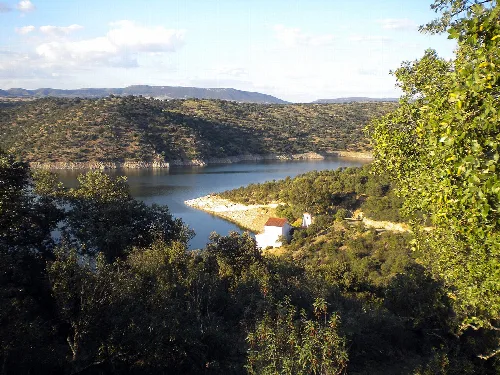
View of Talaván from the road to the Tajo River in Extremadura, with houses and hills on the horizon.Riberos del Tajo and the hermitage of Nuestra Señora del Río in Talaván, with views of the river and surrounding hills.
05Natural Environment
The municipality is characterized by its diverse natural environment, including the embalse de Talaván, which is a significant water reservoir in the region. The area is also home to various rivers and streams, contributing to its ecological richness.
Main water bodies Río Tajo, Río Almonte, Arroyo Talaván.
Significant natural site Embalse de Talaván.
06Flora and Fauna
Talaván's vegetation primarily consists of evergreen sclerophyllous forests, with species such as Quercus ilex and Olea europaea. The area supports diverse wildlife, including various mammals, birds, and reptiles.
Common flora Encina, acebuche, enebro.
Notable fauna Liebre, conejo, zorro, águila.
07Cultural Aspects
The local culture of Talaván is reflected in its traditions and historical significance. The town has a unique identity, with a gentilicio of talavaniega or talavaniego, and a coat of arms that symbolizes its rich heritage.
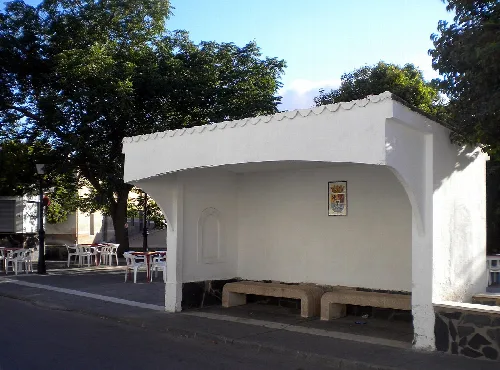
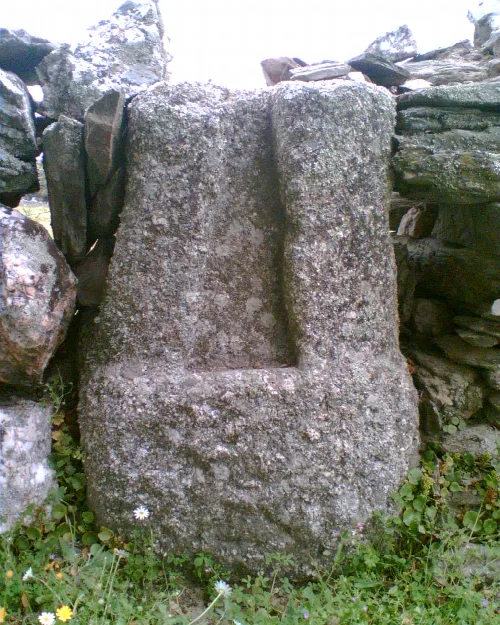
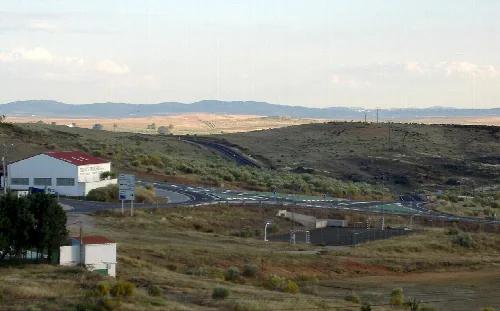
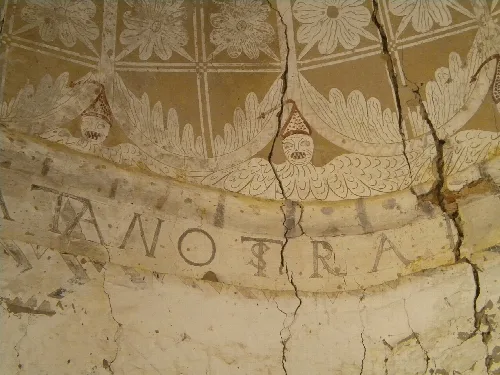
Portrait of Pedro de Alcántara Téllez-Girón y Pacheco, IX Duke of Osuna, with a brown background and elegant clothing.Bus stop at Plaza del Árbol in Talaván, with benches and trees in the background.Remains of a pre-Roman settlement in Mailla, Talaván, with a carved stone in the foreground.Intersection of roads EX-373 and CC-41 at the entrance of Talaván, Extremadura.Esgrafiado decorations on the vault of the Hermitage of Santo Cristo in Talaván
Frequently asked questions
What can I see from the hill of the Calvary in Talaván?
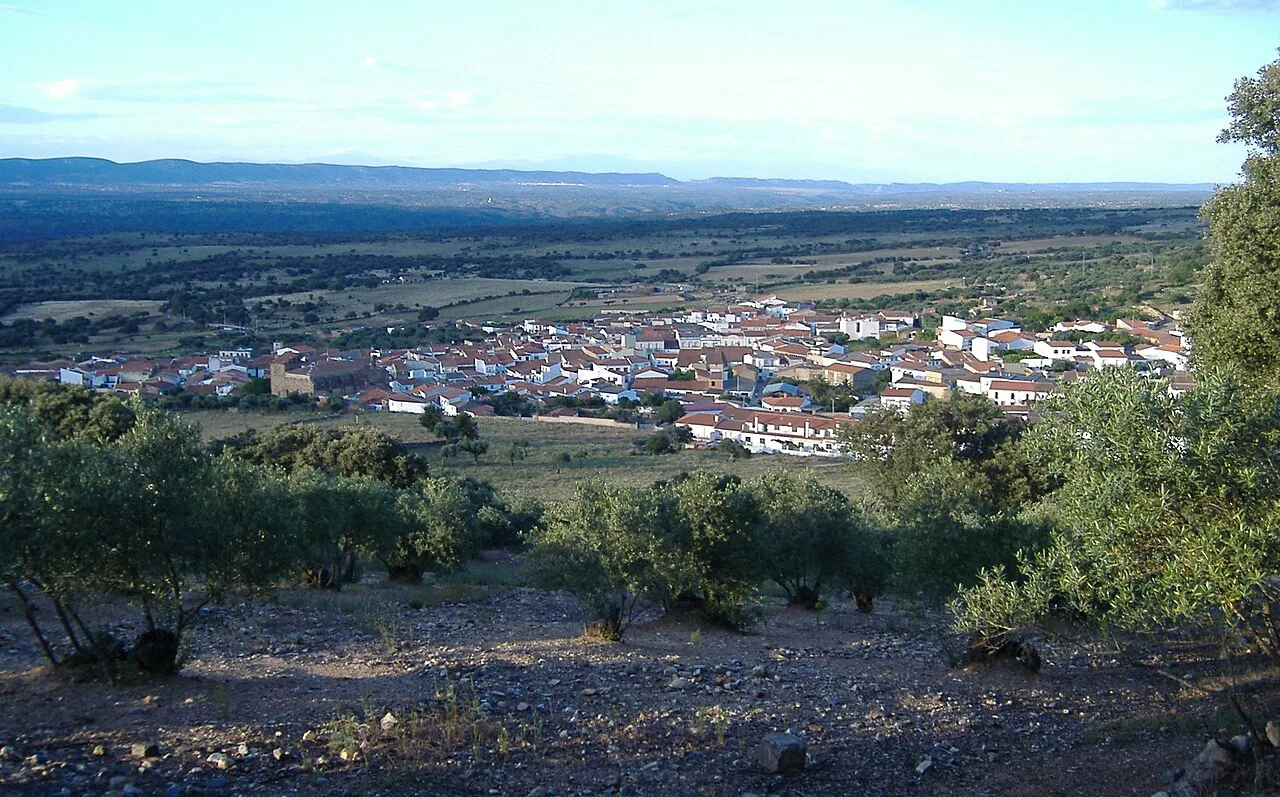
From the hill of the Calvary, you can enjoy a panoramic view of Talaván and its surrounding landscape. The sight offers a glimpse of the traditional white buildings and the natural beauty of the region, making it a perfect spot for photography and relaxation.
What is the significance of the embalse de Talaván?
The embalse de Talaván is an important natural resource for the area, providing water to nearby towns. It is located within the context of the Monfragüe National Park, making it a vital ecological zone and a popular spot for nature lovers and outdoor activities.
In Talaván, you can explore remnants from the Paleolithic and Neolithic periods, as well as Iron Age settlements. Notable sites include the castros of Quiebracántaros and La Torrecilla, which reflect the area's rich history and early human habitation.
Talaván's economy has traditionally been agrarian, but recent years have seen growth in construction and services. The presence of facilities like a school and a health center has contributed to this shift, alongside initiatives from local communities.
Talaván hosts various local festivals that celebrate its cultural heritage. These events often include traditional music, food, and community gatherings, showcasing the vibrant local culture and fostering community spirit.
In the Talaván area, you can encounter various wildlife, including mammals like rabbits and foxes, as well as numerous bird species such as the common stork and eagle. The region's diverse ecosystems support a rich variety of fauna.
Talaván has a Mediterranean continental climate, characterized by hot, dry summers and cold winters. Average temperatures range from around 27 °C in July to about 7 °C in December, with annual precipitation between 500 and 700 mm.
What are the main transportation options to reach Talaván?
Talaván is conveniently located near the Autovía Ruta de la Plata A-66, facilitating access to the region. Public transportation options may include buses connecting to nearby cities, making it easier for visitors to reach the town.
The flora of Talaván is primarily composed of evergreen sclerophyllous forests, featuring species like the holm oak and wild olive. These plants thrive in the region's climate and contribute to the area's biodiversity.
What are the characteristics of the local architecture in Talaván?
The local architecture in Talaván features traditional whitewashed buildings that reflect the region's cultural heritage. The design often incorporates elements suited to the Mediterranean climate, contributing to the town's charming aesthetic.
 espana.net