What can you tell me about the history of Moral de Calatrava?
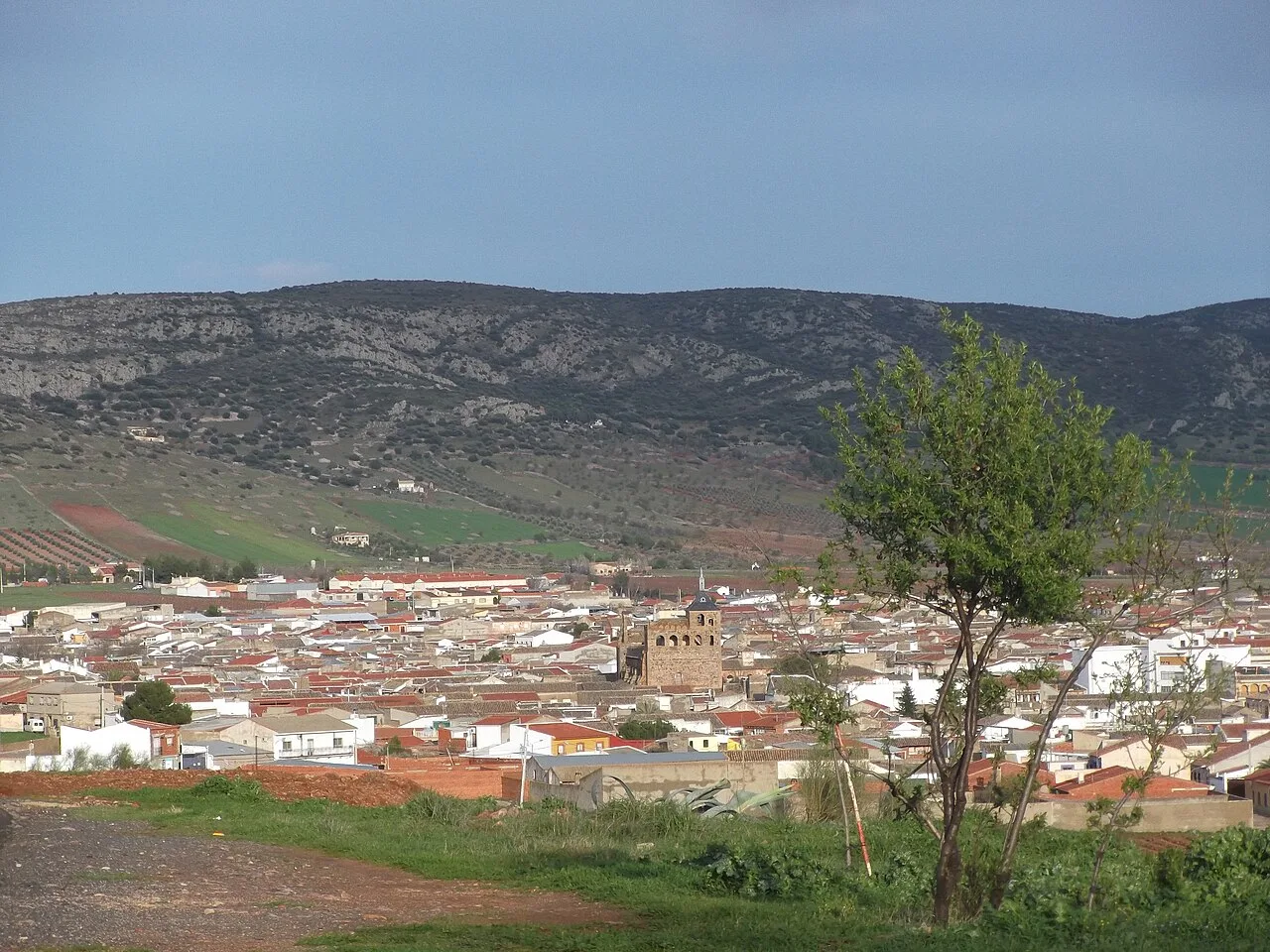
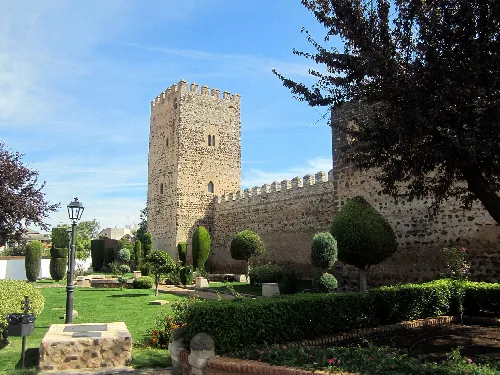
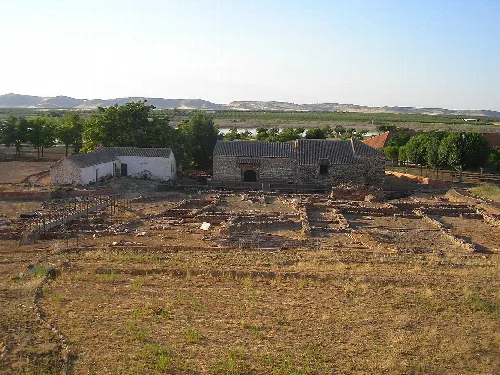
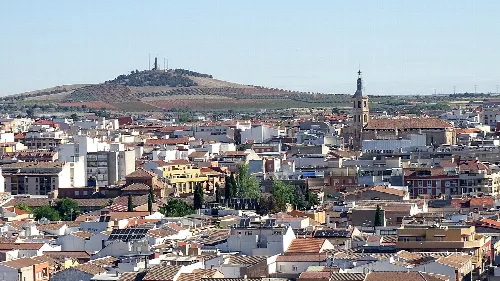
Moral de Calatrava has a rich history dating back to the Paleolithic era, with evidence of early human habitation. The area was later a Roman fishing settlement called Oreto. It gained prominence in the 14th century when licenses for mills were granted. The town achieved independence from Almagro in the 16th century and was officially declared a city in 1895 by Queen Maria Cristina.
History
What are the main agricultural products of Moral de Calatrava?
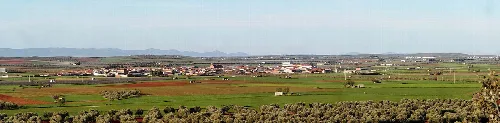
Moral de Calatrava is primarily an agricultural town, known for its high-quality grapes and olive oil, particularly from the cornezuelo and picual varieties. The region benefits from investments in irrigation and has a strong production of wine and oil, contributing significantly to its economy.
Food & drink
For residents
What is the significance of the Iglesia de San Andrés Apóstol?
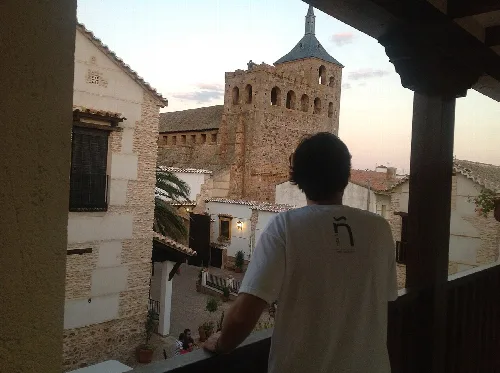
The Iglesia de San Andrés Apóstol has historical importance as it was built over a Roman fort from the 3rd century. It served various purposes before becoming a church and features a painting by Luis Tristán, a disciple of El Greco. Its architecture reflects the town's historical layers and cultural heritage.
Sights
Iglesia de San Andrés Apóstol
What is the romería de San Blas?
The romería de San Blas is celebrated on the first weekend of February in honor of the saint who protects against throat illnesses. The festivities take place at the ermita de San Blas, located a few kilometers from the town, and include traditional rituals and gatherings, attracting many locals and visitors.
Festivals & events
romería de San Blas
What can I see at the Museo Ruta Cervantina?
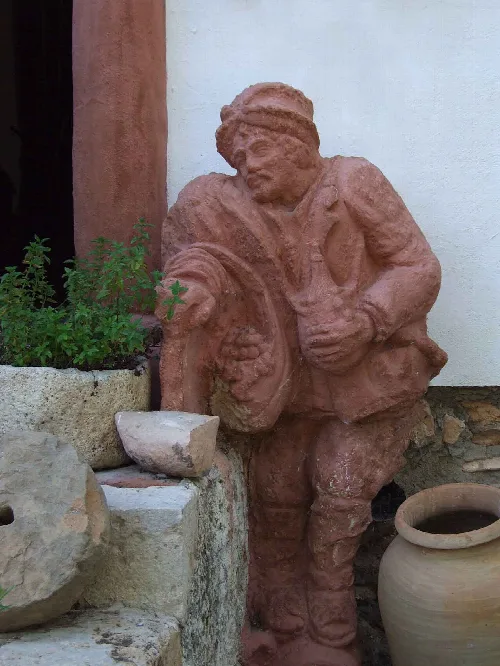
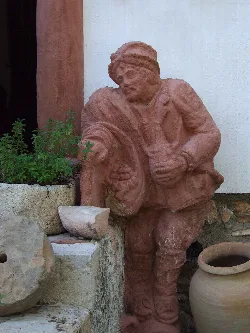
The Museo Ruta Cervantina features a sculpture of Sancho Panza at its entrance and showcases various exhibits related to Cervantes and the cultural heritage of the region. It serves as an educational space that highlights the significance of Cervantes in Spanish literature and local history.
Sights
Museo Ruta Cervantina
How is the climate in Moral de Calatrava?
Moral de Calatrava has a Mediterranean climate characterized by cold winters and dry summers. Average temperatures range from 15 °C to 27 °C, with extremes reaching -10 °C in winter and over 40 °C in summer. Rainfall averages around 460 mm, with notable dry spells lasting several months.
Nature
For residents
What traditional dishes should I try in Moral de Calatrava?
In Moral de Calatrava, you should try traditional Manchego dishes such as ajo arriero, made with cod and potatoes, and pisto manchego, a ratatouille-like dish. Other local favorites include migas, often enjoyed during the grape harvest, and gacha, a simple dish made with flour and garlic.
Food & drink
What are the main festivities in August?
In August, Moral de Calatrava celebrates its patronal fiestas from the 11th to the 16th, honoring the Virgen de la Sierra and San Roque. These festivities include popular concerts, bullfights, and various sports activities, attracting many locals and visitors to the vibrant celebrations.
Festivals & events
For residents
What is the volcanic history of the area?
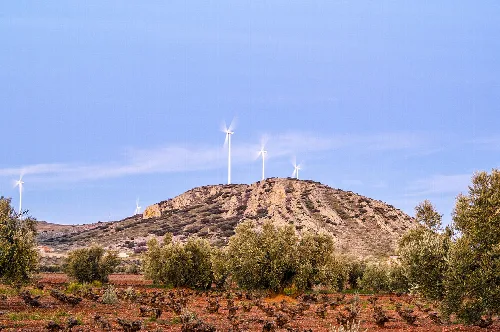
The region around Moral de Calatrava has a volcanic history, with several volcanoes active between 1 and 4 million years ago. Notable sites include 'el Cerrillo' and 'la Mesnera.' The last recorded volcanic activity occurred in 1575, showcasing the geological significance of the area.
Nature
For residents
Where can I enjoy nature near Moral de Calatrava?
Nature enthusiasts can explore the nearby sierras, which are home to various fossils and geological formations. The area around the río Jabalón offers beautiful landscapes for hiking and enjoying the local flora and fauna, making it a great spot for outdoor activities.
Nature
For residents
 espana.net