What can you tell me about the San Miguel Bridge in Pedro Muñoz?
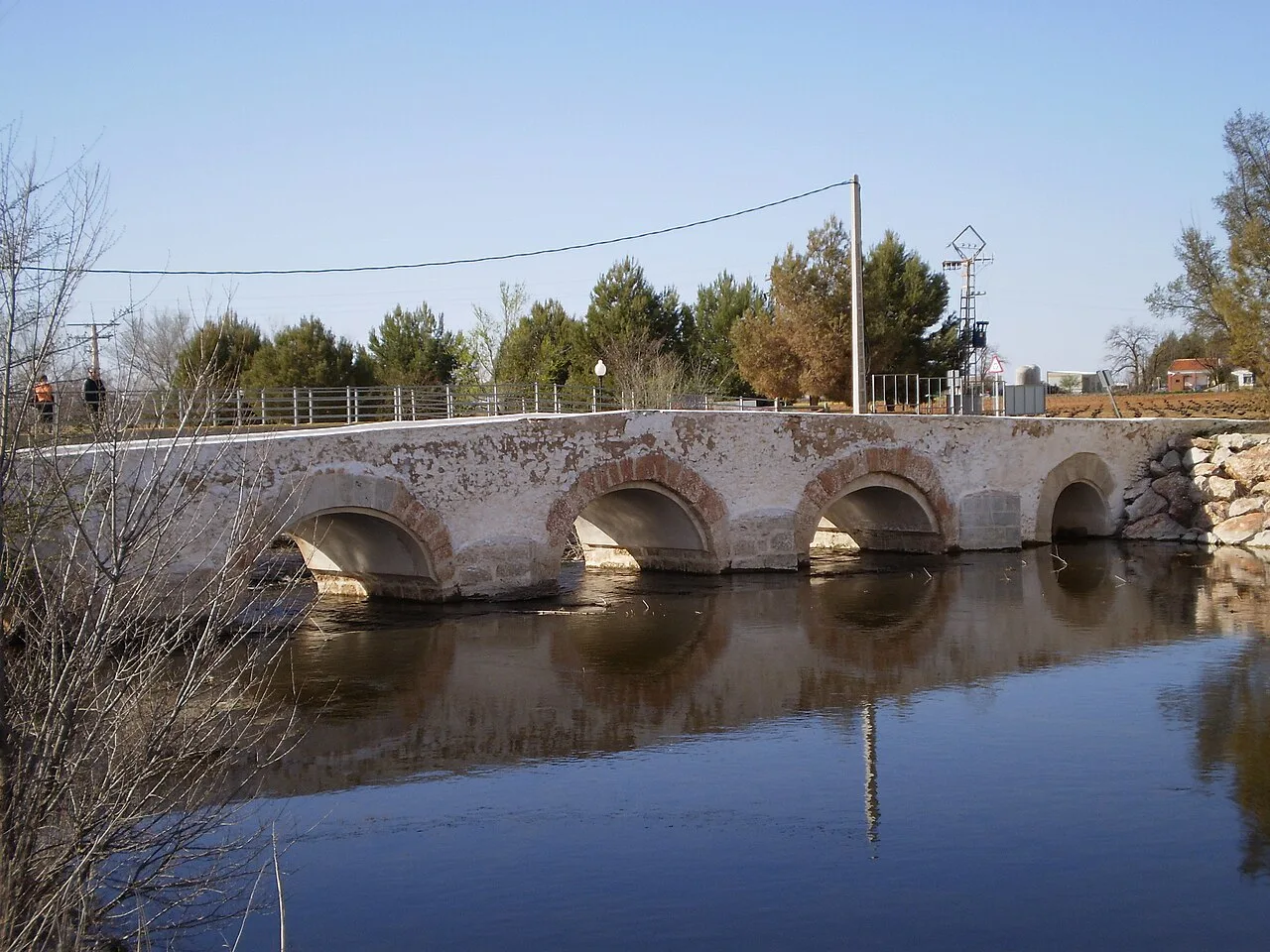
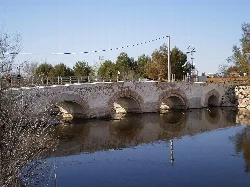
San Miguel Bridge crosses the Záncara River and has been recently restored. It features greenways on both banks, enhancing the area for visitors. Historically, in the Middle Ages, shepherds were taxed for crossing the bridge, paying two head of sheep per shepherd. It's a significant landmark reflecting the town's history and connection to the surrounding landscape.
Sights
San Miguel Bridge
What is Pisto and where can I try it in Pedro Muñoz?
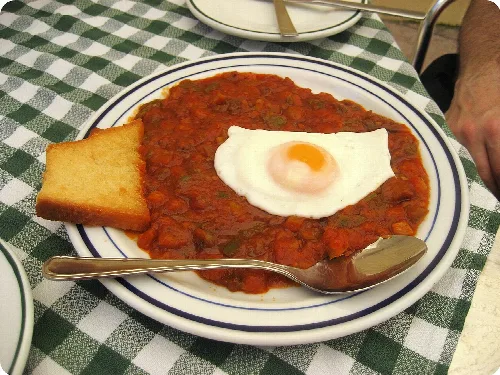
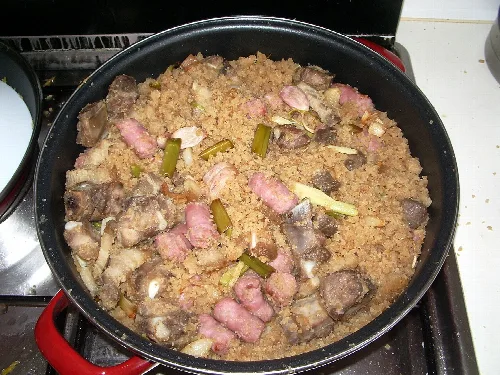
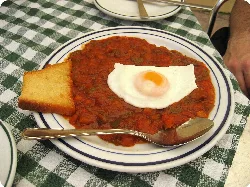
Pisto is a traditional dish from the region, similar to ratatouille, made with tomatoes, peppers, zucchini, and often topped with a fried egg. You can try Pisto at Taberna San Miguel, known for its authentic local cuisine. This dish is a staple in La Mancha and reflects the agricultural heritage of the area.
Food & drink
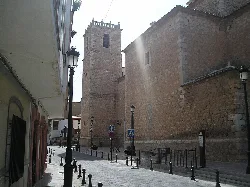
What historical significance does the Church of St. Peter the Apostle hold in Pedro Muñoz?
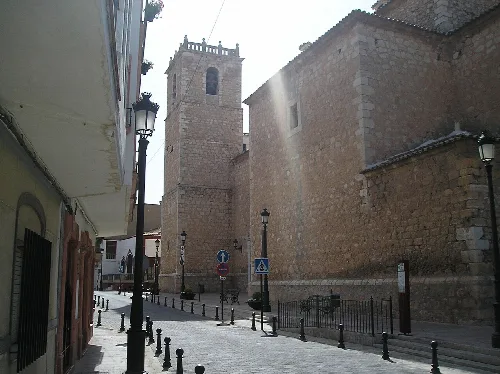
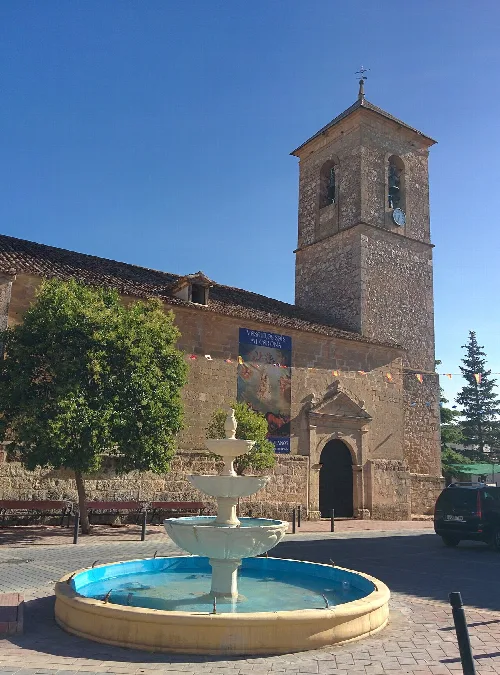
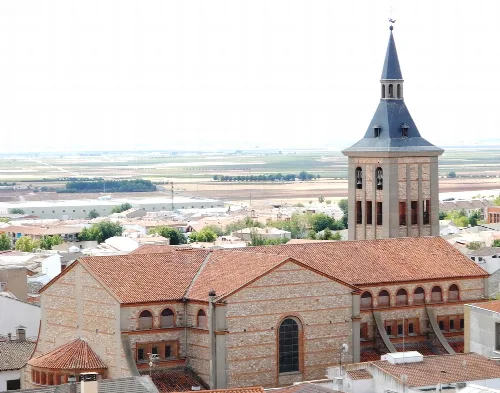
The Church of St. Peter the Apostle, completed in 1722, is a prime example of the town's architectural heritage, blending Renaissance and Baroque styles. It was built after the original church was abandoned due to advancing wetlands. Located in the Plaza de España, it represents the community's resilience and dedication to preserving their cultural identity.
History
Church of St. Peter the Apostle
Are there any nature reserves near Pedro Muñoz?
Yes, Pedro Muñoz is home to a wetland complex that was declared a nature reserve in 2002. This area includes several lakes, such as Vega Lake, which is vital for migratory birds. The reserve supports diverse flora and fauna, making it a great spot for nature enthusiasts and bird watchers.
Nature
What are some local events or festivals in Pedro Muñoz?
Pedro Muñoz celebrates various local events, including traditional fairs and cultural festivals that showcase local customs, music, and gastronomy. These events are great opportunities for residents and visitors to engage with the community and experience the rich cultural heritage of the region.
Festivals & events
As a resident, what can I expect from living in Pedro Muñoz?
Living in Pedro Muñoz offers a blend of rural charm and community spirit. The town has a rich historical background and a close-knit community. With its agricultural roots, residents enjoy local produce and traditional cuisine. The presence of natural reserves also provides opportunities for outdoor activities and a peaceful lifestyle.
Living there
For residents
What kind of architecture can I find in Pedro Muñoz?
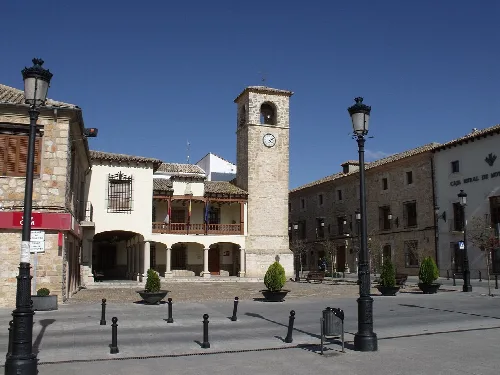
Pedro Muñoz features a mix of architectural styles, including Renaissance and Baroque influences, particularly in its churches and manor houses. Notable structures include the Church of St. Peter the Apostle and various historic mansions, reflecting the town's rich cultural heritage and historical significance.
Sights
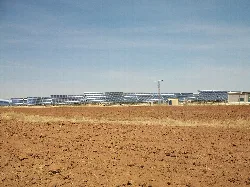
What is the significance of the Parque solar fotovoltaico near Pedro Muñoz?
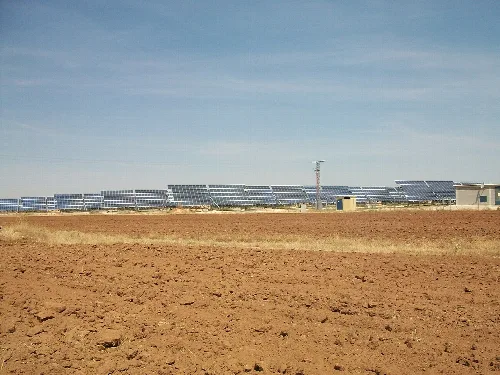
The Parque solar fotovoltaico near Pedro Muñoz represents the town's commitment to renewable energy and sustainability. This solar park contributes to the local economy and reflects the growing trend towards eco-friendly initiatives in the region, showcasing the town's modern advancements alongside its historical roots.
Nature
Can you tell me about the history of Pedro Muñoz's founding?
Pedro Muñoz was founded in 1284 by the Archdeacon of Alcaraz, Pero Muñoz, as a defensible point in La Mancha. The village faced abandonment in 1410 due to drought but was resettled in 1525. Its rich history includes struggles for land rights and the establishment of local governance, shaping its identity over centuries.
History
What wildlife can I expect to see in the wetlands around Pedro Muñoz?
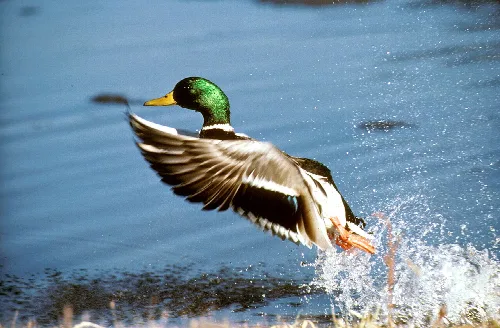
The wetlands around Pedro Muñoz are home to a variety of wildlife, particularly migratory birds. Species such as ducks, herons, and waders thrive in this habitat. The area is significant for birdwatching, especially during migration seasons, making it a vital ecological zone in the region.
Nature
 espana.net