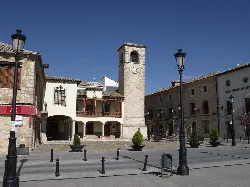
What can I see at Plaza Mayor de Mota del Cuervo?
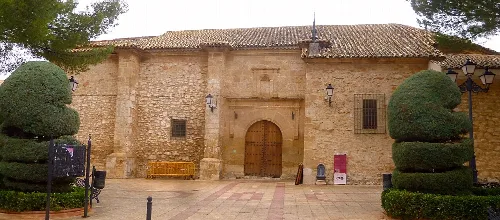
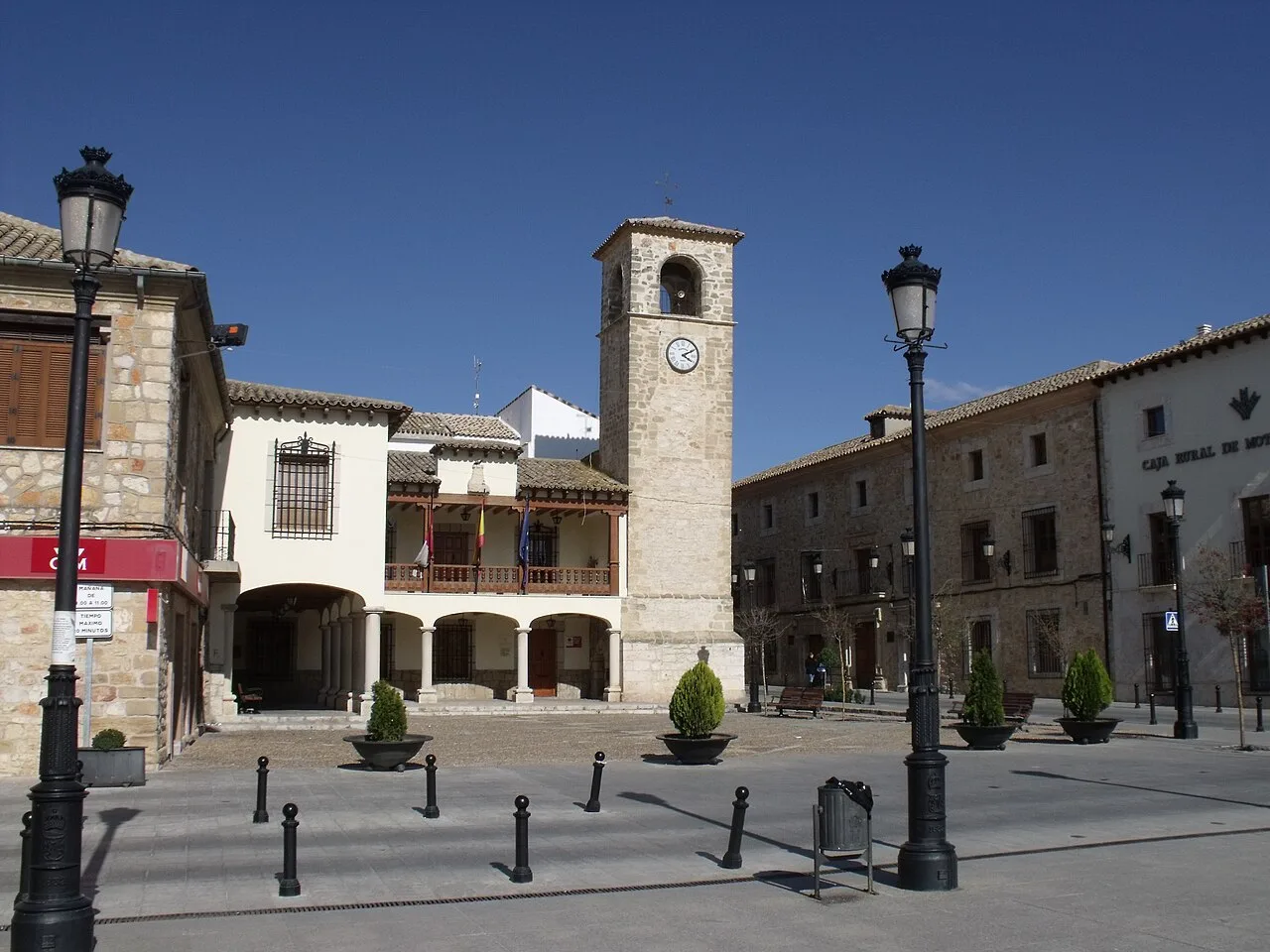
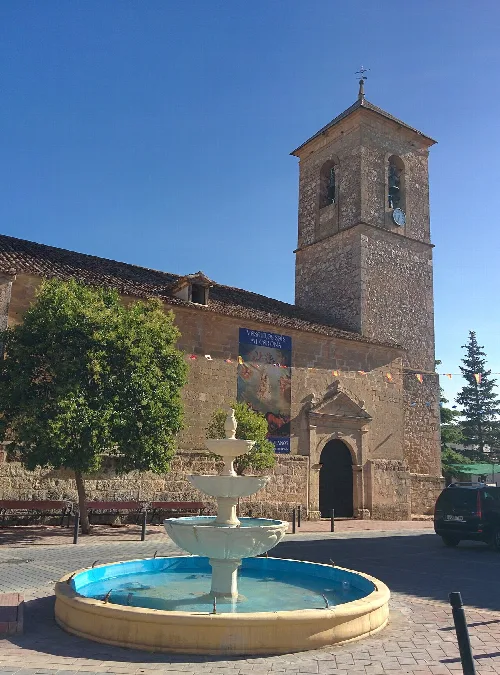
Plaza Mayor de Mota del Cuervo is a central gathering place featuring charming architecture and a clock tower. It's an ideal spot to experience local life and culture. The square often hosts community events and festivities, making it a lively hub for both residents and visitors. Enjoy a stroll or relax at one of the nearby cafes while soaking in the atmosphere.
Sights
Plaza Mayor de Mota del Cuervo
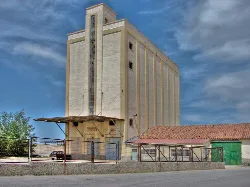
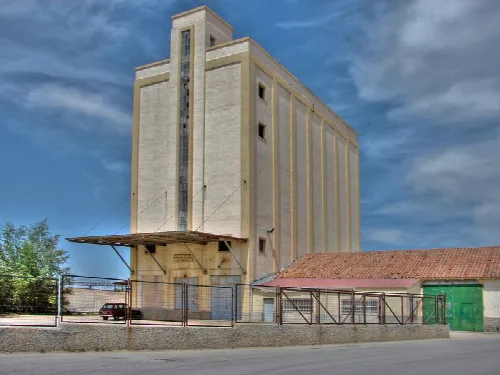
What is the significance of the Antiguo silo de cereales in Mota del Cuervo?
The Antiguo silo de cereales is a historical structure that reflects Mota del Cuervo's agricultural heritage. Once used for grain storage, it symbolizes the town's connection to wheat cultivation, which has been a vital part of its economy. Today, it stands as a reminder of the town's past and its agricultural roots.
History
Antiguo silo de cereales
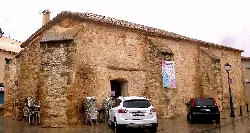
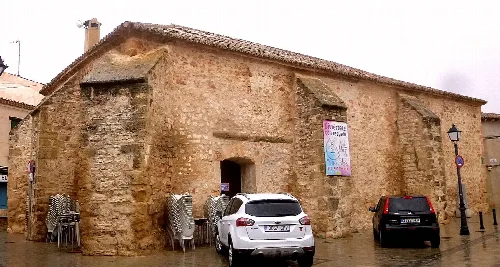
What is Tercia Real in Mota del Cuervo?
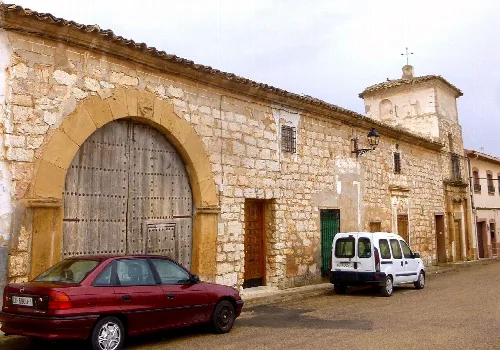
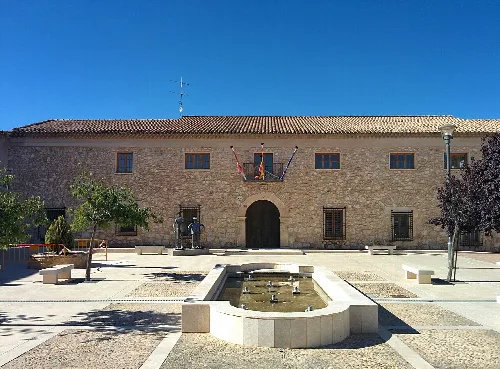
Tercia Real is a notable landmark in Mota del Cuervo, representing the town's historical architecture. This site showcases the unique cultural heritage of the region and offers insights into the local way of life. It's a great spot for visitors interested in exploring the history and character of the area.
Sights
Tercia Real
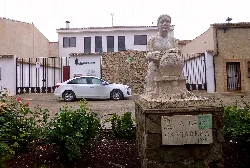
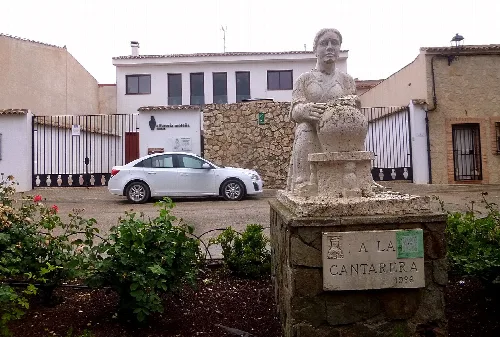
Can you tell me about the Monumento a la Cantarera?
The Monumento a la Cantarera honors the traditional craft of pottery in Mota del Cuervo, particularly the making of water pitchers by local women known as cantareras. This statue commemorates their contribution to the town's cultural identity and is a point of interest for those wanting to learn about local traditions.
History
Monumento a la Cantarera
What is the festival Nuestra Señora de la Antigua de Manjavacas about?
Nuestra Señora de la Antigua de Manjavacas is a significant festival celebrated in Mota del Cuervo. It takes place on the first Sunday of August and features a lively romería, where the image of the Virgin is carried in a procession from her sanctuary to the town. This event has been declared of National Tourist Interest and attracts many visitors.
Festivals & events
How do I get to Mota del Cuervo from Madrid?
To reach Mota del Cuervo from Madrid, you can take the N-301 road, which connects Madrid with Cartagena, passing through Albacete. The town is well-connected by major highways, making it accessible for travelers. It's a good idea to check your route in advance for the best options.
Getting there
What are the main economic activities in Mota del Cuervo?
Historically, agriculture has been the backbone of Mota del Cuervo's economy, particularly wheat cultivation. The town is also known for its traditional pottery, made primarily by women. These crafts contribute significantly to the local culture and economy, showcasing the town's artisanal heritage.
Living there
For residents
What is the significance of the alfarería in Mota del Cuervo?
Alfarería, or pottery, is a vital aspect of Mota del Cuervo's cultural heritage. Traditionally crafted by women, this utilitarian pottery, especially water pitchers, reflects the town's artisanal skills. The local artisans, known as cantareras, have preserved this craft, making it an important part of the community's identity.
Food & drink
For residents
What are the main natural attractions near Mota del Cuervo?
Mota del Cuervo is surrounded by natural attractions, including the complex lagunar located about 8 to 10 km away. This area is part of the Manchego wetlands and includes several lagoons like Manjavacas and Sánchez Gómez, offering opportunities for birdwatching and enjoying the local flora and fauna.
Nature
How has the population of Mota del Cuervo changed over time?
Mota del Cuervo has seen significant population changes throughout its history. From just 190 residents in 1494, the population grew to 850 by 1752. However, demographic trends have fluctuated, with periods of decline and growth influenced by various historical events and economic shifts.
History
For residents
 espana.net