What can you tell me about the Castillo de Belmonte?
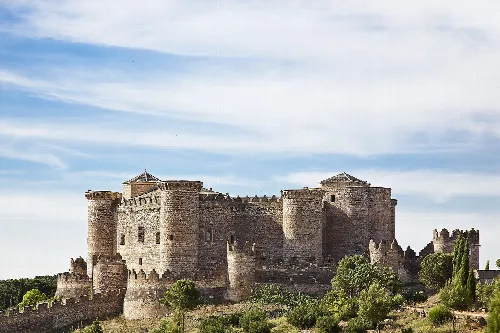
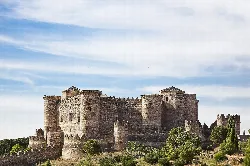
The Castillo de Belmonte, built in the 15th century, showcases a Gothic-Mudéjar style. Construction began in 1456 under Juan Pacheco, and while its completion date is debated, it was likely finished around 1474. The castle has a rich history, including serving as a refuge during the Civil War and undergoing restoration in the 19th century by Eugenia de Montijo, Empress of France.
History
Castillo de Belmonte
What is La Colegiata de San Bartolomé known for?
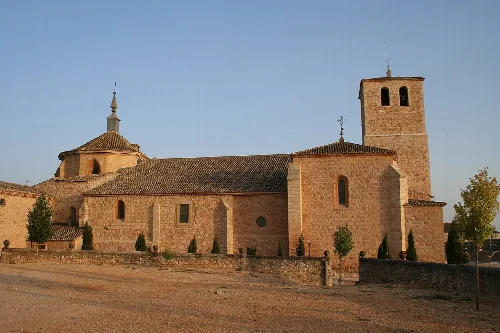
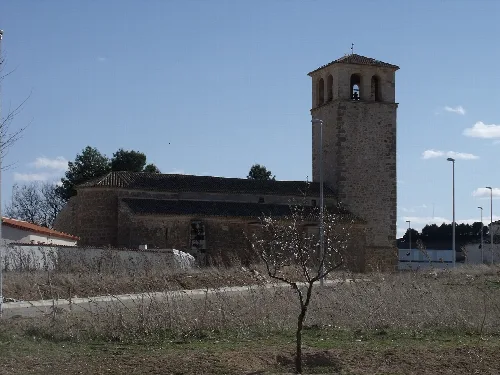
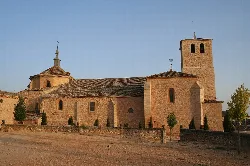
La Colegiata de San Bartolomé, built in the 15th century, is notable for its Gothic architecture and its unique choir stalls, which feature biblical scenes carved by Enrique Egas. It also houses an 18th-century organ and was built over an earlier Visigothic church, indicating the site's long historical significance.
Sights
La Colegiata de San Bartolomé
How do locals celebrate San Antón in Belmonte?
San Antón is celebrated on January 17th in Belmonte with a communal gathering in the Plaza del Pilar, where locals prepare and enjoy traditional gachas. The festivities typically occur on the Sunday closest to the saint's day, fostering community spirit through shared food and celebration.
Festivals & events
For residents
What is the significance of the Virgen de Gracia in Belmonte?
The Virgen de Gracia is the patron saint of Belmonte, and her festival is celebrated on the second weekend of September. The event includes a novena and various festivities, drawing significant local participation and highlighting the cultural and religious importance of the Virgen to the community.
Festivals & events
For residents
What are some traditional dishes to try in Belmonte?
In Belmonte, you can savor traditional dishes such as morteruelo, a type of game meat pâté, gachas, a thick dough made from flour, and zarajos, which are made from lamb intestines. These dishes reflect the local culinary heritage and are often enjoyed during festivals and gatherings.
Food & drink
What is the history behind the name 'Belmonte'?
The name 'Belmonte' derives from the Latin 'Bellomonte', meaning 'beautiful mountain', referring to the surrounding landscape. Historical documents from the 13th century confirm this name, and archaeological findings indicate a much older settlement, dating back to possibly the 5th century with Visigothic roots.
History
For residents
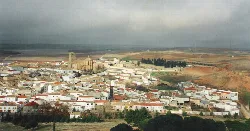
What can visitors see from the Castillo de Belmonte?
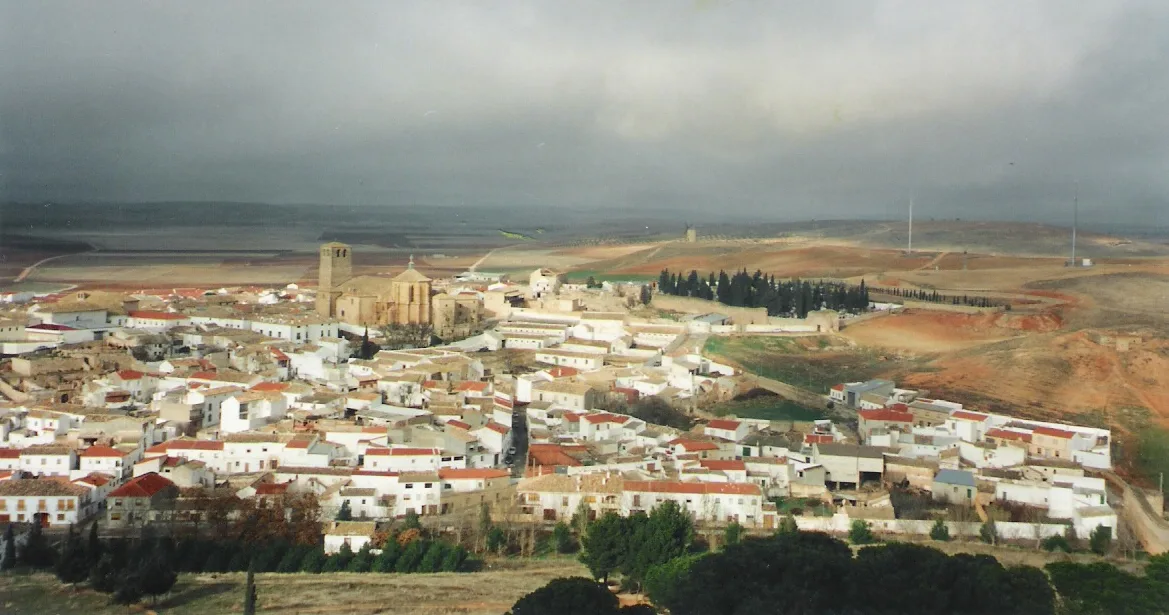
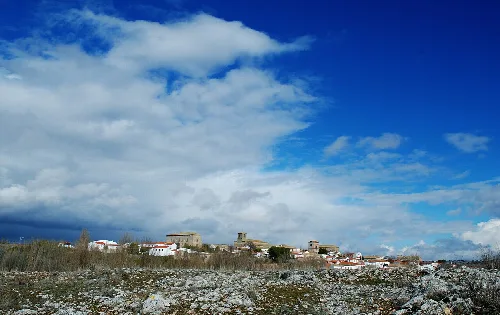
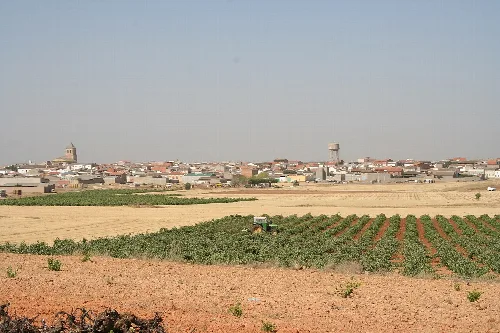
From the Castillo de Belmonte, visitors can enjoy panoramic views of the town and the surrounding Manchegan plains. The castle's elevated position provides a stunning perspective of the landscape, making it a popular spot for photography and appreciating the natural beauty of the area.
Sights
Castillo de Belmonte
How did Belmonte contribute to Spanish cinema?
Belmonte has served as a filming location for several notable films, including 'El Cid' and 'The Lord of the Rings' animated version. Its historic sites, particularly the castle, have provided a picturesque backdrop, showcasing the town's cultural heritage and scenic beauty in cinematic storytelling.
History
What is the Plaza del Pilar like?
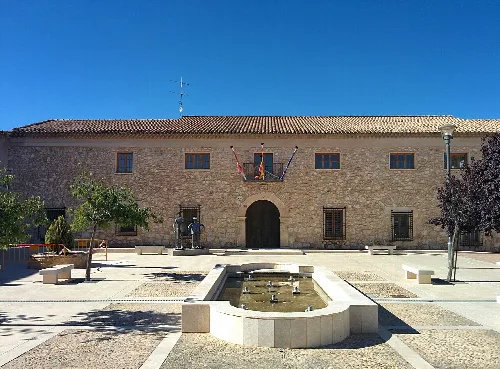
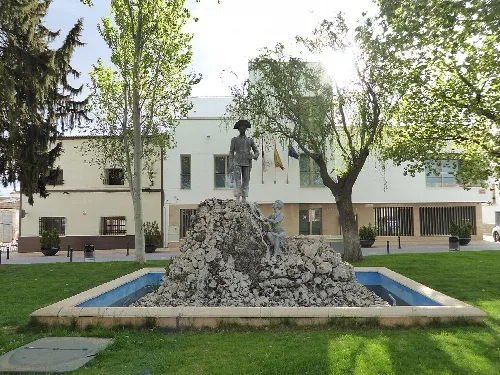
The Plaza del Pilar is the largest square in Belmonte, featuring a restored fountain and remnants of historic porticos. It serves as a central gathering place for community events and festivities, reflecting the town's social life and historical architecture.
Sights
Plaza del Pilar
What are the Mayos celebrations in Belmonte?
The Mayos celebrations in Belmonte occur on April 30th and the first Saturday of May. They involve singing traditional songs as groups visit homes, creating a lively atmosphere. This event blends cultural and religious traditions, drawing many locals into the streets for festivities.
Festivals & events
 espana.net