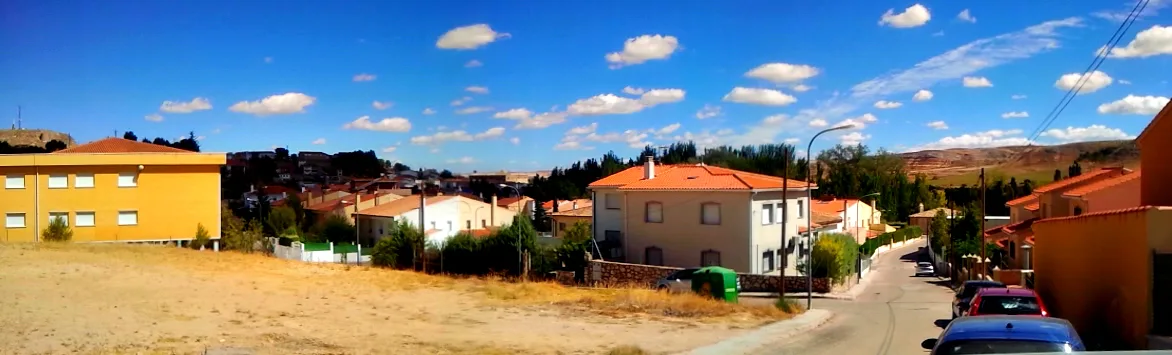
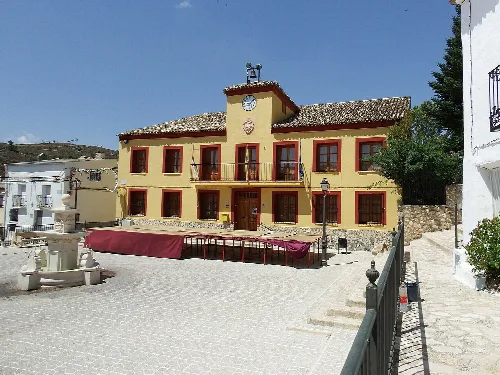
Huete is a municipality located in the province of Cuenca, Castilla–La Mancha, known for its rich historical heritage and diverse architectural styles. The town features remnants from various historical periods, including Roman, Visigothic, and Islamic influences, making it a significant cultural site in the region.
02Geography
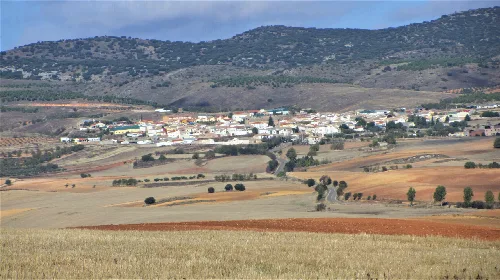
Huete is situated in the northwest of Cuenca province, nestled between the rivers Cauda and Borbotón. The town is located on the eastern and southern slopes of a hill known as Cerro del Castillo, in a valley that is part of the Alcarria region. It is approximately 54 km from Cuenca and 120 km from Madrid.
Patron saint
Santa Justa and Santa Rufina
Festival
Fiesta de la Virgen de Guadalupe, second weekend of May
03History
The history of Huete dates back to prehistoric times, with evidence of human presence from the end of the Lower Paleolithic. The first stable settlement emerged around 4000 years ago on Cerro del Castillo, which continued to be significant through the Iron Age and into the Roman period.
6th century BC New population center established on Cerro de Álvar Fáñez.
8th century Huete known as Wabda during the Andalusian period.
1164 Battle of Huete between the House of Castro and the House of Lara.
1428 Huete granted city status by King Juan II.
1477 Recognized as Noble and Loyal by the Catholic Monarchs.
Explore Huete, a historic municipality in Cuenca, Castilla–La Mancha, known for its rich heritage and architectural diversity.
04Demographics
Huete has a population of 1,814 residents, reflecting a small but vibrant community. The demographic trends indicate a stable population, with the town maintaining its historical character amidst modern developments.
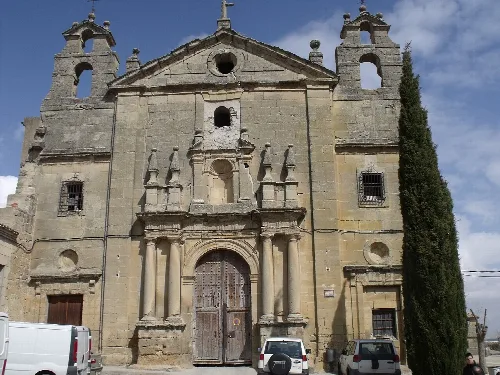
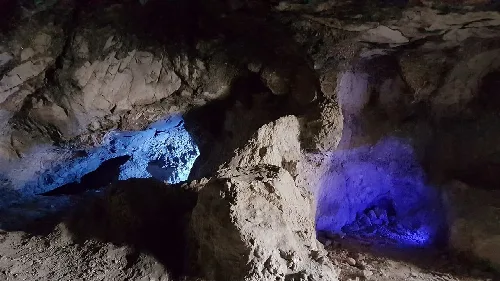
Facade of Santo Domingo church in Huete, with baroque details and a sign on the door.Illuminated interior of Los Cuchillos mine in the Cuevas del Sabrio complex, Huete.
05Cultural Heritage
Huete boasts a rich cultural heritage, with numerous historical buildings and monuments. Key sites include the urban wall, the Castillo de Luna, and various churches and convents that showcase architectural styles from different periods.
Muralla urbana Andalusian origin with various reforms.
Castillo de Luna Remnants of an ancient fortress.
Palacio Episcopal Constructed in three phases, featuring a blend of styles.
Iglesia de Nuestra Señora de Atienza An example of early Gothic architecture.
Monasterio de la Merced Founded in the late 13th century, significant in the Mercedarian order.
06Economy and Daily Life
The local economy of Huete is primarily based on agriculture and small-scale industries. The town also has a football club, Club Deportivo Optense, which plays in regional leagues, contributing to local sports culture.
Main economic activities Agriculture and small industries.
Football club Club Deportivo Optense, founded in 1974.
Local events Fiesta de la Virgen de Guadalupe.
Transportation Includes a train station on the Madrid-Cuenca-Valencia line.
Cultural events Regular exhibitions at local museums.
07Notable People
Huete has been home to several notable figures throughout its history, including jurists, writers, and politicians. Their contributions have shaped the cultural and intellectual landscape of the region.
Alonso Díaz de Montalvo Jurisconsult of the 15th century.
Fray Ambrosio Montesino Confessor to Queen Isabella I.
Mario Aguilar Diana Journalist and activist.
Demetrio Castro Villacañas Poet and journalist.
Isaac Núñez de Arenas Literature professor and translator.
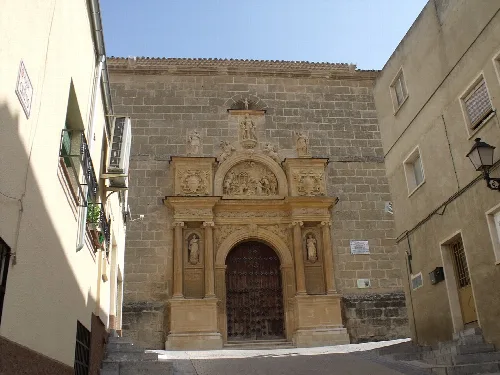
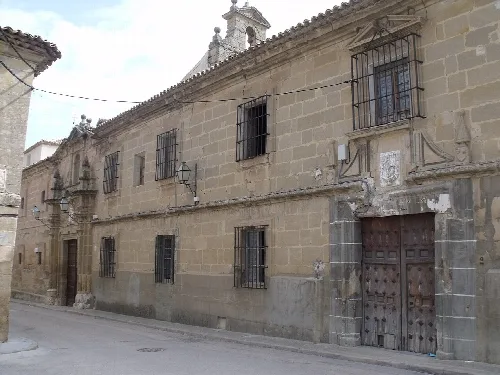
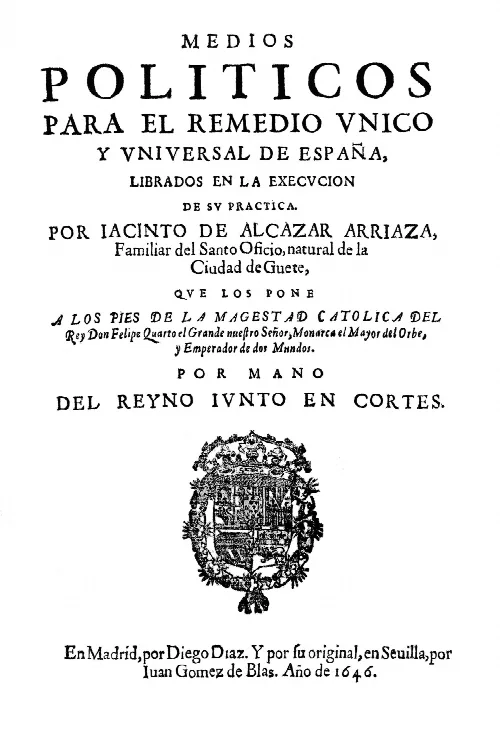
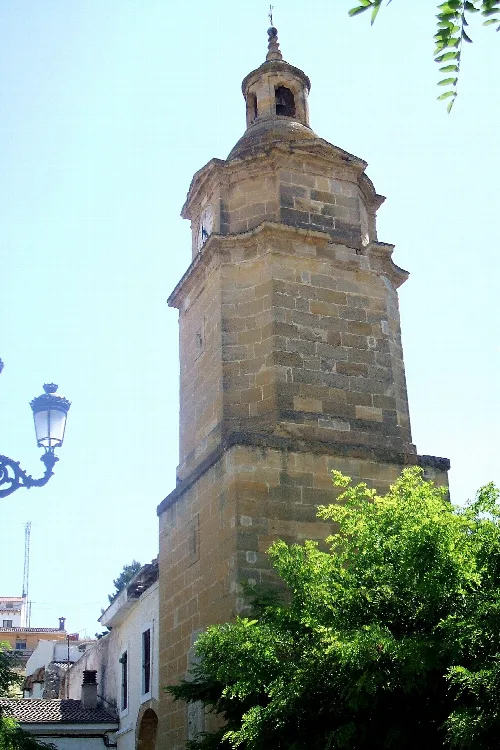
Facade of the Jesús y María Convent in Huete, with a wooden door and stone details.Stone building with windows and a wooden door in Huete, Cuenca, formerly Jesuit premises.1646 book cover with title and coat of arms at the bottom.The Clock Tower in Huete, a historic stone structure in Cuenca, Castilla-La Mancha.
Frequently asked questions
How do I get to Huete from Cuenca?
Huete is located approximately 54 km northwest of Cuenca. You can reach it by car or public transport, though specific routes and schedules may vary. It's advisable to check local transport options for the most convenient travel arrangements.
What can you tell me about the Iglesia de Santo Domingo?
The Iglesia de Santo Domingo in Huete was founded in the late 14th century by nuns from Amasatrigo. The current church, designed by fray Alberto de la Madre de Dios, was built between 1621 and 1642. Its austere yet elegant facade features a giant order and five lateral chapels, making it a significant architectural piece in the region.
What is the history of the Convento de Jesús y María?
The Convento de Jesús y María was founded in 1554 by Marcos de Parada for virtuous maidens and as a family pantheon. Completed in 1576, it showcases remarkable 16th-century architecture, featuring a rectangular layout around a cloister and a unique triangular bell tower, making it a notable landmark in Huete.
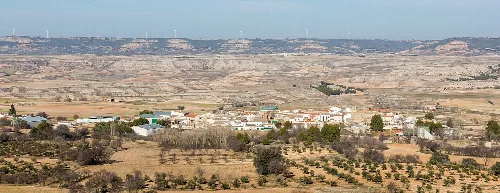
Huete is situated in a valley between the rivers Cauda and Borbotón, surrounded by hills. The area offers scenic views and opportunities for outdoor activities, making it a pleasant spot for nature lovers. The landscape is characterized by rolling hills and agricultural fields typical of the Alcarria region.
The Torre del Reloj has been a central feature in Huete since medieval times, originally serving to regulate daily life. Constructed in the late 18th century, it combines late Baroque and early Neoclassical elements, featuring a beautiful lantern and housing the town's historic clock, which has governed the local rhythm for centuries.
Huete hosts several local festivals throughout the year, with significant celebrations occurring in May. The festivities often include religious processions and community events, reflecting the town's rich cultural heritage and traditions. One notable event is the celebration of the Virgen de Guadalupe.
In Huete, you can enjoy traditional Castilian cuisine, which includes hearty dishes like pisto manchego, migas, and various stews. Local restaurants often serve regional specialties, showcasing ingredients sourced from the surrounding agricultural areas, making for a delightful culinary experience.
Huete offers a small-town atmosphere with a population of around 1,814 residents. It boasts a rich historical background, beautiful architecture, and a close-knit community. The cost of living is generally lower than in larger cities, making it an attractive option for those seeking a quieter lifestyle.
What historical sites are worth visiting in Huete?
Huete is home to several historical sites, including the Muralla urbana, the Castillo de Luna, and the Iglesia de Nuestra Señora de Atienza. Each site reflects the town's diverse history, from its Andalusian origins to its medieval significance, making them essential stops for history enthusiasts.
What is the architectural style of the Palacio Episcopal in Huete?
The Palacio Episcopal in Huete showcases a blend of styles, primarily reflecting late 18th-century architecture. It was constructed in three phases, with the initial design attributed to Antonio María Carabella. The building features a mix of neoclassical elements and decorative details typical of the period, making it an interesting architectural landmark.
 espana.net