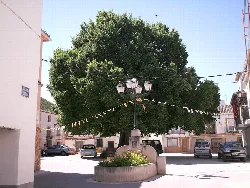
What is the Olma del Concejo de Torralba?
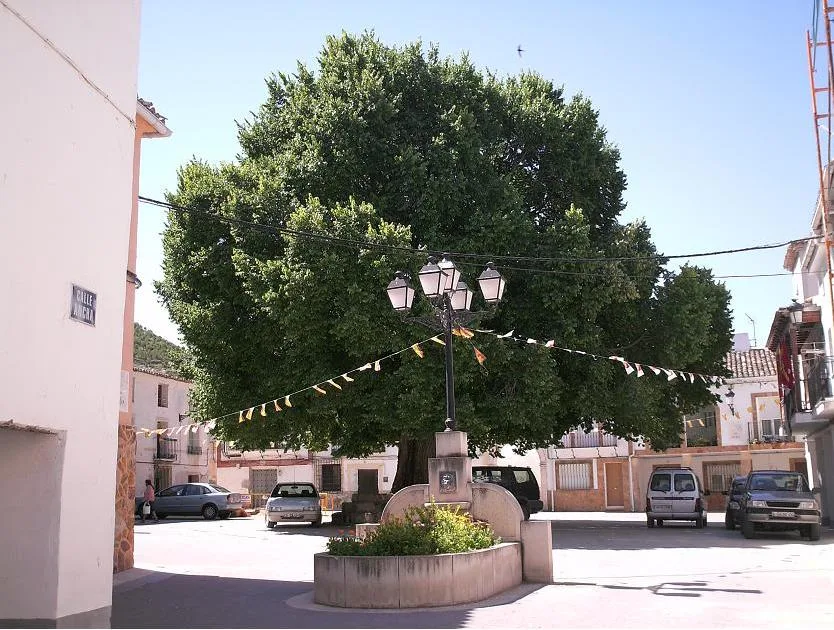
The Olma del Concejo de Torralba is a significant tree that was planted on February 5, 1787, by Jerónimo Roldán. It served as a historical landmark where justice was administered until the fall of the Ancien Régime. Although it suffered from grafiosis in 2009, it remains an important symbol of the town's heritage.
History
Olma del Concejo de Torralba
What can you tell me about the history of Torralba?
Torralba has a rich history dating back to Roman times, with ruins of a secondary road and a villa. It was once part of the Order of Santiago and later became a lordship. The town has witnessed various historical events, including the French invasion and the Carlist wars, shaping its development over centuries.
History
What are the main sights to see in Torralba?
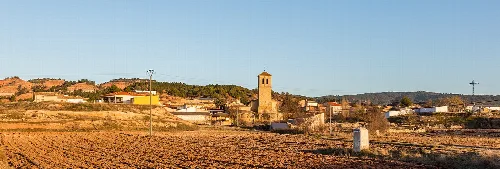
Key sights in Torralba include the ruins of the Castillo or Torre Alba, which offer a glimpse into its medieval past, and the Ermita de Nuestra Señora de las Nieves, a church from the 15th-16th centuries featuring beautiful frescoes. The town's unique caves, used for winemaking, are also noteworthy.
Sights
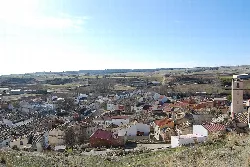
What is the significance of the Castillo in Torralba?
The Castillo, or Torre Alba, is a historic site that once served as a stronghold. Although it is now in ruins, it is a vital part of Torralba's identity, with numerous caves beneath it that were used for winemaking. The castle's location offers panoramic views of the surrounding landscape.
History
Castillo
Are there any local festivals in Torralba?
Yes, Torralba celebrates its patron saint festival on August 5th in honor of the Virgen de las Nieves. This event is a significant occasion for the community, featuring various traditional activities and gatherings that reflect the town's cultural heritage.
Festivals & events
What is the local economy of Torralba like?
Torralba's economy is primarily based on agriculture, with additional contributions from livestock, hospitality, and construction. The region is known for producing honey, and traditional winemaking practices continue to thrive, attracting interest from both locals and visitors.
Food & drink
For residents
How can I get to Torralba?
Torralba is accessible via the national road N-320 and the regional road CM-210, which connects it to nearby towns such as Villar de Domingo García and Albalate de las Nogueras. Its location in La Alcarria Conquense makes it relatively easy to reach from Cuenca, which is about 35 km away.
Getting there
What is the altitude of Torralba?
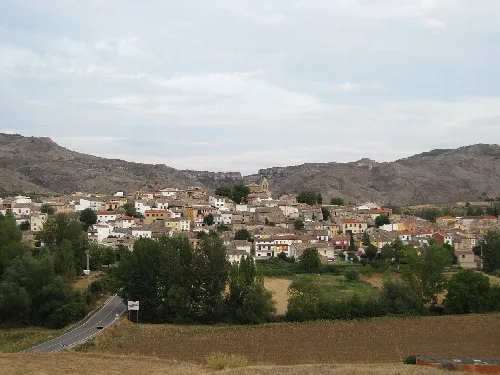
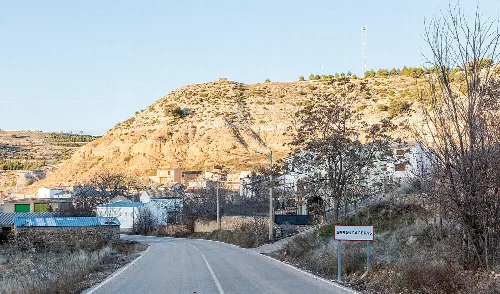
Torralba is situated at an altitude of 909 meters above sea level. The surrounding geography includes the Sierra de Bascuñana to the east and the plains of La Alcarria to the west, contributing to its unique landscape and climate.
Nature
For residents
What kind of architecture can I see in Torralba?
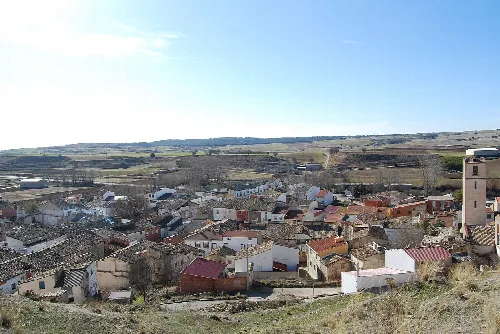
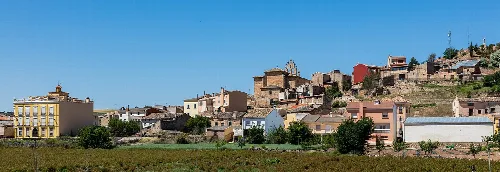
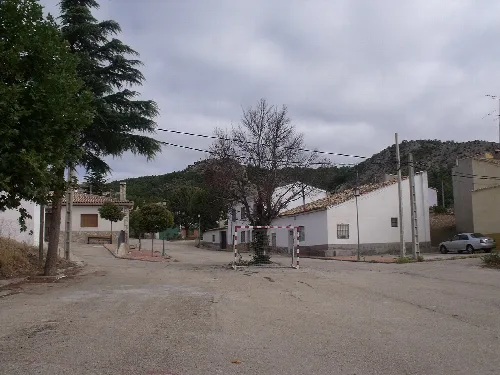
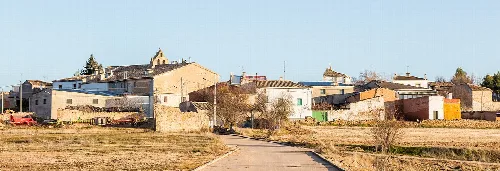
Visitors to Torralba can admire typical local architecture, including examples of popular styles and several houses featuring noble coats of arms. The urban layout centers around a main square, showcasing the town's historical significance and architectural heritage.
Sights
Is there any evidence of Roman influence in Torralba?
Yes, Torralba has remnants from Roman times, including ruins of a villa and a secondary road that linked Cartago Nova to Complutum. These archaeological sites reflect the town's ancient history and its significance during the Roman Empire.
History
 espana.net