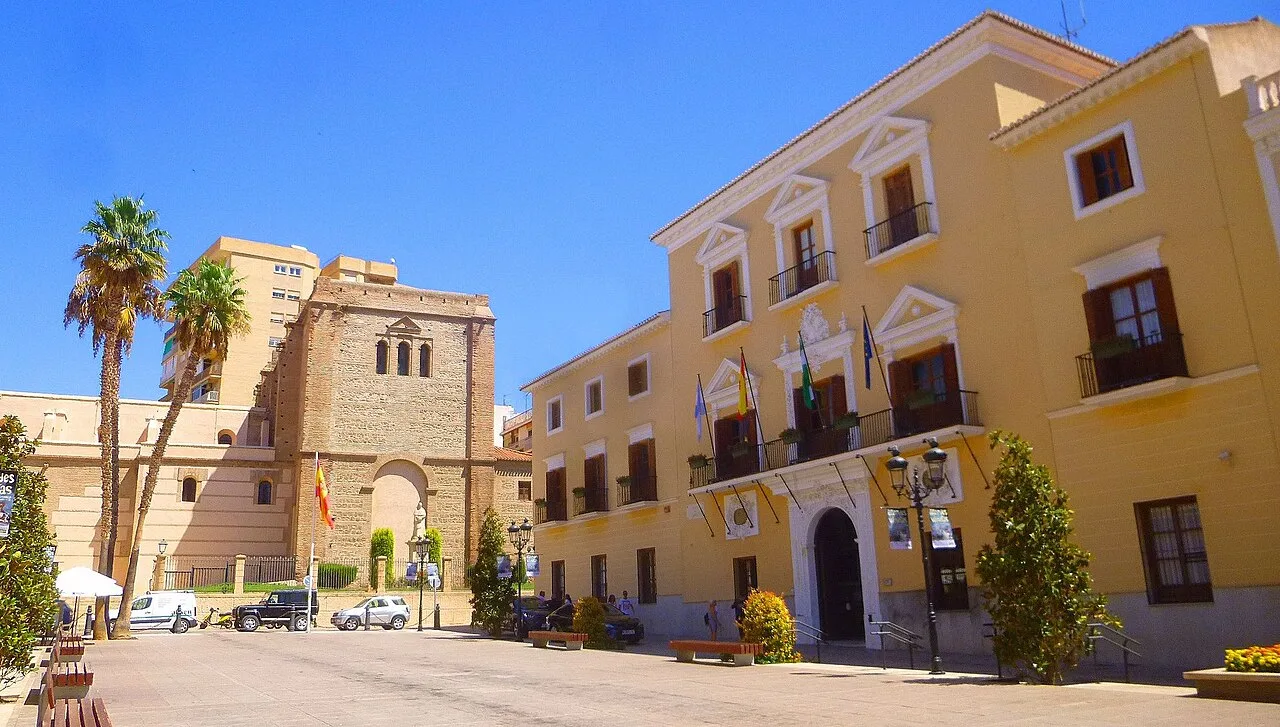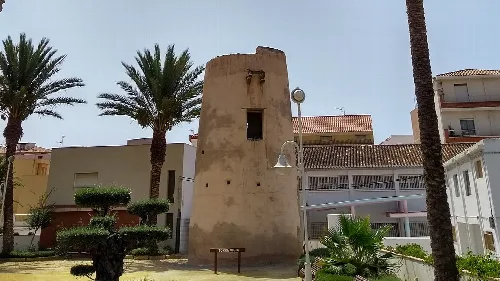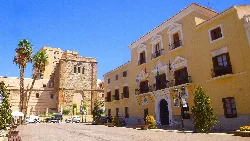
Plaza de España in Motril with yellow building and old tower. Zarateman, CC0

Motril

Andalusia

59,862Population
109.77 km²Area
45 mElevation
18600Postal code

Motril is a municipality located in the province of Granada, Andalusia, known for its rich agricultural history and coastal beaches. It has a vibrant cultural scene, with significant historical buildings and annual festivities that attract visitors and celebrate local traditions.

02Geography

Motril is situated a few kilometers inland from the Mediterranean coast, separated from the Port of Motril by the Guadalfeo delta. The town enjoys a subtropical microclimate, influenced by the nearby Sierra de Lújar and the Mediterranean Sea, resulting in mild winters and hot, dry summers.

Distance to the coast
Approximately a few kilometers
Climate type
Hot semi-arid (Köppen: BSh)
Average annual temperature
Between 18 and 20 degrees Celsius
Maximum recorded temperature
44.5 °C (112.1 °F) on 16 July 2022

03History

The origins of Motril trace back to a Phoenician settlement, later flourishing under Roman rule. The introduction of sugarcane by the Arabs significantly shaped its economy, which continued to thrive until the decline of sugar production in the 21st century.

Motril, a municipality in Granada, Andalusia, is known for its sugar industry, beaches, and vibrant cultural traditions.

04Cultural Heritage

Motril is home to several notable religious buildings, including the Iglesia Mayor de la Encarnación and the Santuario de Nuestra Señora de la Cabeza, which houses the town's patron saint. The town also celebrates various festivals that reflect its rich cultural heritage.

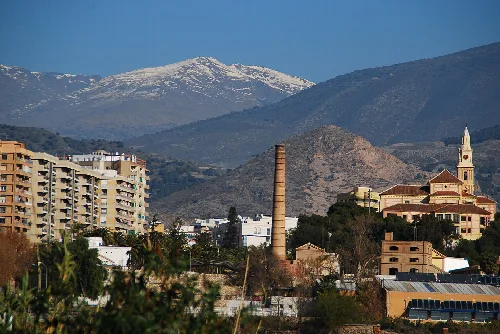
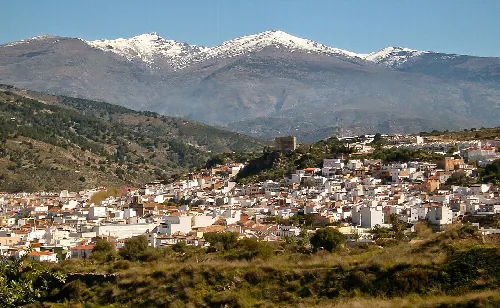
Urban landscape of Motril with mountains in the background and a church visible.
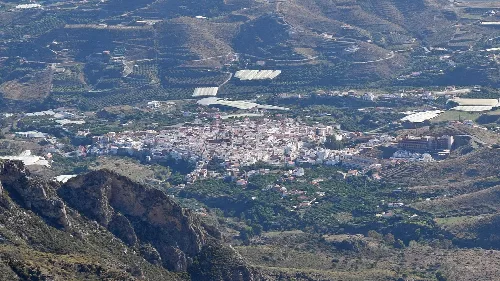
General view of Motril with mountains and buildings on the Granada coast.
Saipem FDS 2 oil platform berthed in Motril port with cloudy sky.
The Saipem FDS 2 oil platform berthed in the port of Motril with a cloudy sky in the background.

05Economy and Daily Life

Historically reliant on sugar production, Motril's economy has diversified to include greenhouse agriculture, with significant crops such as tomatoes and cucumbers. The town also features a paper mill and a bustling port that supports both commercial and fishing activities.

Motril · Data
Province
Granada
Autonomous community
Andalusia
Population
59,862
Area
109.77 km²
Elevation
45 m
Postal code
18600
Website
http://www.motril.es/
Coordinates
36.7453, -3.5206

Photos

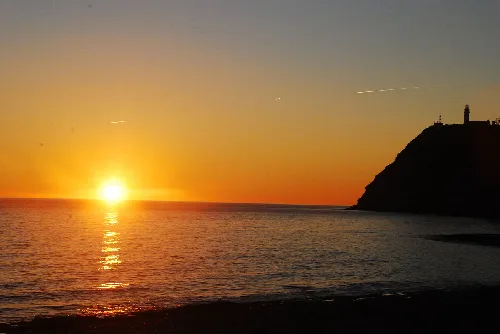
Sunset at the beach with sun, sea, and a lighthouse on the hill.
Sunset from Carchuna beach with the sun sinking into the sea and a lighthouse on the hill to the right.
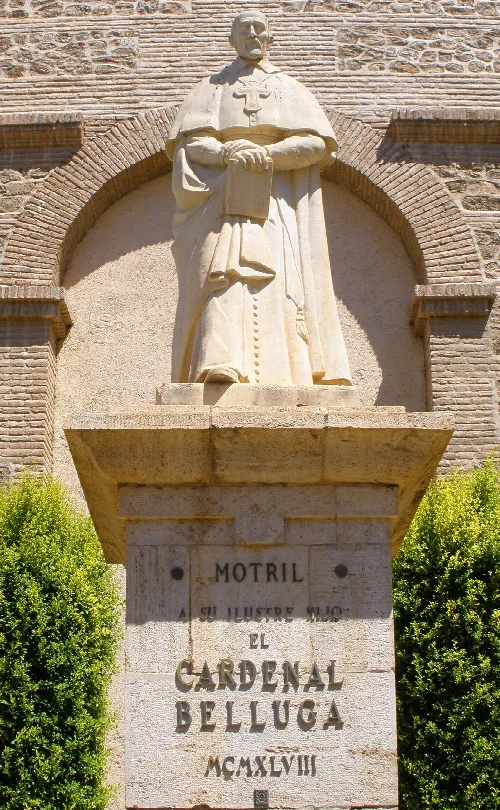
Statue of a cardinal with a cross on his chest in Motril.
Statue of Cardinal Beluga in Motril, with stone details and a brick wall background.
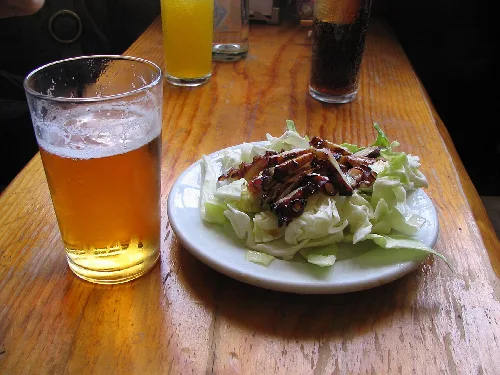
Dried octopus and beer on a wooden table in Motril.
Dried octopus from Motril served with a beer in a bar in Granada.
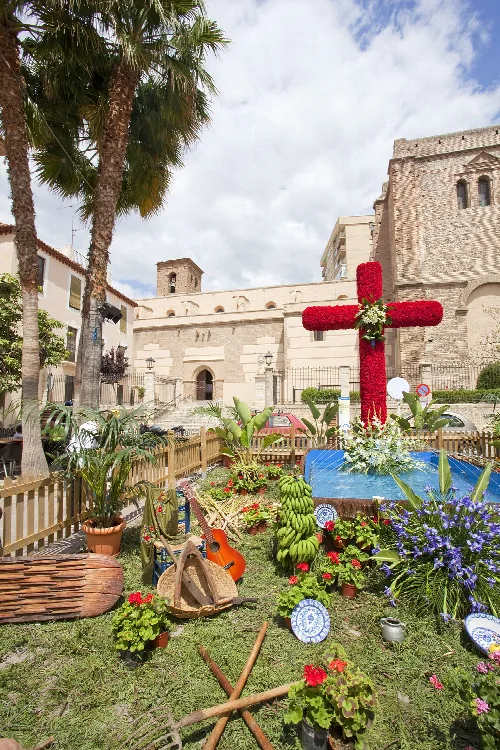
May crosses with flowers and a large decorated cross in Motril.
May crosses decorated with flowers in Motril, next to an old church and palm trees.
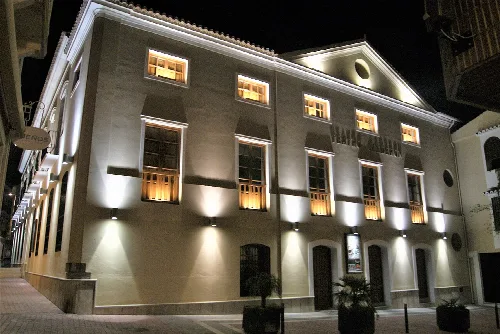
Theatre building lit up at night in Motril.
Night view of the Calderón de la Barca Theatre in Motril, illuminated with visible architectural details.

Frequently asked questions

Plaza de España in Motril with yellow building and old tower.

What can I see at Plaza de España in Motril?

Plaza de España is a central square in Motril, featuring beautiful architecture and a vibrant atmosphere. Visitors can enjoy the surrounding buildings, including the historical structures that reflect the town's rich history. It's a great spot to relax, socialize, and experience local life.

Sights Plaza de España

What is the significance of the Santuario de Nuestra Señora de la Cabeza?

The Santuario de Nuestra Señora de la Cabeza is an important monument in Motril, built on the ruins of a Nasrid fortress. It houses the patron saint of Motril, the Virgen de la Cabeza, and features a beautiful setting with a park nearby. The church was restored in the 1960s after being damaged during the Civil War.

History Santuario de Nuestra Señora de la Cabeza

What are the main crops grown in Motril?

In Motril, the cultivation of sugarcane was historically significant, but commercial growing ended in 2006. Today, the region is known for greenhouse agriculture, producing crops like tomatoes, cucumbers, avocados, and bananas, contributing to the local economy.

Nature For residents

What is the Holy Week celebration like in Motril?

Holy Week in Motril is a vibrant event declared a National Tourist Interest. It features 12 brotherhoods, 23 pasos, and over 6000 followers participating in daily processions. The celebration includes traditional dishes and is deeply rooted in local culture, dating back to 1600.

Festivals & events

What is the local specialty food in Motril?

Migas, a dish made from bread crumbs, is a popular local specialty in Motril. The town also boasts a rich seafood culture, with anchovies, sardines, and shrimp being commonly enjoyed. Additionally, the area is known for its unique locally produced rum, ron pálido.

Food & drink

How do I get to Motril from Granada?

Motril is accessible via the A-44 autovía from Granada, providing a straightforward route for travelers. The town is well-connected, making it easy to reach by car. However, there is no rail service to Motril, so road transport is the primary option.

Getting there

What are the beaches like in Motril?

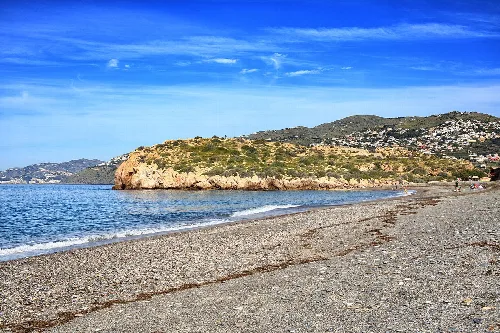
Motril is located along the Costa Tropical and features a variety of beaches, including Playa Granada and Playa de Poniente. These beaches are popular during the summer, offering facilities such as parking, first aid, and restaurants, making them ideal for relaxation and recreation.

Nature

What is the Teatro Calderón de la Barca known for?

Teatro Calderón de la Barca is a 19th-century theatre in Motril, recognized for its Italian architectural style. It hosts various cultural events, including plays, concerts, and exhibitions, contributing to the local arts scene and cultural heritage.

Festivals & events For residents

What happened during the War of Independence in Motril?

During the War of Independence, Motril was occupied by French troops, which significantly impacted the town. This period also marked a transformation in its sugar industry, as steam technology was introduced for sugar production, leading to increased production capacity.

History For residents

What are the main festivities in Motril?

Motril hosts several notable festivities, including the Holy Week, the Festivities of 'Las Cruces,' and the Patronal festivities in August honoring the Virgen de la Cabeza. These events feature traditional music, dance, and local cuisine, reflecting the town's rich cultural heritage.

Festivals & events

Map

Nearby

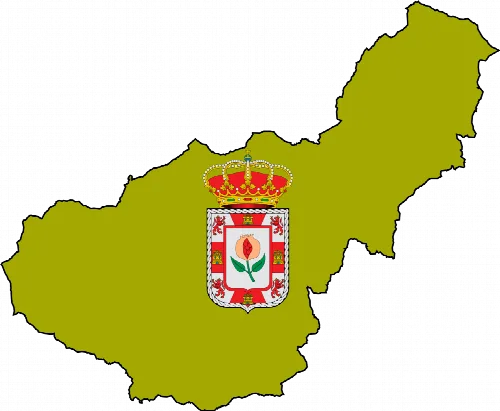
Map of Granada with the coat of arms and the Wikiproyecto Granada logo.
Lújar
Granada · 491 inhabitants

Own text, written with AI assistance from the facts in Wikipedia · Motril · Data: Wikidata Q210093 · Photos: Wikimedia Commons, see individual licenses. · CC BY-SA 4.0