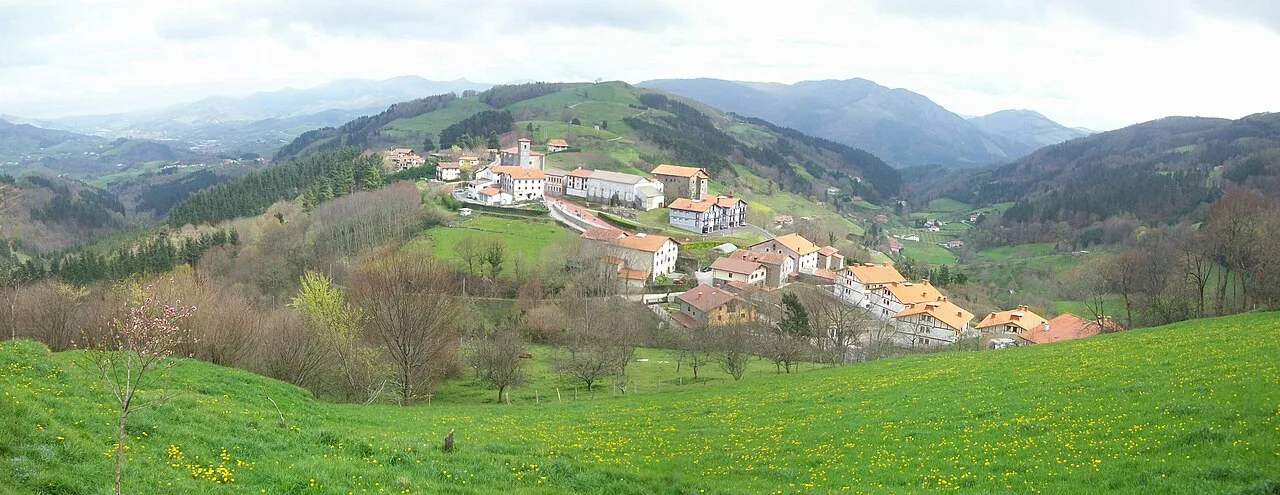
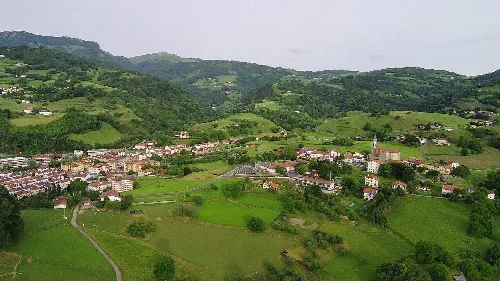
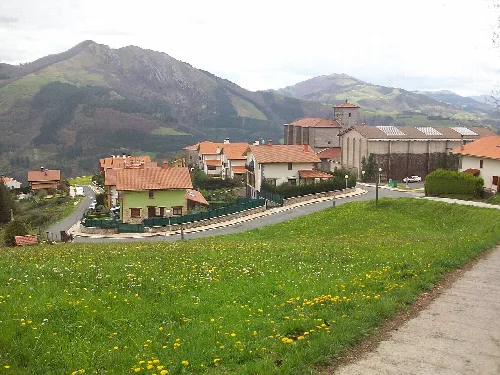
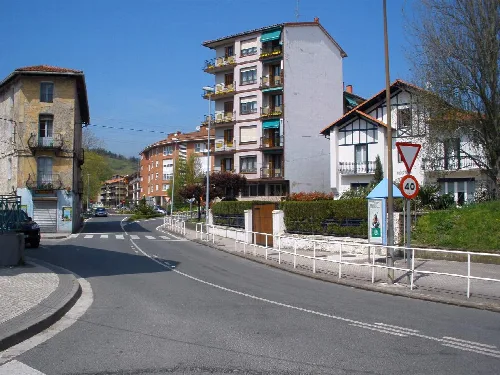
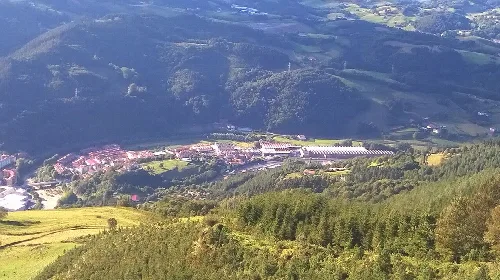
Alkiza is a rural municipality located in Gipuzkoa, Basque Country, known for its rich cultural heritage and scenic landscapes. It features a population of 352 residents, predominantly Basque speakers, and is characterized by its historical significance and natural beauty.
02Geography
Alkiza is situated in the Hernio-Gazume massif, with a predominantly steep terrain and the flattest area found in the Arana neighborhood. The village is positioned at an elevation of 340 meters above sea level, and the local climate is classified as Oceanic. The area is notable for its karst formations, including the significant Leize Haundia 2 / Sabe-saia cave system.
Mandabe stream
Flows through Arana neighborhood and discharges into Oria river.
Aranguren stream
Born next to the farmhouse of the same name, it flows into Asteasu stream.
Karst structures
Includes caves, chasms, and sinkholes.
Special Conservation Zone
A quarter of the Hernio-Gazume area is located in Alkiza.
03History
Alkiza has a rich history dating back to the Bronze Age, with early human activity evidenced by archaeological finds. The municipality was officially established in 1731 when it separated from San Sebastián, marking a significant moment in its governance and community identity.
First written references 1348, associated with Tolosa.
Municipality declaration 1731, by King Philip V.
First mayor Miguel Irazusta.
Privatization of communal land Early 19th century.
Mail service initiation 1873.
Alkiza is a rural municipality in Gipuzkoa, Basque Country, known for its cultural heritage and natural landscapes.
04Culture and Education
Alkiza boasts a vibrant cultural scene, hosting various events throughout the year, including musical performances and exhibitions. The local education system has evolved since the establishment of the first school in 1749, with the current facility providing preschool and primary education.
Cultural weeks San Isidro in May and San Martín in November.
Sormenaren Kabia initiative Supports artistic creation since 2018.
Ur Mara open-air museum Showcases local and visiting artists.
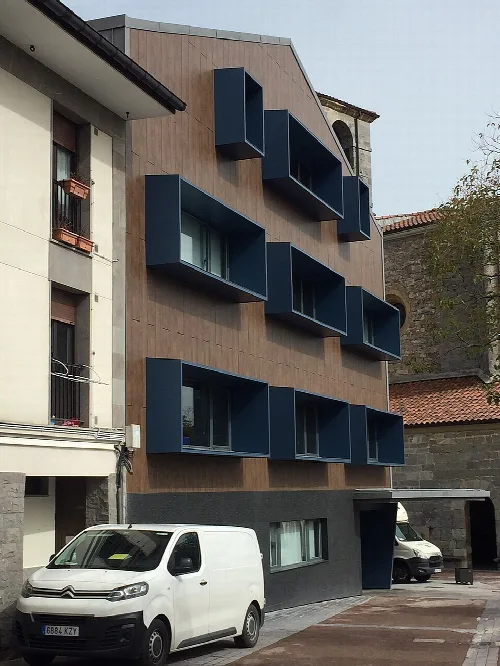
Current school Opened in March 2020.
Language of instruction Basque is the primary language of teaching.
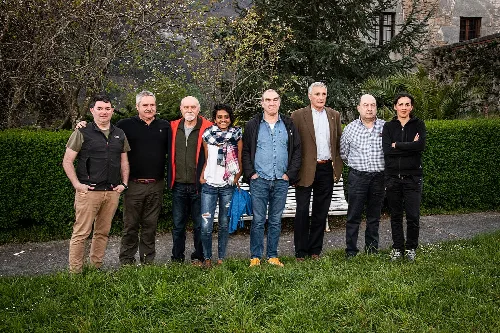
Alkiza mayor and councillors team during 2019-2023 term.The Santiago hermitage in Alkiza, built of stone and surrounded by trees, in a rural setting in Guipúzcoa.
05Economy
Historically, Alkiza's economy was based on agriculture and related activities, such as blacksmithing and milling. In recent decades, economic activity has diminished, with many residents now working in nearby towns.
Main economic activities Agriculture and blacksmithing until the mid-20th century.
Hydroelectric power station Established in 1911.
Current economic fabric Includes a rural hotel, winery, and a mini hydroelectric plant.
Local company Baldosas Jarri was a significant employer.
Current employment trend Residents primarily work outside the municipality.
06Points of Interest
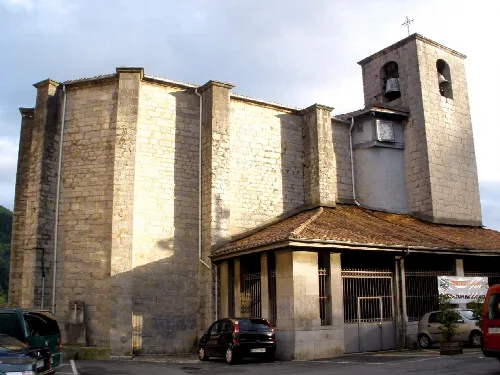
Alkiza is home to several notable structures and sites, including the Gothic-style parish church of San Martin de Tours and the historic Lete manor. The village also features various hermitages and a pelota court, reflecting its cultural traditions.
Parish of San Martin de Tours Gothic church with a notable altarpiece.
Lete manor Medieval origin, significant local lineage.
Hermitage of Santiago Documented since 1528.
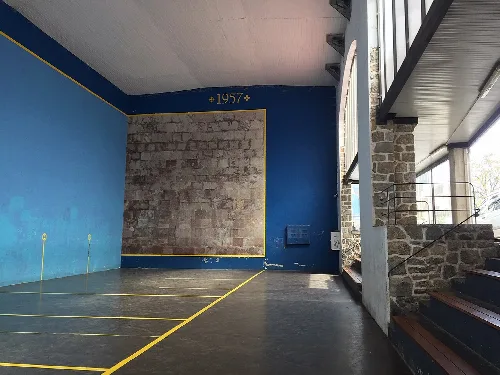
Pelota court First built in 1922, significant for local sports.
Fagus-Alkiza Interpretation Centre Gateway to the Hernio-Gazume Special Conservation Area.
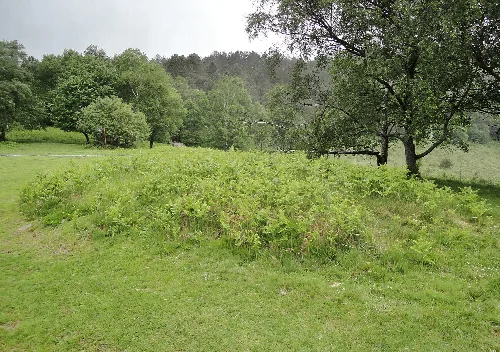
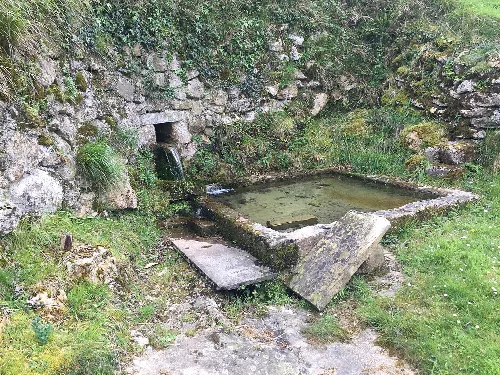
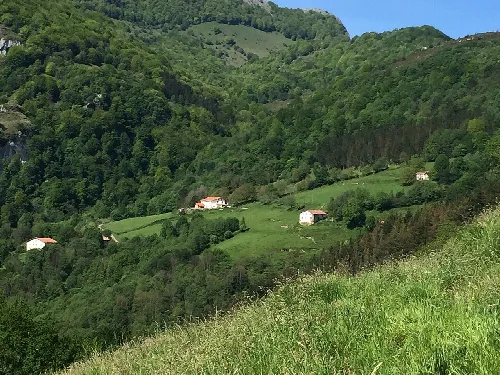
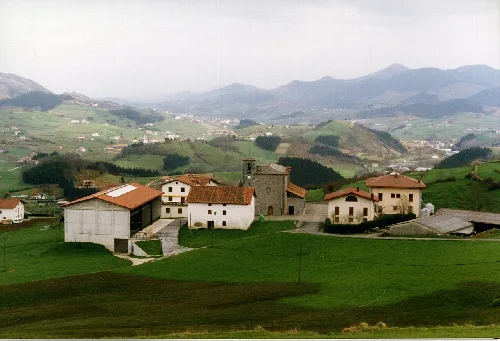
Itxurain tumulus in Alkiza, surrounded by greenery and trees in a lush landscape.Pelota court in Alkiza with blue walls and a stone wall in the background.Source of Etxabeguren Berri farm in Alkiza, with a water spout and stone basin.New school in Alkiza with a modern design and dark blue framed windows.Views of several farmhouses on the green slopes of the Alkiza valley in Guipúzcoa.
Frequently asked questions
What can you tell me about the Ermita de Santiago in Alkiza?
The Ermita de Santiago is located next to the cemetery in Alkiza. It was first documented in 1528 and has also been referred to as a hospital in historical texts. A calvary was commissioned in 1762 to connect it with the parish church, and it served as a place for masses until 1977. Currently, it is desacralized and no longer used for religious services.
What is the significance of the Itxurain tumulus in Alkiza?
The Itxurain tumulus is a burial mound that dates back to the Bronze Age, showcasing early human activity in the area. It represents the historical significance of Alkiza, with archaeological findings such as ceramic pieces discovered in nearby caves. This site highlights the ancient heritage of the region.
Alkiza is located approximately 27 kilometers south of San Sebastian. You can reach it via the GI-3630 road, which connects Alkiza with Anoeta and Asteasu. The road branches were inaugurated in the 1950s, providing better access to the village.
Alkiza offers traditional Basque cuisine, which includes dishes made from locally sourced ingredients. You can find specialties like txakoli wine from the Inazio Urruzola Txakoli winery, as well as various local cheeses and cured meats. The municipality's agricultural roots influence its culinary offerings.
The main festival in Alkiza is celebrated on September 8. This event brings together the community for various activities, showcasing local culture and traditions. Festivals in Basque towns often include music, food, and various cultural performances, making it a vibrant time to visit.
Can you tell me about the local climate in Alkiza?
Alkiza has a typically Oceanic climate, characterized by mild temperatures and significant rainfall throughout the year. The village is situated at 340 meters above sea level, which contributes to its lush greenery and natural beauty, making it a pleasant place for outdoor activities.
What is the significance of the Pelota Court in Alkiza?
The Pelota Court in Alkiza is historically significant as it reflects the local culture and tradition of playing pelota, a popular Basque sport. The first court was built in 1922, and the current covered fronton was inaugurated in 1957. It serves as a community gathering space for sports and events.
Alkiza is officially divided into five neighborhoods: Aldapa, Arana, Azaldegi, Hernio, and Sakamidra. Each neighborhood has its unique characteristics and community, contributing to the overall identity of the municipality. This division reflects the historical organization of the village.
What can you tell me about the history of education in Alkiza?
Education in Alkiza has a long history, beginning in 1749 when the city council appointed a notary to teach reading and writing. Over the years, the educational structure evolved, leading to the establishment of a dedicated school building in 1930. Today, the school offers preschool and primary education to local children.
The Ur Mara open-air museum in Alkiza showcases the works of local artists, including sculptor Koldobika Jauregi and jewelry designer Elena Cajarabille. It features a variety of artistic creations and hosts an annual program of concerts, exhibitions, and workshops, promoting cultural engagement within the community.
 espana.net