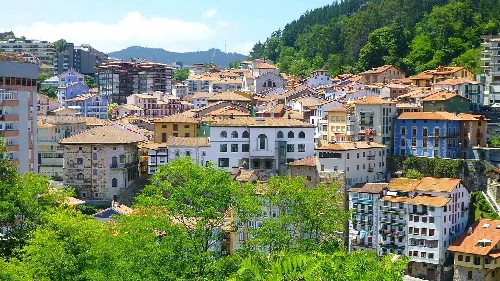
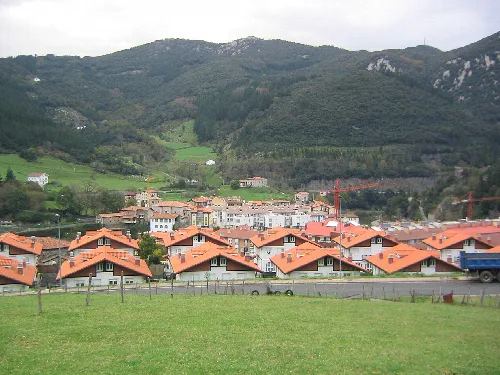
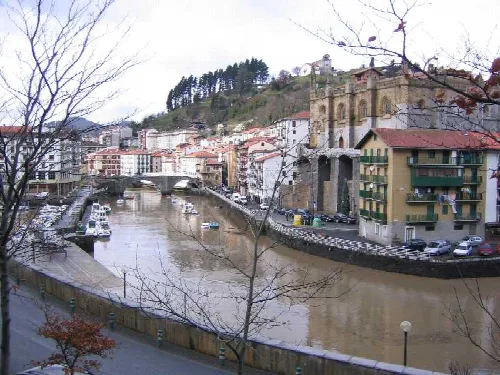
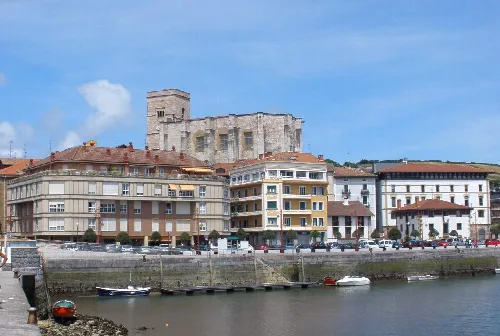
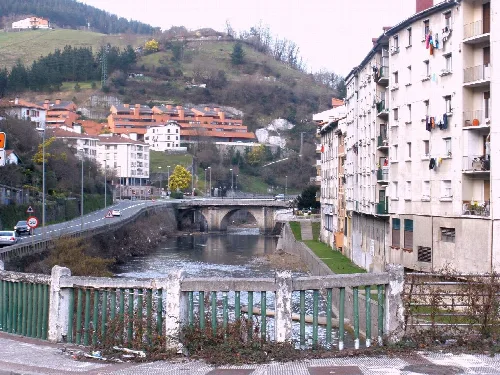
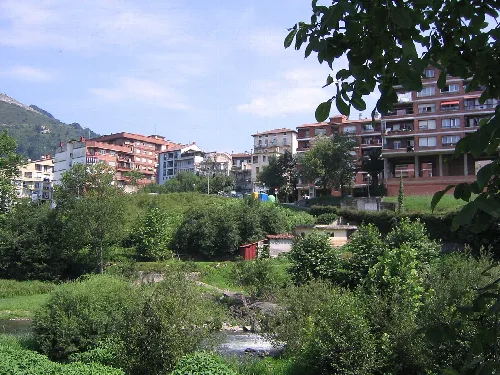
Deba, also known as Deva, is a coastal municipality in Gipuzkoa, Basque Country, located at the mouth of the Deva River. Characterized by its rugged terrain and beautiful beaches, it is part of the Geopark of the Basque Coast, attracting visitors with its natural and historical significance.
02Geography
Deba is situated in the Bajo Deva comarca, approximately 41 kilometers from Donostia-San Sebastián. The municipality is traversed by the AP-8 motorway and the N-634 road, connecting it to nearby towns. The landscape is defined by the Deva River, the Cantabrian coast, and surrounding mountains, with notable peaks such as Sesiarte and Arrateko. The town itself lies at an elevation of 4 meters above sea level.
Distance to the coast
0 km
Main rivers
Deva, Urola
Main mountains
Sesiarte, Arrateko, Aitolako, Anduz
Coastal features
Cliffs and beaches
03History
The origins of Deba trace back to the rural settlement of Icíar, founded in 1294. The town was relocated to its current site in 1343, initially named Monreal de Deva. Over the centuries, Deba has witnessed significant historical events, including its role in the Wars of the Communities and the Carlist Wars, as well as its development as a summer resort in the 19th century.
1294 Foundation of Icíar.
1343 Relocation to the current site and renaming to Monreal de Deva.
1520 Joined the Comuneros during the War of the Communities.
19th century Became a popular summer resort.
1936 Occupied by rebel troops during the Spanish Civil War.
Deba is a coastal municipality in Gipuzkoa, known for its beaches and historical significance in the Basque Country.
04Economy
Historically, Deba's economy relied on commerce and industry, with a significant focus on agriculture and livestock. Today, the economy is supported by the service sector, particularly tourism, which accounts for nearly 50% of employment. The industrial sector, mainly metalworking and automotive components, also plays a crucial role.
Agricultural area
3506 ha
Percentage of active population in services
50%
Percentage of active population in industry
38%
Number of small farms
220
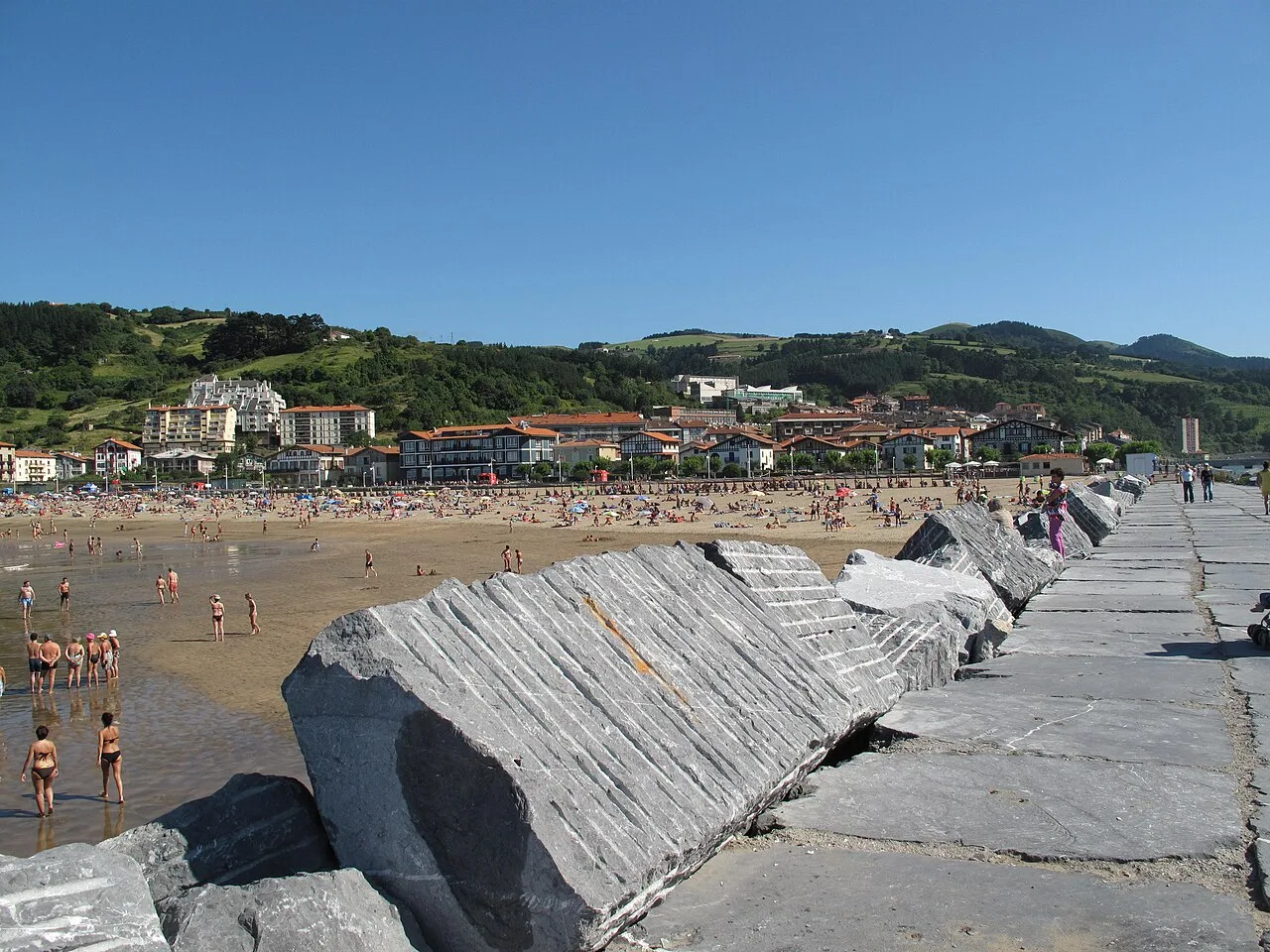
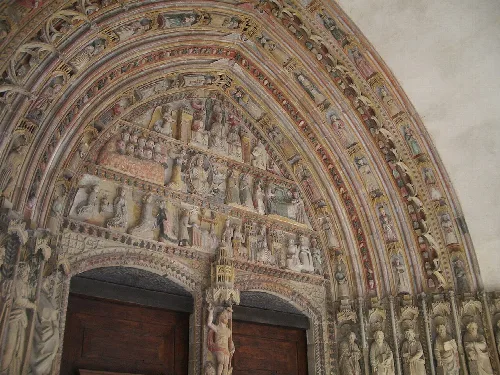
Deba beach with green hills and buildings in the distance in GuipúzcoaGothic portal from Santa Maria church in Deba, with sculptural details on the arch.
05Attractions
Deba is renowned for its stunning beaches, including Playa de Santiago and Playa de Lapari, which are popular among tourists. The town also features significant archaeological sites, such as the Cueva de Ekain, known for its prehistoric paintings, and various historical buildings, including the Church of Santa María and the Sanctuary of Nuestra Señora de Icíar.
Playa de Santiago
Playa de Lapari
Cueva de Ekain Prehistoric cave with significant paintings.
Church of Santa María Gothic church with a notable façade.
Sanctuary of Nuestra Señora de Icíar Historic church dating back to the 13th century.
06Festivals
Deba celebrates its patron saint festival in honor of San Roque on August 16, featuring traditional events such as bull runs and a tamborrada. Each neighborhood has its own festivities, contributing to the vibrant cultural life of the municipality.
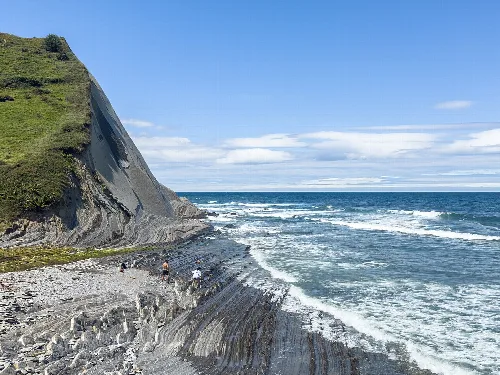
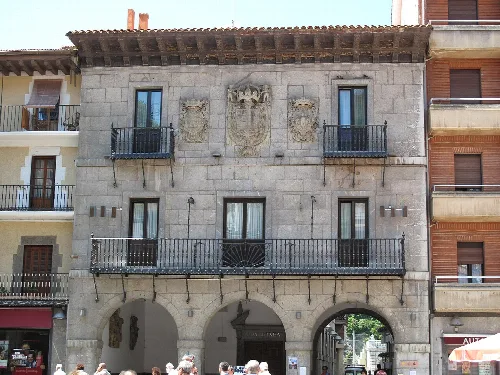
Deva beach features flysch formations along the Basque Coast Geopark.Historic building with arches on the ground floor and coats of arms on the facade in Deba, Guipúzcoa.
Frequently asked questions
What is the history behind the name 'Deba'?
The name 'Deba' derives from the river Deva, which flows into the sea at this location. Originally founded in 1294 as Monreal de Icíar, the settlement was moved to its current site in 1343. Over time, the name evolved, and 'Deba' became the official form in Euskera in 1981, reflecting modern spelling rules.
Deba boasts beautiful beaches, notably Playa de Santiago and Playa de Lapari. Playa de Santiago, often referred to as Playa de Deba, is popular for its scenic views and swimming opportunities. Playa de Lapari is adjacent and part of the unique geological formations in the area, making both beaches attractive destinations for visitors.
Deba is known for its stunning coastline, particularly the cliffs and beaches that are part of the Basque Coast Geopark. The Gothic portal of the Santa Maria church is another highlight, showcasing intricate architecture. Additionally, the area is rich in prehistoric sites, including the famous Ekain cave paintings.
To reach Deba from San Sebastián, you can take the N-634 road, which connects the two locations. Public transportation options, such as buses, are also available, providing convenient access to this coastal town.
What is the significance of the Basque Coast Geopark near Deba?
The Basque Coast Geopark, which includes Deba, is significant for its unique geological formations, particularly the flysch cliffs. These cliffs are vital for geological research and biodiversity, making the area a popular spot for both tourists and scientists interested in natural history.
Deba offers a variety of traditional Basque cuisine. Visitors can enjoy local seafood, especially fresh fish from the Cantabrian Sea, as well as pintxos, which are small snacks typically served in bars. The region is also known for its cider and local wines, complementing the culinary experience.
Deba hosts various local events and festivals throughout the year, celebrating its culture and traditions. One notable event is the San Juan festival, which features music, dancing, and local gastronomy, attracting both residents and visitors alike.
Deba has a close-knit community with a population of around 5,362 residents. The town is characterized by its friendly atmosphere, where locals actively participate in cultural and social events. The presence of various neighborhoods, such as Itziar and Lastur, adds to the community's charm.
In Deba, historical sites like the Santa Maria church are must-visit attractions. The church features a stunning Gothic portal and a beautiful cloister. Additionally, the remnants of prehistoric settlements and the nearby Ekain cave paintings provide insight into the area's rich history.
Deba offers a range of outdoor activities, including hiking along the cliffs of the Basque Coast and exploring the beaches. The surrounding natural parks provide opportunities for birdwatching, cycling, and enjoying the scenic landscapes, making it a great destination for nature lovers.
 espana.net