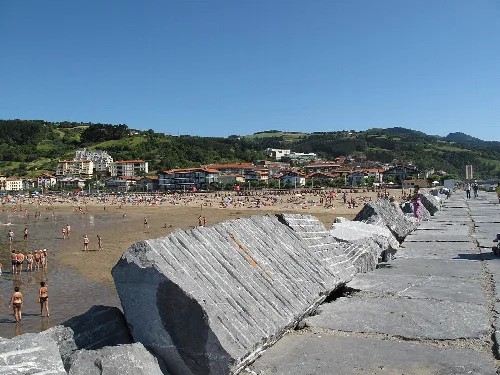
Zumaia is a coastal town located in the Basque Country of Spain, known for its remarkable geological formations and rich cultural heritage. The town features two notable beaches, Itzurun and Santiago, which are significant for their unique flysch rock strata and fossil findings.
02Geography
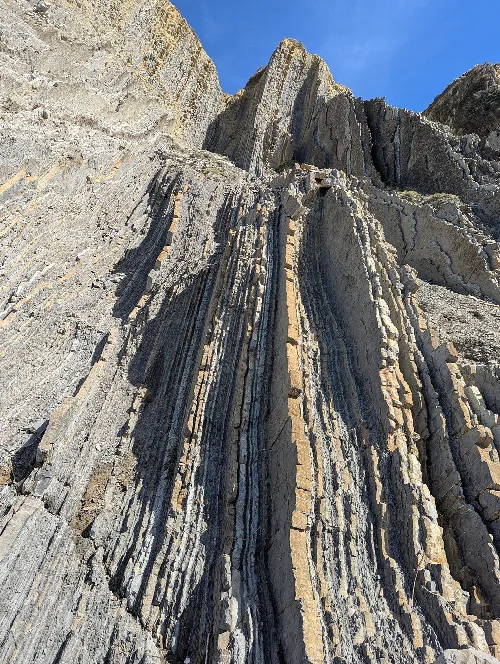
Zumaia is situated at the confluence of the Urola and Narrondo rivers, providing a scenic coastal landscape. The town is characterized by its two beaches, Itzurun and Santiago, which are not only popular for their beauty but also for their geological significance. The surrounding area features the longest continuous rock strata in the world, known as flysch, which attracts geologists and nature enthusiasts alike.
Patron saint
Immaculate Conception of the Virgin Mary
03History
The origins of Zumaia date back to the establishment of the Monastery of Santa Maria, which played a crucial role in the town's development. The town was officially recognized in 1347 when it received its municipal charter. Over the centuries, Zumaia evolved from a fortified settlement to a thriving community engaged in agriculture, fishing, and later, industrial activities.
1347 Zumaia granted municipal charter by Alfonso XI of Castile.
16th century Population of 136 houses, with many engaged in fishing and agriculture.
1620 Patron saint Ignatius of Loyola chosen on December 27.
19th century Cement factories became the economic engine of the town.
1950 56.1% of the population worked in the industrial sector.
Zumaia, a Basque coastal town, is renowned for its geological formations and cultural heritage, featuring unique beaches and historical sites.
04Cultural Heritage
Zumaia boasts a rich cultural heritage, highlighted by the museum dedicated to the painter Ignacio Zuloaga, which showcases works by renowned artists. The Basque-style Gothic church of San Pedro is another significant landmark, featuring a notable reredos by Juan de Antxieta. The town's connection to octopus fishing is a unique aspect of its culture, with traditional methods and recipes still practiced today.
Museum of Ignacio Zuloaga
San Pedro Church Features a reredos by Juan de Antxieta.
Octopus fishing tradition Unique cultural practice with specific techniques.
Craft and hand-crafted products museum Showcases local craftsmanship.
IUGS Geological Heritage Site Recognized for its significant geological formations.
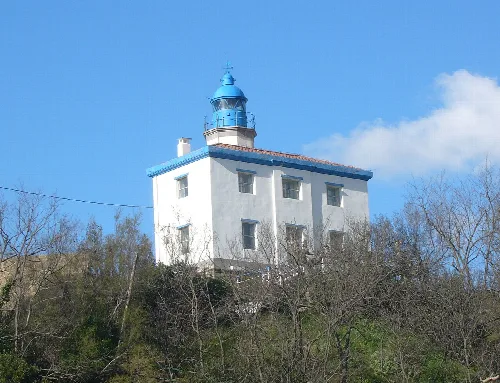
Zumaia Lighthouse in Guipúzcoa on a hill with vegetation and blue sky.Itzurun beach in Zumaya, with green cliffs and waves breaking on the sand.
05Economy
Historically, Zumaia's economy was primarily based on agriculture and fishing, with the town's strategic coastal location facilitating trade and navigation. Over time, industrial activities, particularly in cement production and shipbuilding, became prominent. Today, the economy reflects a blend of traditional practices and modern industries, adapting to changing market trends.
Primary economic activities Agriculture, fishing, and industrial production.
Cement industry Once a major economic driver, now in decline.
Fishing activities Continues to be significant, especially octopus fishing.
Transportation improvements Enhanced connectivity with surrounding regions.
Population growth Driven by industrialization and immigration.
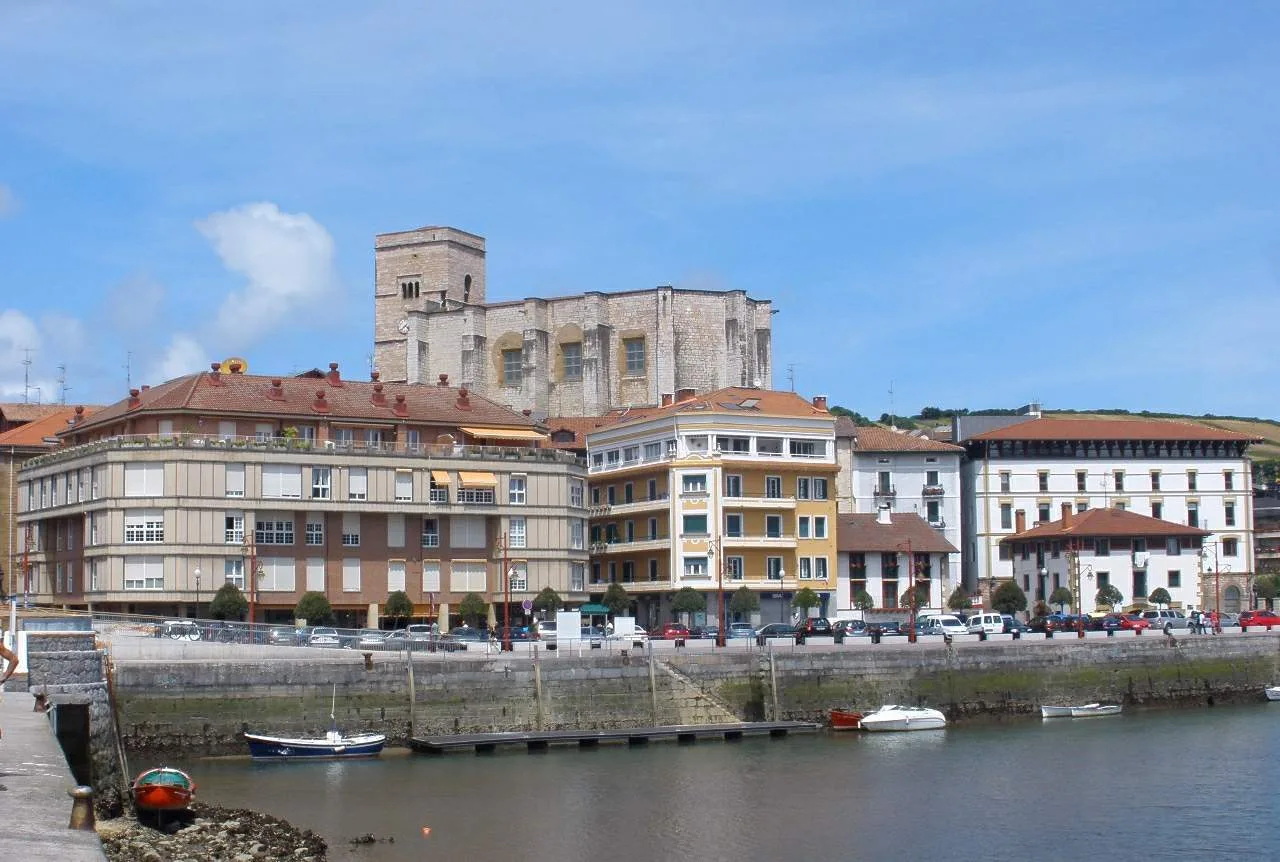
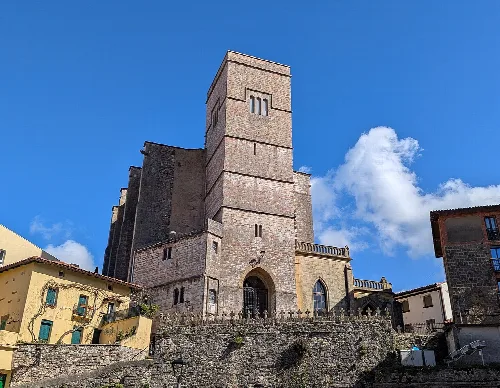
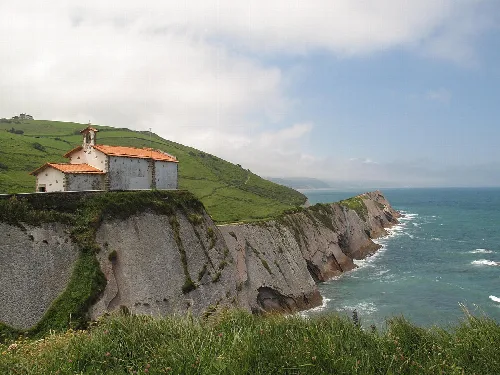
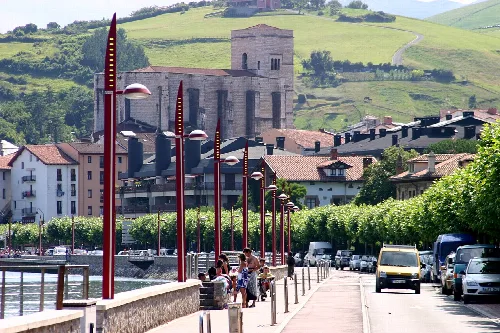
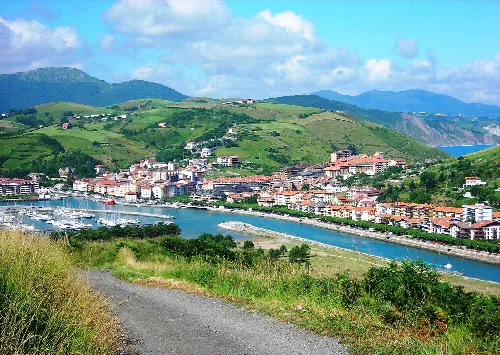
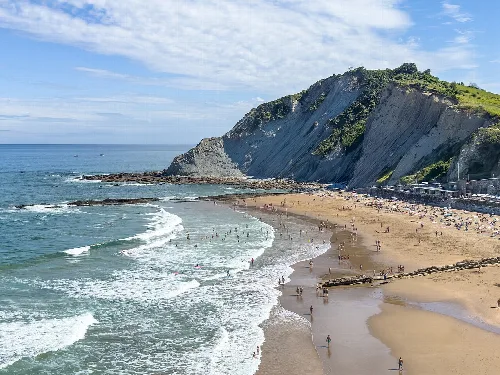
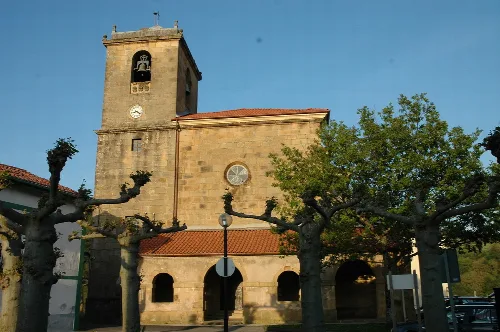
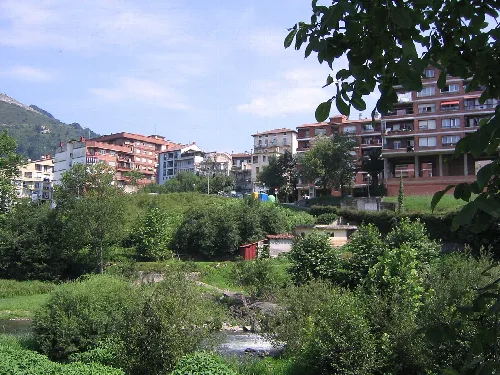
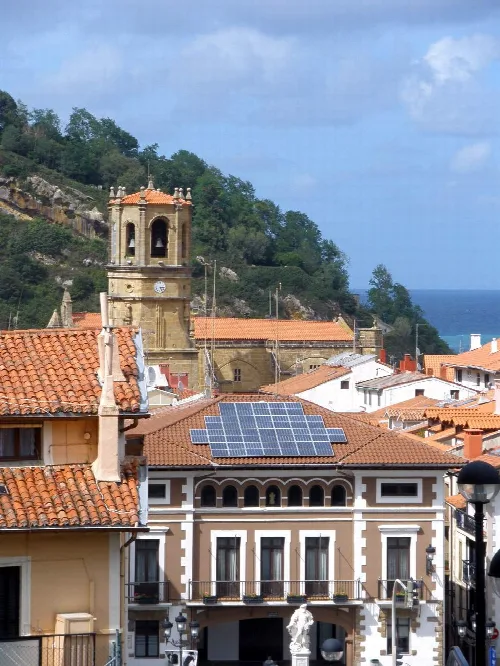
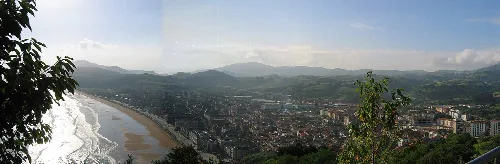
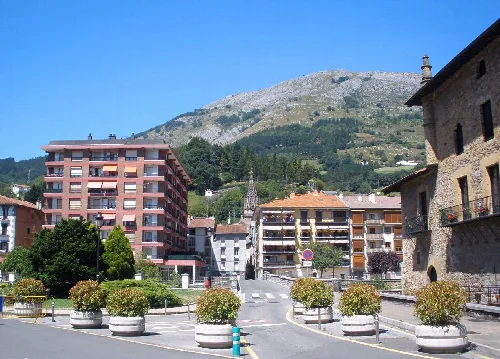
San Pedro Church in Zumaia, with its tall tower and stone structure, dominates the townscape.Flysch formations at Itzurun beach, Zumaia, with layered and vertical rocks.San Telmo hermitage in Zumaia, located on a cliff overlooking the Cantabrian Sea.Zumaia seen from the beach, with busy streets and a church in the background in Guipúzcoa.Overview of Zumaya with the river and green hills in the background.
Frequently asked questions
What is the significance of Itzurun beach in Zumaia?
Itzurun beach is notable for its geological formations, specifically the flysch rock strata that date back over 100 million years. This beach is also home to the K–T boundary, where fossils, especially ammonites, can be found. The unique geological features make it a point of interest for geologists and visitors alike.
The Lighthouse of Zumaia is a prominent landmark situated on a hill overlooking the coastline. It serves as a navigational aid for ships and is a picturesque spot for visitors. The bright blue dome adds to its charm, making it a popular subject for photographs.
What is the history behind the Iglesia de San Pedro?
The Iglesia de San Pedro is a Basque-style Gothic church located in the center of Zumaia. It features a magnificent reredos by Juan de Antxieta, the only work by this sculptor found in Gipuzkoa. The church reflects the town's historical significance and defensive past.
What are the best places to catch octopus in Zumaia?
In Zumaia, the best spots for catching octopus include the rocks of Itzurun beach, Inpernupe, and the coastline between Zumaia and Deba. Fishermen typically look for visible rocks during low tide, as octopuses often hide in the holes of these rocks.
How did Zumaia develop economically over the centuries?
Zumaia's economy evolved from agriculture in its early days to include fishing, navigation, and later, cement manufacturing. The establishment of transport links in the 19th century boosted trade, while the industrial sector grew significantly in the 20th century, leading to population increases and economic changes.
What makes the octopus fishing tradition special in Zumaia?
Zumaia has a unique tradition of octopus fishing, different from nearby towns. Fishermen use various techniques to catch octopuses, and the practice has become an integral part of the town's culture. Regulations now limit catches to one octopus per day to protect the species.
What can you tell me about the geological heritage of Zumaia?
Zumaia is recognized for its geological significance, particularly the Cretaceous-Paleogene Stratigraphic Section, which is one of the best-exposed marine sediment outcrops globally. This site was included in the IUGS list of geological heritage sites due to its scientific relevance.
The name 'Zumaia' is believed to derive from the Basque word 'zuma' or 'zume', meaning 'wicker', which was abundant in the area. This etymology reflects the town's connection to its natural surroundings and historical agricultural practices.
Yes, Zumaia is home to the Ignacio Zuloaga museum, showcasing the works of the painter Ignacio Zuloaga, along with pieces by renowned artists like El Greco and Goya. Additionally, there's a museum dedicated to craft and hand-crafted products, offering insights into local culture.
What historical events shaped the founding of Zumaia?
Zumaia's founding is closely tied to the Monastery of Santa Maria, established in 1292. The town was fortified in response to pirate attacks during the Middle Ages, leading to its official recognition as a villa in 1347. These events laid the groundwork for its development.
 espana.net