What is the history behind the Viaducto de Ormáiztegui?
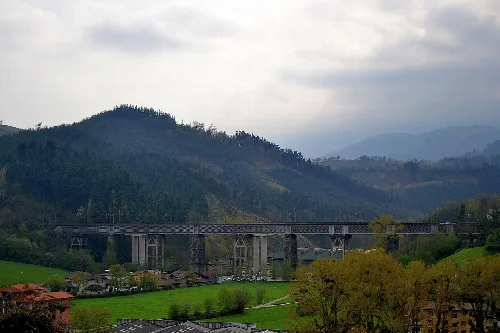
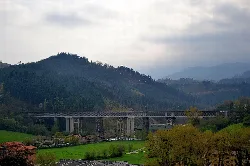
The Viaducto de Ormáiztegui, a symbol of the town, was constructed in 1863 as part of the Madrid-Irún railway line. Originally designed by engineer Alexander Lavalley, it measures 286 meters in length and 35 meters in height. Although it was destroyed during the Spanish Civil War, it was fully reconstructed in 1940 and declared a monument to preserve its historical significance.
History
Viaducto de Ormáiztegui
What can I find at the Zumalacárregi Museum?
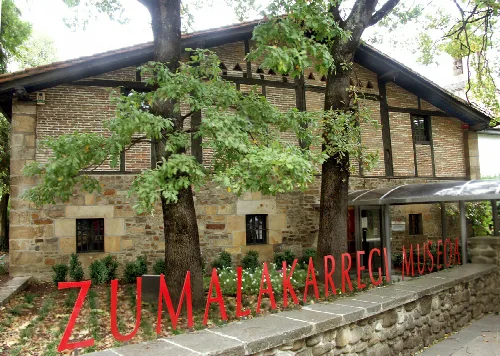
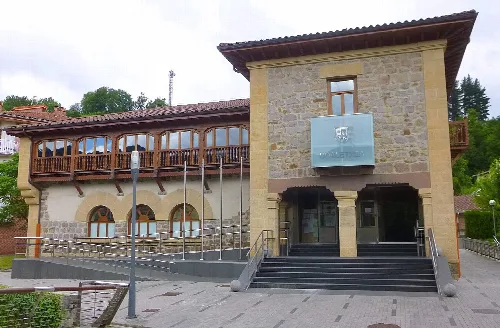
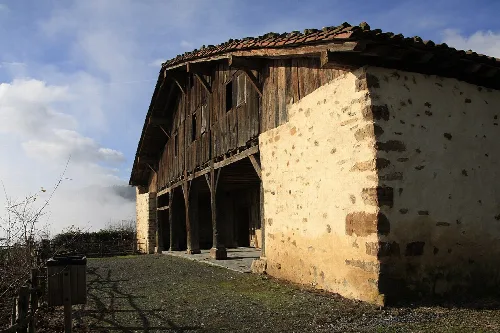
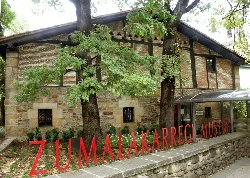
The Zumalacárregi Museum, located in the caserío Iriarte Erdikoa, is dedicated to General Tomás de Zumalacárregui and the history of the Basque Country in the 19th century. It showcases artifacts and exhibits related to his life and the region's historical context, making it a significant cultural site for visitors interested in local history.
Sights
Zumalacárregi Museum
What are the main industries in Ormaiztegi?
Ormaiztegi's economy is primarily driven by the industrial sector, with around 50% of the active population employed in this area. The most notable company is Irizar, specializing in luxury coach manufacturing. Other industries include furniture production and electrical machinery, contributing to the town's economic landscape.
Living there
For residents
What are the main festivals celebrated in Ormaiztegi?
Ormaiztegi celebrates its patron saint festival in honor of San Andrés around November 29, featuring activities like an artisan fair and a cycle-cross competition. Other festivities include San Juan on June 23, a pilgrimage to the Liernia hermitage in July, and a popular dinner on September 29 for San Miguel, among others, enriching the town's cultural calendar.
Festivals & events
What is the significance of the Church of San Andrés?
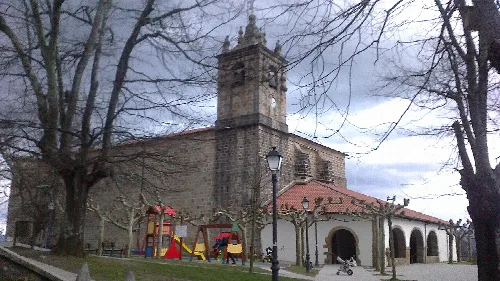
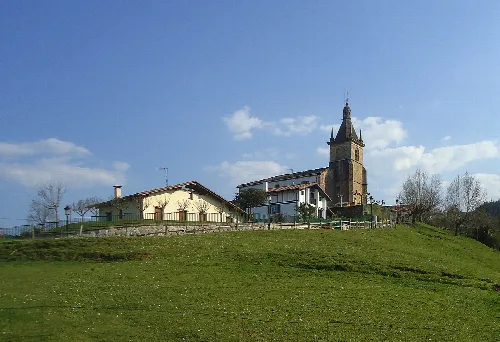
The Church of San Andrés, reconstructed in the 16th century, is significant for its historical and architectural value. It features a Visigothic baptismal font, making it an important site for both religious practices and local heritage, reflecting the town's historical roots.
History
Church of San Andrés For residents
How has the economy of Ormaiztegi changed over time?
Historically reliant on agriculture and livestock, Ormaiztegi's economy began shifting in the 19th century with the establishment of the railway and the Irizar company. This industrialization transformed the local economy, leading to a focus on manufacturing and services, with a significant portion of the population now employed in these sectors.
Living there
For residents
What natural features surround Ormaiztegi?
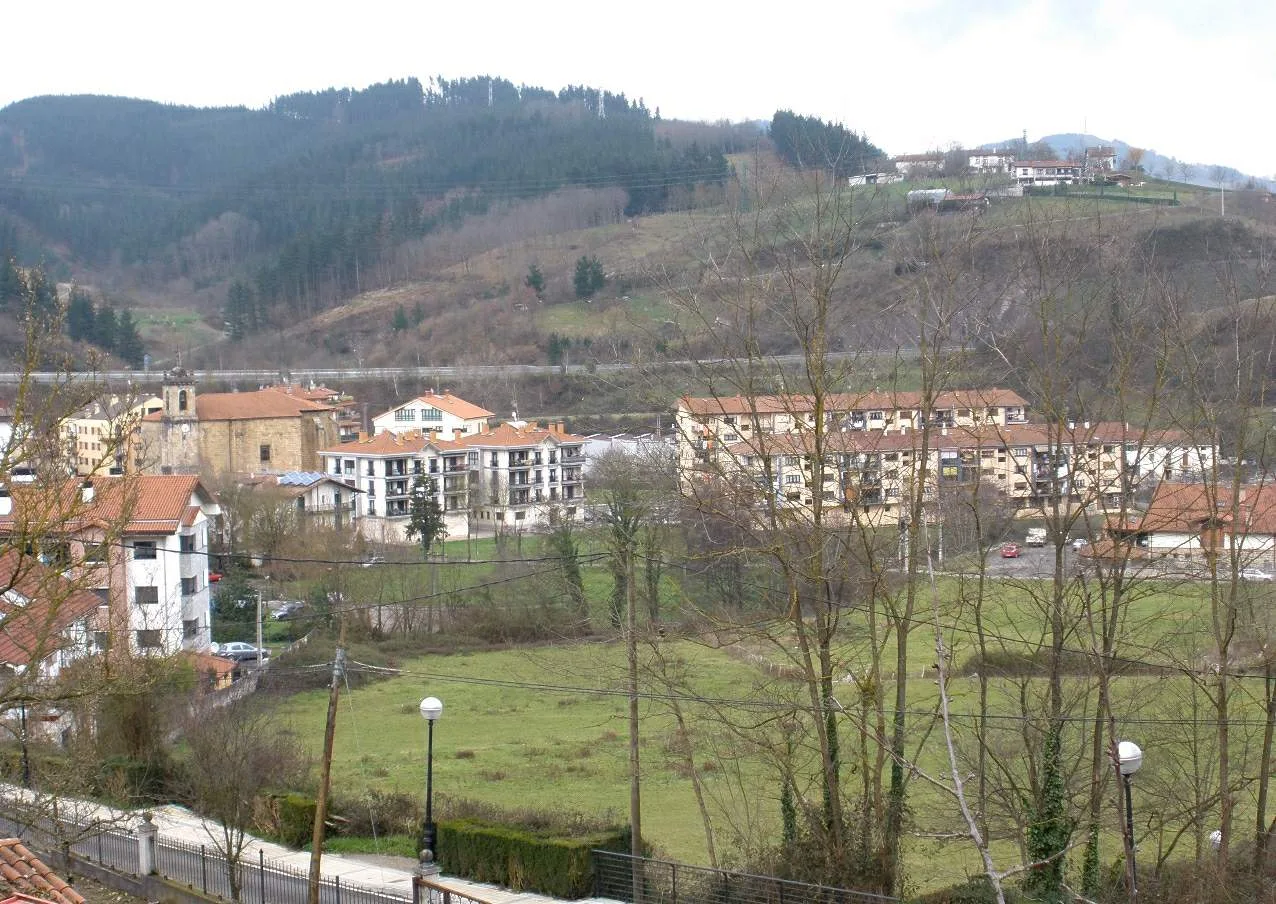
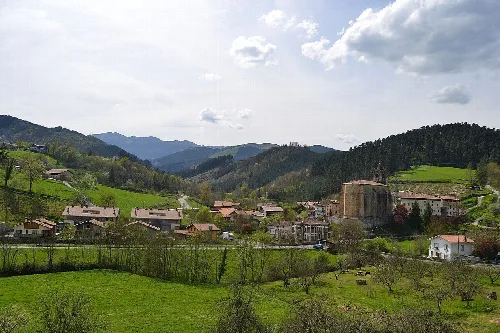
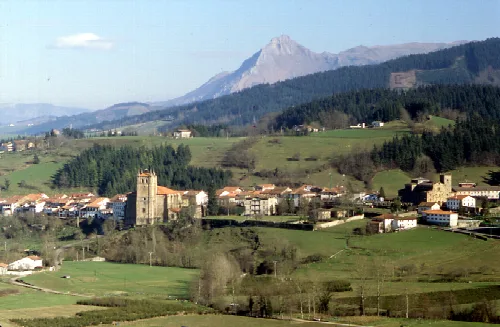
Ormaiztegi is located in a valley at 195 meters above sea level, surrounded by the Monte Española and Ukarreo mountains. The area is rich in water resources, with the Estanda River and its tributary, the Santa Lucía stream, creating a lush landscape that enhances the town's natural beauty.
Nature
What is the local cuisine like in Ormaiztegi?
Ormaiztegi features traditional Basque cuisine, with local specialties often highlighted during festivals. One notable dish is the morcilla, a type of blood sausage, which is celebrated in competitions during the patron saint festivities, showcasing the town's culinary heritage and local flavors.
Food & drink
How do I get to Ormaiztegi from nearby towns?
Ormaiztegi is strategically located between Beasáin and Zumárraga, making it accessible via local roads. The town serves as a hub for neighboring smaller municipalities, facilitating easy travel for residents and visitors alike. Public transport options may also connect these areas, enhancing accessibility.
Getting there
What is the population of Ormaiztegi?
Ormaiztegi has a population of approximately 1,293 residents as of 2025. This small community size contributes to a close-knit atmosphere, where local traditions and culture are actively preserved and celebrated among its inhabitants.
Living there
For residents
 espana.net