What is the Ermita de la Virgen de la Corona?
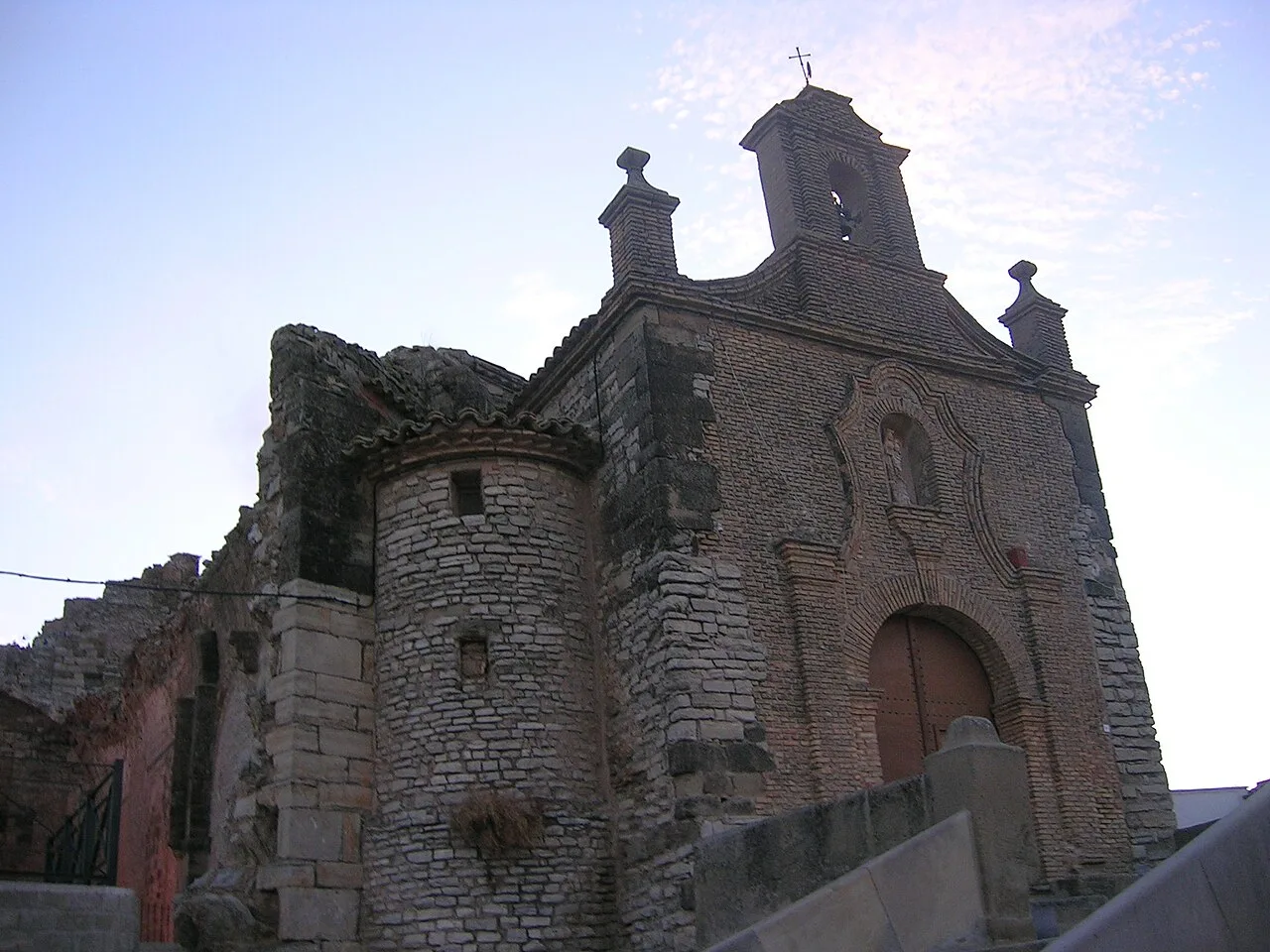
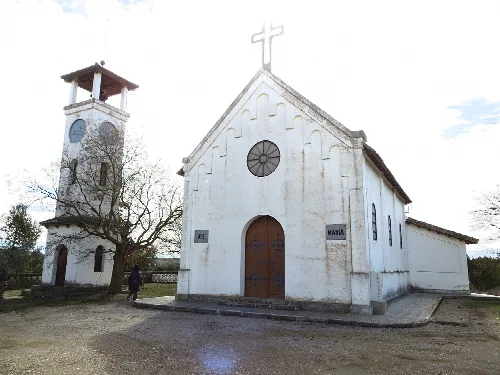
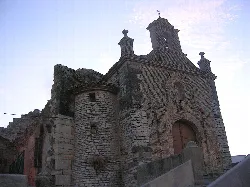
The Ermita de la Virgen de la Corona is a historic chapel located on the hill of the Castillo in Almudévar. Originally built in the Romanesque style, it underwent significant renovations in the 16th and 18th centuries. The chapel features a star-vaulted ceiling and includes side chapels dedicated to various saints. Its Baroque facade adds to its architectural charm, making it a notable landmark in the area.
Sights
Ermita de la Virgen de la Corona
How can I get to Almudévar?
Almudévar is well-connected by major roads, including the Mudéjar Highway (A-23) and the national road N-330. These routes facilitate easy access to the municipality from nearby cities, making it convenient for visitors traveling by car. Public transport options may also be available, connecting Almudévar to Huesca and other surrounding areas.
Getting there
What historical significance does Almudévar have?
Almudévar has a rich history dating back to Roman times, originally known as 'Bortina'. It was later influenced by Visigoth and Muslim rule, with its name deriving from the Arabic term meaning 'the round'. The town played a significant role during the Reconquista, particularly in 1118 when it was captured from Muslim forces. Its history is reflected in various architectural remnants and historical accounts.
History
What are the local festivities like in Almudévar?
Almudévar celebrates its major festival from September 7 to 12 in honor of the Virgen de la Corona. The festivities include traditional processions with the 'Danzantes de Almudévar', who perform dances during the 'Bajada de la Virgen' and 'Subida de la Virgen'. Additionally, a smaller celebration occurs on May 15 for San Isidro Labrador, showcasing local customs and community spirit.
Festivals & events
What can you tell me about the castle in Almudévar?
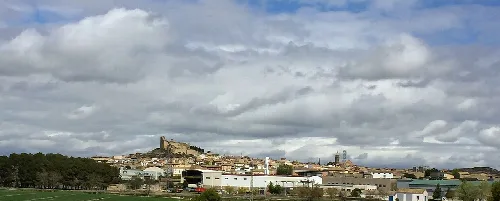
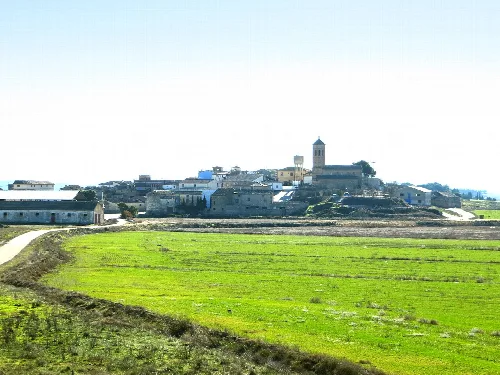
The castle in Almudévar, known as the Castillo de la Corona, is a fortress of Muslim origin that overlooks the town. It features archaeological remains from medieval times, including parts of its southern walls. The castle has historical significance, having been involved in various conflicts during the Reconquista, and it remains a prominent feature of the local landscape.
History
the castle
Is Almudévar a good place to live?
Almudévar offers a small-town atmosphere with a population of around 2,462 residents. It has essential amenities, a rich cultural heritage, and a community-oriented lifestyle. The town's historical significance, combined with its natural surroundings, makes it appealing for those seeking a quieter life away from urban centers, while still being accessible to larger cities like Huesca.
Living there
For residents
What is the climate like in Almudévar?
Almudévar experiences a Mediterranean climate with an average annual temperature of 12.8 °C. The area receives approximately 498 mm of precipitation annually. Summers are generally warm, while winters can be cooler, making it a pleasant place to visit year-round. The climate supports a variety of agricultural activities in the region.
Nature
What is the Fuente de los Tres Caños?
The Fuente de los Tres Caños is a historical fountain located north of the Almudévar urban area. Constructed from stone, it features a design that includes an abrevadero (trough) for livestock. Although it is currently used only for irrigation, it reflects the town's agricultural heritage and serves as a reminder of the community's past reliance on such water sources.
Sights
Fuente de los Tres Caños
What is the significance of the Balsa de la Culada?
The Balsa de la Culada is a circular stone reservoir that has provided drinking water to Almudévar since the 16th century. It features wash areas where local women would gather in the past. This structure highlights the town's historical reliance on water management and reflects the community's social interactions through its use over the years.
History
Balsa de la Culada For residents
What are the local wine traditions in Almudévar?
Almudévar has a historical tradition of viticulture, with local bodegas carved into the rock surrounding the town. These date back to medieval times and were used for wine production. Although wine production has declined, the 'Centro de Interpretación El Bodegón' celebrates this heritage, showcasing the town's winemaking history and offering guided tours during the summer.
Food & drink
 espana.net