What is the history behind the name Sabiñánigo?
The name Sabiñánigo has its origins in Latin, derived from the name Sabinianicu, which is linked to the person Sabinianus. The first documented mention dates back to 1035, appearing as Savignaneco. Over the centuries, it evolved into its current form, with historical references from the 12th and 13th centuries indicating its significance in the region.
History
What are the main sights to see in Sabiñánigo?
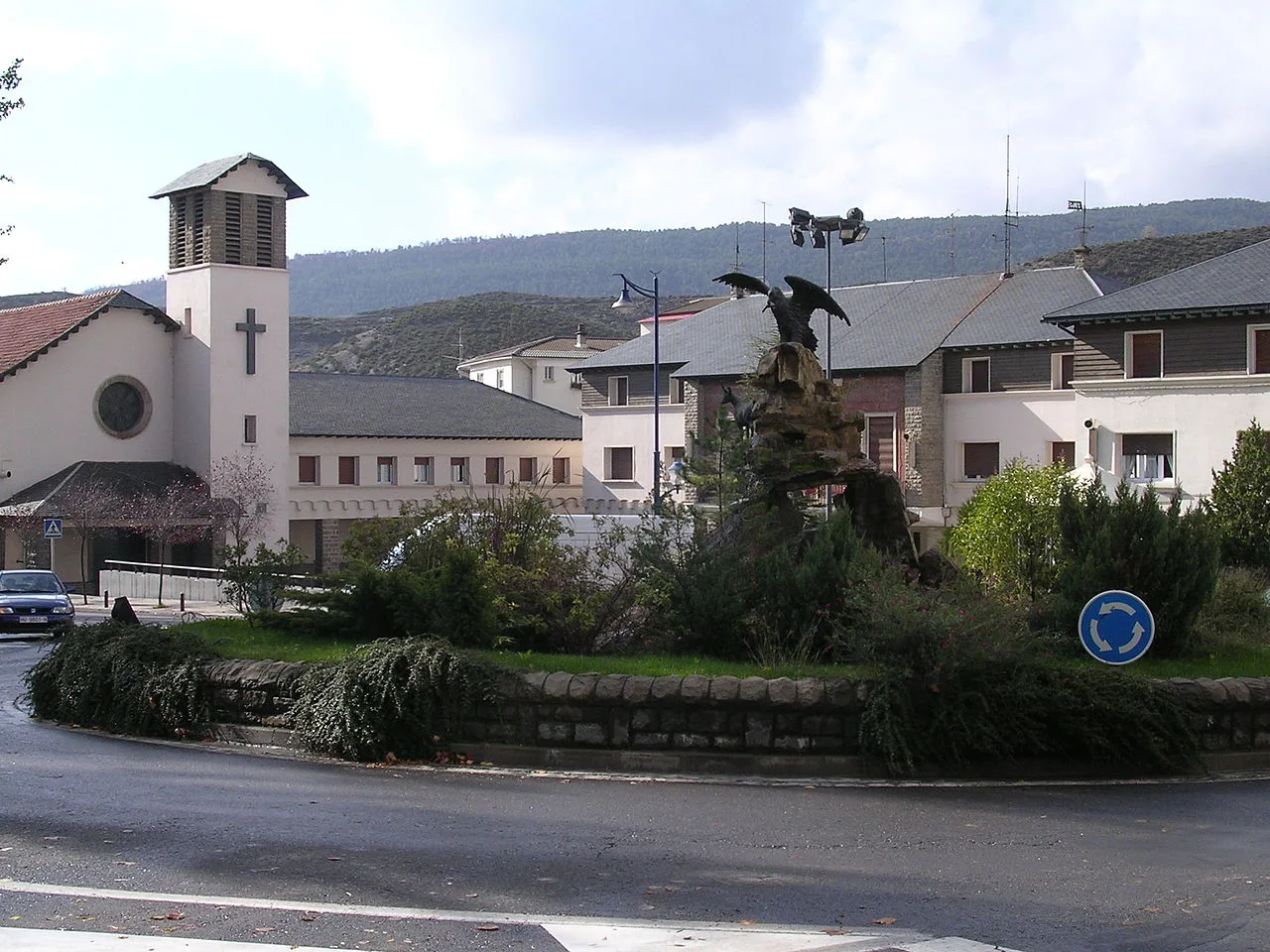
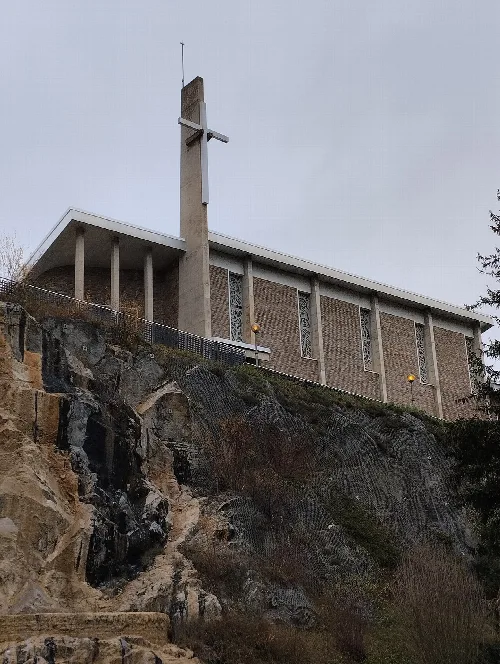
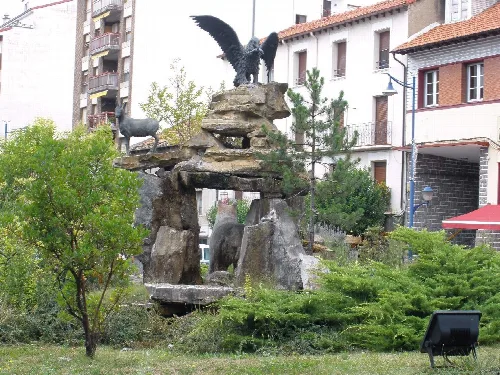
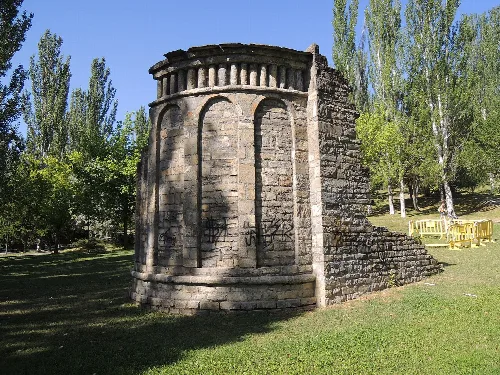
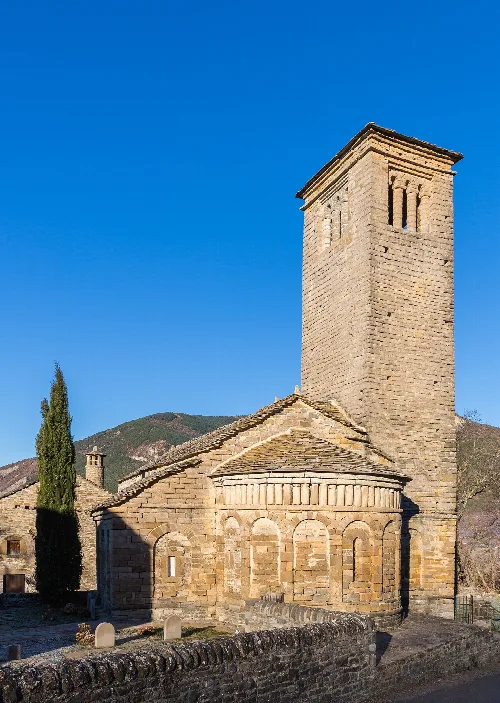
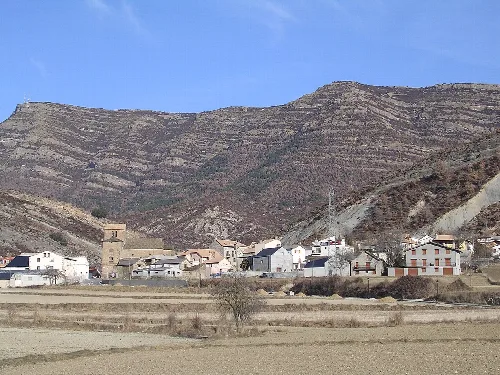
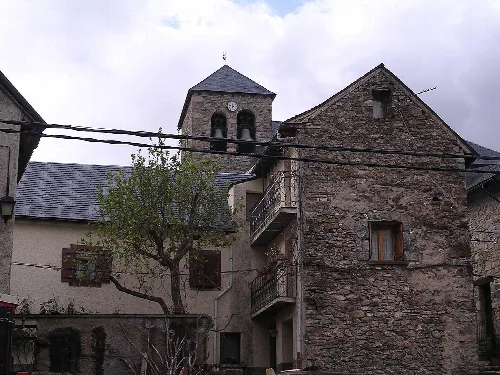
Sabiñánigo features several notable attractions, including the Casa Abacial, built in 1589, and the church dedicated to San Hipólito from the 17th century. The Museo Ángel Orensanz showcases local heritage, while the reconstructed ábside of Santa María de Gavín offers a glimpse into the region's architectural history. Don't miss the beautiful landscapes surrounding the town, especially the nearby Sierra y Cañones de Guara.
Sights
What is the significance of Santa Orosia in Sabiñánigo?
Santa Orosia is a key figure in Sabiñánigo, celebrated on June 25th with a romería, where many locals participate in a pilgrimage to her sanctuary. This event reflects the town's cultural and religious traditions, highlighting the importance of Santa Orosia to the community and its heritage.
Festivals & events
Santa Orosia
What outdoor activities can I enjoy in Sabiñánigo?
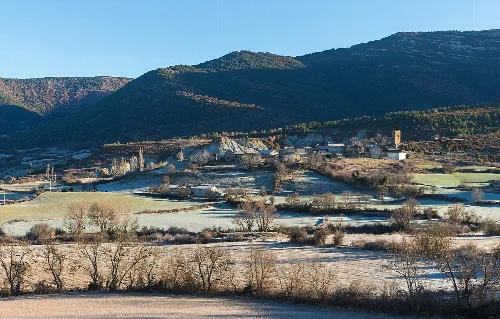
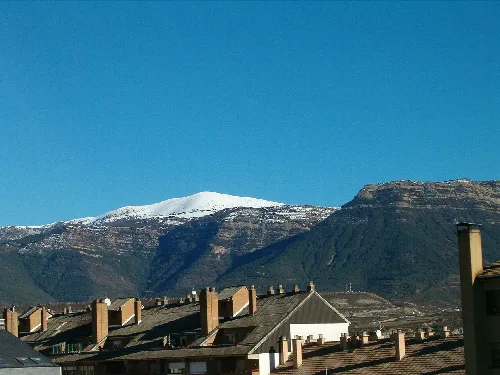
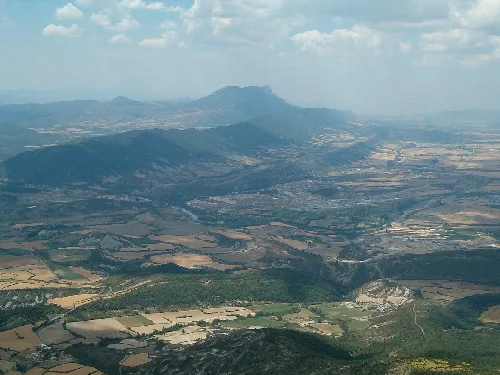
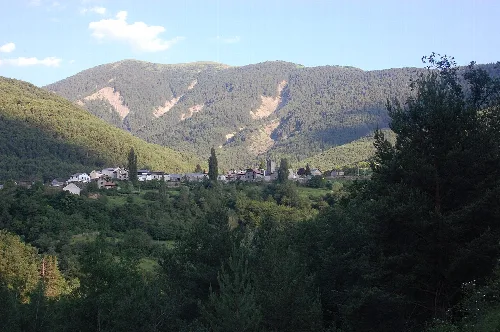
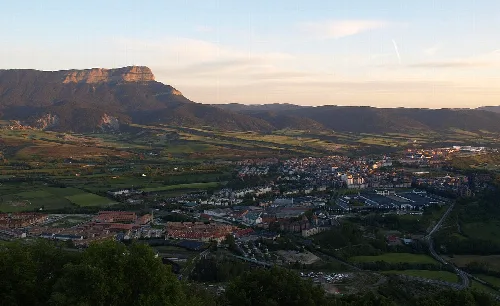
Sabiñánigo is surrounded by stunning natural landscapes, making it ideal for outdoor activities. Visitors can enjoy hiking in the nearby Sierra y Cañones de Guara or skiing at local resorts like Panticosa and Formigal. The region's valleys, including Valle de Acumuer and Valle de Serrablo, offer beautiful trails and scenic views for nature enthusiasts.
Nature
What are the main industries in Sabiñánigo?
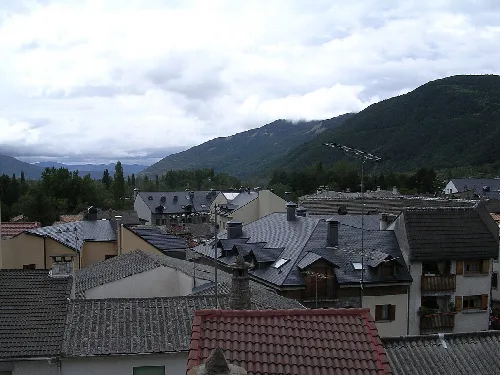
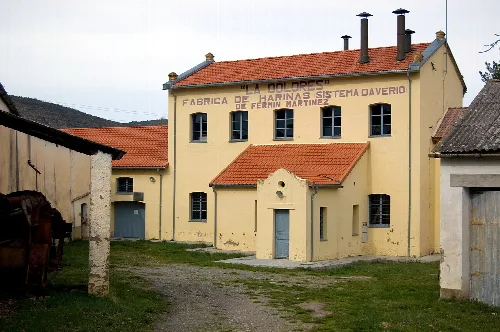
Historically, Sabiñánigo developed a strong industrial base, particularly in the early 20th century with the establishment of factories, including a notable chemical plant. While some industries have declined, the town still hosts several businesses that contribute to the local economy, maintaining a youthful demographic due to immigration for work opportunities.
Living there
For residents
How is the climate in Sabiñánigo?
Sabiñánigo experiences a Cfb climate according to Köppen classification, characterized by mild temperatures. Historical records show extreme temperatures, with a minimum of -25 °C in January 1954 and a maximum of 39.8 °C in July 1951. This variation contributes to the region's diverse natural environments.
Nature
What is the significance of the Quebrantahuesos cycling event?
The Quebrantahuesos is one of the most important amateur cycling events globally, held annually in Sabiñánigo. It attracts thousands of cyclists who tackle challenging mountain routes, showcasing the town's strong connection to cycling culture and its beautiful Pyrenean landscapes.
Festivals & events
What can you tell me about the local cuisine in Sabiñánigo?
Sabiñánigo's cuisine reflects traditional Aragonese flavors, featuring local ingredients. Common dishes include hearty stews, grilled meats, and seasonal vegetables. The town's agricultural background contributes to its rich culinary offerings, making it a delightful experience for food enthusiasts.
Food & drink
What are the main transportation options to get to Sabiñánigo?
Sabiñánigo is well-connected by national roads, including N-260 and N-330, facilitating access to nearby towns and cities. Public transportation options may include buses, while the train station serves as a vital link for travelers coming from Zaragoza and other locations, making it convenient for visitors.
Getting there
What is the local population like in Sabiñánigo?
Sabiñánigo has a population of approximately 9,695 residents. The town has experienced demographic changes over the years, particularly due to industrialization, which attracted many immigrants. This has resulted in a youthful population, contributing to the town's vibrant community atmosphere.
Living there
For residents
 espana.net