What are the main roads to get to Canena?
Canena is accessible via the N-322, which connects it to Úbeda and Linares. The A-32 also runs through the municipality, facilitating travel to nearby towns. Local roads link Canena to Ibros and Rus, making it well-connected for visitors and residents alike.
Getting there
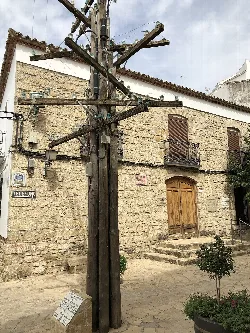
What can I see at the Museo de las Telecomunicaciones?
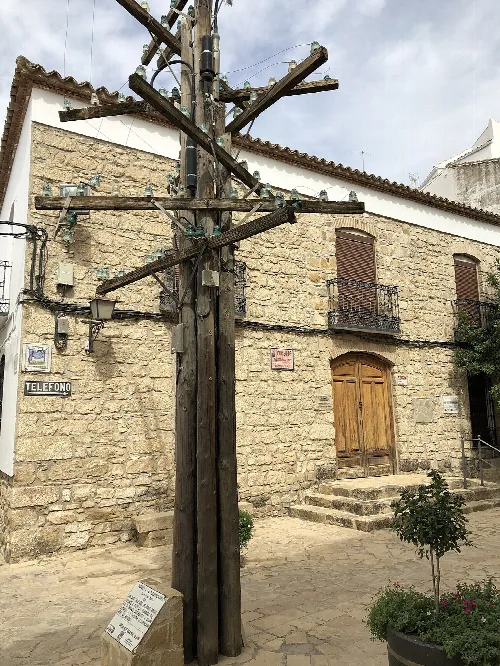
The Museo de las Telecomunicaciones in Canena showcases various historical telecommunications equipment, including functioning terminals, cables, and satellite systems. Opened in December 2010, it offers a glimpse into the evolution of communication technology, making it an interesting stop for tech enthusiasts.
Sights
Museo de las telecomunicaciones
What is the history of the castle in Canena?
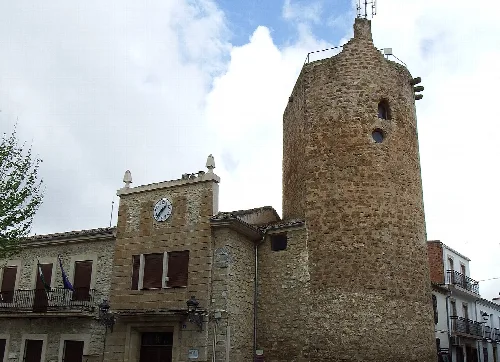
The castle in Canena, originally built in the late 16th century, was transformed into a palace by Francisco de los Cobos. It is attributed to the architect Andrés de Vandelvira and features a stunning interior courtyard. The castle has been a significant historical landmark in the region.
History
castle
What is the significance of the Ermita de la Virgen de los Remedios?
The Ermita de la Virgen de los Remedios, constructed between the late 15th and early 18th centuries, is notable for its architectural style and historical value. It features a rectangular plan and a unique entrance protected by arches, reflecting the religious heritage of Canena.
History
Ermita de la Virgen de los Remedios
How is the local economy in Canena structured?
Canena's economy primarily revolves around agriculture, especially olive cultivation, which occupies over 85% of the land. The town has two olive cooperatives and a few bakeries, contributing to its local economy. Tourism is also growing, particularly due to the Balneario San Andrés.
Living there
For residents
What is the Festival de Música de Canena?
The Festival de Música de Canena is held every July in the castle, featuring a variety of performances from opera to jazz. Since its inception in 1992, it has become a cultural highlight, attracting both locals and visitors to enjoy music in a historic setting.
Festivals & events
Festival de Música de Canena
What are the main features of the Iglesia parroquial de Santa María?
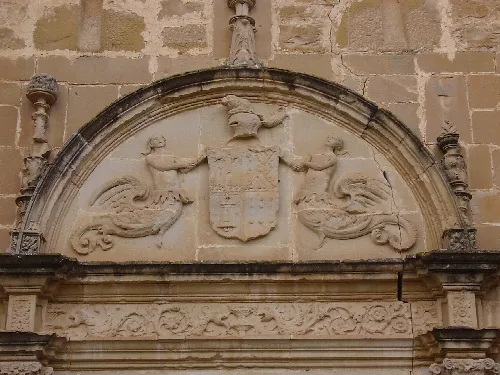
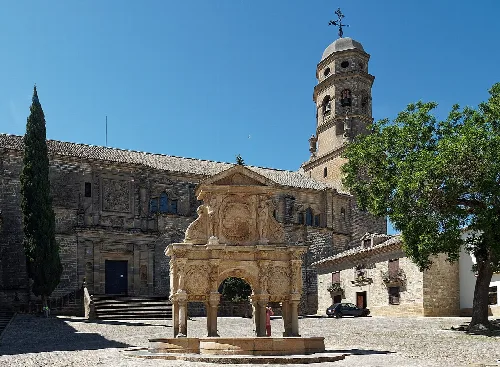
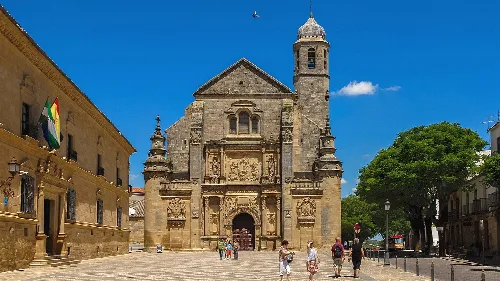
The Iglesia parroquial de Santa María is a Renaissance-style church with three naves, supported by arches and columns. It houses a small museum of historical religious artifacts and has a notable square bell tower. The church is an important part of Canena's cultural heritage.
Sights
Iglesia parroquial de Santa María
What can you tell me about the natural surroundings of Canena?
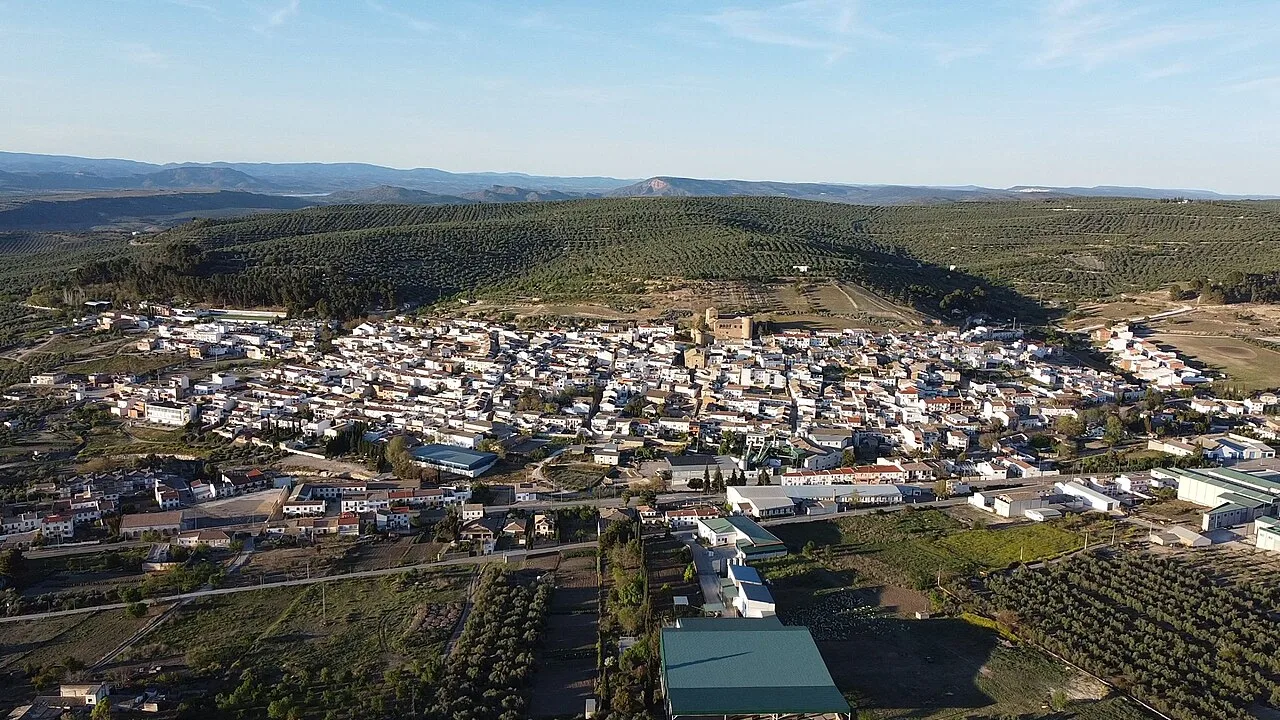
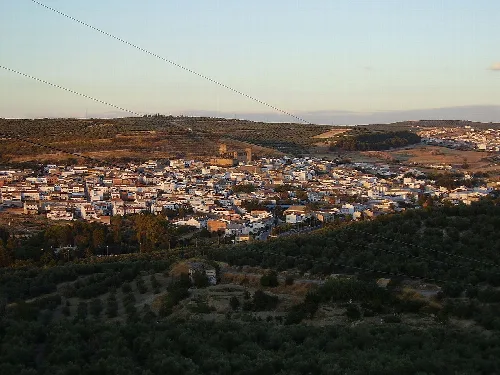
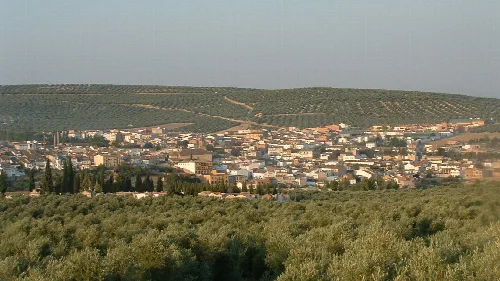
Canena is situated at an elevation of 537 meters, surrounded by rolling hills and agricultural land. The area features a variety of landscapes, including olive groves and a nearby reservoir, making it ideal for outdoor activities and enjoying nature.
Nature
What is the significance of the Balneario de San Andrés?
The Balneario de San Andrés is a historic spa with Roman origins, known for its therapeutic waters. It remains active today, offering treatments for various ailments and attracting visitors seeking wellness and relaxation in a serene environment.
Sights
Balneario de San Andrés
What are the housing options like in Canena?
Housing in Canena primarily consists of two-story family homes, with some areas featuring modern construction. There are also two neighborhoods of protected housing. The town's layout, influenced by its historical roots, presents a unique blend of old and new residential styles.
Living there
For residents
 espana.net