What is the Torreón de Andrade in Pontedeume?
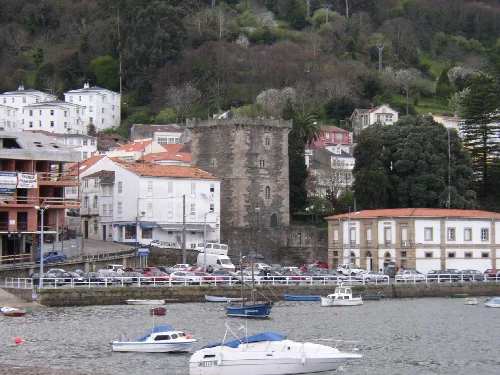
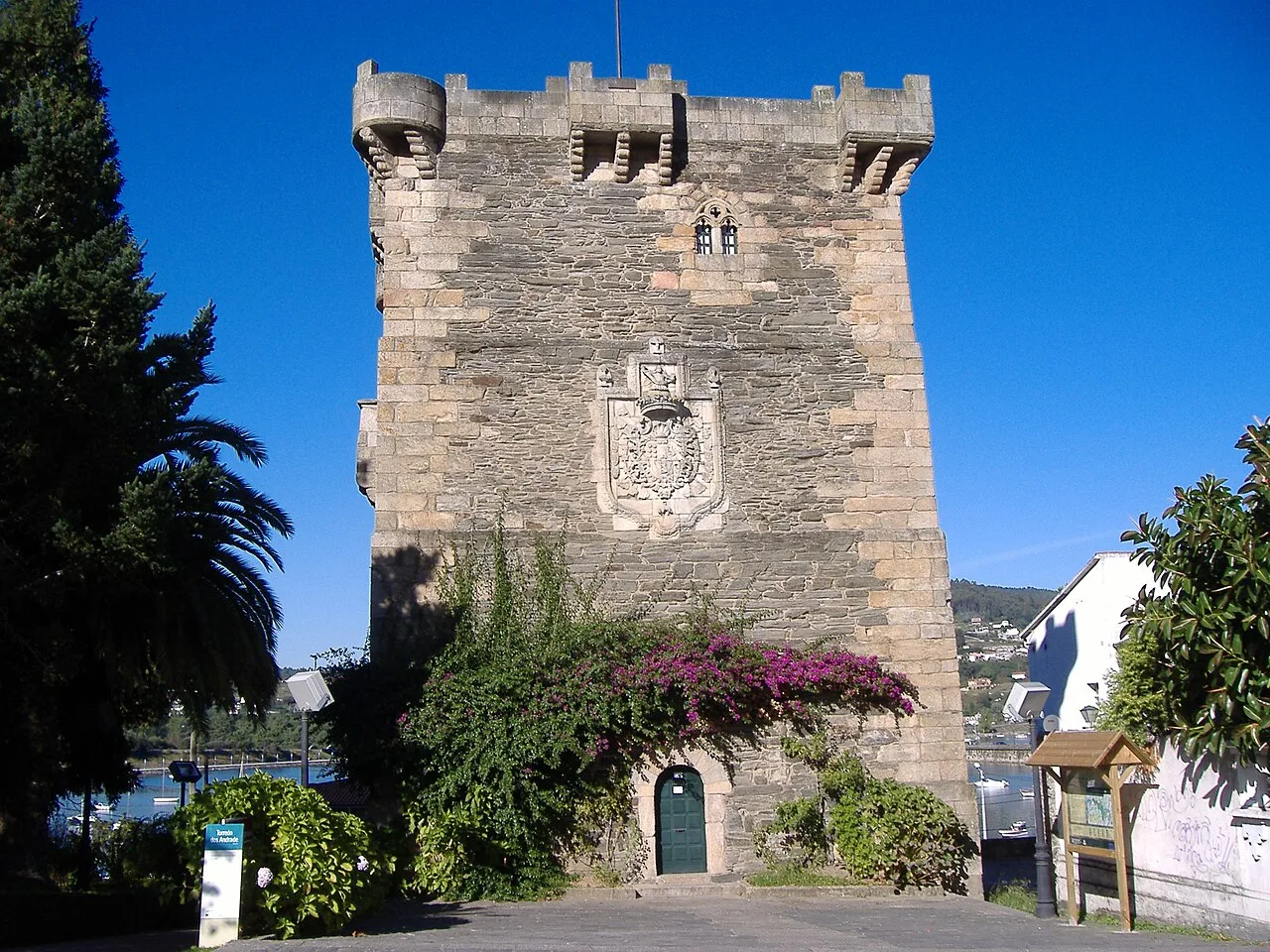
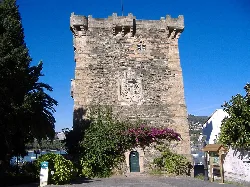
The Torreón de Andrade is a historic tower located in Pontedeume, known for its impressive stone architecture. It served as a defensive structure and is emblematic of the region's medieval history. The tower features a coat of arms and is surrounded by lush greenery, making it a popular spot for visitors interested in local heritage and scenic views.
Sights
Torreón de Andrade
What can I see in the Xardíns de Lombardero?
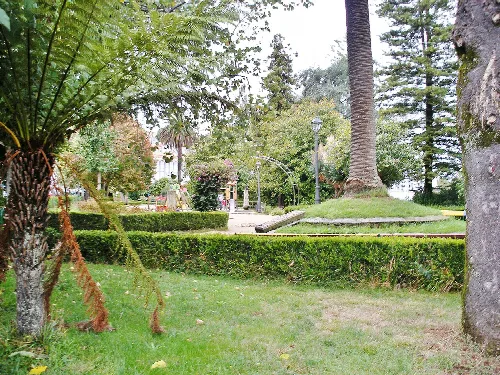
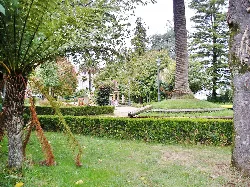
The Xardíns de Lombardero are beautiful gardens in Pontedeume, offering a tranquil environment for visitors. The gardens feature well-maintained greenery, walking paths, and various plant species, making it a perfect spot for relaxation or a leisurely stroll. It's an ideal place for families and nature enthusiasts to enjoy the outdoors.
Nature
Xardíns de Lombardero
What is the history behind Pontedeume?
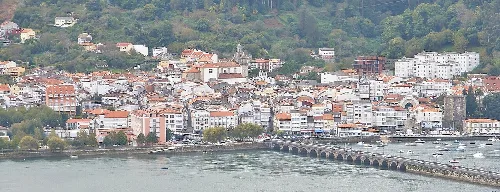
Pontedeume was officially founded in 1270 by Alfonso X el Sabio. Its historical significance is marked by its traditional streets, monumental buildings, and its designation as a historical ensemble in 1971. The town has a rich history influenced by various cultures, including the Romans and the Suevi, and it played a vital role in the region's development over centuries.
History
How is the climate in Pontedeume?
Pontedeume has a humid oceanic climate, characterized by mild temperatures throughout the year, averaging around 14.4 °C. The region experiences moderate rainfall, with about 1000 millimeters annually. The wettest months are November and December, while July is the driest month, making it a pleasant destination for visitors year-round.
Nature
What are the main festivals in Pontedeume?
Pontedeume celebrates its patronal festivals in September, particularly honoring Santiago. Notable events include the feast of La Virgen de las Virtudes on September 8 and San Nicolás de Tolentino on September 10. These festivals feature local traditions, religious ceremonies, and community gatherings, showcasing the town's cultural heritage.
Festivals & events
What makes the river Eume significant to Pontedeume?
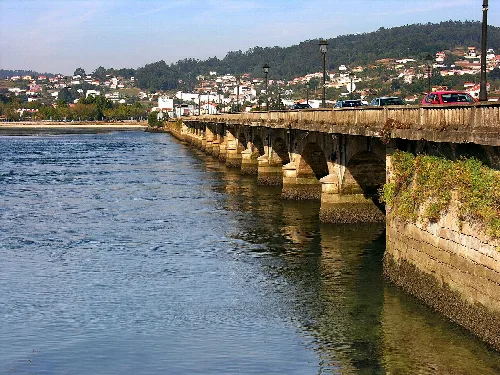
The river Eume is a crucial geographical feature of Pontedeume, acting as a natural border with Cabañas. It is one of the most important rivers in Galicia and contributes to the scenic beauty of the area, forming a ria at its mouth. The river is also significant for local ecology and tourism, offering opportunities for various outdoor activities.
Nature
For residents
Are there any archaeological sites in Pontedeume?
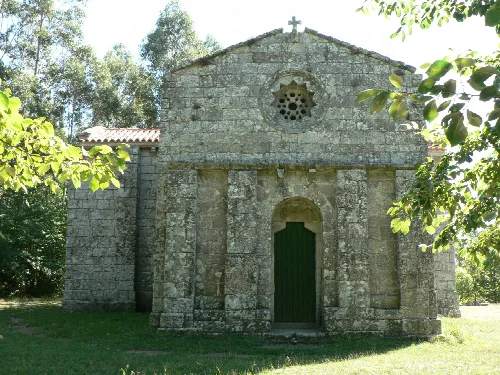
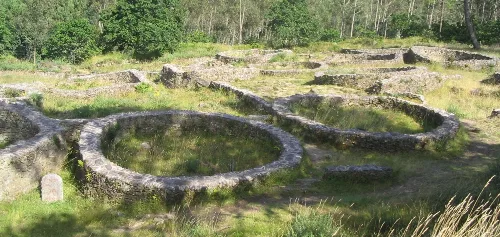
Yes, Pontedeume has several archaeological sites, including remnants from the prehistoric and Roman periods. Notable findings include tumuli and castros, which reflect the area's ancient history. The presence of these sites highlights the rich cultural heritage and historical significance of the region, attracting history enthusiasts and researchers.
History
For residents
What is the significance of the Camino de Santiago in Pontedeume?
The Camino de Santiago, specifically the Camino Inglés, passes through Pontedeume, making it an important stop for pilgrims. This route offers a unique blend of cultural and historical experiences, as travelers can explore the town's heritage while enjoying the scenic landscapes. The Camino enhances Pontedeume's appeal as a destination for both spiritual and cultural tourism.
Getting there
What types of food can I find in Pontedeume?
Pontedeume offers a variety of traditional Galician cuisine, featuring fresh seafood, local meats, and regional vegetables. Dishes such as pulpo a la gallega (octopus) and empanada are popular among locals and visitors. The town's culinary scene reflects its coastal location and agricultural heritage, providing a delightful experience for food lovers.
Food & drink
What are some outdoor activities available in Pontedeume?
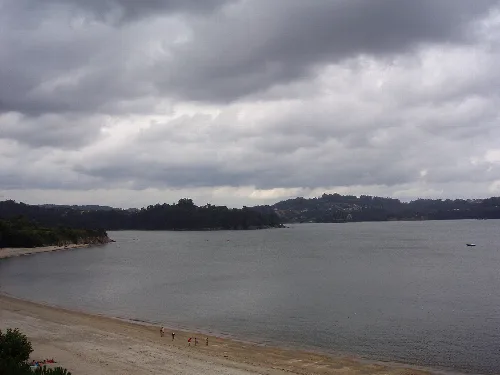
Pontedeume's natural surroundings provide ample opportunities for outdoor activities. Visitors can enjoy hiking in the nearby Fragas del Eume Natural Park, exploring the scenic riverbanks, or engaging in water sports along the ria. The area's rich biodiversity and beautiful landscapes make it ideal for nature enthusiasts and adventure seekers alike.
Nature
 espana.net