What is the significance of the Cathedral of Santiago de Compostela?
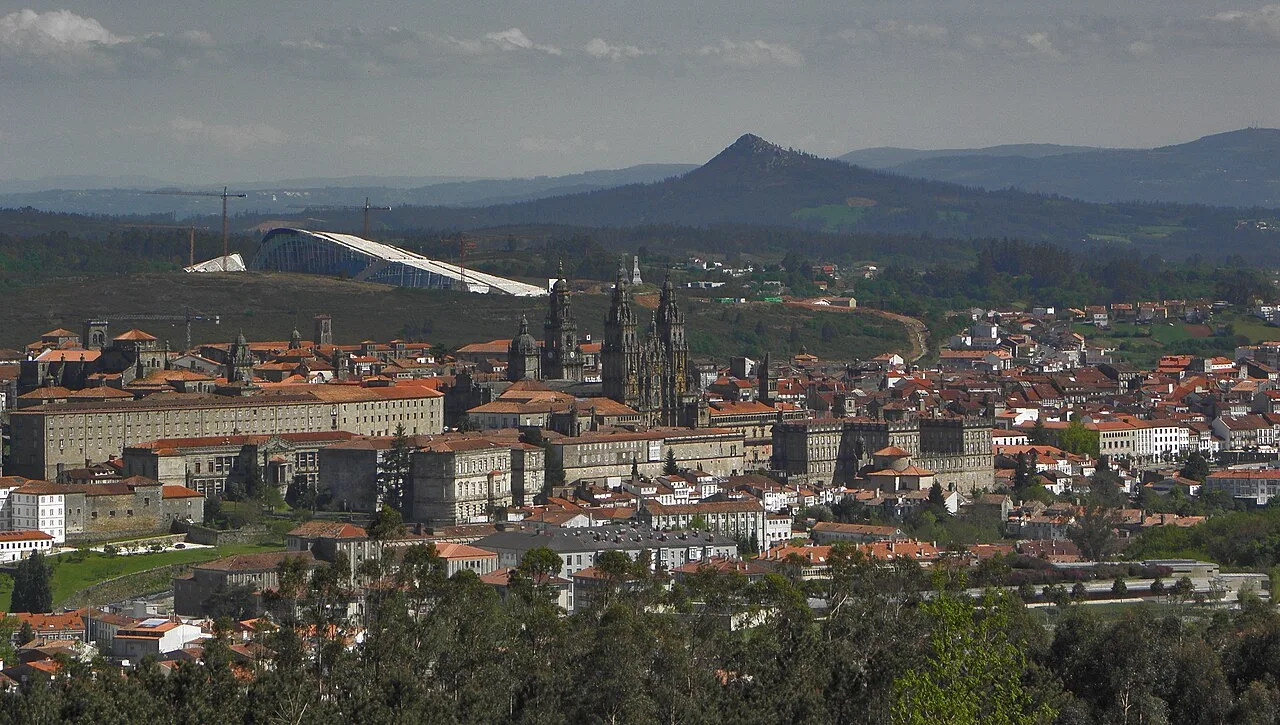
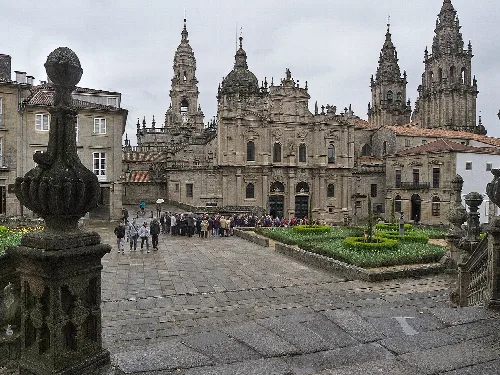
The Cathedral of Santiago de Compostela is a major pilgrimage site, believed to house the remains of Saint James the Great. It has been a Catholic pilgrimage destination since the 9th century and was designated a UNESCO World Heritage Site in 1985. The cathedral's architecture reflects various styles, showcasing its historical importance and attracting visitors from around the world.
Sights
Cathedral of Santiago de Compostela
How can I get to Santiago de Compostela?
Santiago de Compostela is accessible by various means. The city is served by Santiago–Rosalía de Castro Airport, which is the second-busiest airport in northern Spain. Additionally, the railway station connects to the Spanish High Speed Railway Network, making travel from cities like Madrid and Porto convenient.
Getting there
What is the history behind the name Compostela?
The name Compostela is believed to derive from the Latin 'compositum tella,' meaning a well-ordered burial ground, possibly referencing an ancient burial site. Another folk etymology suggests it comes from 'Campus Stellae,' meaning 'field of the star,' linked to the legend of Saint James' remains being discovered by a shepherd guided by a star.
History
What is the Cidade da Cultura?
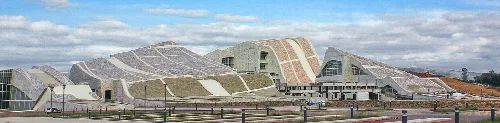
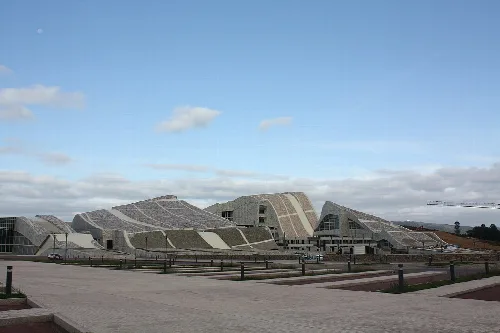
The Cidade da Cultura, or City of Culture, is a cultural complex in Santiago de Compostela designed by architect Peter Eisenman. It aims to promote Galician culture and heritage through various facilities, including museums, exhibition spaces, and libraries. The striking architecture makes it a notable landmark in the city.
Sights
Cidade da Cultura
What can you tell me about the climate in Santiago de Compostela?
Santiago de Compostela has a temperate oceanic climate, characterized by mild to warm summers and wet winters. The city experiences significant rainfall, averaging about 1,800 millimeters annually, and while winters are mild, frosts are common in December to February, with snow being rare.
Nature
For residents
Are there any notable festivals in Santiago de Compostela?
One of the most significant events in Santiago de Compostela is the Feast of Saint James, celebrated on July 25th. This festival attracts thousands of pilgrims and visitors, particularly during Holy Years when the feast day coincides with a Sunday. The celebrations include religious processions, cultural events, and lively festivities throughout the city.
Festivals & events
What is the Pazo de Raxoi?
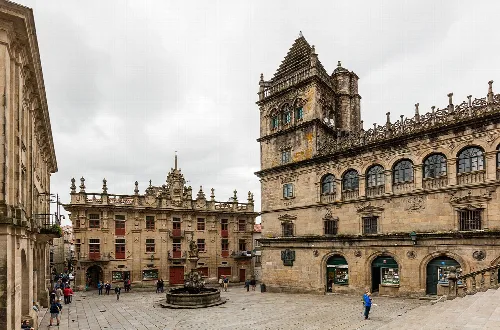
The Pazo de Raxoi is an elegant 18th-century building located along the Praza do Obradoiro, serving as the city hall of Santiago de Compostela. Originally built as a palace, it now houses the offices of the city council and the President of the Xunta of Galicia, making it an important administrative center.
Sights
Pazo de Raxoi
What is the nightlife like in Santiago de Compostela?
Santiago de Compostela boasts a vibrant nightlife, particularly in the old town and the new town areas. A mix of middle-aged residents and younger students creates a lively atmosphere, with numerous bars and restaurants open late into the night, making it a popular destination for socializing and entertainment.
Living there
For residents
What are the main economic activities in Santiago de Compostela?
Santiago de Compostela's economy is primarily driven by public administration, cultural tourism, and higher education, with the University of Santiago de Compostela playing a significant role. Additionally, industries such as timber transformation, automotive, and telecommunications are becoming increasingly important in diversifying the local economy.
Practical
For residents
What is the significance of the Way of St. James?
The Way of St. James, or Camino de Santiago, is a historic pilgrimage route leading to Santiago de Compostela, where the remains of Saint James are believed to be located. It has been a major pilgrimage site since the 9th century, attracting over 200,000 pilgrims annually, and holds cultural and spiritual significance in Christianity.
History
Way of St. James
 espana.net