What is the history of Riello?
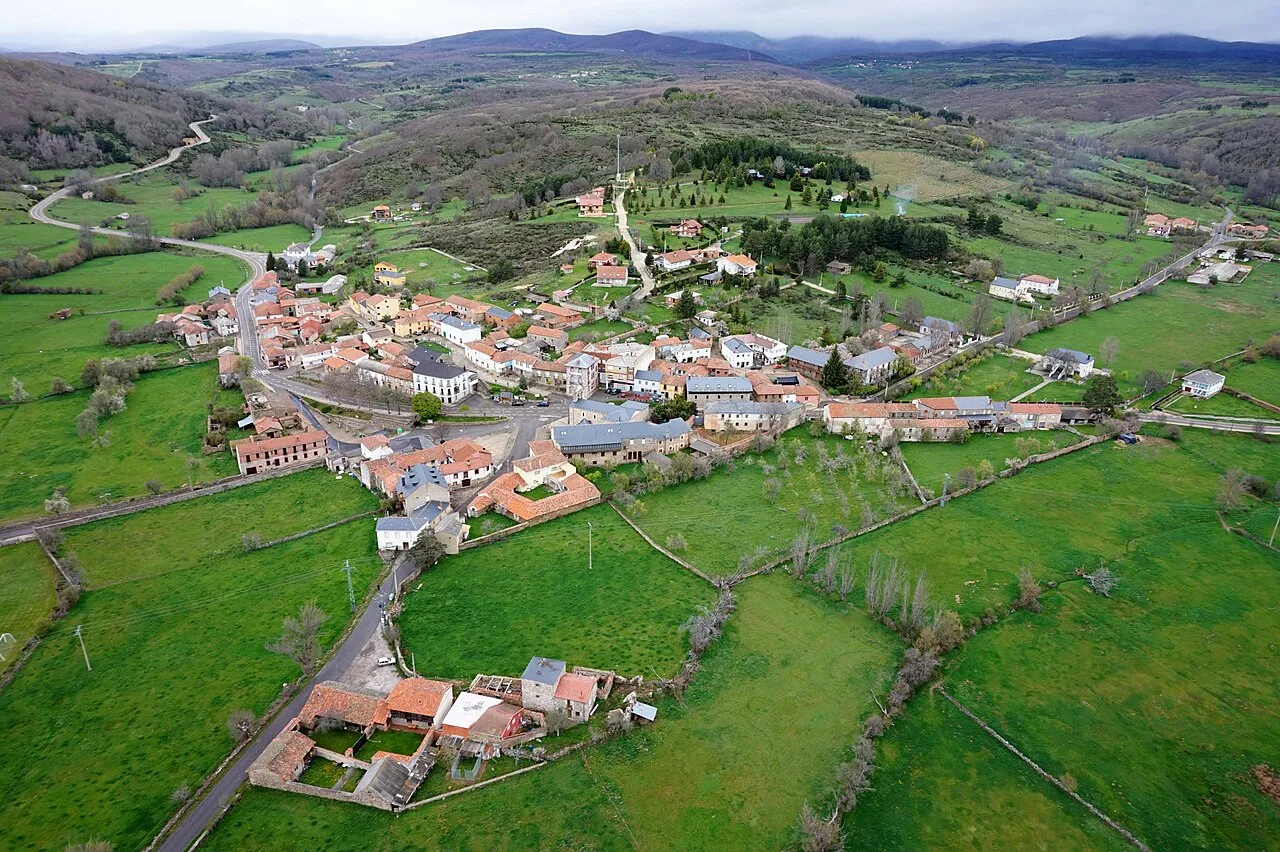
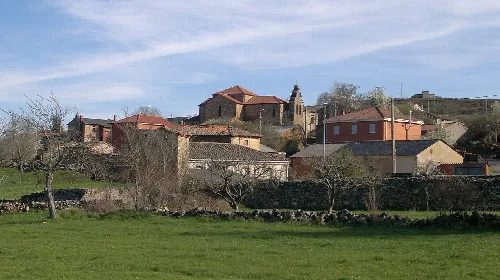
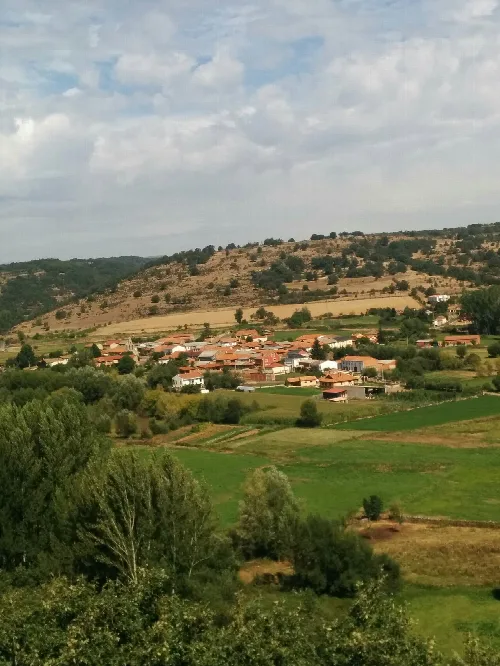
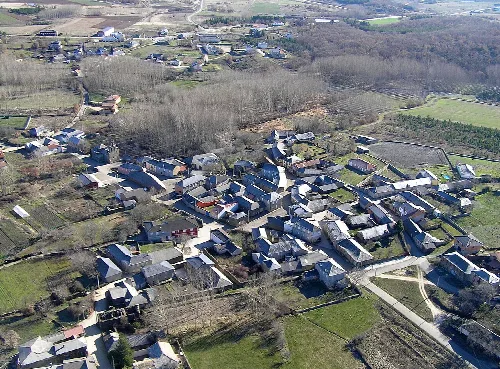
Riello has been inhabited since the Bronze Age, with significant Roman influence due to gold extraction. The first documented mentions of its populations date back to the 9th century. By the 14th century, it became linked to the Counts of Luna, enduring various legal ties until the 19th century. The region faced depopulation in the 20th century, but recent improvements in infrastructure have bolstered its development.
History
What can I see in Riello?
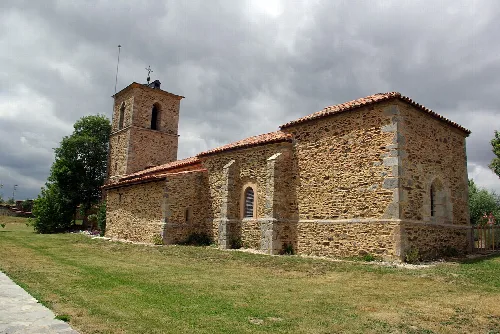
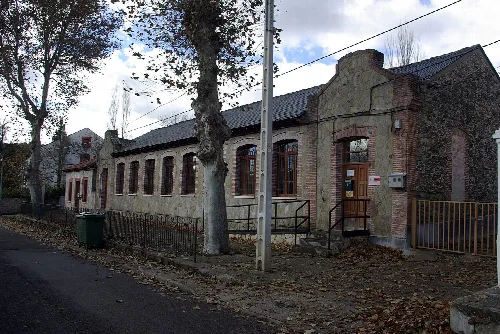
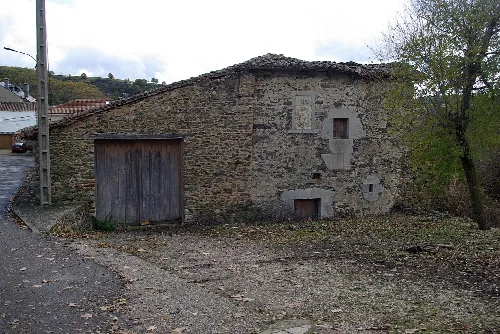
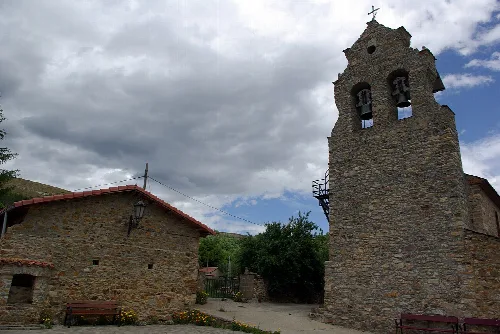
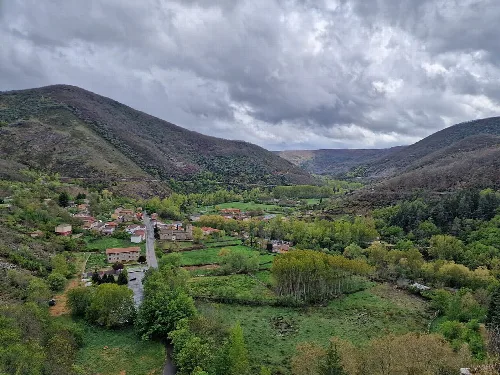
Visitors to Riello can explore various traditional architectural styles and monuments, including the 15th-century Castillo de Benal. The area also features beautiful natural landscapes, as it is part of the Reserva de la Biosfera de los valles de Omaña y Luna, known for its rich flora and fauna.
Sights
What is the Santuario de Pandorado?
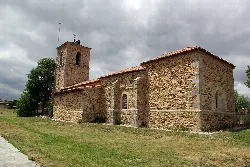
The Santuario de Pandorado is a notable religious site in Riello, famous for its annual pilgrimage on August 15th. During this event, participants from various villages in the region gather for a procession, showcasing their traditional banners. It's an important cultural event that reflects the local community's devotion.
Festivals & events
Santuario de Pandorado
What is the climate like in Riello?
Riello experiences a Mediterranean continental climate, characterized by cold winters with frequent frosts and warm, dry summers. The annual temperature variation is around 15 °C, with irregular rainfall patterns, peaking in autumn and winter. This climate supports diverse ecosystems in the surrounding areas.
Nature
What wildlife can I find in Riello?
Riello is home to diverse wildlife, including common mammals like roe deer and wild boars. It also hosts endangered species such as the Iberian wolf and the Cantabrian brown bear. Birdwatchers can spot various species, including golden eagles and red-backed shrikes, making it a great destination for nature enthusiasts.
Nature
How is the economy structured in Riello?
The economy of Riello primarily relies on agriculture, with 61.7% of the population engaged in this sector. Livestock farming is significant, and local markets facilitate commerce. The tourism sector is growing, with an increase in rural accommodations, reflecting a shift towards diversifying economic activities.
Food & drink
For residents
What is the significance of the Rio Omañon?
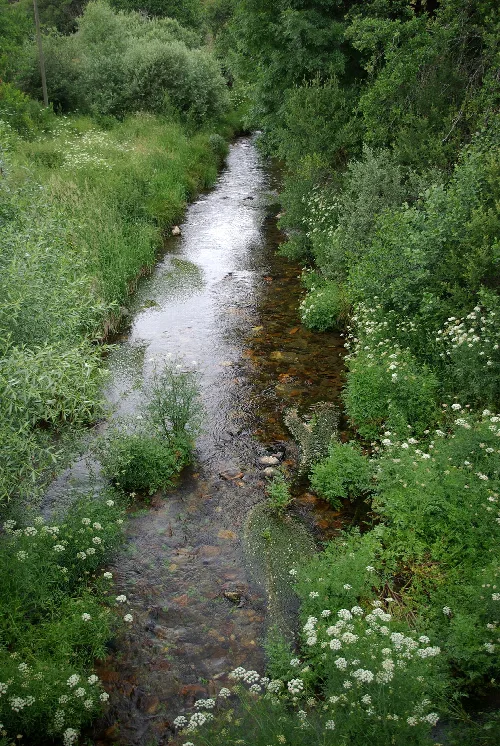
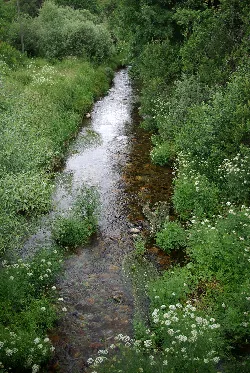
The Río Omañon is vital for Riello, serving as a natural resource for agriculture and fishing. Historically, it was used for gold extraction during Roman times. Today, it supports recreational activities like fishing and swimming, contributing to the local economy and community life.
Nature
Río Omañon For residents
What are the main festivals in Riello?
Riello hosts several annual festivals, with the zafarronada during Carnival being particularly notable. Another significant event is the pilgrimage to the Santuario de Pandorado on August 15th, where communities from the region participate in a colorful procession, showcasing local traditions and unity.
Festivals & events
What transportation options are available in Riello?
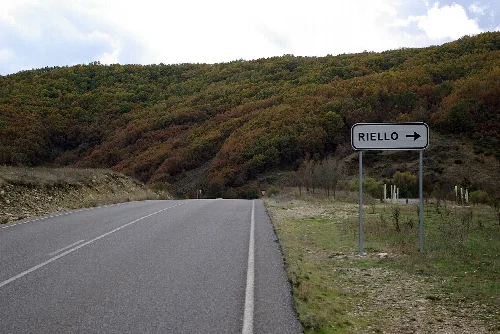
Riello is well-connected by the LE-493 road, linking it to nearby towns and highways. Public transportation includes bus services by ALSA to various provincial destinations. The nearest railway station is in León, and the closest airport is also in León, approximately 46 kilometers away.
Getting there
For residents
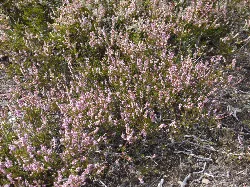
What types of flora are common in Riello?
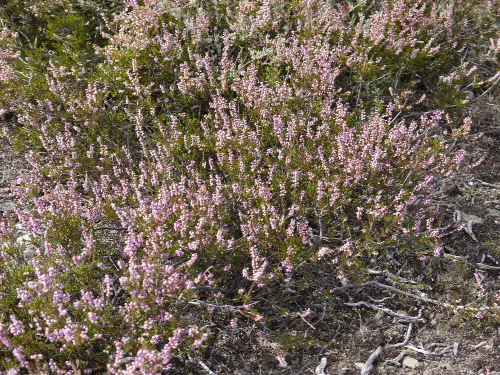
In Riello, you can find diverse flora, particularly in higher altitudes. Common plants include broom, heather, and various types of junipers. The area also features rich pastures and forests, with notable species like birch and oak, contributing to the region's ecological diversity.
Nature
 espana.net