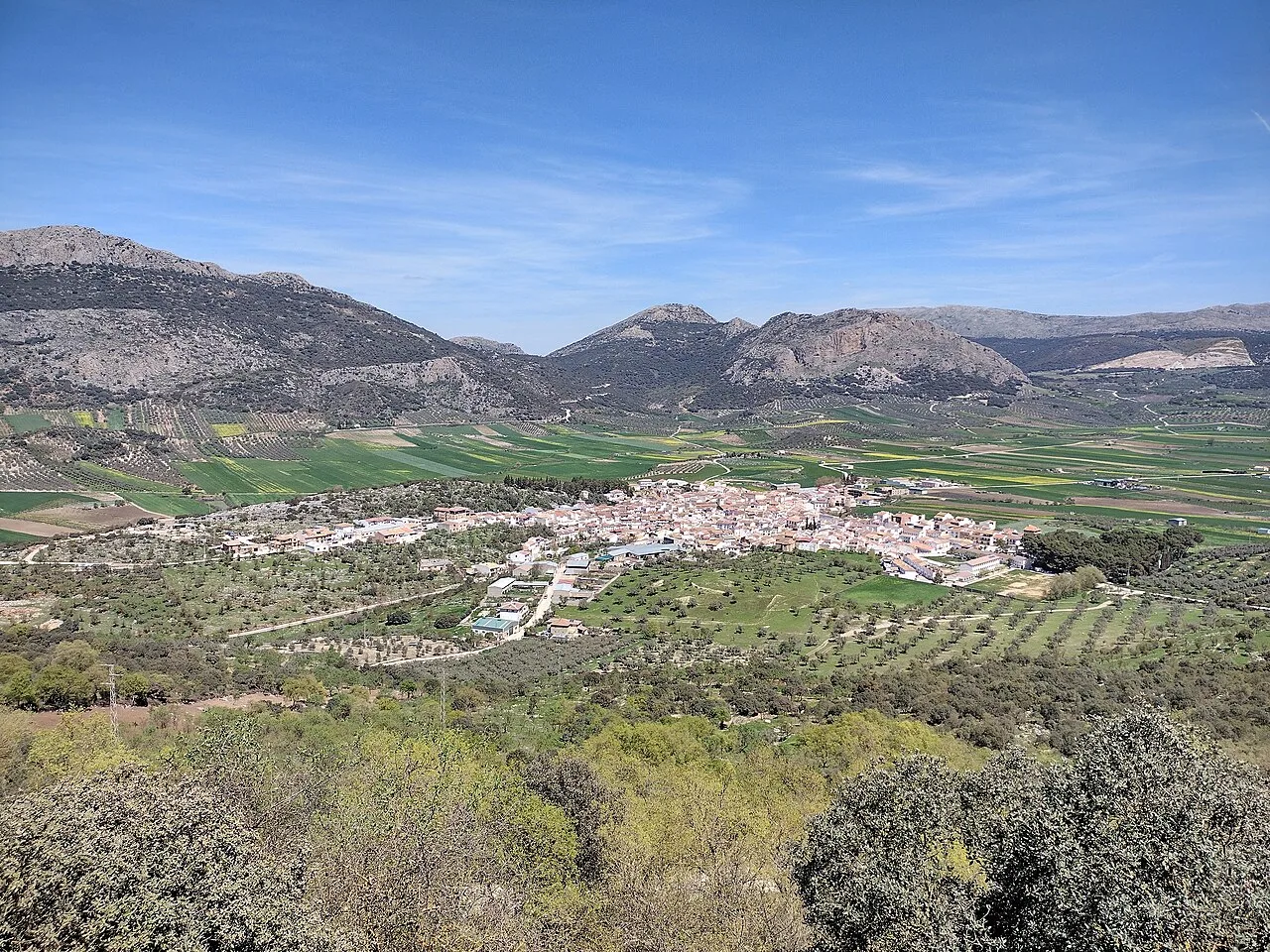
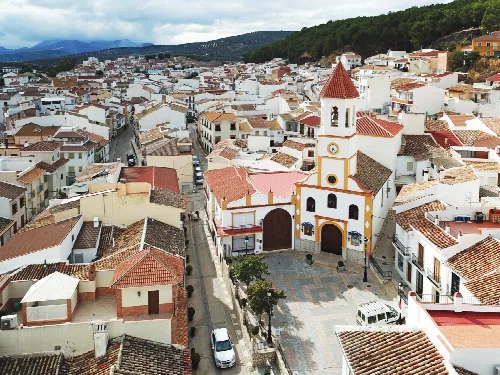
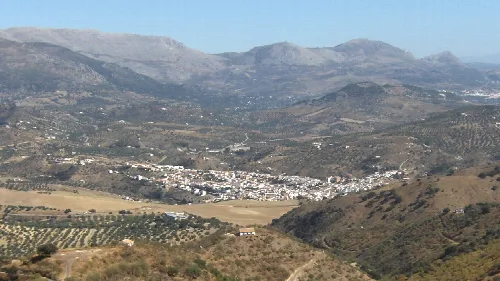
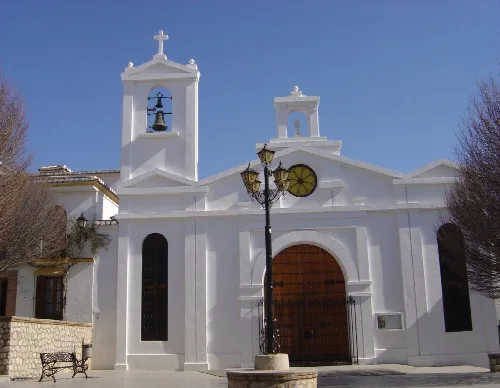
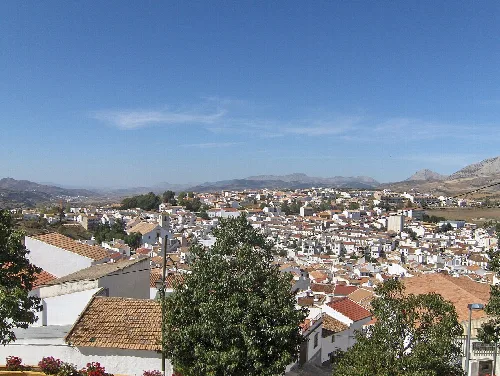
Alfarnate is a municipality located in the northeastern part of Málaga province, within the autonomous community of Andalusia, Spain. Nestled in the Alta Axarquía region, it is characterized by its mountainous terrain and rich agricultural heritage, particularly known for its cherry production and traditional festivals.
02Geography
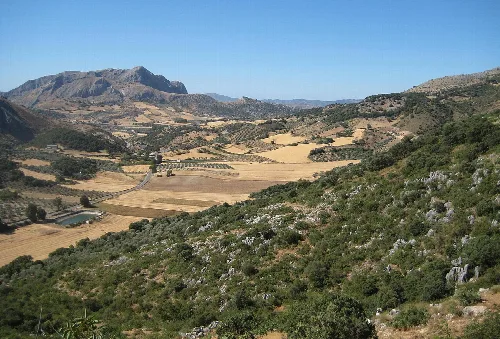
Alfarnate is situated in the northeastern part of Málaga province, bordered by the provinces of Granada and Málaga. The municipality is surrounded by several mountain ranges, including the Sierra de Enmedio and Sierra del Jobo, and is notable for being the highest village in the region, located at an elevation of 888 meters. Its geographical position offers scenic views and a unique microclimate.
Distance to the coast
Approximately 54 km to the coast
Surrounding mountains
Sierra de Enmedio, Sierra del Jobo, Sierra de Palomera
03History
The origins of Alfarnate date back to prehistoric times, with evidence of human settlement from the Mousterian period. The name Alfarnate is derived from the Arabic term Al-farnat, meaning 'mill of flour', reflecting its historical significance in wheat production during the Muslim period. The town has undergone various transformations throughout history, particularly during the Reconquista and subsequent repopulation efforts.
Prehistoric settlement Evidence of Mousterian period habitation
Muslim period First documented as Al Lawnat in the 9th century
Christian Reconquista Incorporated into the Crown of Castile in 1487
Repopulation Colonization by settlers from Andalusia between 1489-1490
Title of villa Granted independence from Vélez-Málaga in 1815
Alfarnate is a municipality in Málaga, Andalusia, known for its mountainous landscape and agricultural traditions.
04Economy
Alfarnate's economy is primarily based on agriculture and livestock, with a focus on cereal crops and olive production. The introduction of irrigation has shifted some agricultural practices towards vegetables and fruits, particularly cherries, which have become a significant economic driver. The town hosts events like the Día de la Cereza to celebrate its agricultural heritage.
Main crops Wheat, barley, chickpeas, and olives
Cherry production Significant contributor to local economy
Tourism Emerging sector focused on rural and ethnographic tourism
Livestock Includes sheep, goats, and cattle
Local products Mantecados and roscos carreros
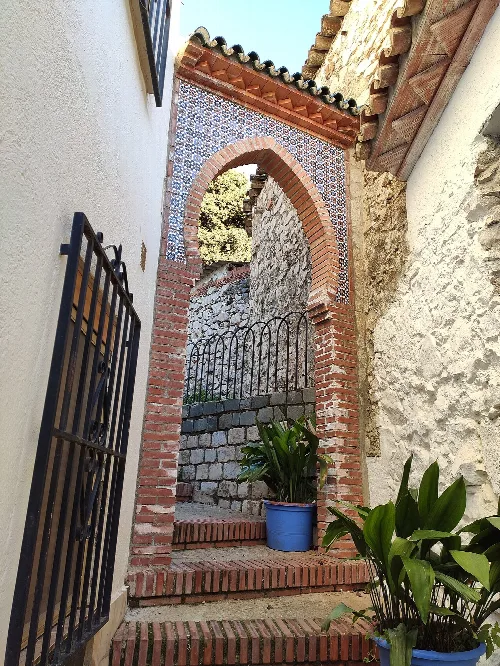
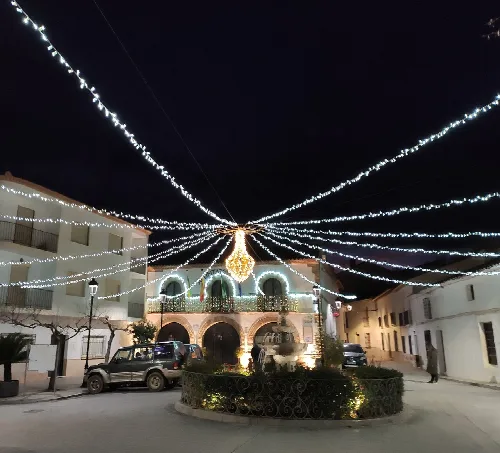
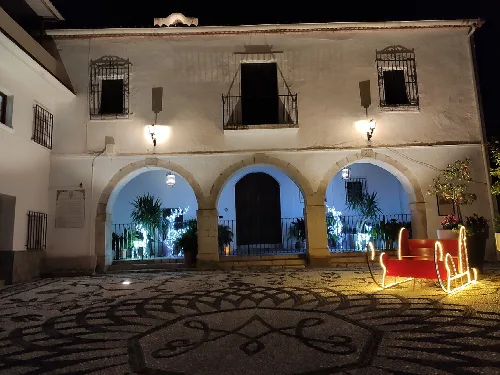
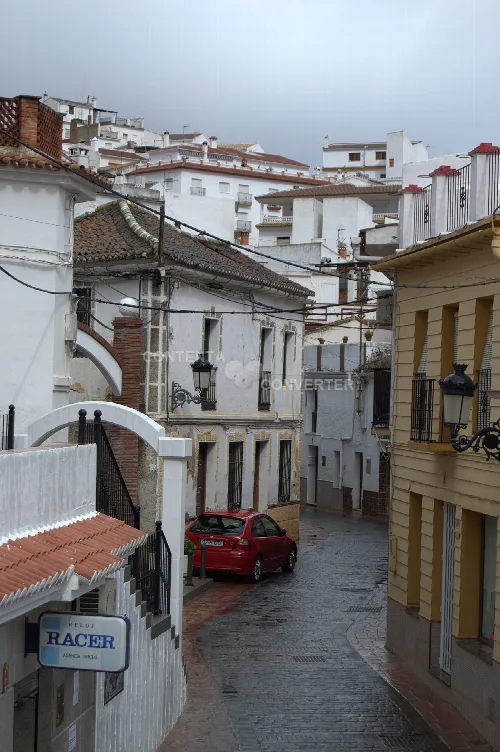
Brick and tile decorative archway leading to Callejón Fortuna in AlfarnateConstitution Square in Alfarnate decorated with Christmas lights and the fountain in the center.
05Festivals
Alfarnate hosts several traditional festivals that reflect its cultural heritage. The Feria de San Antonio in June and the Fiesta in September are particularly notable, featuring the procession of the Virgen de Monsalud, the town's patron saint. These events attract both locals and visitors, showcasing the community's vibrant traditions.
Feria de San Antonio Celebrated in June
Fiesta de septiembre Includes the Embajada de Moros y Cristianos
Procession of Virgen de Monsalud A key event during local festivals
Día de la Cereza Celebrated during cherry harvest season
Sakura Alfarnate Event celebrating cherry blossom season
06Cultural Heritage
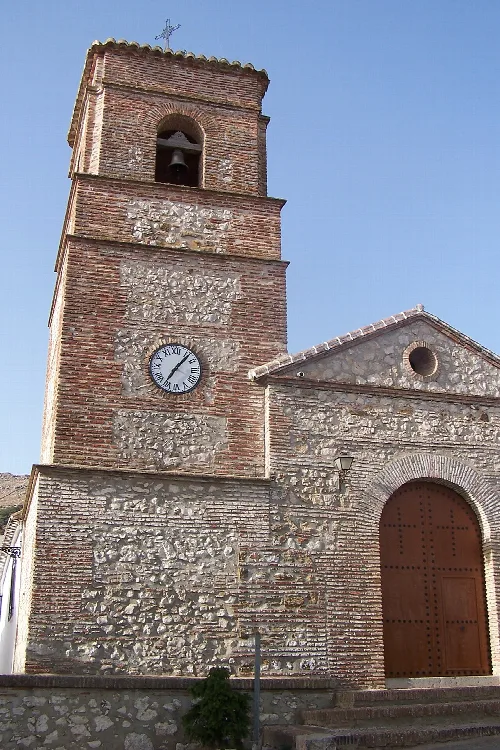
Alfarnate is home to several notable religious and civil buildings that reflect its historical and cultural significance. The Ermita de Nuestra Señora de Monsalud and the Iglesia parroquial de Santa Ana are key religious sites, while the Casa consistorial serves as a historical landmark. These structures contribute to the town's identity and attract interest from visitors.
Ermita de Nuestra Señora de Monsalud Historic hermitage with a rich history
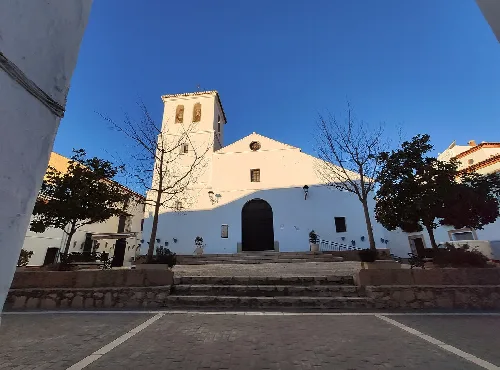
Iglesia parroquial de Santa Ana Constructed in the 16th century, notable for its simplicity
Casa consistorial Oldest functioning town hall in Málaga province
Venta de Alfarnate Historical inn dating back to the 13th century
Cultural events Include local fairs and religious celebrations
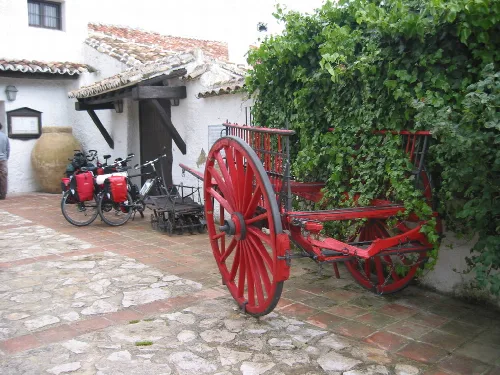
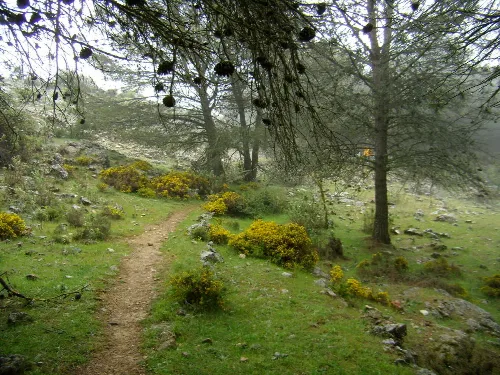
Old wooden cart painted red, leaning against a wall with greenery in Alfarnate, Málaga.A trail through a pine forest in Alfarnate, Málaga, surrounded by trees and shrubs.Santa Ana Church in Alfarnate with its white facade and tower on Sacristía street.The Hermitage of Our Lady of Monsalud in Alfarnate decorated with Christmas lights.Farmlands near Alfarnate in a mountainous landscape of Málaga.
Frequently asked questions
What are the main attractions to see in Alfarnate?
Alfarnate boasts beautiful natural scenery surrounded by the Sierras of Enmedio, Palomera, and Jobo. Visitors can explore the charming village center, notable for its traditional architecture, and enjoy local festivals like the Feria de San Antonio in June and the Fiesta in September, which features the procession of the Virgen de Monsalud.
The name Alfarnate originates from the Arabic term 'Al-farnat,' meaning 'mills of flour.' This reflects the area's historical significance in wheat production during the Muslim period, particularly around the 9th century when it was known as Al Lawnat. The region was rich in water resources, ideal for milling.
Alfarnate experiences a Mediterranean climate with distinct characteristics due to its altitude. Summers are very dry, while autumns bring heavy rainfall. The village receives double the precipitation compared to other areas in Axarquía, resulting in cooler winters and milder summers.
What is the significance of the Virgen de Monsalud in local culture?
The Virgen de Monsalud is a beloved figure in Alfarnate, celebrated during local festivals. Her procession is a highlight of both the Feria de San Antonio in June and the September Fiesta, reflecting the community's deep-rooted traditions and devotion.
Alfarnate's economy is primarily based on agriculture and livestock, with some contributions from the service sector and construction. The fertile land supports the cultivation of cereals and olives, while the mountainous terrain is suitable for almond farming.
Callejón Fortuna is a picturesque alleyway in Alfarnate that leads to Calle Comandante Frías. This charming passageway showcases the traditional architecture of the village and offers a glimpse into the local lifestyle, making it a lovely spot for visitors to explore.
What are the main festivals celebrated in Alfarnate?
Alfarnate celebrates several festivals, with the Feria de San Antonio in June and a September Fiesta being the most significant. These events attract both locals and visitors, featuring processions, traditional music, and cultural activities, highlighting the community's vibrant spirit.
Alfarnate is home to a variety of wildlife, including mammals like rabbits, hares, and wild boars, as well as birds such as partridges and doves. Reptiles like the Iberian lizard and water snakes are also present, making it a great spot for nature enthusiasts.
What is the significance of the Venta de Alfarnate?
The Venta de Alfarnate is a historic site that reflects the region's past as a resting place for travelers. It showcases the traditional architecture and serves as a reminder of the area's agricultural heritage, contributing to Alfarnate's cultural identity.
How has the population of Alfarnate changed over time?
Alfarnate's population has seen a decline since the mid-20th century, primarily due to youth emigration to urban areas and low birth rates. As of 2022, the population stands at 1,039, reflecting a trend common in many rural areas in Spain.
 espana.net