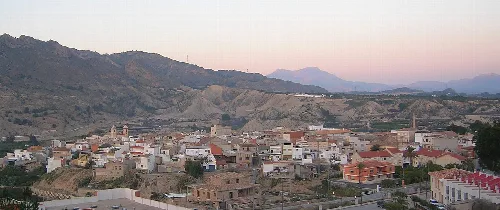
What can you tell me about the history of Cieza?
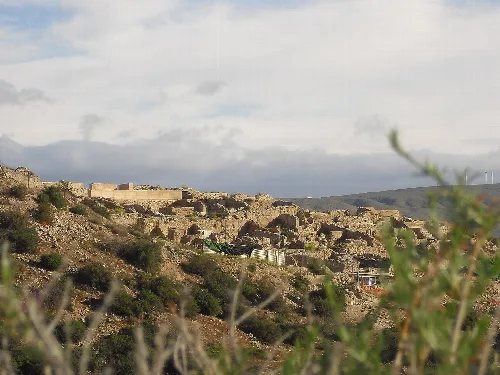
Cieza has a rich history dating back to prehistoric times, with archaeological sites like the cave paintings of Almadenes. It was inhabited by Iberians and later by Arabs, who left a significant cultural legacy. The town was repopulated in the 13th century after being abandoned during conflicts. Cieza became a judicial center in the 19th century and was granted city status in 1926, reflecting its growth and importance in the region.
History
What is the significance of the Semana Santa festival in Cieza?
Semana Santa, or Holy Week, is a major cultural event in Cieza, celebrated with processions and religious activities. This festival showcases the town's rich heritage and community spirit, drawing visitors from various regions. The processions feature elaborate floats and traditional music, making it a vibrant and significant event in Cieza's cultural calendar.
Festivals & events
What are the main agricultural products in Cieza?
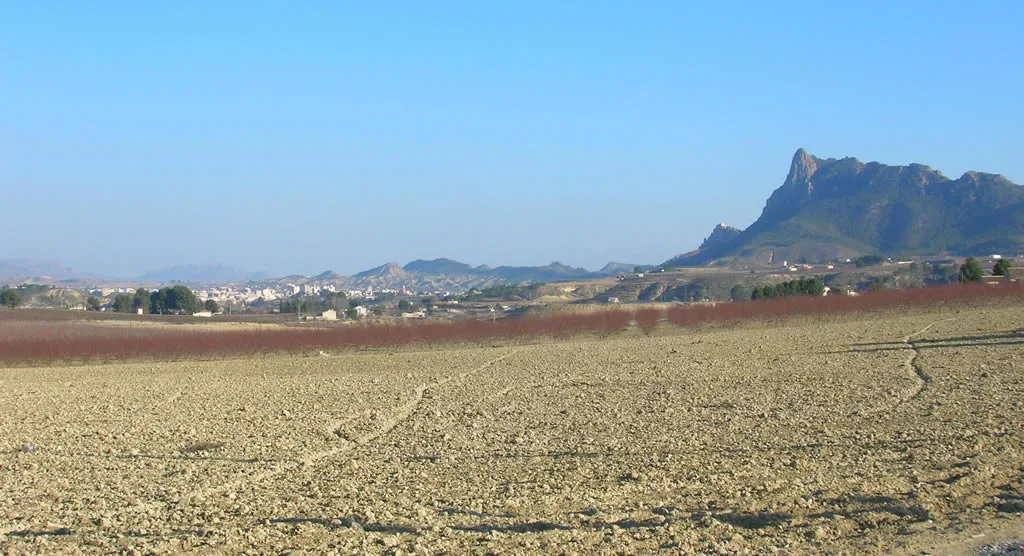
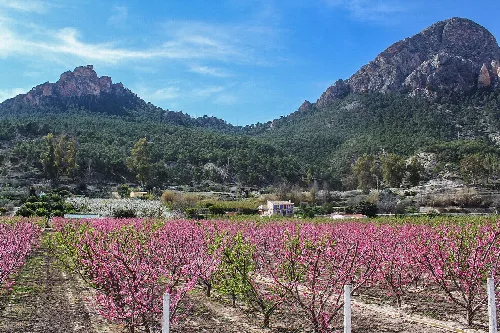
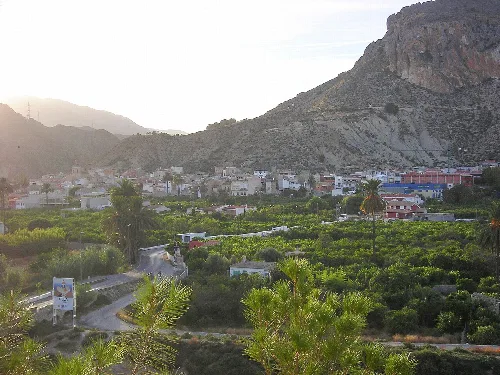
Cieza is renowned for its agricultural production, particularly for its peaches, apricots, and nectarines. The region's irrigation system, developed over centuries, supports the cultivation of these fruits, which are crucial for the local economy. The famous peach of Cieza is celebrated during the annual San Bartolomé festival in August, marking the end of the harvest season.
Food & drink
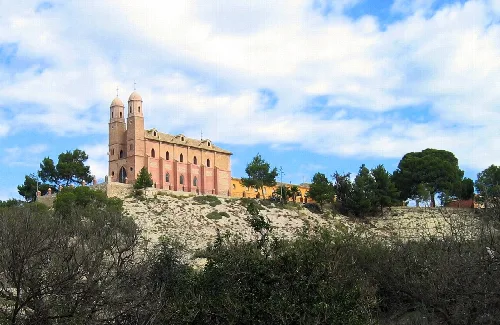
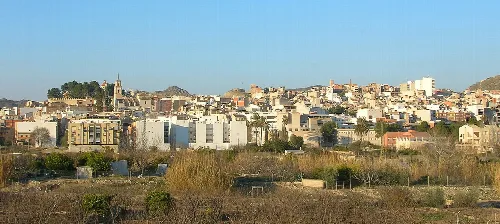
What is the white building on the hill in Cieza?
The white building on the hill is likely the Ermita de San Bartolomé, a significant landmark in Cieza. This site features a medieval tower transformed into a church in the 18th century. It serves as a place of worship and a viewpoint for blessing the annual harvests, reflecting the town's agricultural roots and cultural traditions.
Sights
Ermita de San Bartolomé
How can I enjoy nature in Cieza?
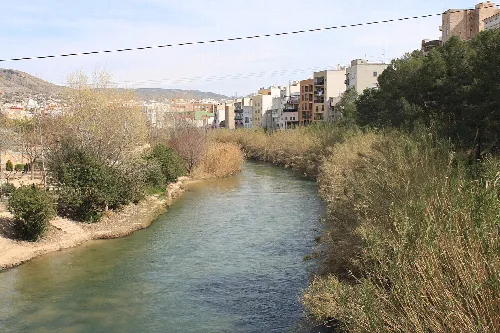
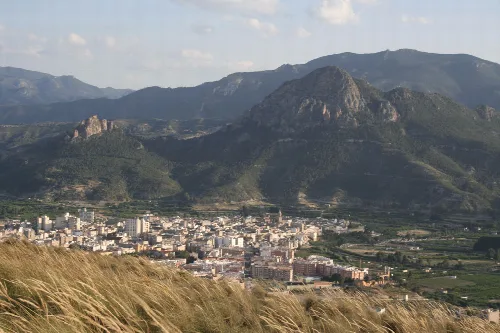
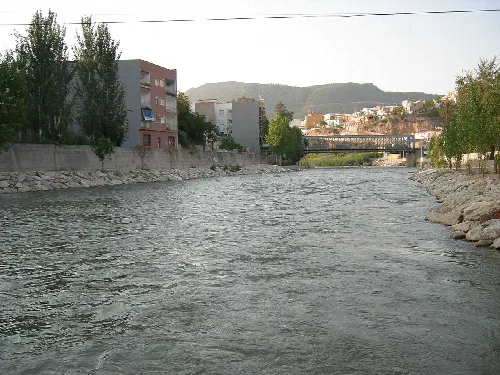
Cieza offers several natural attractions, including the Cañón de Almadenes, which is ideal for outdoor activities like hiking, horseback riding, and kayaking. The area is rich in biodiversity and provides scenic views of the surrounding mountains and valleys. The river Segura also adds to the natural beauty, making it a great spot for relaxation and exploration.
Nature
What are the main transportation options in Cieza?
Cieza is well-connected by various transportation options. The A-30 motorway links it to major cities like Albacete and Cartagena. It also has a train station on the Chinchilla-Cartagena line, providing access to regional destinations. Additionally, local bus services operate within the city and connect to surrounding areas, making travel convenient for residents and visitors alike.
Getting there
For residents
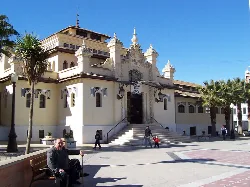
What is the Mercado de Abastos in Cieza?
The Mercado de Abastos is a vibrant food market in Cieza, where locals and visitors can find fresh produce, meats, and other local delicacies. It reflects the town's agricultural heritage and offers a glimpse into daily life. Shopping here supports local farmers and artisans, making it a must-visit for food enthusiasts.
Food & drink
Mercado de Abastos
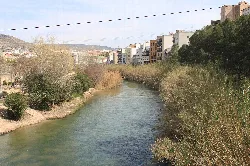
What outdoor activities can I do near the Segura River in Cieza?
The Segura River in Cieza is perfect for various outdoor activities. Visitors can enjoy hiking, kayaking, and fishing along its banks. The scenic landscape offers opportunities for picnicking and enjoying nature, making it an ideal spot for families and outdoor enthusiasts looking to explore the natural beauty of the region.
Nature
Are there any notable landmarks in Cieza?
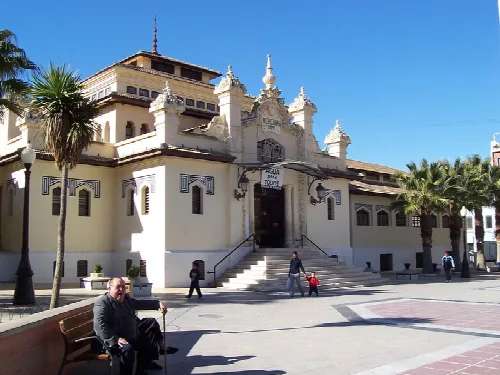
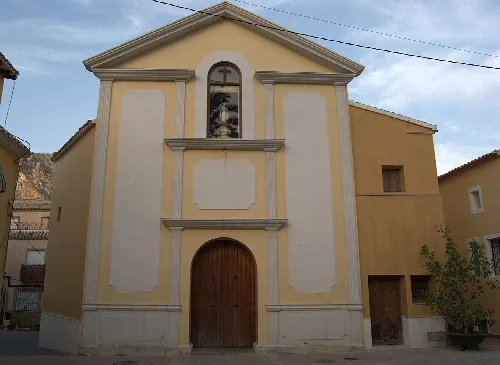
Cieza is home to several notable landmarks, including the Basílica de Nuestra Señora de la Asunción, known for its unique octagonal bell tower and beautiful interior artworks. The Convento de San Joaquín y San Pascual is another significant site, showcasing stunning architecture and historical importance. These sites reflect the town's rich cultural heritage.
Sights
What is the climate like in Cieza?
Cieza has a Mediterranean-continental climate characterized by hot, dry summers and cold winters. Average temperatures range from 7 °C in winter to 37-40 °C in summer. Rainfall is scarce and mainly occurs in spring and autumn, with occasional heavy storms. This climate supports the region's agricultural activities, particularly fruit cultivation.
Practical
For residents
 espana.net