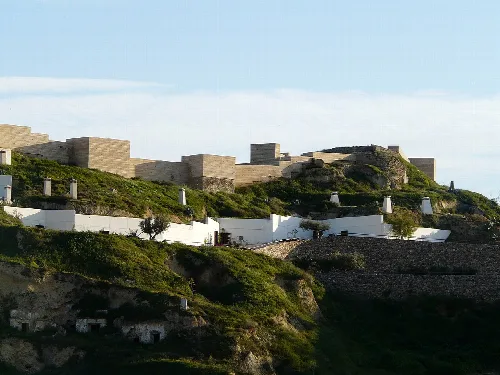
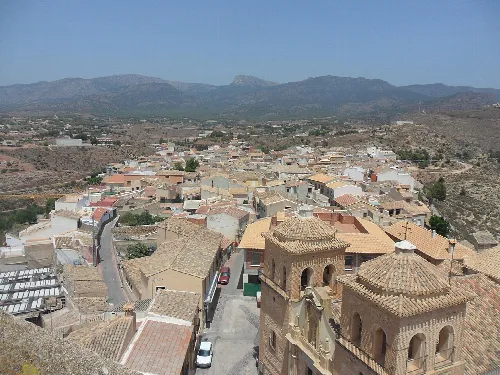
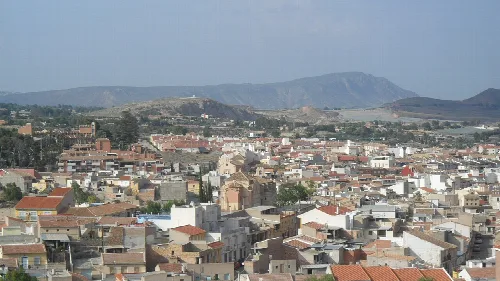
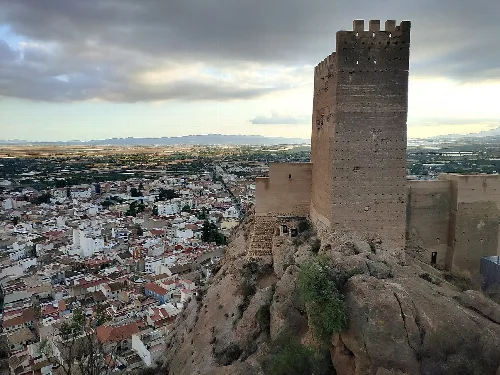
Lorca is a municipality and city located in the Region of Murcia, southeastern Spain. Known for its rich history, it features significant landmarks such as Lorca Castle and the Collegiate Church of San Patricio, reflecting its diverse cultural heritage.
02Geography and Climate
Lorca is situated at an elevation of approximately 370 metres in eastern Spain, nestled between the Sierra del Cano mountains and the Guadalentín River. The municipality spans a vast area of 1,676 km², characterized by a mix of coastal and mountainous landscapes. It is bordered by several towns and has a Mediterranean coastline with numerous beaches.
Distance to coast
Approximately 40 km to Águilas
Climate type
Cold desert climate (Köppen: BWk)
Average summer temperature
Above 35 °C
Average winter temperature
Occasionally below 0 °C
Annual precipitation
Scarce throughout the year
03History
Lorca has a rich historical background, with evidence of continuous habitation since Neolithic times. It was known as Eliocroca during the Roman period and later became a significant frontier city between Christian and Muslim territories in the Middle Ages. The city underwent various political changes, including its independence as a Taifa in 1042 and subsequent reconquest by Christian forces in the 13th century.
Teodomiro Pact 713, integrated into an autonomous Christian state
Taifa of Lorca Established in 1042, declared independence from Valencia
Conquered by Fernando III 1244, marking Christian control
Earthquake 2011, magnitude 5.3, significant damage and casualties
Honorary Diploma of Europe Awards 2008, awarded by the Council of Europe
Lorca, a historic city in the Region of Murcia, is known for its castle and vibrant cultural heritage.
04Cultural Heritage
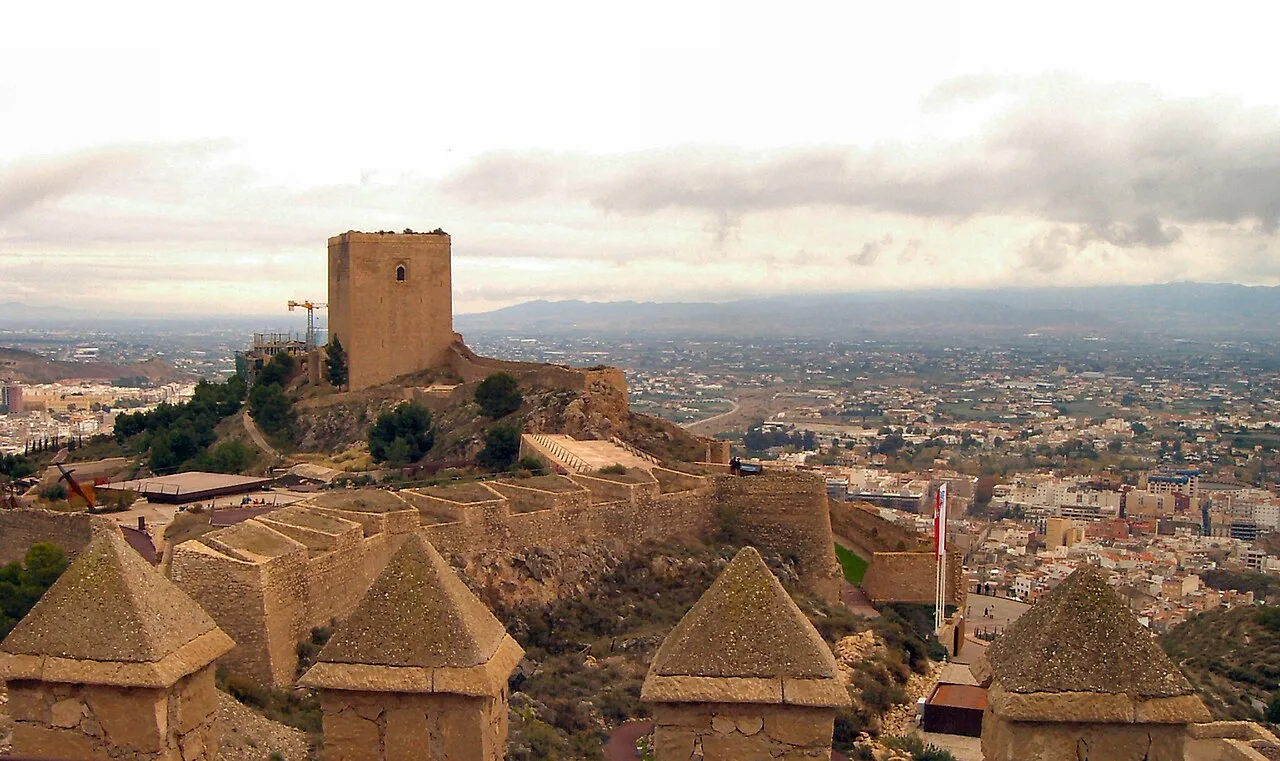
Lorca is home to numerous historical monuments and cultural sites, including the impressive Lorca Castle, which dates back to the Islamic period. The city also features the Collegiate Church of San Patricio, known for its unique dedication to St. Patrick, and the vibrant Plaza de España, surrounded by significant architectural landmarks.
Lorca Castle Strategically located fortress with medieval origins
Collegiate Church of San Patricio Renaissance-style church, National Historic-Artistic site
Plaza de España Cultural monument with several historical buildings
Museo Arqueológico Houses archaeological findings from the region
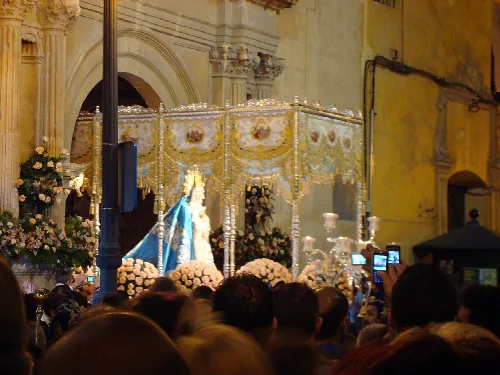
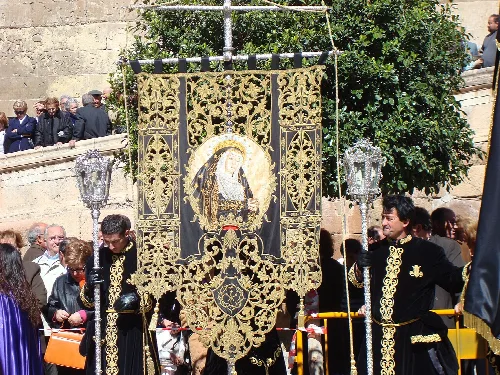
Fiesta of Semana Santa Celebrated with elaborate processions and costumes
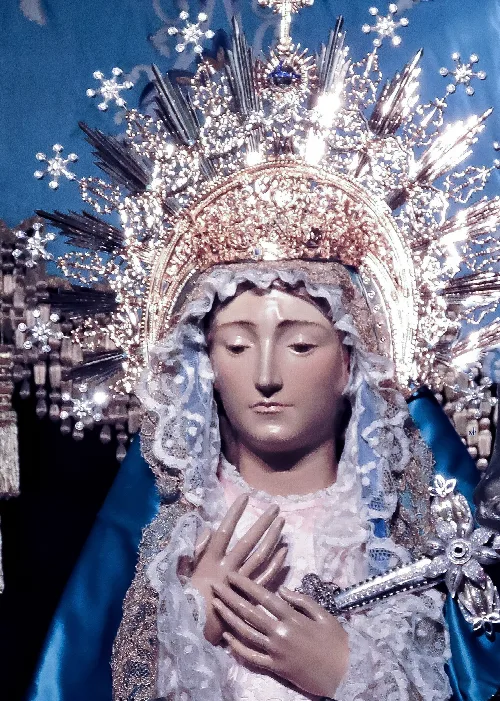
The Virgin of Sorrows leaves San Francisco Church for a procession in Lorca.Our Lady of Sorrows with a crown by Fernando Marmolejo Camargo in Lorca, Murcia.
05Economy
The economy of Lorca is primarily based on agriculture and livestock, with significant production of pork and textiles. Recent initiatives aim to attract industrial development, enhancing the local economy through various projects and investments.
Main economic activities Agriculture, stock breeding, textiles
Recent industrial initiatives Development of industrial parks and R&D projects
Population growth Due to immigration from Ecuador and Morocco
Lorca hosts several vibrant festivals, with Semana Santa being the most notable, celebrated with elaborate processions and traditional music. The city also celebrates the Fiesta of La Virgen de Las Huertas on September 8, showcasing its rich cultural traditions.
Semana Santa Celebrated since 1855, featuring competitive processions
Fiesta of La Virgen de Las Huertas Held annually on September 8
Cultural tourism initiatives Promoting urban circuits and heritage preservation
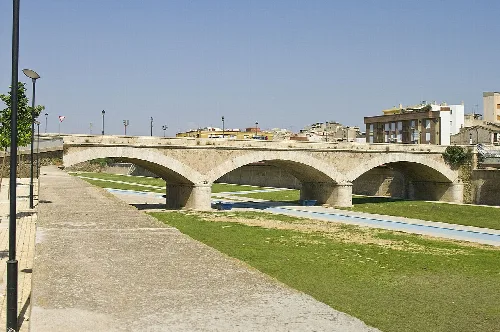
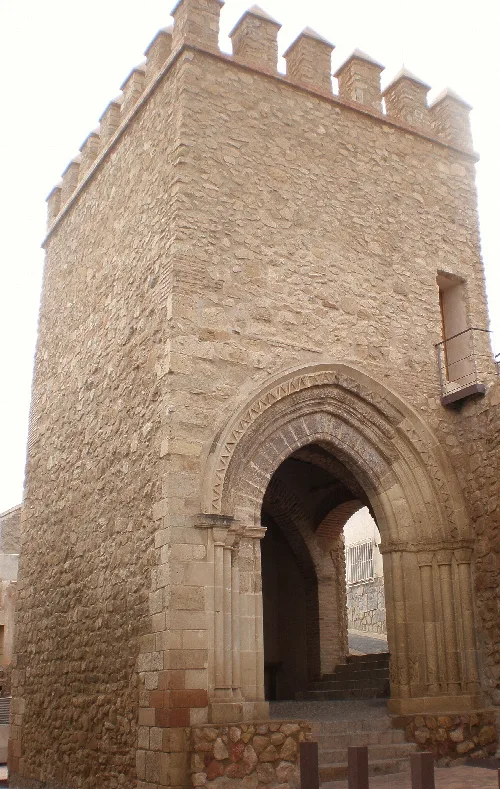
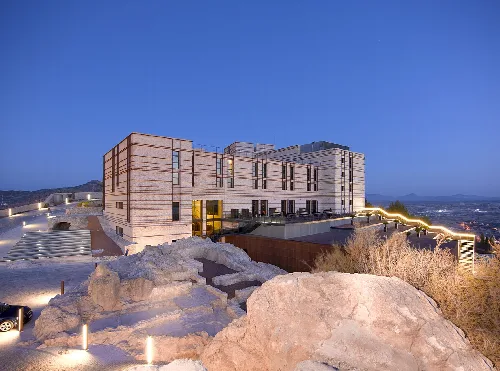
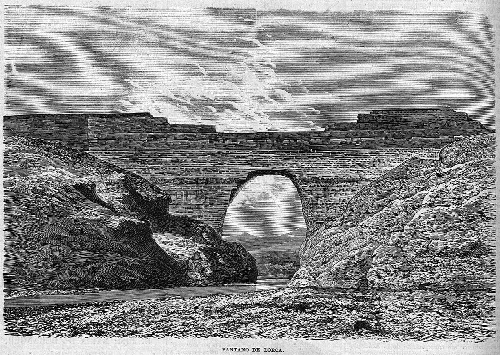
Bridge in Lorca's Barrio with stone arches and nearby urban surroundings.San Antonio's archway in Lorca city, made of stone with a Romanesque-style arch.Procession with a black paso in Lorca, Murcia, with people in traditional costumes and a background of trees and audience.The Parador of Lorca, a modern building in the city of Lorca, Murcia.Lorca reservoir with a stone bridge in the magazine La Ilustración de Madrid.
Frequently asked questions
What can you tell me about Lorca Castle?
Lorca Castle is a medieval fortress that overlooks the city, built between the 8th and 15th centuries. It features the rectangular Torre Alfonsina, added in 1243 after the city was retaken by Alfonso X. The castle has a polygonal floor plan and is now a popular venue for civic functions and fiestas, offering a glimpse into its historical significance.
What is the significance of the Virgen de los Dolores in Lorca?
La Virgen de los Dolores is the patron saint of the Paso Azul brotherhood in Lorca. Each year, she is paraded in a grand procession from the Church of San Francisco. This event is a highlight during the Semana Santa celebrations, showcasing the cultural and religious heritage of the city.
What historical events shaped Lorca's development?
Lorca's history is marked by its role as a frontier city between Christian and Muslim Spain during the Middle Ages. It was known as Lurqa and became a taifa kingdom in 1042. The city faced significant challenges, including earthquakes and floods, but it has evolved into a vibrant municipality with a rich cultural heritage.
Lorca boasts several beautiful beaches along its 8 km coastline. Notable ones include Calnegre Beach, known for its tranquility, and La Junquera, a small gravel beach with rocky formations. These beaches offer a mix of relaxation and stunning natural scenery, making them popular among locals and visitors alike.
Semana Santa in Lorca is a vibrant celebration featuring two brotherhoods that compete in displaying their elaborate cloaks, one blue and the other white. The processions are accompanied by unique music that blends Old and New Testament stories, making it one of the most celebrated festivals in Spain.
What can I expect to see at the Archaeological Museum of Lorca?
The Archaeological Museum of Lorca showcases artifacts from various historical periods, including prehistoric and Roman finds. Located in the House of Salazar, the museum features limestone statues and exhibits that highlight the region's rich archaeological history, making it a must-visit for history enthusiasts.
Lorca has a cold desert climate, characterized by mild winters and hot summers. It is one of the driest cities in Spain, with scarce precipitation throughout the year. Summer temperatures often exceed 35 °C, while winter can occasionally see temperatures drop below 0 °C.
In Lorca, you can enjoy traditional Murcian cuisine, which includes dishes like zarangollo (a scrambled egg dish with zucchini) and pastel de carne (a meat pie). The region is also known for its fresh produce, particularly fruits and vegetables, thanks to its fertile soil and irrigation systems.
Plaza de España is a central landmark in Lorca, featuring the Collegiate Church of San Patricio and other historical buildings. Declared a Cultural Monument, it reflects the architectural styles from the 16th to 18th centuries and serves as a hub for cultural activities and events in the city.
How has the economy of Lorca evolved over the years?
Lorca's economy has transitioned from agriculture and livestock breeding to include various industries. While it remains a commercial hub for the region, recent initiatives have aimed at attracting industrial investments and enhancing local entrepreneurship, contributing to population growth and economic development.
 espana.net