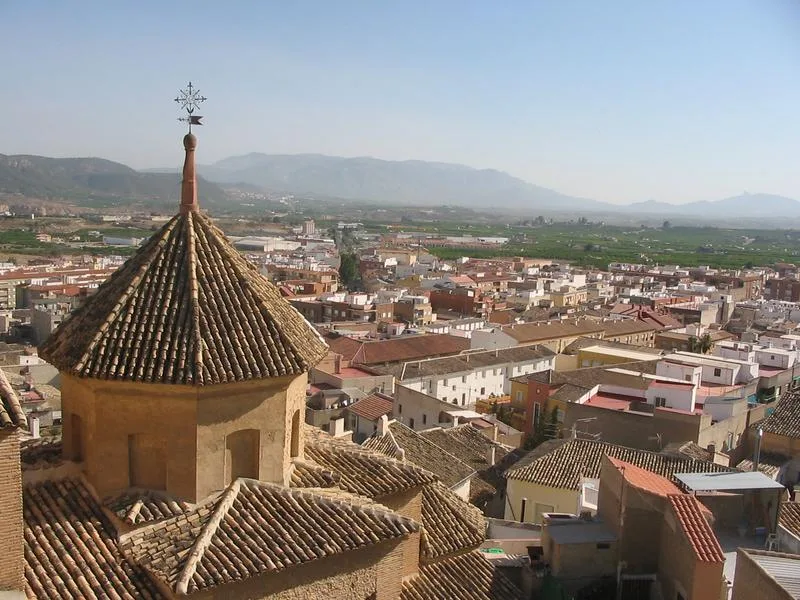
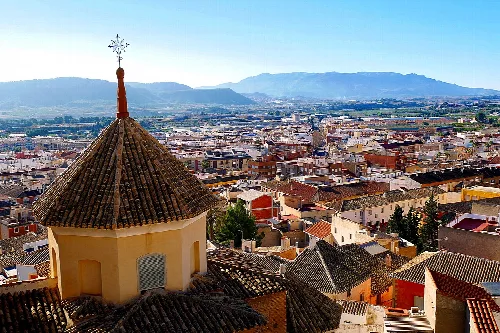
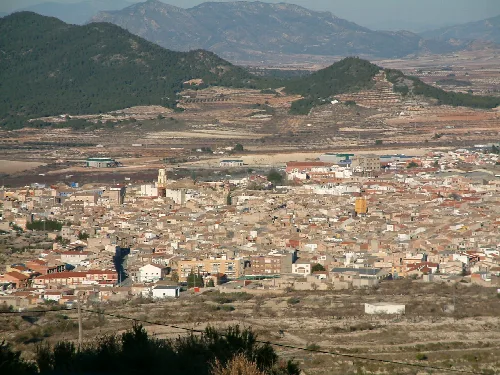
View of rooftops and Mula city with mountains in the background. Unknown author, CC BY-SA 3.0

Mula

Region of Murcia

17,937Population
633.38 km²Area
313 mElevation
30170Postal code

Mula is a municipality in the Region of Murcia, Spain, known for its rich history and cultural traditions. It features significant archaeological sites, vibrant festivals, and a diverse landscape that includes parts of the Sierra Espuña mountain range.

02Geography

Mula is situated in southeastern Iberia and encompasses several neighborhoods, including Fuente Librilla, Yechar, and Los Baños De Mula. The municipality is bordered by various towns such as Calasparra and Cieza to the north, and it features notable geographical elements like the Mula River and parts of the Sierra Espuña mountain range.

Neighboring municipalities
Calasparra, Cieza, Ricote, Campos del Río, Albudeite, Alcantarilla, Murcia, Librilla, Alhama de Murcia, Totana, Bullas, Cehegín, Lorca
Natural features
Sierra Espuña mountain range, Mula River, arroyos (creeks)

03History

Mula has a rich historical background, with evidence of human settlement dating back to the Neolithic period. The area has seen various civilizations, including the Argaric, Iberian, and Roman, with archaeological sites like El Cigarralejo and Villaricos highlighting its past. Following the 1243 Treaty of Alcaraz, Mula became a significant stronghold for the Crown of Castile.

Explore Mula, a historic municipality in the Region of Murcia, known for its tamboradas and rich cultural heritage.

04Cultural Heritage

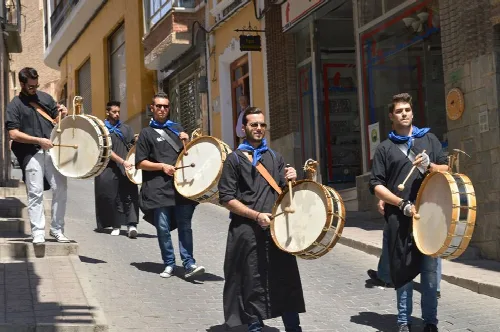
Mula is renowned for its tamboradas, or drumming processions, particularly during Holy Week, which have deep historical roots. The municipality also hosts various festivals, including the National Contest of Rapid Painting and Spanish Film Week, showcasing its vibrant cultural scene.

Group of people playing drums on a street in Mula.
Muleños playing drums during a celebration in Mula, Murcia.
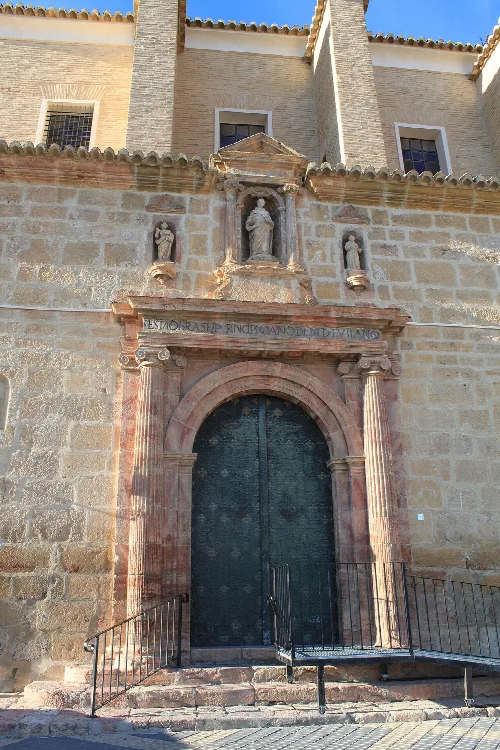
Stone facade with portal and sculptures at Santo Domingo Church, Mula.
Renaissance-style facade of Santo Domingo Church in Mula, with sculptures and a stone arch.

05Economy and Daily Life

The economy of Mula primarily relies on agriculture, particularly dryland farming and ranching. The town has seen industrial development, notably with the establishment of the 'El Arreaque' industrial park, which focuses on food and beverage manufacturing.

Main economic activities
Dryland farming, ranching, food and beverage manufacturing
Industrial park
El Arreaque, inaugurated in 2004
Mula · Data
Province
Murcia
Autonomous community
Region of Murcia
Population
17,937
Area
633.38 km²
Elevation
313 m
Postal code
30170
Website
http://www.mula.es
Coordinates
38.0419, -1.4907

Photos

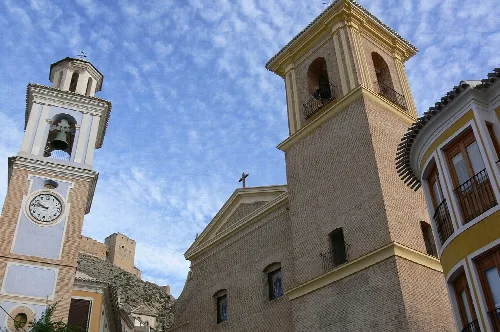
San Miguel's Church with tower and bell tower in Mula.
San Miguel's Church in Mula, with its tower and bell tower, stands out in the center of the image.
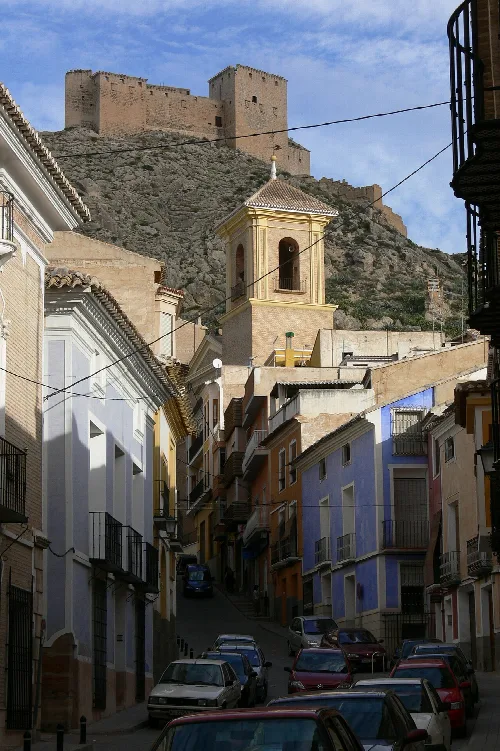
Narrow streets with colorful houses and a castle on the hill
Steep streets of Mula with colorful houses and a fortress on the hill in the background
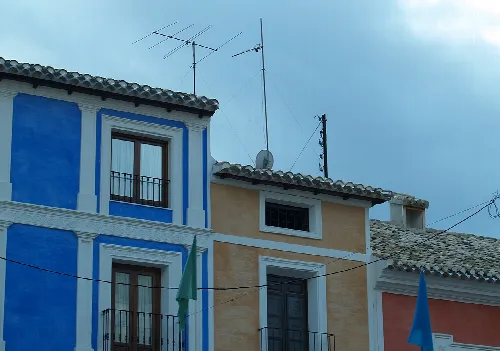
Colorful buildings in Mula's square with roof antennas.
View of Mula's square with colorful buildings and antennas on the roof.
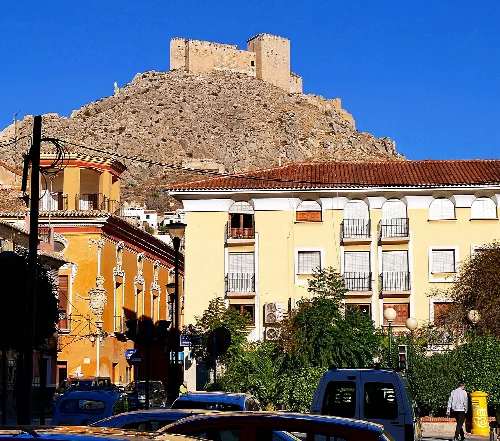
Castle on a hill with buildings in the foreground in Mula.
Castle on a hilltop above colorful buildings in Mula, Murcia.
Rooftops, church, and mountains in Mula, Murcia.
View of Mula with rooftops and a church in the foreground, and mountains in the background.

Frequently asked questions

What are the tamboradas in Mula?

The tamboradas are drumming processions that take place during Holy Week in Mula. They are a significant cultural event where participants play snare drums throughout the night, creating a rhythmic and festive atmosphere. This tradition is believed to date back to the 14th century and has become an essential part of Mula's identity, attracting both residents and visitors during the celebrations.

Festivals & events
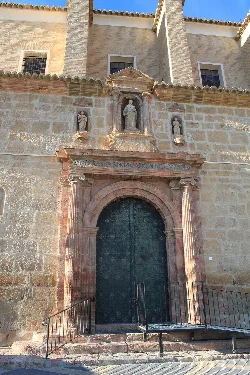
Stone facade with portal and sculptures at Santo Domingo Church, Mula.

What can you tell me about the Church of Santo Domingo in Mula?

The Church of Santo Domingo features a stunning Renaissance façade and is a notable landmark in Mula. It is known for its rich history and architectural beauty. The church has been a significant religious site, and its exterior showcases intricate designs, making it a popular spot for visitors interested in culture and history.

Sights Santo Domingo

How did Mula's history influence its architecture?

Mula's architecture reflects its diverse historical influences, including Roman, Muslim, and Christian eras. Notable structures, such as the Castle of the Vélez Family, showcase Renaissance defensive architecture, while the Church of San Miguel combines Baroque elements. This blend of styles tells the story of Mula's rich past and cultural evolution.

History For residents
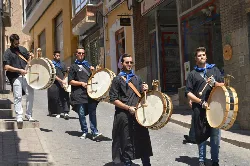
Group of people playing drums on a street in Mula.

What is the significance of the Night of the Drums in Mula?

The Night of the Drums is a key event during Holy Week in Mula, where thousands gather to play snare drums in the town square. This tradition, believed to have originated in the 14th century, symbolizes community spirit and religious expression. It begins just before midnight, creating a powerful and unifying experience for participants and spectators alike.

Festivals & events

What are some popular local dishes to try in Mula?

Mula's cuisine features traditional dishes that highlight local ingredients, particularly those from agriculture. Visitors can enjoy dishes made with fresh vegetables, meats, and local wines. The region is known for its citrus fruits, which often feature in desserts and beverages, providing a taste of the area's agricultural heritage.

Food & drink

What kind of outdoor activities can I do in Mula?

Mula offers various outdoor activities, especially for nature enthusiasts. The nearby Sierra Espuña mountain range provides excellent hiking trails with stunning views. Additionally, the Mula River and surrounding creeks are perfect for leisurely walks or picnics, allowing visitors to enjoy the natural beauty of the region.

Nature

How has Mula's economy evolved over the years?

Mula's economy has transitioned from traditional agriculture, primarily focusing on wine and olive cultivation, to include citrus farming and food manufacturing. The establishment of the El Arreaque industrial park in 2004 marked a shift towards industrialization, diversifying the local economy and providing new employment opportunities.

Living there For residents

What is the National Contest of Rapid Painting in Mula?

The National Contest of Rapid Painting is an annual event held on the second Sunday of November in Mula. It coincides with the Craft Bazaar 'Las 4 Plazas' and attracts painters from across Spain. Participants create artworks inspired by Mula's picturesque landscapes, celebrating the town's artistic heritage.

Festivals & events

What historical sites can I visit in Mula?

Mula boasts several historical sites, including the Castle of the Vélez Family and the archaeological site of El Cigarralejo. These sites offer insight into the town's rich history, showcasing remnants from the Roman, Muslim, and medieval periods, making Mula a fascinating destination for history enthusiasts.

Sights

Can you tell me about the Fiestas de San Isidro in Mula?

The Fiestas de San Isidro is celebrated on the second Saturday of May in Mula, honoring the patron saint of farmers. The festivities include a procession with the saint, traditional music, and a vibrant market. This event highlights the town's agricultural roots and brings the community together in celebration.

Festivals & events

Map

Nearby

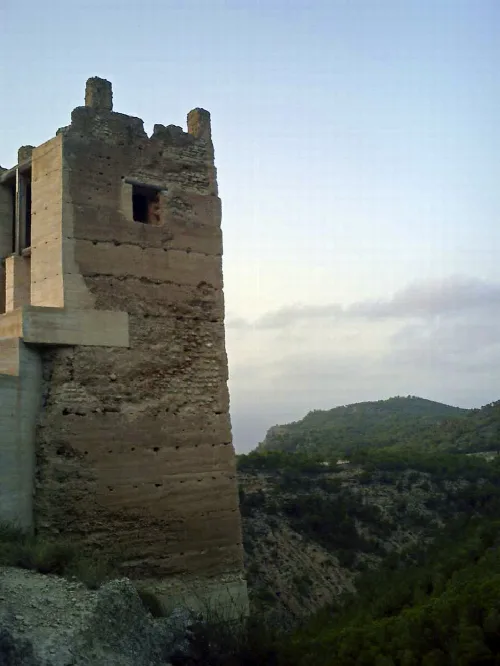
Stone castle tower in Pliego with green hills behind.
Pliego
Murcia · 4,003 inhabitants
Landscape of Ricote with orchard and mountains in the background.
Ricote
Murcia · 1,197 inhabitants
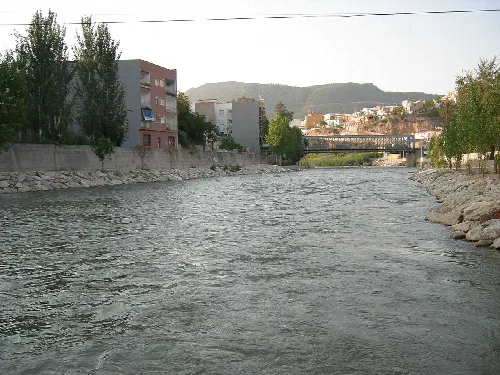
Segura River in Blanca, Murcia, with buildings and mountains in the background.
Blanca
Murcia · 6,882 inhabitants
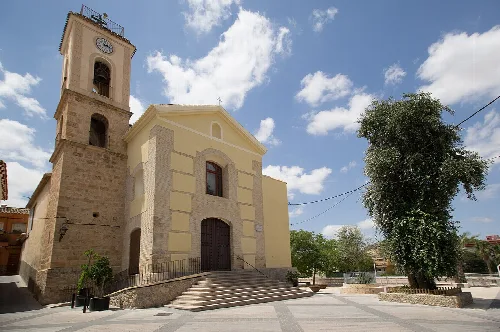
View of Bullas with houses and mountains in the background.
Bullas
Murcia · 12,027 inhabitants

Own text, written with AI assistance from the facts in Wikipedia · Mula, Spain · Data: Wikidata Q1983986 · Photos: Wikimedia Commons, see individual licenses. · CC BY-SA 4.0