Estella-Lizarra is a municipality located in the western central region of Navarre, Spain. Known for its rich history and architectural heritage, it is often referred to as 'the Toledo of the North' due to its significant monuments and its position on the Camino de Santiago.
02Geography
Estella-Lizarra is situated in the Tierra Estella region of Navarre, surrounded by mountains and located at an elevation of 421 meters. The municipality spans an area of 15.39 km² and is characterized by its unique geographical features, including a meander of the Ega River, which provides water for local agriculture and gardens.
Climate
Mediterranean climate with an average annual temperature of 13°C and average annual precipitation of 570 mm.
Flora
Vegetation includes Mediterranean and Cantabrian influences, with forests of oaks and holm oaks.
03History
The origins of Estella date back to around 1090 when it was founded by King Sancho Ramírez. Initially a small settlement known as Lizarra, it evolved into a significant town due to its strategic location along the Camino de Santiago.
Founding year
First documented mention of Lizarra 958
Name change to Estella 1077
Estella becomes a city Around 1472
Conquest of Navarre 1512
Estella-Lizarra, a historic municipality in Navarre, is known for its rich heritage and as a key stop on the Camino de Santiago.
04Cultural Heritage
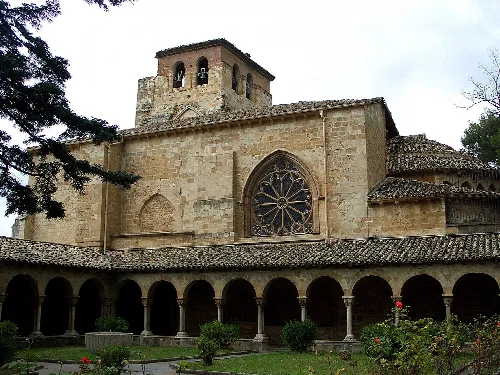
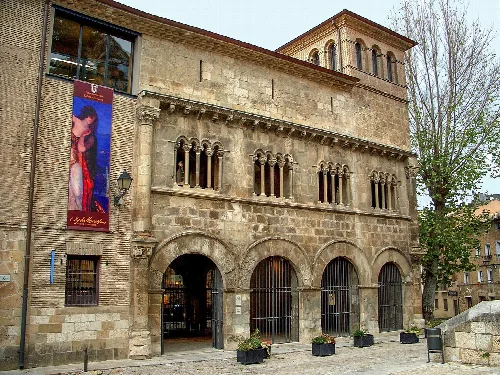
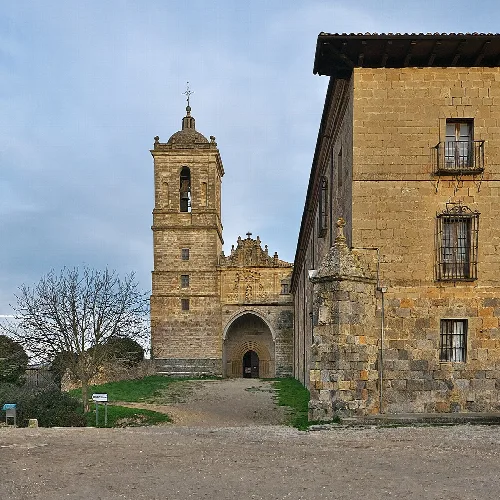
Estella-Lizarra boasts a rich architectural heritage, earning it the nickname 'the Toledo of the North'. Notable structures include the churches of San Pedro de la Rúa, San Miguel, and the Palace of the Kings of Navarre, which is the only example of civil Romanesque architecture in the region.
Key monuments Iglesia de San Pedro de la Rúa
Key monuments Iglesia de San Miguel
Key monuments Palacio de los Reyes de Navarra
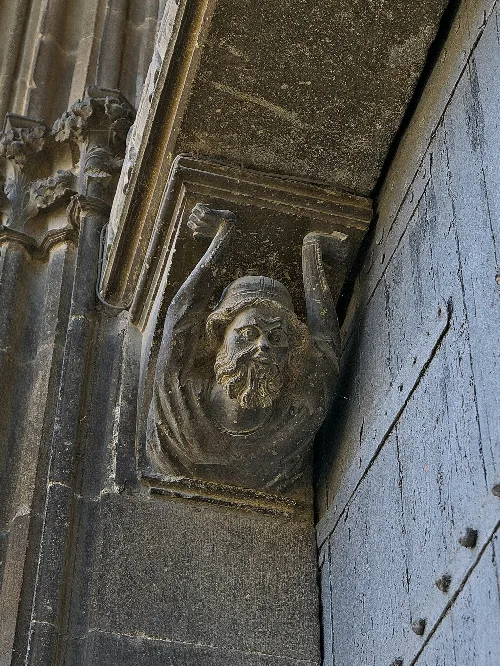
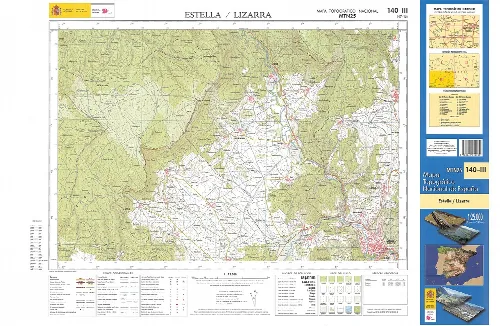
Molding on the portal of the Church of the Holy Sepulchre in Estella, featuring a sculpture of a bearded face with raised arms.Topographic map fragment of Estella Lizarra in Navarre, showing terrain and roads.
05Economy
The economy of Estella-Lizarra is primarily driven by commerce, which constitutes 74% of its economic activity. The town's strategic location along the Camino de Santiago has historically facilitated trade and attracted merchants.
Main economic sector
Commerce
Percentage of economic activity from commerce
74%
06Symbols
Estella-Lizarra has distinct symbols that reflect its identity. The official name in Spanish is Estella, derived from the Latin 'stella', meaning 'star', while in Basque, it is known as Lizarra, referring to the abundance of ash trees in the area.
Official name in Spanish Estella
Official name in Basque Lizarra
City's coat of arms Features an eight-pointed star
07Festivals and Traditions
Estella-Lizarra celebrates various festivals that reflect its cultural heritage. The presence of a significant Jewish community in the past has influenced local traditions, and the town hosts events that commemorate its historical significance.
Patron saint San Andrés
Other notable festivals Various local celebrations throughout the year
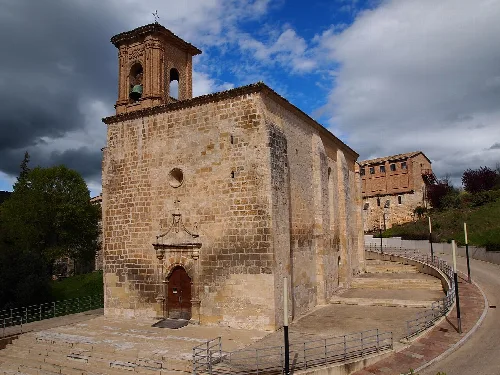
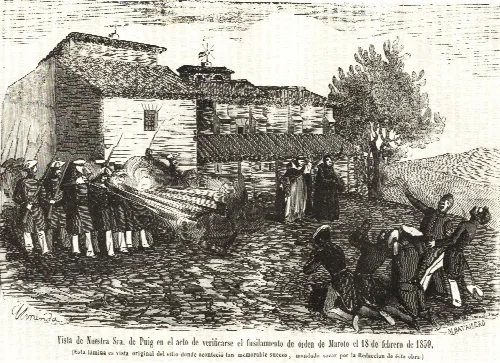
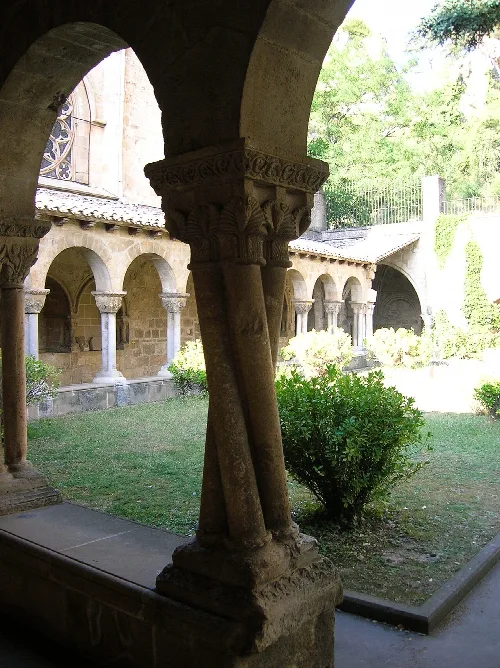
Cloister of Sant Pere de la Rúa church in Estella, Navarra, with arches and a garden in the foreground.Palace of the Kings of Navarre in Estella, featuring arches on the ground floor and Gothic windows above.Church of Santa María Jus del Castillo in Estella, with its tower and stone facade under a cloudy sky.Illustration of executions in Estella ordered by Maroto in 1839, with soldiers and victims in a dramatic scene.Cloister of San Pedro church in Estella, Navarre, with Romanesque columns and an inner garden
Frequently asked questions
What is the history behind the Puente Estella?
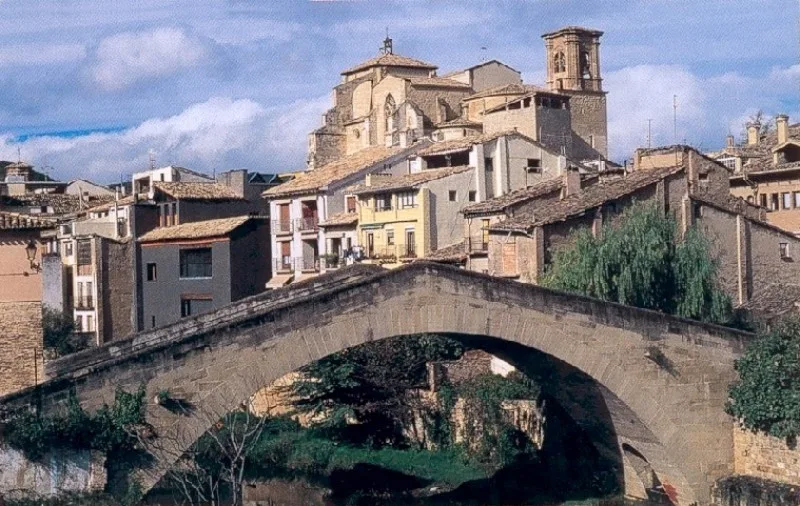
Puente Estella is a historic bridge that exemplifies the architectural heritage of the town. It spans the river Ega, connecting different parts of Estella. The bridge has been an important crossing point since medieval times, facilitating trade and pilgrimage along the Camino de Santiago. Its sturdy construction reflects the engineering skills of the period and serves as a reminder of Estella's significance in regional transport.
What can you tell me about the Iglesia del Santo Sepulcro?
The Iglesia del Santo Sepulcro is a notable landmark in Estella, known for its unique architectural style. It features intricate stone carvings and a rich history tied to the medieval period. The church is a significant site for pilgrims traveling the Camino de Santiago, reflecting the town's historical role as a religious center. Its design and artwork attract visitors interested in history and architecture.
How did Estella become a significant trading center?
Estella's strategic location along the Camino de Santiago facilitated its growth as a trading hub. Established in the late 11th century, it attracted merchants from various regions, particularly during the medieval period. The town's economic activities were bolstered by its diverse population, including a notable Jewish community engaged in commerce, which contributed to its reputation as a vibrant market town.
What is the significance of the Palacio de los Reyes de Navarra?
The Palacio de los Reyes de Navarra is a key historical site in Estella, representing the region's medieval heritage. It is the only example of civil Romanesque architecture in Navarre and served as a royal residence. The palace reflects the political importance of Estella during the medieval period and is now home to the Museo Gustavo de Maeztu, showcasing local art and history.
Estella is surrounded by beautiful natural landscapes, making it ideal for outdoor activities. Visitors can explore hiking trails in the nearby mountains, such as Montejurra and Peñaguda. The area also offers opportunities for cycling and enjoying the scenic views along the river Ega. The natural surroundings provide a peaceful retreat for nature lovers and adventure enthusiasts alike.
When visiting Estella, be sure to try local dishes that reflect the region's culinary heritage. Popular options include 'pochas' (a type of bean stew), 'chistorra' (a local sausage), and various pintxos, which are small snacks typically served in bars. The town is also known for its excellent wines, particularly those from the nearby Rioja region, making for a delightful gastronomic experience.
Are there any annual events in Estella worth attending?
Estella hosts several annual events that celebrate its rich culture and history. One of the most notable is the Fiestas de San Andrés, held in late November, featuring traditional music, dance, and local cuisine. Additionally, the town celebrates various religious festivals throughout the year, attracting visitors and locals alike to partake in the festivities and community spirit.
Estella experiences a Mediterranean climate, characterized by mild winters and warm summers. The average annual temperature is around 13°C, with winter frost being common. Precipitation averages about 570 mm annually, contributing to the lush vegetation in the area. This climate supports diverse flora and fauna, making it an appealing destination for nature enthusiasts.
As of 2025, Estella has a population of approximately 14,317 residents. This small city in Navarre has a vibrant community that reflects a blend of historical influences and modern living. The population contributes to the town's cultural richness and economic activities, primarily centered around commerce and tourism.
The name Estella has its roots in the Latin word 'stella,' meaning 'star.' It reflects the town's historical significance and its evolution from the earlier name Lizarra, which is derived from the Basque word for 'ash tree.' This etymology highlights the blend of cultural influences that have shaped Estella over the centuries.
 espana.net