What can I see from the viewpoint in Rocaforte?
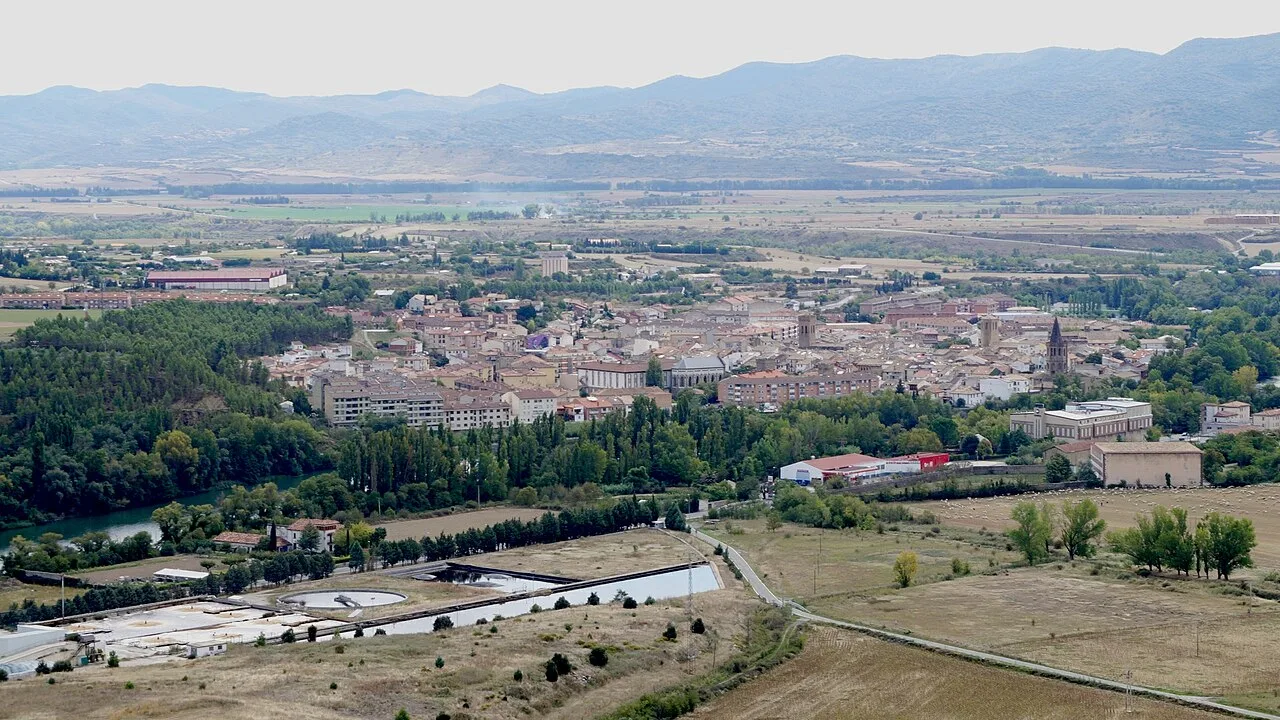
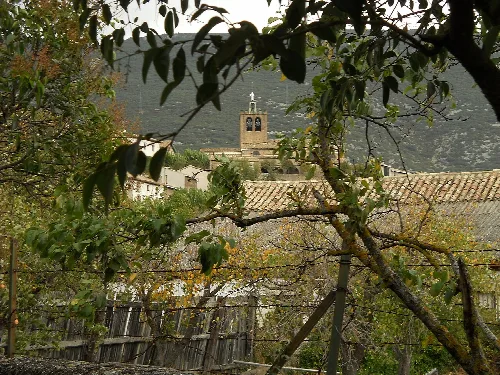
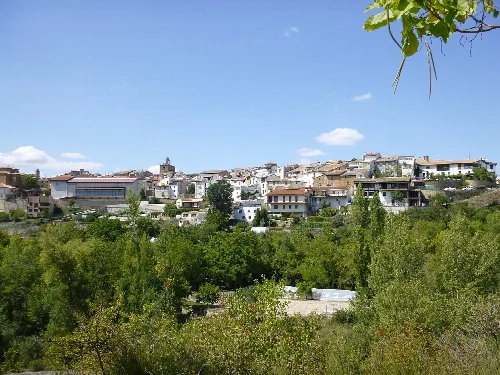
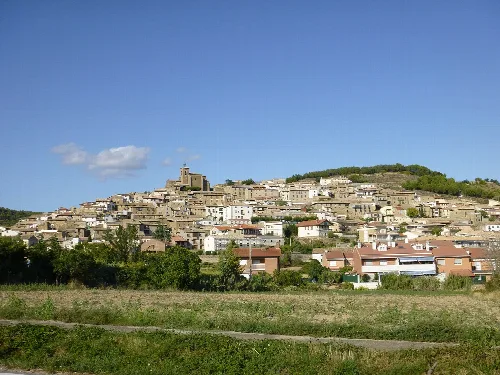
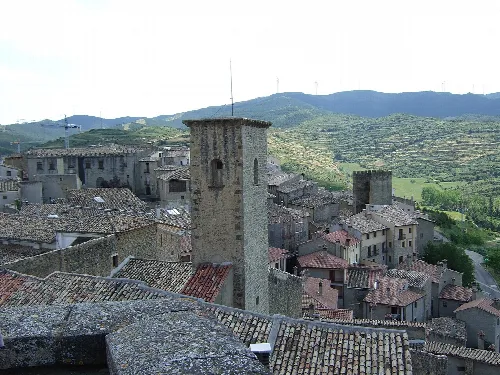
From the viewpoint in Rocaforte, you can enjoy stunning panoramic views of Sangüesa and its surrounding landscape. The town is situated on a terrace above the river Aragón, offering a picturesque backdrop of the mountains and valleys that define the area. It's a perfect spot for photography and appreciating the natural beauty of Navarre.
Sights
What is the historical significance of the bridge over the river Aragón?
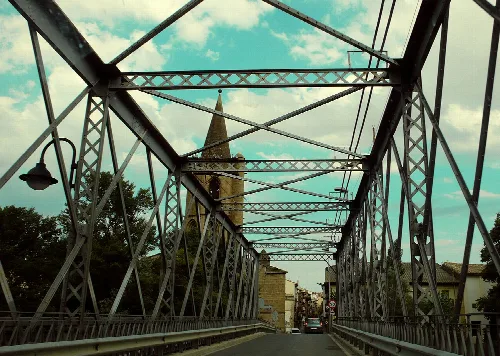
The bridge over the river Aragón has historical importance as it dates back to the late 11th century, commissioned by King Sancho Ramírez. Originally a Romanesque structure with seven arches, it served as a vital crossing point in the region, linking different areas and facilitating trade and movement throughout history.
History
bridge
What is the climate like in Sangüesa?
Sangüesa experiences a transitional climate characterized by abundant cloud cover and significant temperature variations between winter and summer. The average annual temperature is around 13.2 °C, with winter frost being common. Rainfall averages 625 mm annually, influenced by Atlantic weather patterns.
Nature
For residents
Are there any local festivals in Sangüesa?
Sangüesa hosts several local festivals throughout the year, celebrating its rich cultural heritage. Notably, the Fiestas de San Juan in June and the Fiestas de la Virgen del Romero in September are significant events that feature traditional music, dance, and local cuisine, attracting both residents and visitors.
Festivals & events
What kind of food can I try in Sangüesa?
In Sangüesa, you can savor traditional Navarrese cuisine, which includes hearty dishes like 'pochas' (a type of bean), 'cordero al chilindrón' (lamb stew), and various local cheeses. Don't miss the chance to try regional wines, which complement the rich flavors of the local dishes.
Food & drink
What historical events shaped Sangüesa's development?
Sangüesa's development was shaped by various historical events, including its strategic location as a defensive stronghold against the Moors in the Middle Ages. The granting of the fuero de Jaca in 1090 and its designation as a city in 1665 were pivotal moments that contributed to its growth and significance in Navarre.
History
For residents
What is the significance of the Palacio de los Reyes de Navarra?
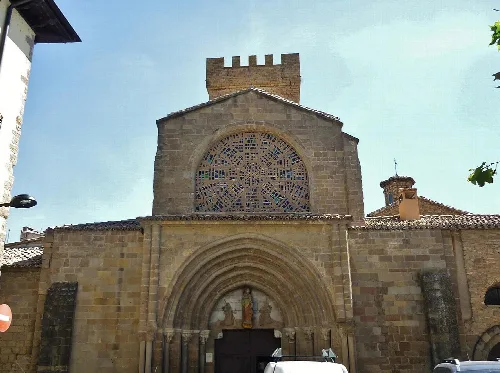
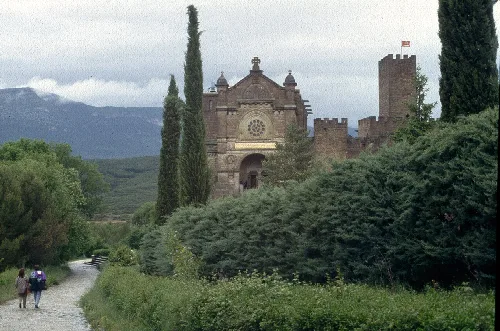
The Palacio de los Reyes de Navarra, also known as the Palace of the Prince of Viana, is a fortified medieval structure that reflects Sangüesa's historical importance. It served as a residence for royalty and military leaders, showcasing architectural elements from its time, including defensive towers and historical significance as a royal site.
Sights
Palacio de los Reyes de Navarra
How is the education system structured in Sangüesa?
Sangüesa has a structured education system with options for both primary and secondary education. The local colegio Luis Gil offers education in both Spanish and Basque, while the Instituto de Educación Secundaria Sierra de Leyre provides secondary education and vocational training, catering to diverse educational needs.
Living there
For residents
What industries are prominent in Sangüesa?
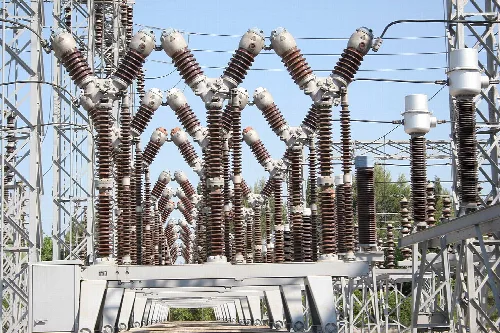
Sangüesa is home to a growing industrial sector, primarily concentrated in the Rocaforte industrial park. Key industries include energy, metallurgy, and manufacturing, with notable companies involved in biomass energy production. The local economy benefits from a mix of commerce and industry, supporting employment in the region.
Living there
For residents
What natural features surround Sangüesa?
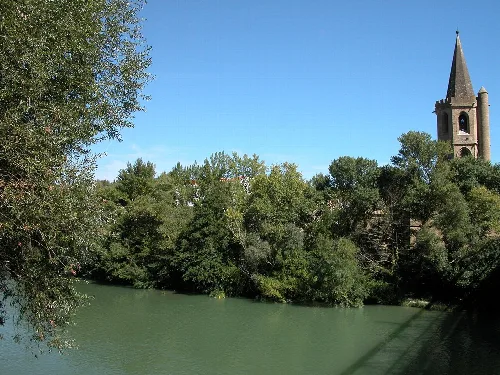
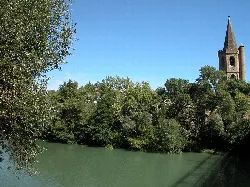
Sangüesa is surrounded by diverse natural features, including the river Aragón, which flows through the town, and the nearby mountains of Leire and Peña. The area's geography offers beautiful landscapes and opportunities for outdoor activities such as hiking and exploring the scenic valleys and hills.
Nature
 espana.net