What is the history behind the Parque de la Memoria in Sartaguda?
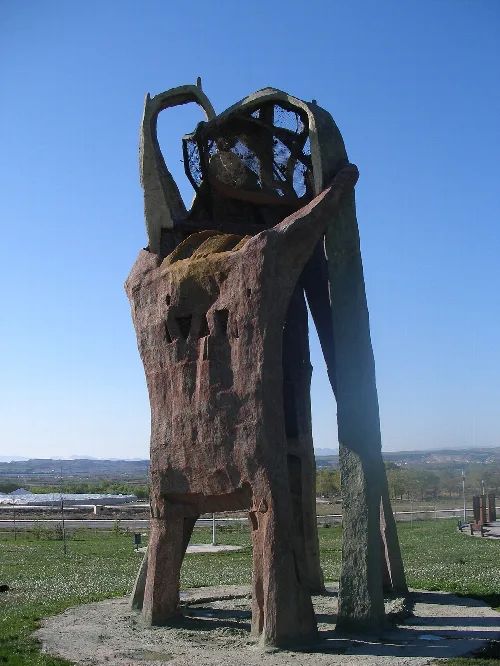
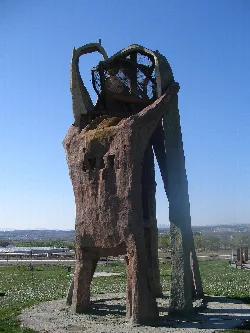
The Parque de la Memoria in Sartaguda was inaugurated on May 10, 2008, to honor victims of the Civil War. It features a seven-meter wall listing 3,431 names of those who suffered during this period, including locals and others who died in concentration camps. The park was a collaborative effort by various associations and serves as a significant memorial for the community.
History
Parque de la Memoria
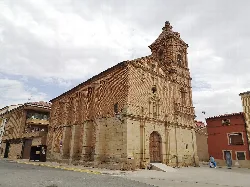
What can I expect to see at the antigua Iglesia de la Virgen del Rosario?
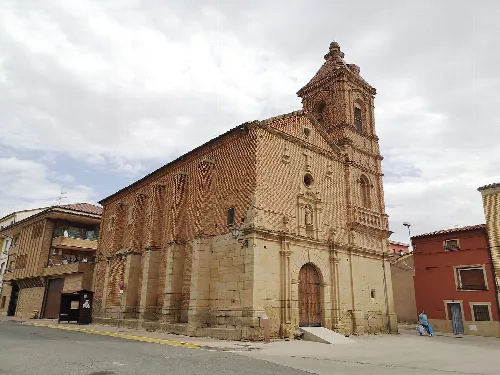
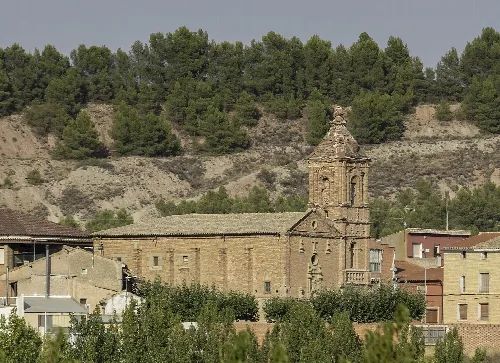
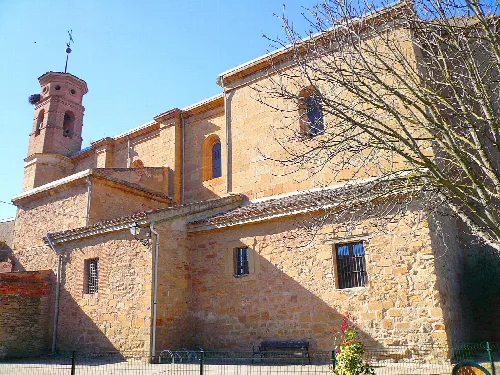
The antigua Iglesia de la Virgen del Rosario is an 18th-century Baroque building featuring a single rectangular nave and a beautifully decorated exterior. Inside, you can find an altar with intricate designs and historical elements, including decorative plates and a notable choir area. The church represents significant architectural heritage in Sartaguda.
Sights
Iglesia de la Virgen del Rosario
What are the main events celebrated in Sartaguda throughout the year?
Sartaguda hosts several key events, including San Antón on January 17, San Isidro on May 15, and the Fiestas Patronales from August 7 to 13. These celebrations feature processions, music, and traditional foods. The Feria del Melocotón on August 15 focuses on peach-related activities and contests, showcasing local culture and community spirit.
Festivals & events
How does the climate in Sartaguda affect daily life?
Sartaguda experiences a Mediterranean climate with cold winters and hot, dry summers. The average temperature in January is 4.2°C, while in July, it reaches 21.9°C. These temperature fluctuations can influence agricultural practices, local festivals, and outdoor activities, making summer a popular time for community events.
Nature
For residents
What is the significance of the name 'Pueblo de las Viudas'?
The name 'Pueblo de las Viudas' refers to Sartaguda's tragic history during the Civil War, where many men were killed, leaving numerous widows. This period of repression and loss has deeply affected the community's identity and is commemorated through memorials and local narratives, highlighting resilience and remembrance.
History
For residents
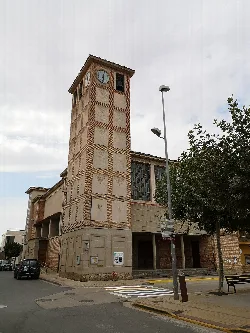
Where is the nueva Parroquia del Rosario located?
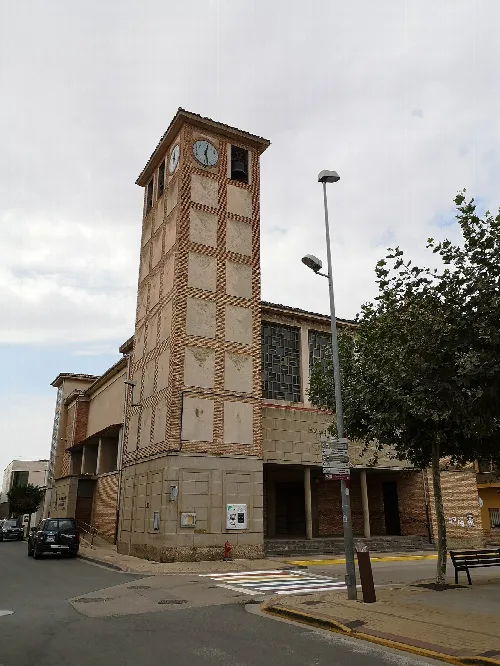
The nueva Parroquia del Rosario, built in 1969, is situated in Sartaguda. This modern church features artistic elements, including a significant crucifix from the early 17th century. It serves as a place of worship and community gathering, reflecting the town's ongoing religious traditions.
Sights
Parroquia nueva del Rosario
What type of food can I try during the Fiestas Patronales?
During the Fiestas Patronales in Sartaguda, which occur from August 7 to 13, you can enjoy traditional local dishes, including roasted lamb and cochinillo. The festivities also feature communal meals and food stalls, providing a great opportunity to experience the culinary heritage of the region.
Food & drink
What are the main roads leading to Sartaguda?
Sartaguda is accessible via several local roads. The NA 6221 connects to the NA-134, while another local road links to the NA-123. Additionally, there's access to the AP-68 highway through Lodosa, facilitating transportation to and from the municipality.
Getting there
For residents
What is the population of Sartaguda?
As of 2025, Sartaguda has a population of 1,349 residents. This small community is characterized by its rich history and cultural events, contributing to a close-knit atmosphere among the locals.
Living there
For residents
What is the geographical setting of Sartaguda?
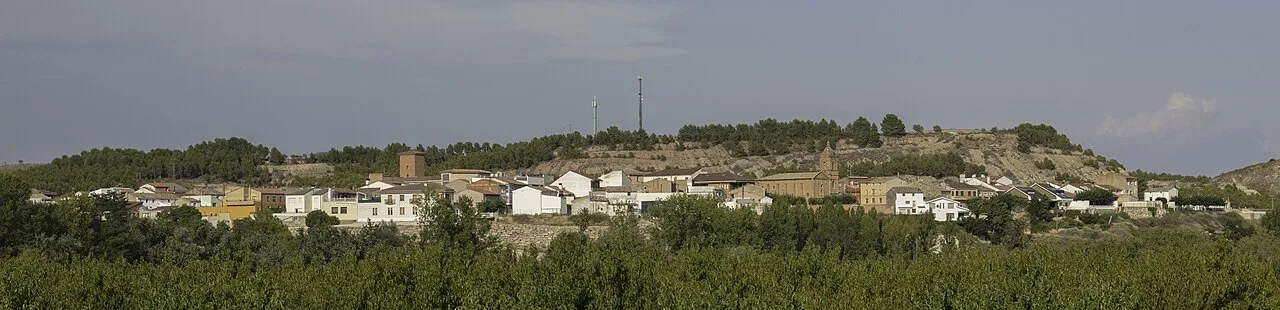
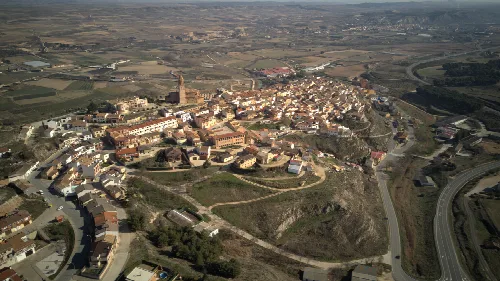
Sartaguda is located in the southwest of Navarre, within the Ribera de Navarra region. The municipality features diverse geomorphological units, including northern gypsum and clay formations, and southern alluvial terraces of the Ebro River. Its altitude ranges from 310 to 422 meters above sea level, offering scenic landscapes.
Nature
 espana.net