What can you tell me about the Real Monasterio de San Zoilo?
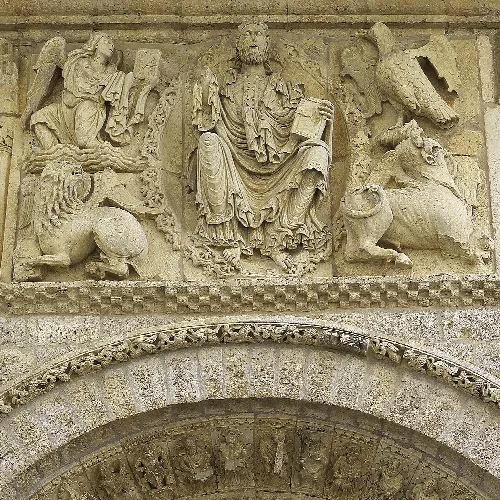
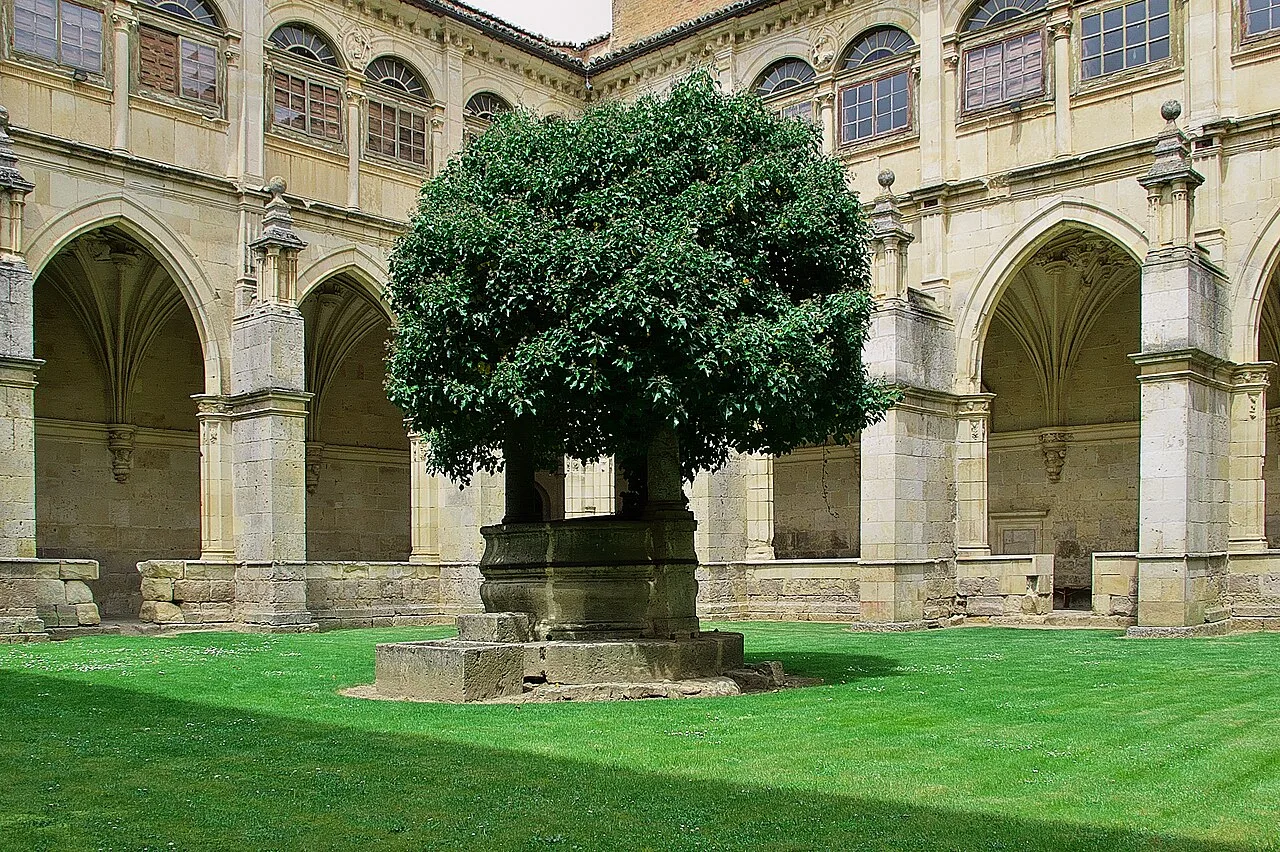
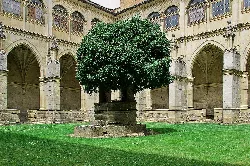
The Real Monasterio de San Zoilo is a significant historical site in Carrión de los Condes, showcasing a beautiful Renaissance cloister designed by architects Pedro de Torres, Juan de Bobadilla, and Pedro Cícero. This monastery has played an essential role in the town's religious and cultural history, making it a must-visit for those interested in architecture and heritage.
Sights
Real Monasterio de San Zoilo
How is the climate in Carrión de los Condes?
Carrión de los Condes experiences a Mediterranean continental climate, characterized by cold winters with frequent frosts and mild, dry summers. The annual temperature variation is around 20 °C, with low and irregular precipitation, mainly occurring in late autumn, winter, and spring, while summers are typically dry.
Nature
For residents
What is the significance of the Corpus Christi festival in Carrión de los Condes?
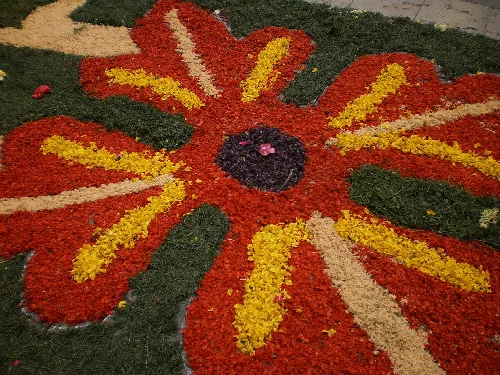
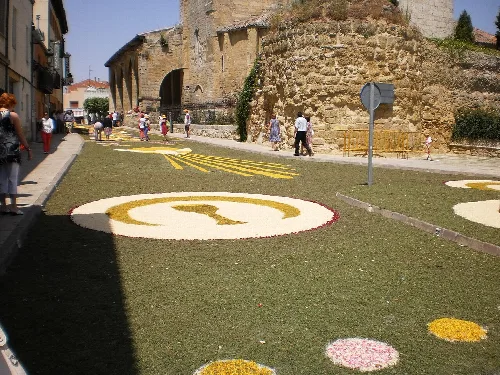
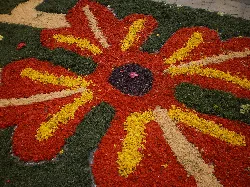
The Corpus Christi festival, celebrated on the Sunday after Pentecost, is a regional tourist attraction in Carrión de los Condes. The highlight of this event is the floral carpets that adorn the streets, created by local residents. Children who have made their first communion participate in the procession, adding to the festive atmosphere.
Festivals & events
Corpus Christi
What historical importance does Carrión de los Condes hold?
Carrión de los Condes was a pivotal city during the Middle Ages, hosting important councils and being a key stop on the Camino de Santiago. Its historical significance is reflected in its medieval architecture and the role it played in the Christian kingdoms of Spain, particularly during the 11th and 12th centuries.
History
For residents
What are the main educational facilities in Carrión de los Condes?
Carrión de los Condes has three public educational centers for children and teenagers, including the Escuela Infantil Municipal Naranjita for younger children, the Colegio de Educación Infantil y Primaria Marqués de Santillana, and the Instituto de Educación Secundaria Sem Tob, which offers secondary education and vocational training.
Living there
For residents
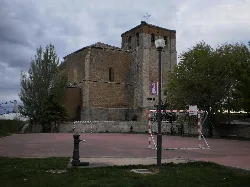
What is the Ermita de Nuestra Señora de Belén like?
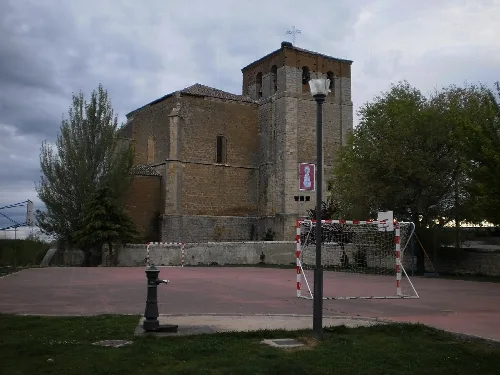
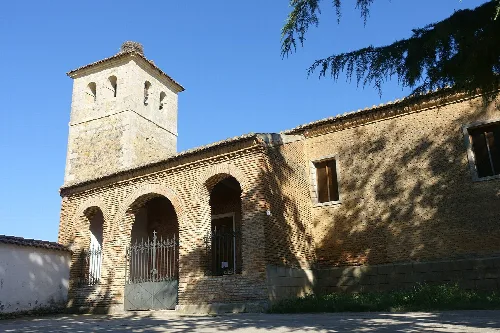
The Ermita de Nuestra Señora de Belén is a charming chapel located in Carrión de los Condes. It is known for its serene atmosphere and religious significance, often visited by locals and pilgrims alike. The architecture reflects the region's historical styles, making it a peaceful spot for reflection and prayer.
Sights
Ermita de Nuestra Señora de Belén
What are the main transportation options in Carrión de los Condes?
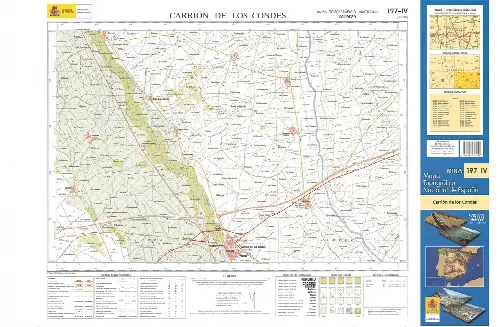
Carrión de los Condes is well-connected by road, particularly via the A-231 highway, which links it to major cities like Burgos and León. For local travel, the CL-615 road is commonly used to reach Palencia. However, the town does not have a railway station, with the nearest ones located in Frómista and Osorno.
Getting there
For residents
What are the main attractions of the Semana Santa celebrations here?
During Semana Santa, Carrión de los Condes hosts a series of processions that commemorate the passion of Christ, running from Palm Sunday to Easter Sunday. Key events include the processions of the Santo Cristo del Amparo and the Santo Entierro, organized by the Cofradía de la Santa Vera Cruz, showcasing the town's rich religious traditions.
Festivals & events
Semana Santa
What types of sports facilities are available in Carrión de los Condes?
Carrión de los Condes offers various sports facilities primarily located near the river. These include football fields, a covered sports pavilion, tennis and paddle courts, and seasonal swimming pools. The area promotes active lifestyles and community engagement through sports activities.
Living there
For residents
What is the history behind the name Carrión de los Condes?
The name Carrión de los Condes is traditionally linked to the Counts Gómez Díaz, who were significant figures in the town's medieval history. The full name was first documented in 1522. The town's historical ties to nobility and its role in the region's governance are reflected in its name.
History
For residents
 espana.net