What can you tell me about the history of Fuentes de Béjar?
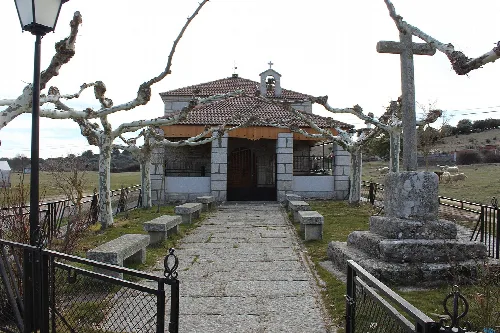
Fuentes de Béjar has a rich history dating back to the Neolithic period, with evidence of human settlements and stone tools found near the river Sangusín. During the Roman era, roads were constructed, and remnants of a Roman temple are believed to be located where the current hermitage of San Blas stands. The town later became part of the Kingdom of Castilla and experienced significant demographic changes during the Middle Ages due to various invasions and territorial disputes.
History
What is the significance of the river Sangusín in Fuentes de Béjar?
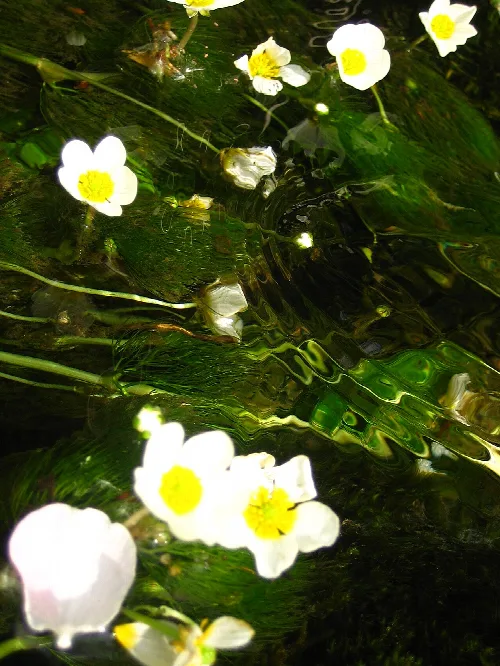
The river Sangusín is a vital geographical feature of Fuentes de Béjar, marking historical territorial boundaries. It has its origins in the municipality and flows through the area, providing essential water resources. The river has been referenced in historical documents and played a key role in the region's development, influencing settlement patterns and agriculture.
History
river Sangusín
What are some popular local dishes to try in Fuentes de Béjar?
In Fuentes de Béjar, traditional cuisine features hearty dishes typical of the region. You can enjoy local specialties such as roasted meats, particularly lamb, and various stews made with seasonal vegetables. Additionally, the area is known for its artisan cheeses and cured meats, which reflect the agricultural heritage of the region.
Food & drink
What is the Desafío BTT Fuenterrico event about?
The Desafío BTT Fuenterrico is an annual mountain biking event held in Fuentes de Béjar, promoting rural revitalization and tourism. It features two race distances, catering to both beginners and experienced cyclists. The event not only showcases the beautiful landscapes of the valley of Sangusín but also aims to attract visitors and support local businesses.
Festivals & events
Desafío BTT Fuenterrico
What can you tell me about the architecture in Fuentes de Béjar?
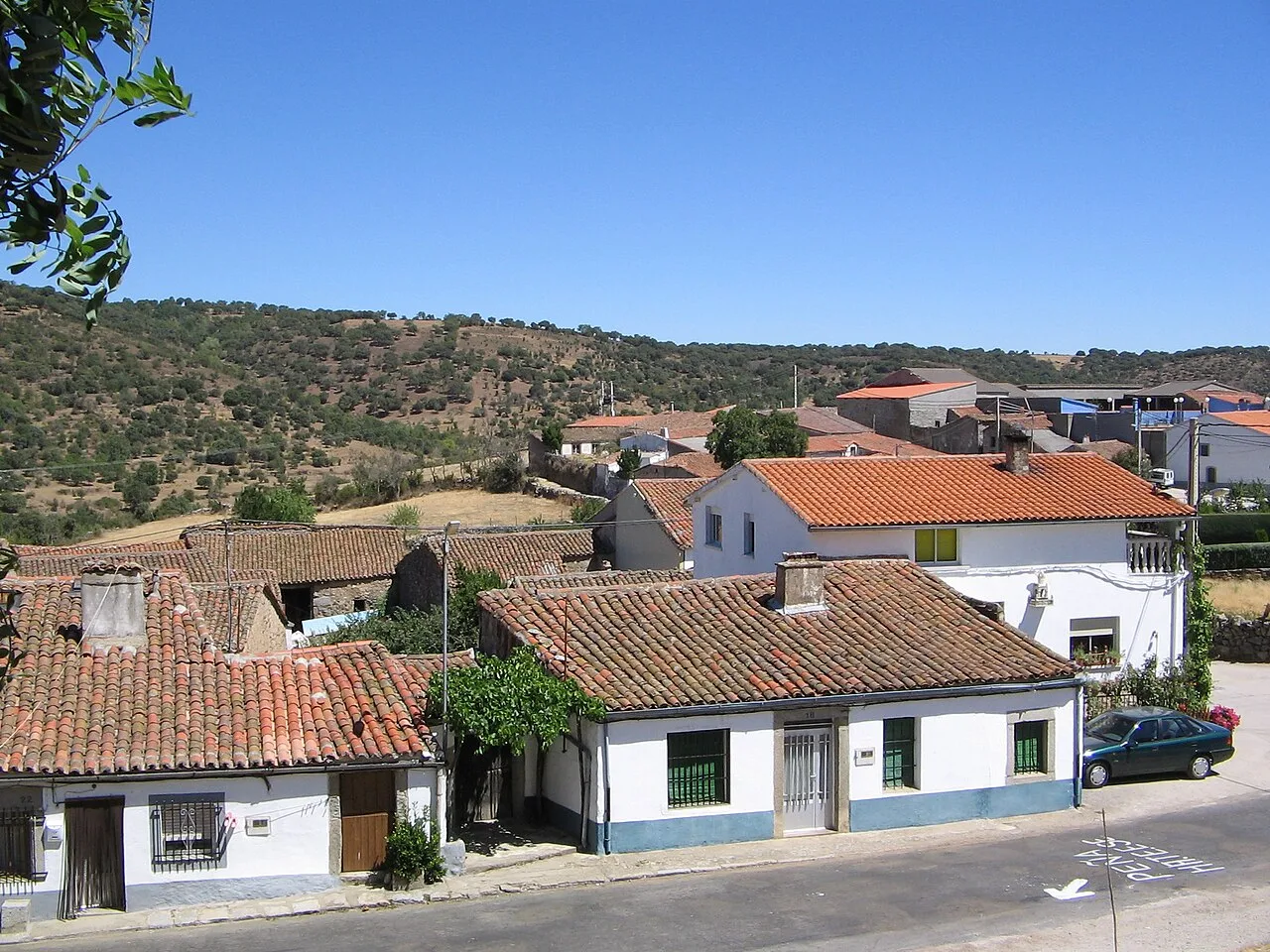
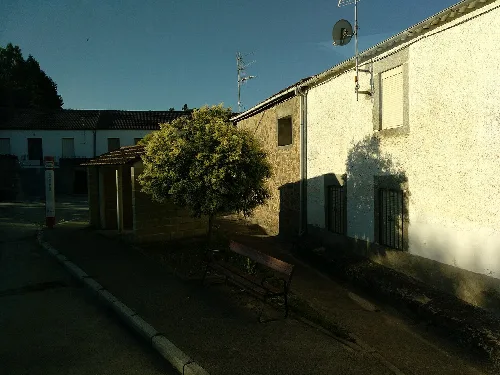
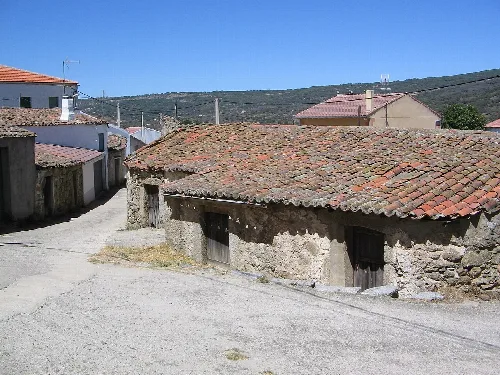
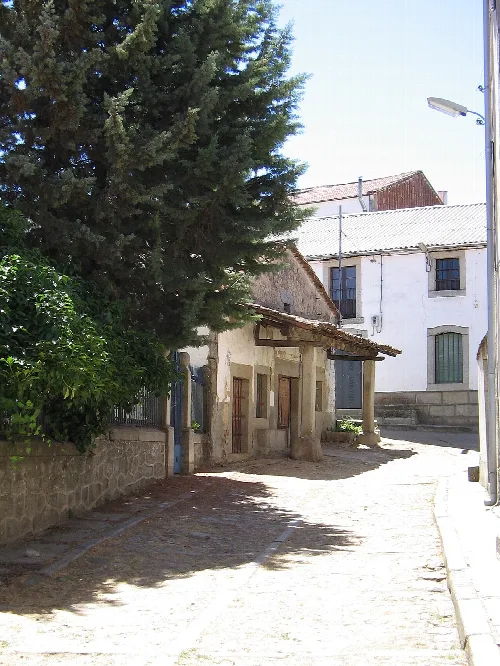
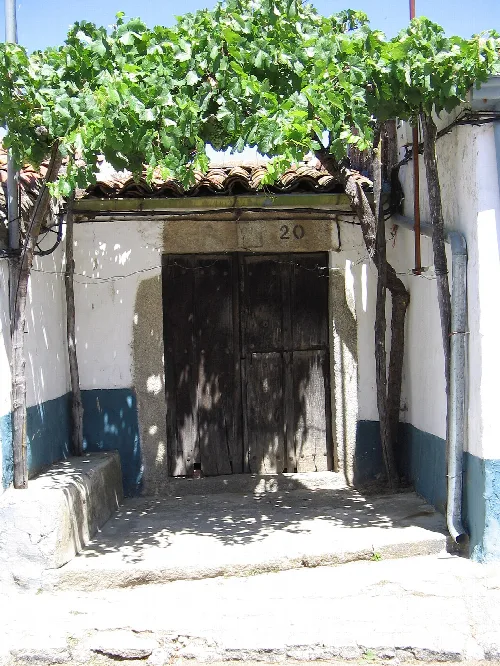
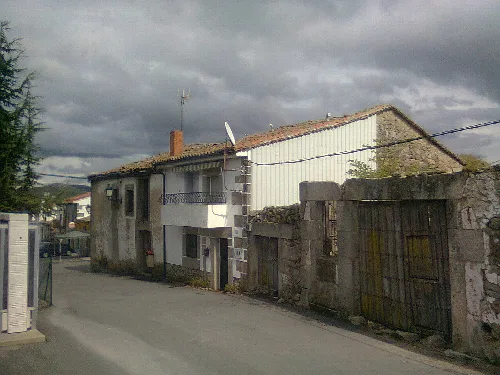
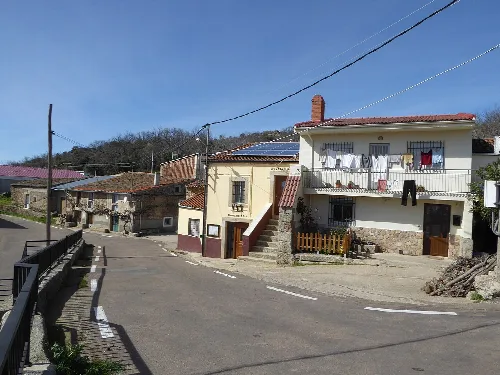
Fuentes de Béjar features traditional architecture characterized by stone houses, often built from local granite. The town has preserved many historical buildings, including multi-story houses and older structures that reflect the region's cultural heritage. The use of granite not only showcases local craftsmanship but also contributes to the town's unique aesthetic.
Living there
For residents
What is the best way to get to Fuentes de Béjar?
Fuentes de Béjar is well-connected by road, situated along the N-630 national highway and the A-66 motorway. These routes provide easy access to nearby towns and the province of Salamanca. However, public transport options are limited, so driving or arranging a ride is recommended for visitors.
Getting there
What are the natural attractions near Fuentes de Béjar?
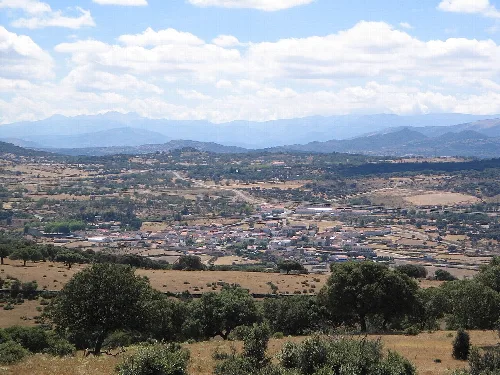
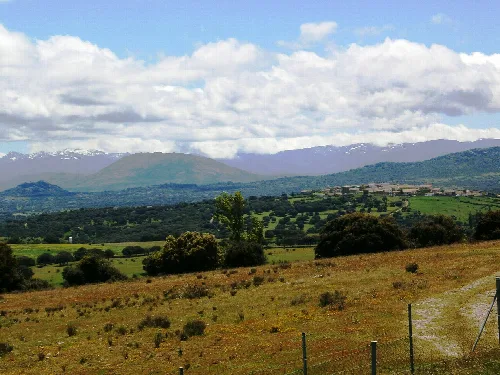
The area surrounding Fuentes de Béjar is rich in natural beauty, featuring mountains, valleys, and the river Sangusín. The landscape offers opportunities for hiking, cycling, and enjoying the serene environment. Additionally, the nearby Sierra de Béjar provides stunning views and diverse flora and fauna for nature enthusiasts.
Nature
What is the main church in Fuentes de Béjar?
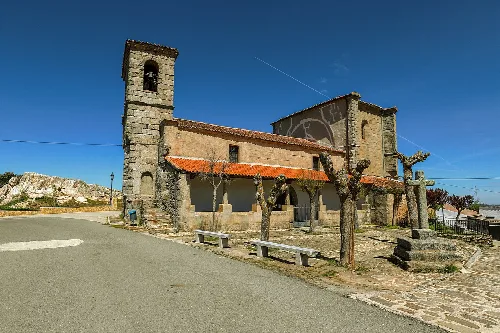
The main church in Fuentes de Béjar is dedicated to Nuestra Señora de la Purificación. This church is part of the Archdiocese of Mérida-Badajoz and serves as a central place of worship for the local community. Its architecture reflects the historical and cultural significance of the town.
Sights
Iglesia de Nuestra Señora de la Purificación
What is the population trend in Fuentes de Béjar?
Fuentes de Béjar has experienced a decline in population over the years. As of 2021, the population was recorded at 216, down from 282 in 2000. This trend reflects broader demographic changes in rural areas, with challenges such as aging populations and urban migration affecting community vitality.
Living there
For residents
What are the main roads connecting Fuentes de Béjar to other towns?
Fuentes de Béjar is connected to other towns through several key roads, including the N-630 national highway and the A-66 motorway. Local roads also link the municipality to nearby areas such as Puebla de San Medel and Ledrada, facilitating travel and trade within the region.
Practical
For residents
 espana.net