What is the church in Lagunilla like?
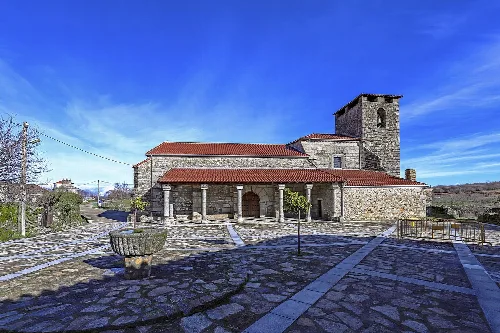
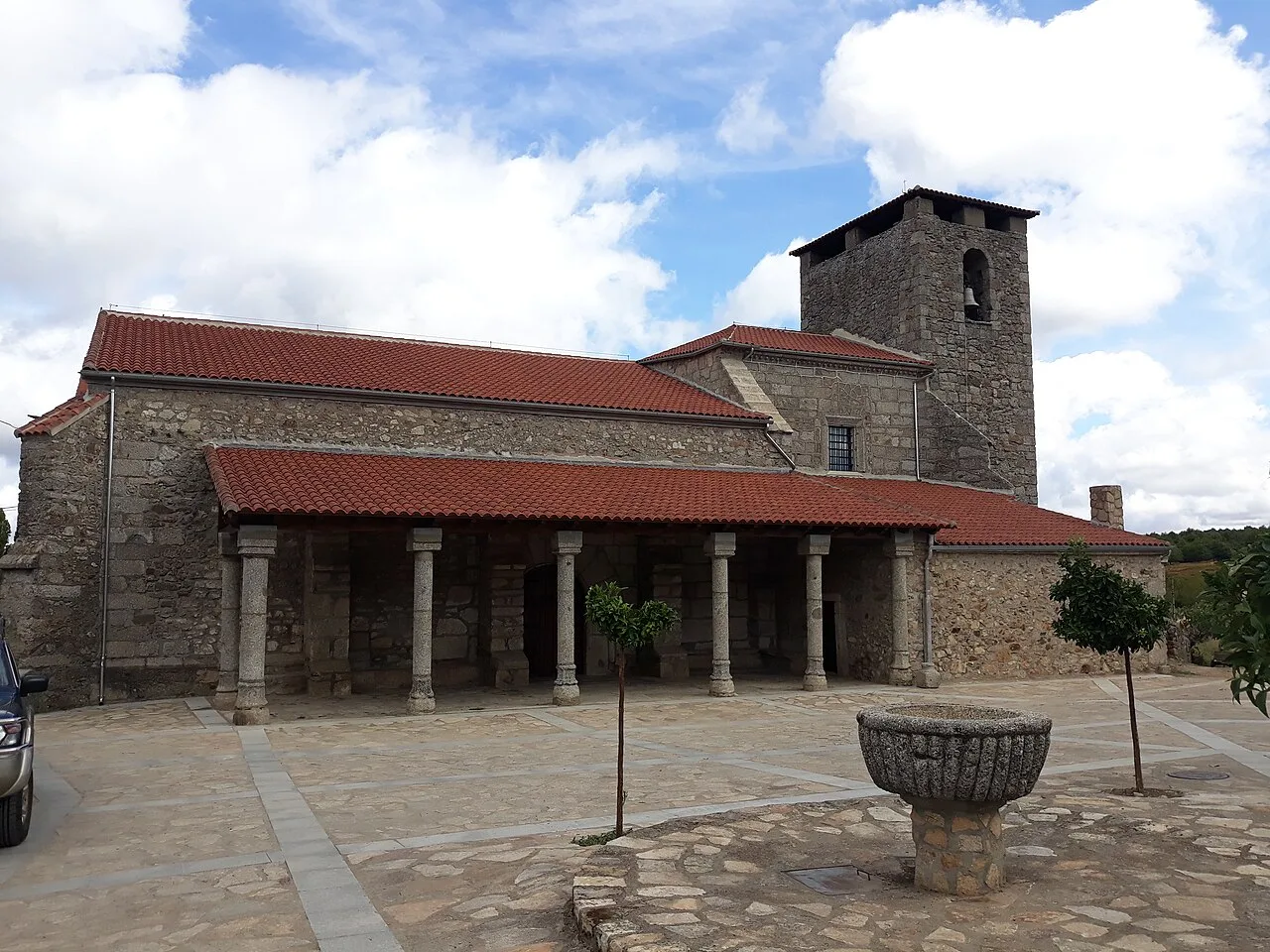
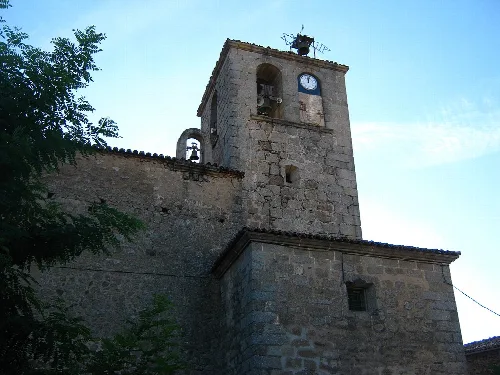
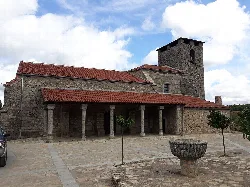
The church in Lagunilla, dedicated to the Virgen de la Asunción, dates back to 1500. It features a stone structure with a charming portico supported by columns. The church serves as a significant religious site for the local community, especially during the annual festivities on August 15, which celebrate the patron saint.
Sights
Iglesia de Nuestra Señora de la Asunción
What are the main festivals in Lagunilla?
Lagunilla celebrates its main festival on August 15, honoring the Virgen de la Asunción. Another significant event occurs on September 14-15, dedicated to El Santísimo Cristo de los Afligidos. These festivals are marked by various local traditions and community gatherings, drawing residents and visitors alike.
Festivals & events
What historical significance does Lagunilla have?
Lagunilla has a rich history dating back to ancient times, likely inhabited by Vettones. It later became significant during the Roman era, serving as a rest stop for armies. The area witnessed numerous battles during the Reconquista and has remnants of its historical past, including archaeological finds from various periods.
History
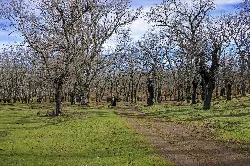
What can you tell me about the natural surroundings of Lagunilla?
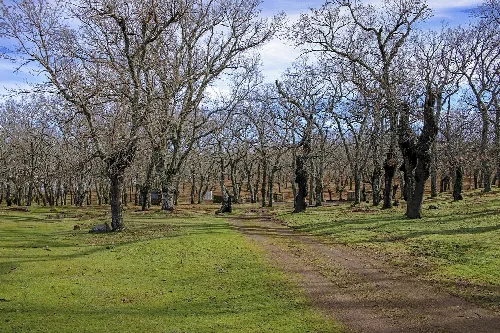
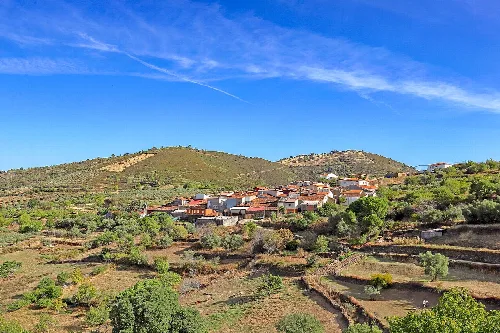
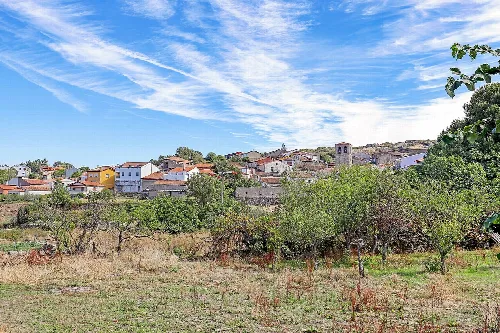
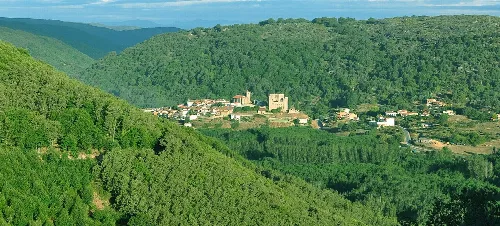
Lagunilla is situated in the Sierra de Béjar region, characterized by its beautiful natural landscapes. The area features oak forests and recreational spaces, making it ideal for nature lovers and outdoor activities. The scenic beauty contributes to the town's charm and appeal for visitors seeking tranquility.
Nature
How is the local cuisine in Lagunilla?
The local cuisine in Lagunilla reflects traditional Castilian flavors, often featuring hearty dishes made with locally sourced ingredients. Visitors can enjoy regional specialties, particularly during festivals, where traditional foods are served, showcasing the culinary heritage of the area.
Food & drink
What is the population trend in Lagunilla?
Lagunilla has experienced a decline in population over the years. As of 2025, it has 414 inhabitants, a decrease from 640 in 2000. This trend reflects broader demographic shifts in rural areas of Spain, where many smaller towns face challenges in maintaining their populations.
Living there
For residents
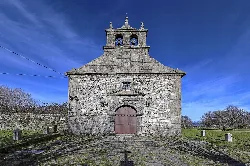
What is the significance of the Ermita del Cristo Afligido?
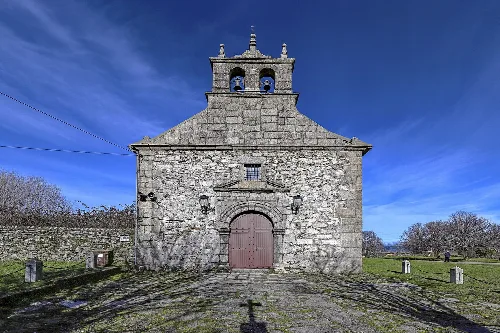
The Ermita del Cristo Afligido is an important religious site in Lagunilla, built in 1697. It plays a central role in local festivities, particularly during the celebrations for El Santísimo Cristo de los Afligidos on September 14-15, drawing both locals and visitors for its spiritual significance.
Sights
Ermita del Cristo Afligido
How can I get to Lagunilla?
Lagunilla is somewhat isolated, accessible primarily via local roads. The nearest major route is the autovía Ruta de la Plata, located about 13 km away. Public transportation is limited, with no regular bus or train services directly connecting to the town, making personal transport advisable.
Getting there
What is the landscape like around Lagunilla?
The landscape surrounding Lagunilla is predominantly rural, featuring rolling hills and oak forests typical of the Sierra de Béjar region. This natural setting provides opportunities for outdoor activities such as hiking and enjoying the serene environment, appealing to nature enthusiasts.
Nature
What historical sites can I visit in Lagunilla?
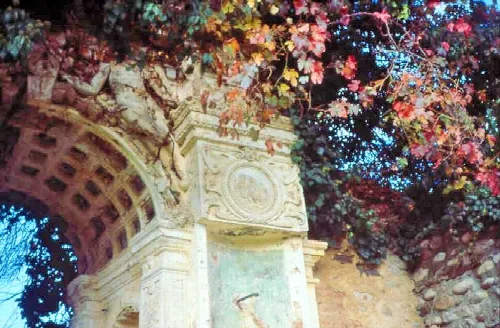
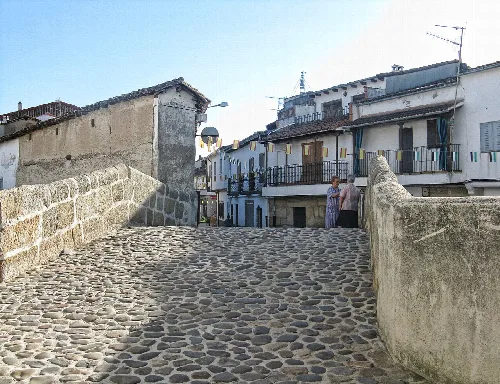
In Lagunilla, visitors can explore several historical sites, including the Iglesia de Nuestra Señora de la Asunción and the Ermita del Cristo Afligido. Additionally, remnants of ancient Roman and medieval structures can be found in the area, reflecting its rich historical heritage.
Sights
 espana.net