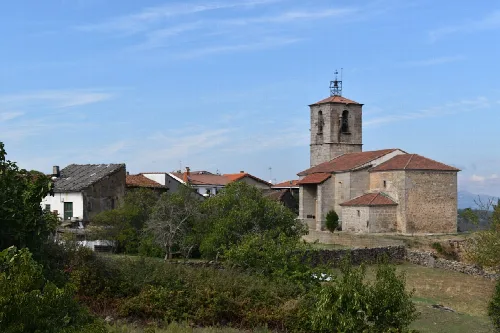
What can you tell me about the history of Valdehijaderos?
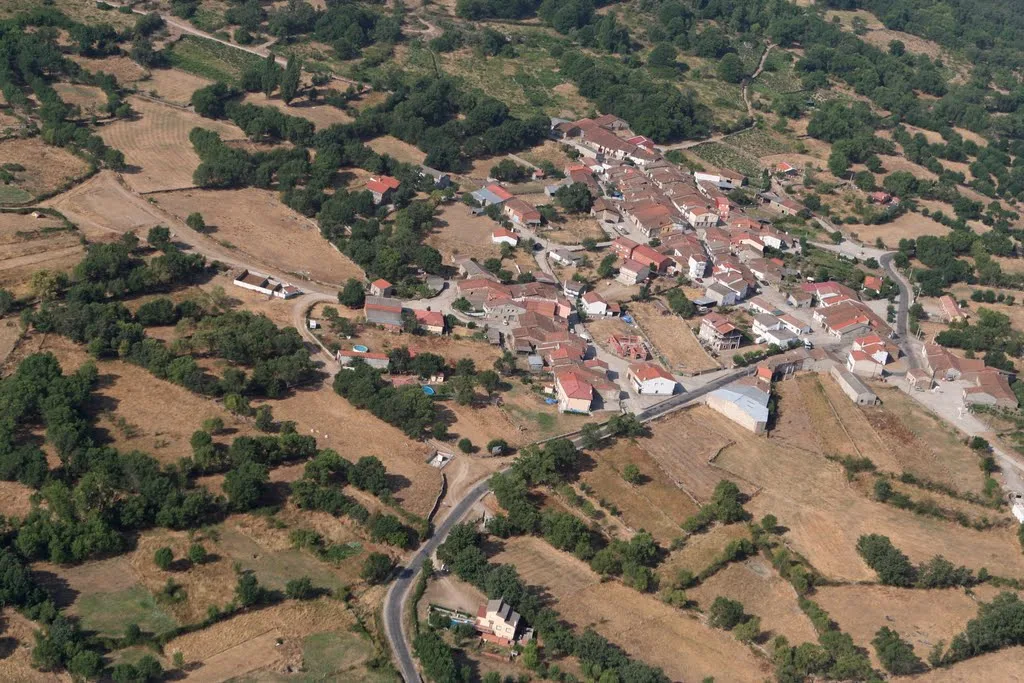
Valdehijaderos has a rich history dating back to the Middle Ages. It was part of the Marquesado de Montemayor del Río within the Kingdom of León. The village likely began repopulation around 1227 under King Alfonso IX. The first documented mention of Valdehijaderos appears in 1543, indicating it was an annex of Montemayor with 57 families.
History
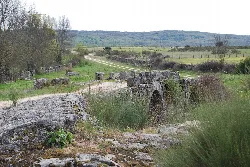
What is the significance of the Puente Romano in Valdehijaderos?
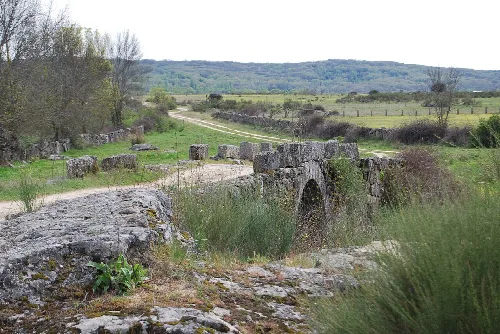
The Puente Romano, or Roman Bridge, is a notable landmark in Valdehijaderos, located on the Cañada Real Soriana Occidental. This ancient structure highlights the historical importance of the area, serving as a vital crossing point over the Arroyo de San Marcos, and reflects the architectural heritage of the region.
Sights
La Puente
What kind of food is typical in Valdehijaderos?
Valdehijaderos has a traditional diet heavily influenced by its agricultural and pastoral lifestyle. Typical foods include locally sourced meats like lamb and pork, as well as vegetables grown in family gardens. The community also produces wine from local vineyards, which is often consumed during meals and celebrations.
Food & drink
What outdoor activities can I enjoy in Valdehijaderos?
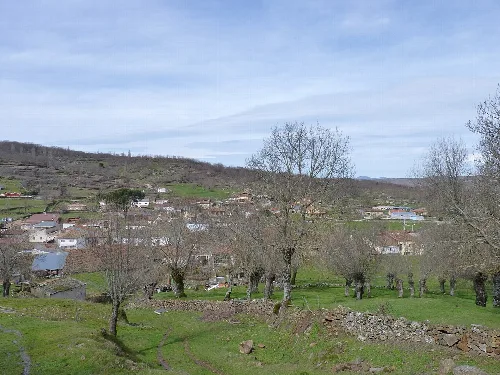
Visitors to Valdehijaderos can explore various outdoor activities, including hiking along the Gran Recorrido GR-10 and the European E-7 trails. The area is also part of the biosphere reserve of the Sierras de Béjar and Francia, offering scenic landscapes and opportunities for nature photography and birdwatching.
Nature
How is the community life in Valdehijaderos?
Community life in Valdehijaderos is closely-knit, with a small population of around 84 residents. Social activities often revolve around local festivities such as the patron saint celebrations of San Marcos and San Juan. Traditional games like calva are popular, and there are gatherings in local taverns for socializing.
Living there
For residents
What is the climate like in Valdehijaderos?
Valdehijaderos experiences a Mediterranean continental climate, characterized by cold, dry winters with occasional frost and hot, dry summers. The area sees most of its rainfall in spring and autumn, making it a pleasant destination for outdoor activities during these seasons.
Nature
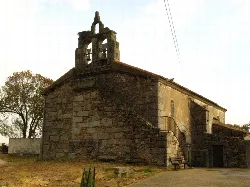
What is the significance of the Iglesia de San Juan Degollado?
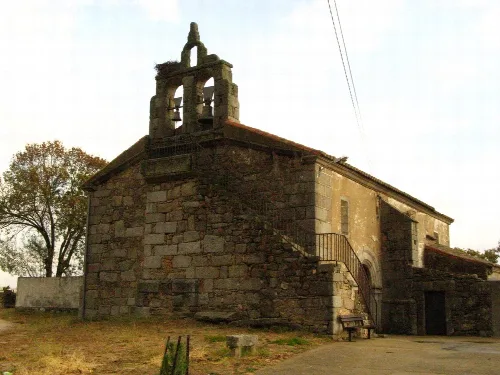
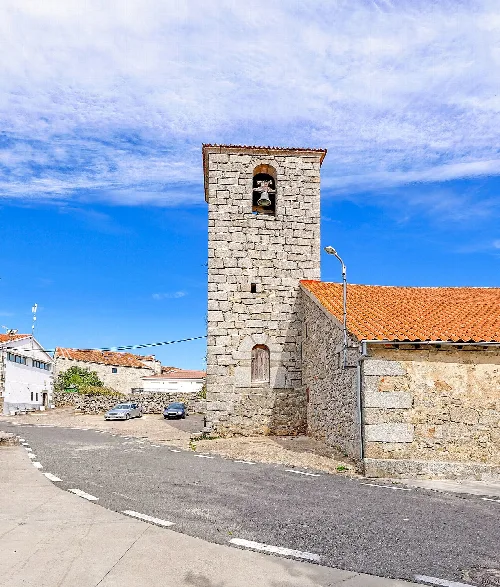
The Iglesia de San Juan Degollado is the parish church of Valdehijaderos, notable for its Visigothic baptismal font. This church serves as a central place of worship and community gathering, reflecting the town's cultural and religious heritage.
Sights
Iglesia de San Juan Degollado
How can I get to Valdehijaderos?
Valdehijaderos is accessible by local roads connecting to nearby municipalities like Horcajo de Montemayor. While there are no train services directly in the municipality, the nearest railway station is in Béjar. The closest airport is Salamanca, located approximately 86 km away.
Getting there
What are the main economic activities in Valdehijaderos?
Valdehijaderos primarily relies on agriculture and livestock farming. The community engages in extensive cattle and sheep farming, alongside small-scale vineyards and vegetable gardens. This traditional economic structure highlights the town's connection to its rural roots and natural resources.
Food & drink
For residents
Are there any local festivals in Valdehijaderos?
Yes, Valdehijaderos celebrates local festivals such as San Marcos and San Juan. These events are marked by traditional dances, games, and communal meals, fostering a sense of unity among residents and providing an opportunity for visitors to experience local culture.
Festivals & events
 espana.net