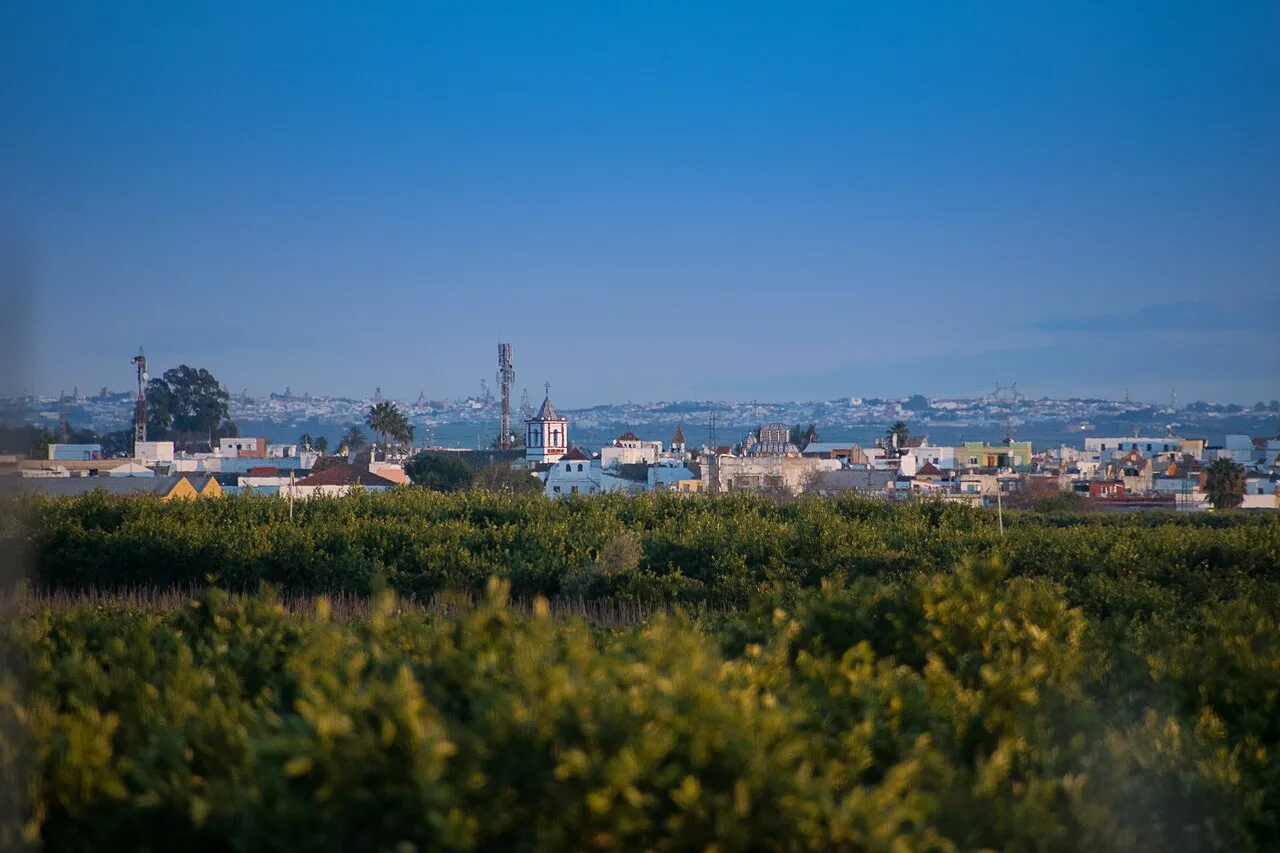
Brenes is a municipality located in the province of Seville, Andalusia. Known for its agricultural heritage and rich history, it features a blend of cultural influences from Roman, Muslim, and Christian periods.
02Geography
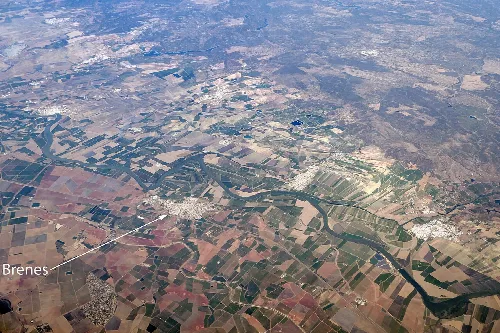
Brenes is situated in the Vega del Guadalquivir region, approximately 22 kilometers from Seville. The municipality is characterized by its flat terrain, with an elevation of 18 meters above sea level, and spans an area of 22 square kilometers. Brenes is well-connected by roads, including the A-462 and A-8004, facilitating access to nearby towns.
Patron saint
San Sebastián
Festival dates
Romería de San Sebastián: January; Virgen de la Candelaria: February 2; Semana Santa: March/April; Feria de Octubre: October.
03History
The history of Brenes dates back to Roman times, where it was known for its agricultural production, particularly olive oil. Following the Muslim conquest in 711, it became known as Alquería de Qulumbira. The name evolved through various influences, including Latin and Arabic, before settling on its current form after the Christian reconquest.
Roman period Agricultural exploitation and production of amphorae for olive oil.
711 AD Conquered by Muslims, known as Alquería de Qulumbira.
1246-1247 Brenes was taken by Fernando III and became part of the Kingdom of Castile.
1574 Transition from ecclesiastical to secular lordship under Juan Antonio Vicentelo de Leca.
19th century Introduction of the railway, enhancing trade and transport.
Brenes, a municipality in Seville, is known for its agricultural heritage and rich historical influences.
04Economy
Brenes has a predominantly agricultural economy, with significant production of cereals, olives, and fruits. The local industry includes an olive oil refinery and several agricultural cooperatives. The area also supports a range of artisanal crafts, particularly in furniture and embroidery.
Main agricultural products Olives, cereals, melons, and peaches.
Key industries Olive oil refining, fruit packaging, and artisanal crafts.
Livestock Includes pork, cattle, goats, and horses.
Cooperatives Numerous cooperatives support local agricultural production.
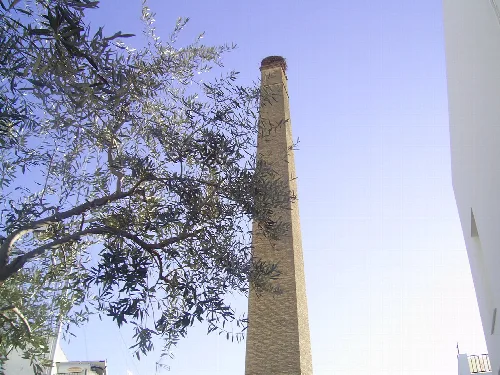
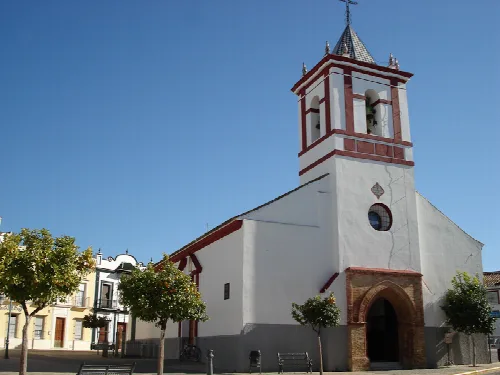
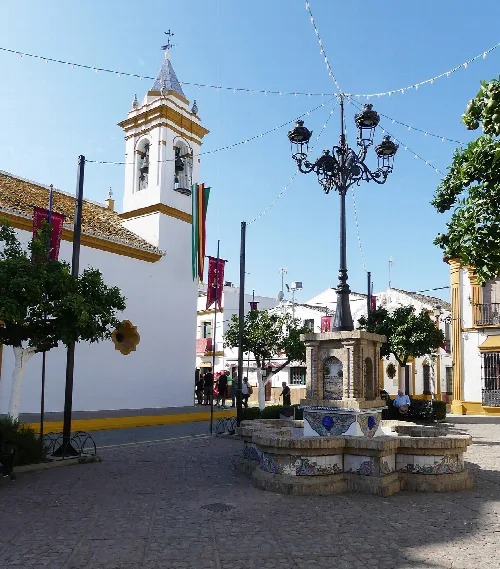
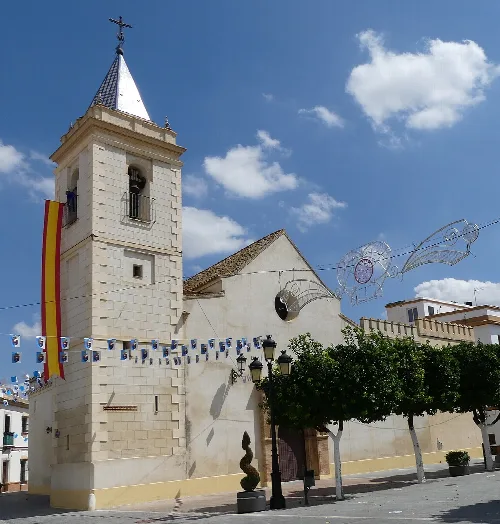
Industrial chimney tower called the Stork Tower in Brenes, Seville.The Church of the Purísima Concepción in Brenes, with its tower and white facade on a sunny day.
05Culture and Festivals
Brenes hosts several cultural events and festivals throughout the year, reflecting its rich traditions. The Semana Santa is particularly significant, featuring multiple processions that attract many visitors. Other notable celebrations include the Romería de San Sebastián and the Feria de Octubre.
Semana Santa Features three processions on Holy Wednesday, Thursday, and Friday.
Romería de San Sebastián Celebrated on the nearest Sunday to January 20.
Virgen de la Candelaria Procession on February 2, known for its children's participation.
Feria de Octubre Held in October, coinciding with the patronal festivities.
Corpus Christi Street decorations with flowers and hangings.
06Sights and Heritage
Brenes boasts several historical and cultural landmarks, including the Parroquia de la Purísima Concepción, which dates back to the late 15th century, and the Ermita de San Sebastián from the 17th century. The town's architecture reflects its diverse historical influences.
Parroquia de la Purísima Concepción Mudéjar style, restored in 1993.
Ermita de San Sebastián Constructed in the 17th century.
Torre del Molino Late 19th-century structure.
Monument to Constitutional Rights Metal statue representing a field worker.
Monument to the Costalero Sculpture honoring the tradition of costaleros.
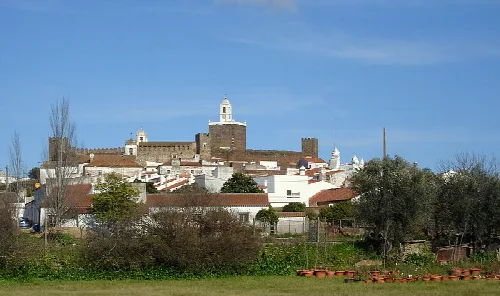
Aerial view of Brenes and the surrounding Andalusian countryside in Seville.Brenes in Seville with its castle and white houses, seen from the nearby countryside.
Frequently asked questions
What is Brenes known for historically?
Brenes has a rich history that dates back to Roman times, when it was a prosperous agricultural area known for producing olive oil and amphorae for transport. It later became an important settlement during the Muslim period, known as Alquería de Qulumbira. The town's name evolved through various cultures, reflecting its diverse historical influences.
What can I see at the Parroquia de la Purísima Concepción?
The Parroquia de la Purísima Concepción, built in the late 15th century, showcases Mudéjar architectural style, particularly in its tower and main entrance. It features beautiful paintings by Juan del Castillo in the altar area and is notable for being one of the few buildings that survived the 1755 Lisbon earthquake.
What is the significance of the Torre 'de la cigüeña'?
The Torre 'de la cigüeña' is an industrial chimney that symbolizes Brenes' historical industrial activities. It reflects the town's past in manufacturing and serves as a landmark that connects the community to its industrial heritage, particularly in olive oil production.
The Feria de Octubre, a significant local festival, occurs the week after the procession of Ntra. Sra. del Rosario, usually between October 7 and 10. This vibrant fair is known for its lively atmosphere, music, and community celebrations, making it a highlight of the year in Brenes.
What are the main agricultural products of Brenes?
Brenes is known for its agricultural output, particularly citrus fruits like mandarins and oranges, as well as stone fruits such as peaches and nectarines. The region's fertile land and irrigation systems support a thriving agricultural sector, contributing significantly to the local economy.
Brenes is governed by a democratic local administration, with 17 council members elected every four years. The electoral roll includes all residents over 18, ensuring representation for the community. The local government has historically been led by various political parties, including communists and socialists.
What is the legend associated with the origins of Brenes?
According to local legend, Brenes traces its origins to a Visigothic monastery named 'Aguas Duras', where a revered nun, Santa Verenne, was buried. Her grave became a pilgrimage site, influencing the town's name and spiritual significance, even during Muslim rule.
Currently, Brenes has a significant industrial sector focused on olive oil production, with companies like Sovena leading the way. The town also has facilities for processing and exporting fruits and vegetables, contributing to its economic landscape.
What kind of events are celebrated during Semana Santa in Brenes?
During Semana Santa, Brenes hosts three main processions featuring different brotherhoods. The celebrations are deeply rooted in local tradition and attract many visitors, highlighting the town's cultural and religious significance during this important time.
What is the local community's connection to the Virgen de la Candelaria?
The Virgen de la Candelaria is celebrated in Brenes with a procession on February 2, known as the 'Virgen de los niños'. This event brings families together, especially children, and includes a community 'chocolatada' in the afternoon, fostering local traditions and unity.
 espana.net