What is the history behind the Church of San Juan Bautista in Marchena?
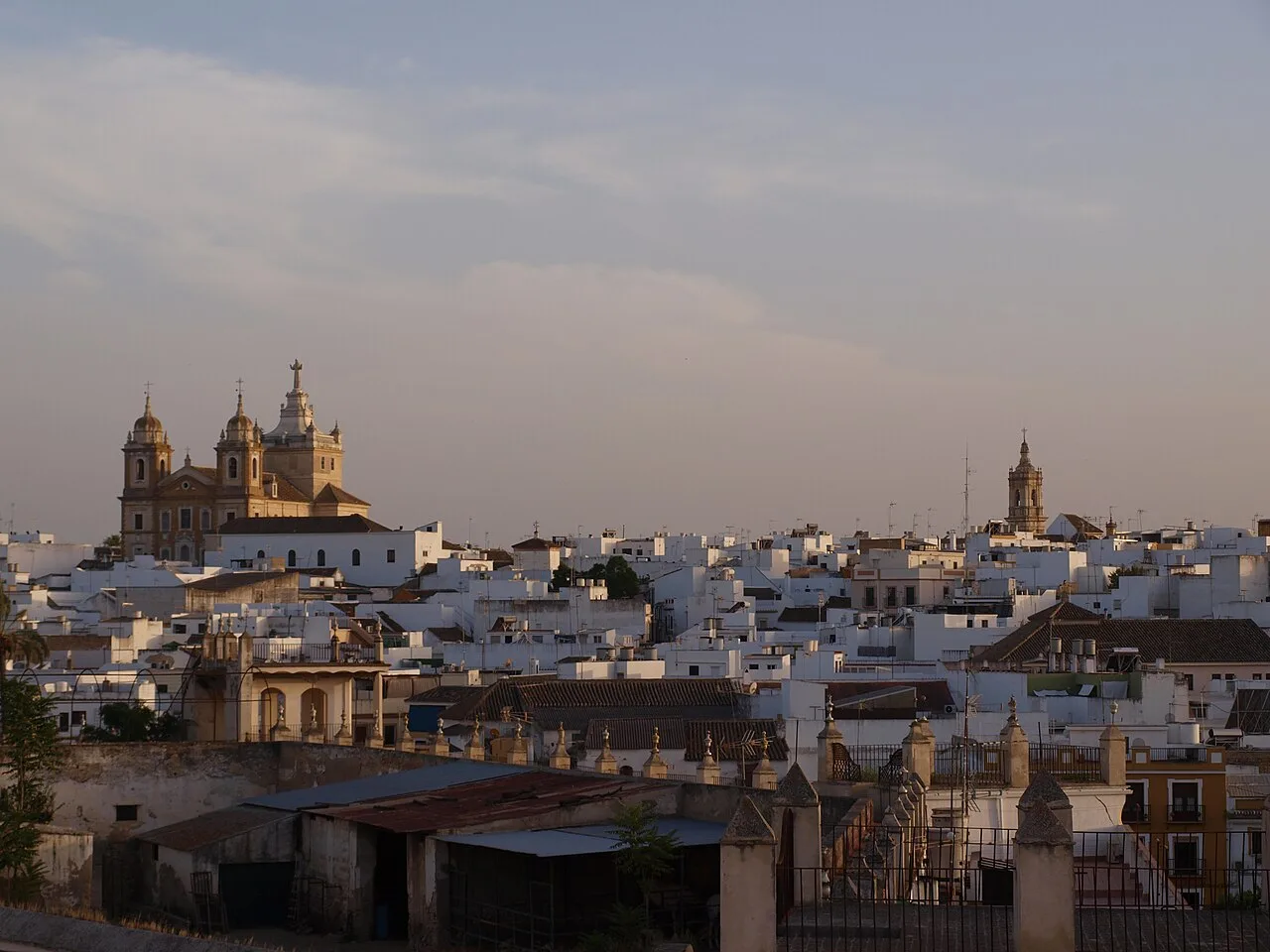
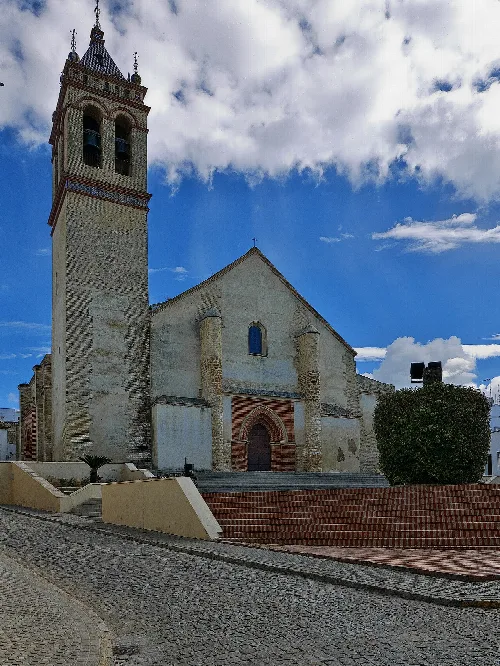
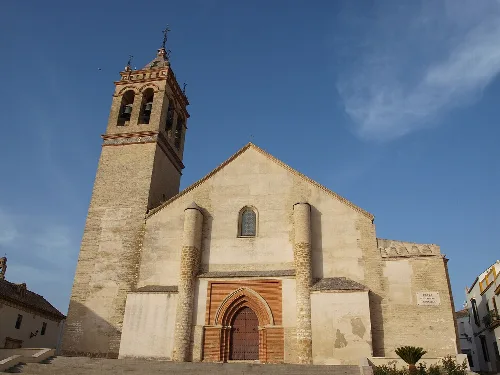
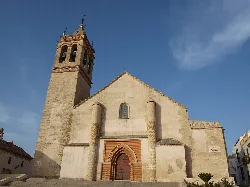
The Church of San Juan Bautista, built in the late 15th century, showcases Gothic-Mudejar architecture. It features multiple entrances and houses significant artworks, including paintings by Alejo Fernandez and sculptures by Alonso Cano. The church also serves as a parochial museum, displaying nine paintings by Francisco de Zurbarán, created in 1637, highlighting its rich artistic heritage.
History
Church of San Juan Bautista
What can you tell me about the Arco de la Rosa in Marchena?
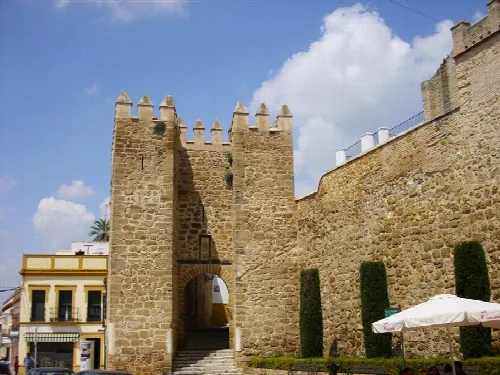
The Arco de la Rosa is a historic door in Marchena's ancient wall, built around 1430. It was commissioned by Pedro Ponce de Leon and is associated with a romantic legend involving a Moorish princess. The door features two square columns and a high crenelated platform, adorned with embossed stone shields, making it a notable landmark in the town.
Sights
Arco de la Rosa
What is the significance of the Semana Santa celebrations in Marchena?
Semana Santa, or Holy Week, is a major religious event in Marchena, celebrated with processions and the singing of traditional saetas. The week features various activities, including the Royal Brotherhood's procession on Good Friday and the singing of moleeras on Holy Saturday, highlighting the town's deep-rooted cultural and religious traditions.
Festivals & events
How does the economy of Marchena function today?
Marchena's economy is primarily agricultural, focusing on products like olives, grains, and tobacco. The town also hosts food processing factories and has secondary industries, including textiles and furniture manufacturing. Public amenities support these industries, contributing to the town's overall economic stability.
Living there
For residents
What is the Plaza Ducal in Marchena known for?
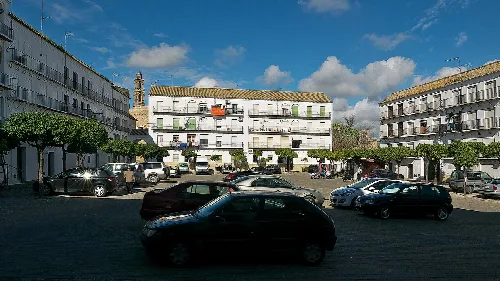
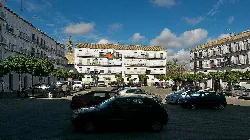
The Plaza Ducal is a historic square in Marchena, reconstructed in 1711 under the guidance of Alonso Moreno. It is associated with Joaquín Ponce de León, the VII Duke of Arcos, and serves as a central gathering place, showcasing the town's architectural heritage and vibrant community life.
Sights
Plaza Ducal
What kind of food can I expect in Marchena?
In Marchena, you can enjoy traditional Andalusian cuisine, which features dishes centered around olives, grains, and local produce. Sweets made by the Poor Clare nuns, such as pestiños borrachuelos, are particularly popular. The town's agricultural background influences its culinary offerings, ensuring fresh and flavorful meals.
Food & drink
Can you tell me about the natural surroundings of Marchena?
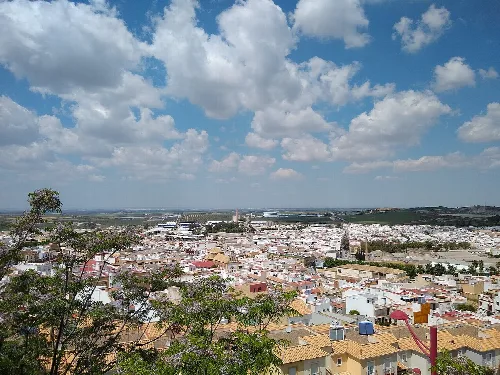
Marchena is located in the Guadalquivir Valley, surrounded by agricultural lands and olive orchards. To the north, the Sierra de Horncheulos Nature Park offers scenic hills and diverse flora and fauna. This natural setting enhances the town's charm and provides opportunities for outdoor activities.
Nature
What is the significance of the Feria in Marchena?
The Feria, celebrated during the first weekend of September, is a traditional fair in Marchena featuring casetas, horsemen, and recitals. It showcases local culture and community spirit, making it a vibrant event where residents and visitors enjoy music, dance, and local cuisine.
Festivals & events
What are some notable museums in Marchena?
Marchena hosts several museums, including the Zurbarán Museum, dedicated to the artist Francisco de Zurbarán, and the Lorenzo Coullaut Valera Museum, showcasing works by the local sculptor. These museums highlight the town's artistic heritage and provide insights into its cultural history.
Sights
How has Marchena's history shaped its architecture?
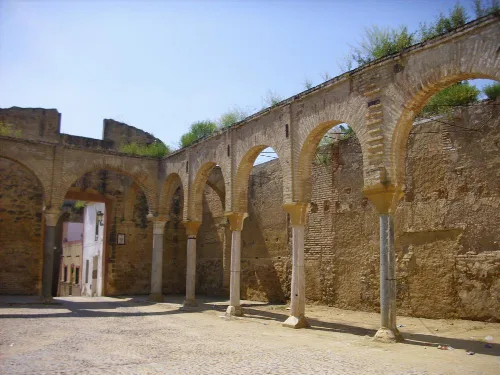
Marchena's architecture reflects its diverse historical influences, from the Gothic-Mudejar style of churches like San Juan Bautista to the Moorish designs seen in structures like the Arco de la Rosa. This blend of styles illustrates the town's rich cultural heritage and its evolution through various historical periods.
History
For residents
 espana.net