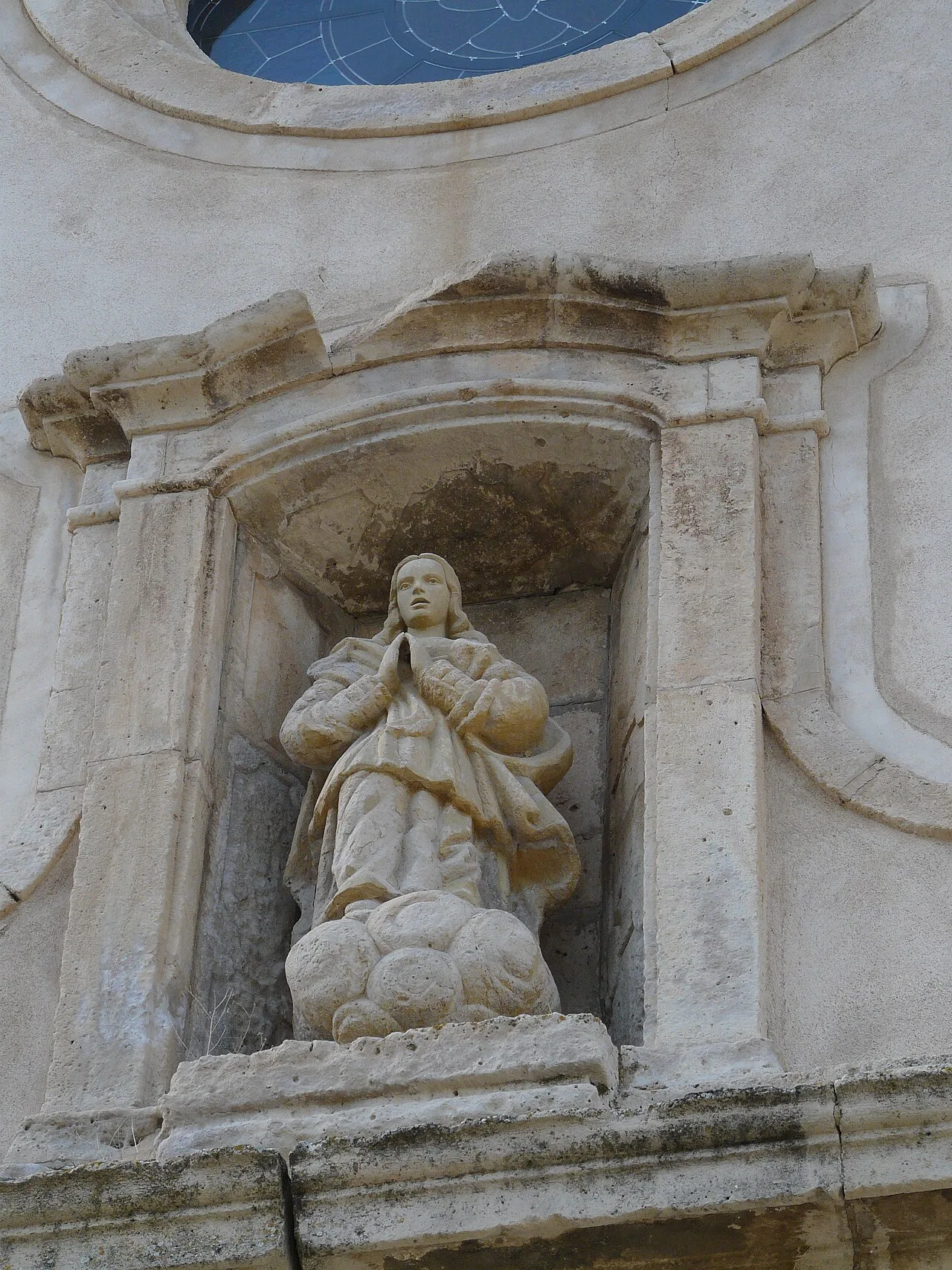
Religious figure sculpture on the church facade in Capafonts Pere López, CC BY-SA 3.0

Capafonts

Catalonia

101Population
13.30 km²Area
751 mElevation
43364Postal code

Capafonts is a municipality located in the province of Tarragona, Catalonia, characterized by its mountainous terrain and small population. Nestled in the Prades mountains, it offers a blend of natural beauty and historical significance, with remnants of ancient civilizations and a rich cultural heritage.

02Geography

Capafonts is situated in the Prades mountains, surrounded by the municipalities of Vilaplana, Febró, Prades, and Montreal. The area covers 13.27 km² and includes the upper basin of the Brugent River. The village itself is located at an elevation of 750 m, characterized by a circular layout on a hill, and is accessible via the TV-7041 road.

Distance to Reus
36 km
Distance to Tarragona
46 km
Distance to Barcelona
140 km
Highest point
Puig Pelat, 1071 m
Climate
Mediterranean mountain climate

03History

The name Capafonts is believed to derive from the abundance of springs in the area, with a total of 53 identified. Archaeological findings indicate human presence since the Paleolithic era, with significant Roman and Visigoth remains discovered nearby. The village saw an influx of settlers during the 11th century following the Reconquista, and it has been part of various noble territories throughout its history.

Capafonts is a small municipality in Tarragona, Catalonia, known for its mountainous landscape and historical sites.

04Economy

Agriculture is the primary economic activity in Capafonts, with the region's water resources supporting both dry and irrigated farming. Key crops include hazelnuts, vegetables, and potatoes. The local economy also benefits from forestry, small-scale mining, and tourism, with several accommodations available for visitors.

Main agricultural products
Hazelnuts, vegetables, potatoes
Tourist accommodations
Hotel Davall Plaça, Albergue Somianatura, Casa rural Cal Llarg
Tourism office
Yes
Forest products
Charcoal, medicinal herbs

05Culture

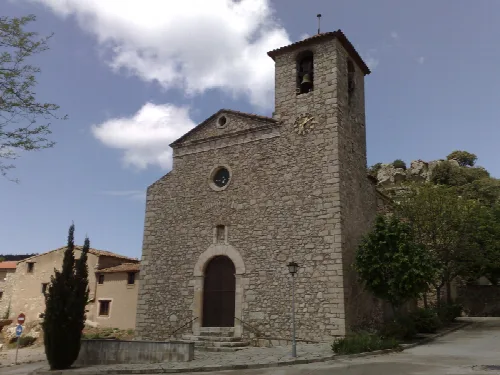
The parish church of Santa María, built in neoclassical style, features a Latin cross layout and was completed in 1763. Notable cultural sites include the 12th-century hermitage of Mare de Déu de Barrulles and a well-preserved medieval bread oven located beneath the town hall. Capafonts also maintains unique culinary traditions and hosts its main festival on August 15.

Capafonts · Data
Province
Tarragona
Autonomous community
Catalonia
Population
101
Area
13.30 km²
Elevation
751 m
Postal code
43364
Website
http://www.capafonts.cat
Coordinates
41.2954, 1.0269

Photos

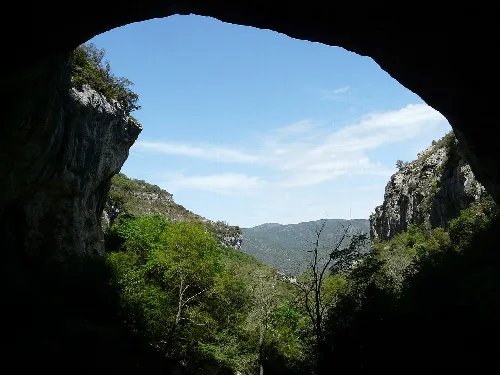
View of a natural space with vegetation and mountains, seen from a cave or tunnel in Capafonts.
View of a natural space in Capafonts, Tarragona, seen from a cave or tunnel with vegetation and mountains in the background.
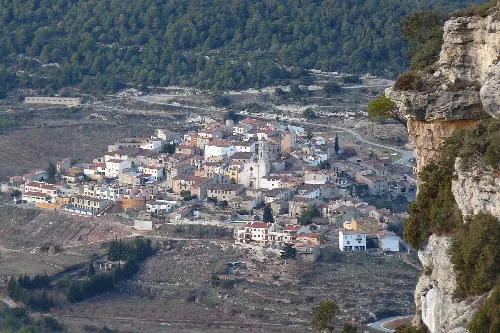
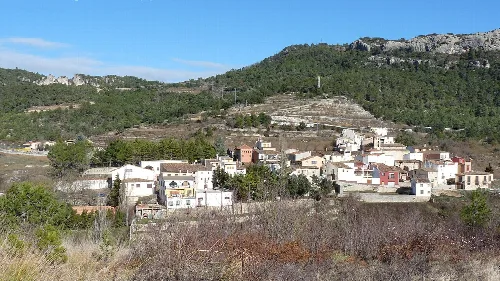
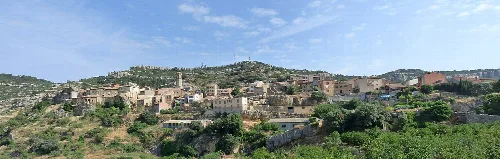
Panoramic view of Capafonts with houses and vegetation on the hills.
View of Capafonts from the ravine of la Pixera, with houses on a hillside surrounded by vegetation.
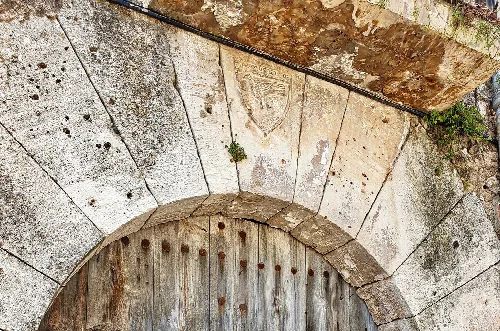
House facade with dove crest in Capafonts.
House of Capafons with the dove crest on the facade, in Capafonts, Tarragona.

Frequently asked questions

Religious figure sculpture on the church facade in Capafonts

What is the main attraction in Capafonts?

The main attraction in Capafonts is the Església parroquial de Santa Maria, a neoclassical church completed in 1763. It features a Latin cross layout, three naves, and a dome. The church's facade is notable for its stone corners, rosettes, and a central niche housing a statue of the Virgin Mary, which was returned after being removed in the 1930s.

Sights Església parroquial de Santa Maria

View of a natural space with vegetation and mountains, seen from a cave or tunnel in Capafonts.

What can you tell me about the Cova de les Gralles?

Cova de les Gralles is a natural cave located in the valley of l'Horta. It features a 15-meter deep and 60-meter high opening, where a waterfall cascades during rain. This stunning natural site is part of the mountainous landscape surrounding Capafonts, making it a popular spot for nature enthusiasts.

Nature Cova de les Gralles

How do I get to Capafonts?

To reach Capafonts, take the TV-7041 road, which leads you through the picturesque mountains of Prades. The village is accessible from the 22.3 km mark on this road, where you can follow the Avenida del río Brugent or Calle de Pau Casals to enter the village.

Getting there

What is the history behind Capafonts?

Capafonts has a rich history, with evidence of human settlement dating back to the Paleolithic and Neolithic periods. The village was repopulated in the 11th century after the Reconquista. It played a significant role in various historical events, including the War of the Segadors and the Napoleonic Wars.

History

What kind of food is traditional in Capafonts?

Capafonts has a unique culinary tradition that includes dishes like sopas de tomillo, mandongo, and orrelletes. These traditional recipes reflect the local ingredients and cooking methods that have been passed down through generations, making them a must-try for visitors.

Food & drink

Is there a local festival in Capafonts?

Yes, Capafonts celebrates its fiesta mayor on August 15th. This festival is a vibrant event that showcases local culture and traditions, drawing residents and visitors alike to participate in various activities and festivities throughout the day.

Festivals & events

What is the climate like in Capafonts?

Capafonts experiences a Mediterranean mountain climate, characterized by mild summers and cold winters. The village's elevation at 750 meters contributes to its cooler temperatures compared to lower-lying areas, making it a pleasant retreat during warmer months.

Practical For residents

Are there any hiking opportunities near Capafonts?

Yes, Capafonts is surrounded by the beautiful mountains of Prades, offering numerous hiking trails for outdoor enthusiasts. The natural scenery provides a perfect backdrop for exploring the area's diverse flora and fauna, making it an excellent destination for nature lovers.

Nature

What are the main economic activities in Capafonts?

The economy of Capafonts primarily revolves around agriculture, with a focus on crops like hazelnuts, vegetables, and potatoes. The region's abundant water resources allow for both dry and irrigated farming. Additionally, tourism has become increasingly important, offering accommodations and outdoor activities.

Living there For residents

House facade with dove crest in Capafonts.

What can you tell me about the Casa de Capafons?

Casa de Capafons is a notable historical building in the village, featuring a coat of arms with a dove. This house has sparked legends about Cristóbal Colón's birthplace due to the Catalan word for dove being 'colom.' It reflects the rich history and architectural heritage of Capafonts.

Sights Casa de Capafons

Map

Nearby

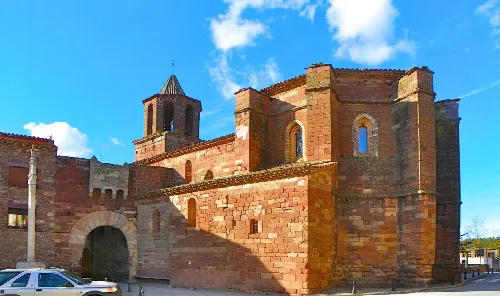
Red stone church and portal in Prades, Tarragona.
Prades
Tarragona · 629 inhabitants

Own text, written with AI assistance from the facts in Wikipedia · Capafonts · Data: Wikidata Q645266 · Photos: Wikimedia Commons, see individual licenses. · CC BY-SA 4.0