What can I see in the Plaza de España in Aguaviva?
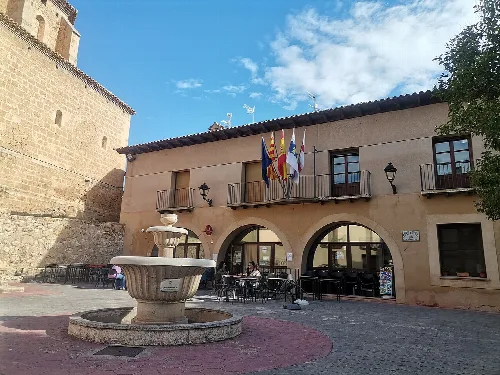
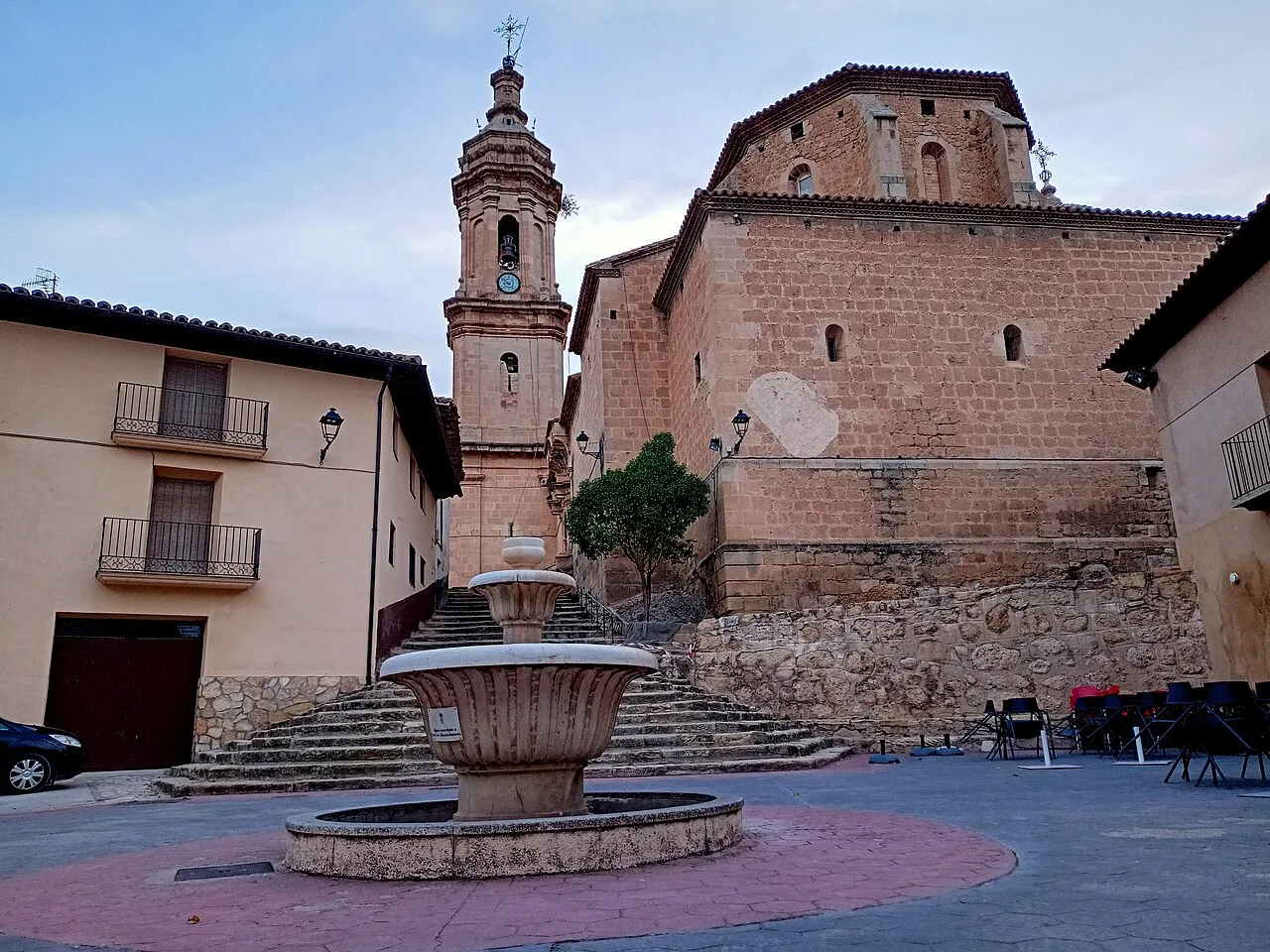
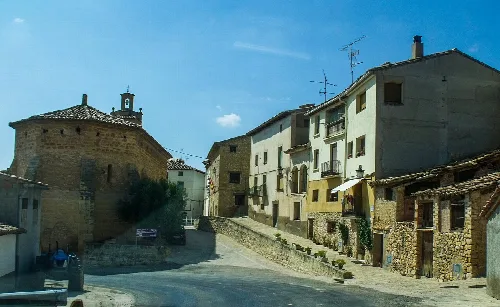
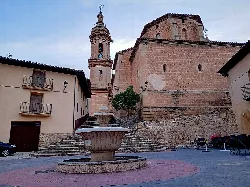
Plaza de España is a central square in Aguaviva, featuring a charming fountain and surrounded by historical buildings, including the impressive church of San Lorenzo. It's a great spot to relax and take in the local architecture and atmosphere. The square often serves as a gathering place for community events and celebrations.
Sights
Plaza de España
What is the history behind the Ermita de Santa Bárbara?
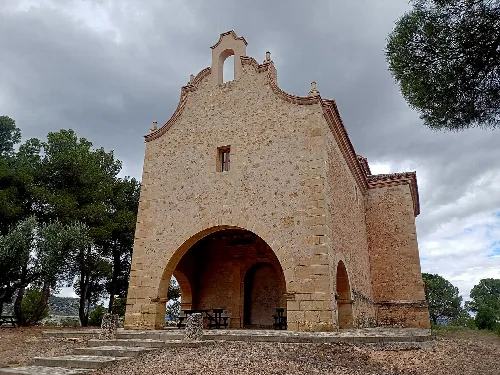
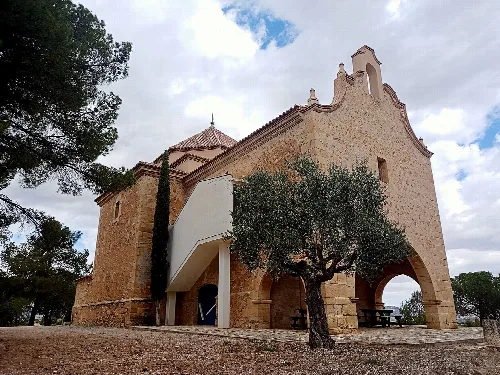
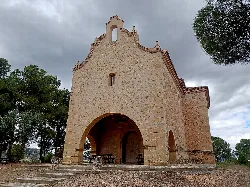
The Ermita de Santa Bárbara, built in the 17th and 18th centuries, is a simple yet elegant structure made of masonry. It features a single nave and an octagonal dome. Originally a place of worship, it has since become a private building, reflecting the historical and cultural shifts in Aguaviva over the centuries.
History
Ermita de Santa Bárbara
How did Aguaviva's population change in recent years?
Aguaviva's population has fluctuated significantly over the years. In 2000, it had 592 inhabitants, which increased to 718 by 2008 due to initiatives aimed at repopulation. However, by 2019, the population decreased to 514, with a slight rise to 547 in 2021, highlighting ongoing demographic challenges.
Living there
For residents
What is the significance of the church of San Lorenzo?
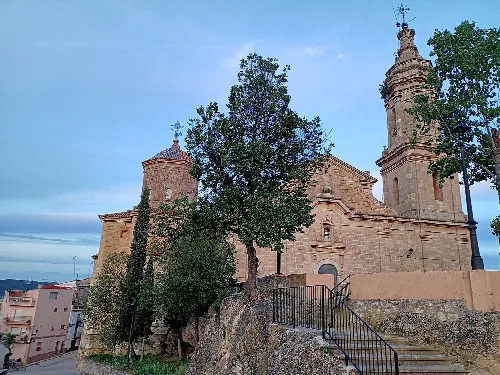
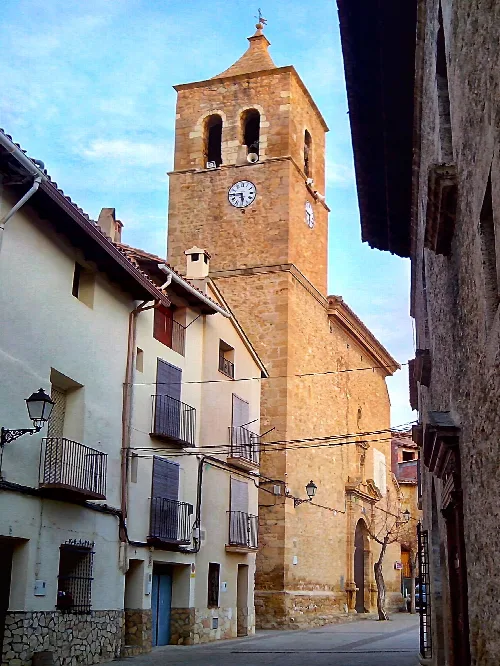
The church of San Lorenzo, constructed in the 17th century, is a significant landmark in Aguaviva. It showcases a blend of Gothic and Baroque styles and features a notable crypt from the 18th century. Despite losing much of its artistic heritage during the Spanish Civil War, it remains a central place for local religious activities.
History
Iglesia parroquial de San Lorenzo
What kind of food can I try in Aguaviva?
In Aguaviva, you can savor local culinary delights, including fresh produce from the garden, cured meats, and traditional dishes like ternasco al horno. The region is also known for its olive oil and wines, providing a taste of the local agricultural heritage.
Food & drink
What are the main festivals celebrated in Aguaviva?
Aguaviva celebrates its major festivals starting on August 14 in honor of San Lorenzo, followed by San Agustín on August 28. Additionally, a fair takes place on the third weekend of November, showcasing local culture and traditions.
Festivals & events
What is the climate like in Aguaviva?
Aguaviva experiences a Mediterranean climate characterized by hot, dry summers and cold winters. Temperatures typically range from 2 °C to 30 °C throughout the year, with occasional extremes. The area receives little rainfall, making it a relatively dry region year-round.
Nature
For residents
What is the landscape like around Aguaviva?
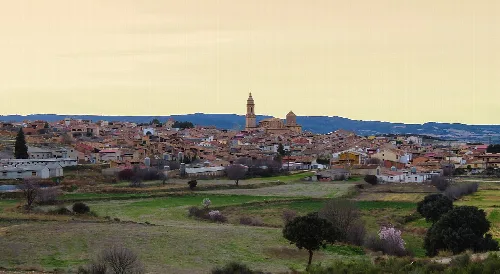
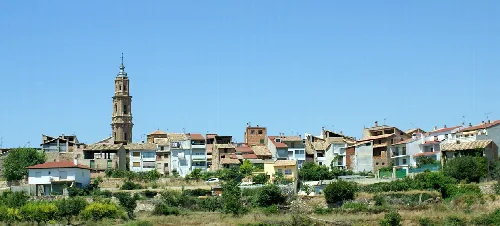
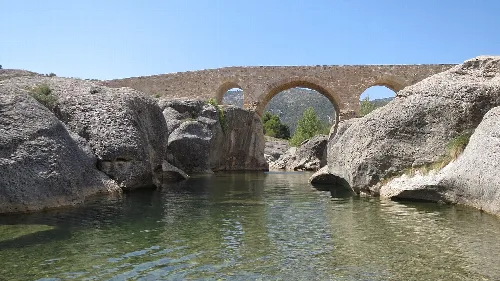
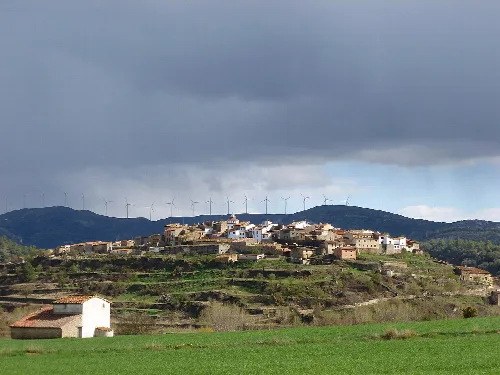
The landscape surrounding Aguaviva is predominantly triangular, bordered by the rivers Guadalope and Bergantes. The area features gentle hills and mountains, with a mix of forests and open spaces, making it ideal for outdoor activities and nature exploration.
Nature
For residents
What historical events shaped Aguaviva?
Aguaviva's history is marked by various significant events, including the arrival of the Muslims, the Reconquista, and the establishment of the Encomienda of Camarón. It played a role in the War of Independence and the Carlist Wars, reflecting its strategic importance in the region.
History
For residents
What is the Ermita de San Gregorio like?
The Ermita de San Gregorio is a hexagonal structure from the 17th century, built with local materials. It features an elegant pyramid-shaped roof and elliptical windows, showcasing unique architectural elements typical of the region's religious buildings.
Sights
Ermita de San Gregorio
 espana.net