What is the history of San Martín del Río?
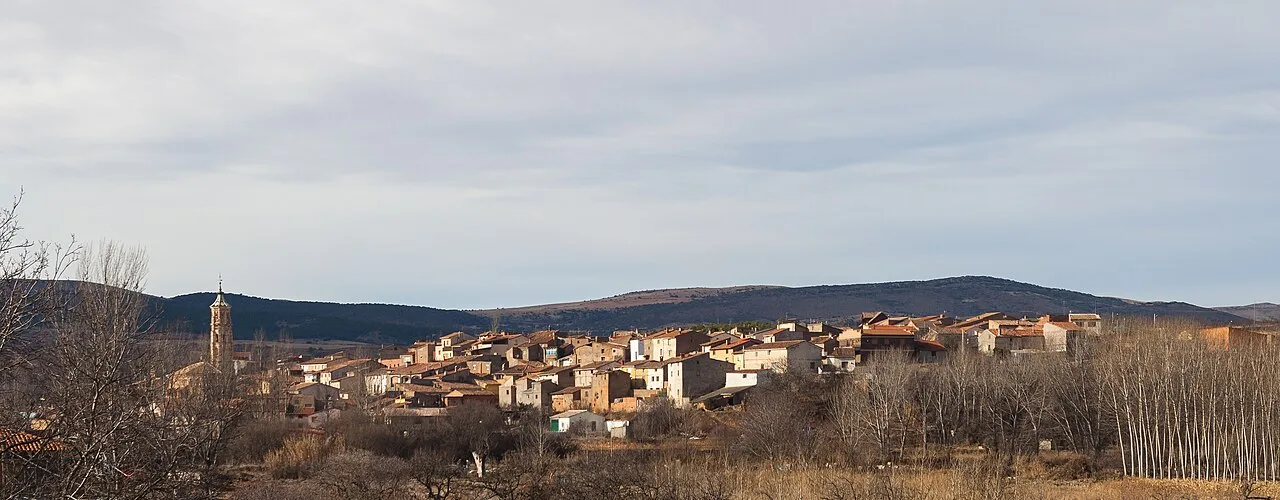
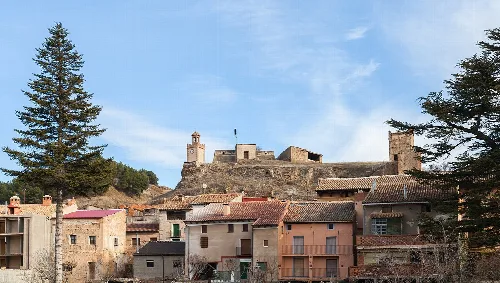
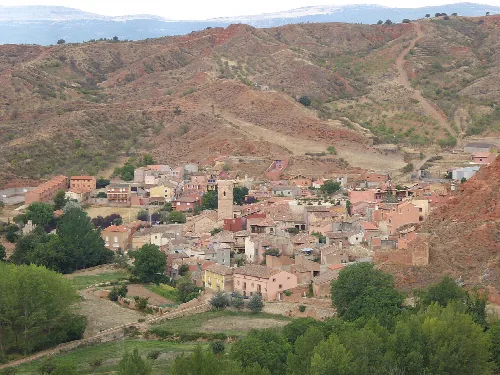
San Martín del Río became independent from Daroca in 1248 under Jaime I. Initially part of the Sesma del Campo de Gallocanta, it has seen population changes over the centuries, peaking at 1,338 residents in the early 20th century. The town's historical significance is highlighted in the 11th volume of Pascual Madoz's geographical dictionary.
History
What can you tell me about the Iglesia de San Martín?
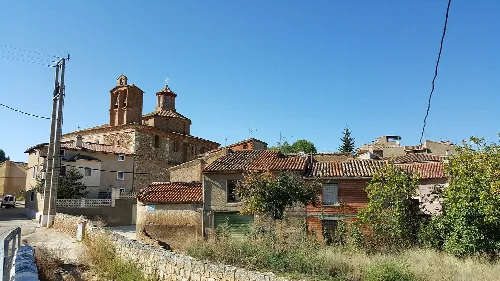
The Iglesia de San Martín features late Gothic architecture with a single nave and star-shaped ribbed vaults. It houses impressive altarpieces sculpted between the 16th and 18th centuries, including a Romanesque statue of the Virgen del Buen Reposo from the 12th century, making it a key cultural site in the town.
Sights
Iglesia de San Martín
What is celebrated during the San Roque festival?
The San Roque festival, held on August 16, is a significant event in San Martín del Río. It includes various local traditions and festivities, bringing together the community to honor San Roque, who is considered the protector against plagues and diseases. This celebration is part of a larger series of events in August.
Festivals & events
What are the main natural features of San Martín del Río?
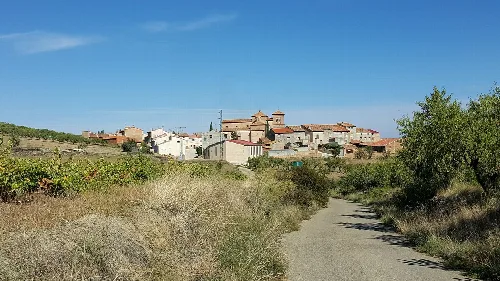
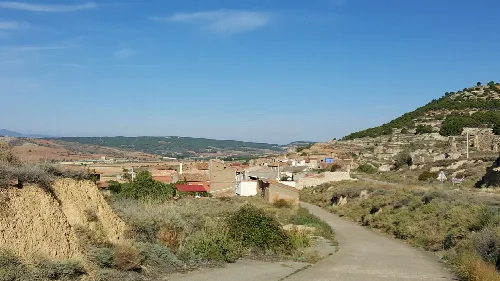
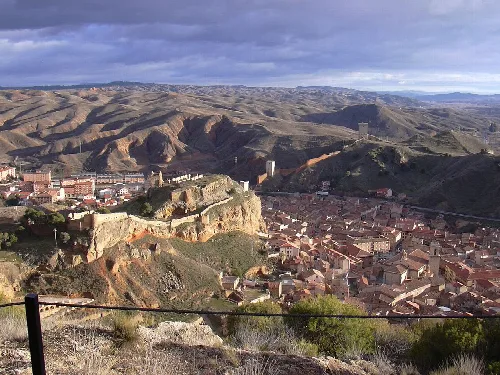
San Martín del Río is characterized by its irregular terrain and the presence of the Jiloca River, which shapes the landscape. The area features numerous ravines and a climate that offers pleasant summers, making it suitable for outdoor activities and attracting visitors during warmer months.
Nature
What is the Peirón de la Virgen del Pilar?
The Peirón de la Virgen del Pilar is a notable landmark marking the entrance to San Martín del Río. It features a slender brick pillar adorned with decorative elements and a niche housing a statue of the Virgin. Historically, it served as a gathering point for community celebrations, particularly on October 12.
Sights
Peirón de la Virgen del Pilar
What types of food can I find in San Martín del Río?
San Martín del Río offers traditional Aragonese cuisine, which includes local specialties such as lamb dishes, stews, and seasonal vegetables. The region is also known for its wine production, so visitors can enjoy local wines that complement the culinary offerings, especially during festivals.
Food & drink
How is the climate in San Martín del Río?
San Martín del Río experiences a climate with particularly cold and dry winters, while summers are mild and pleasant. This favorable summer weather attracts visitors looking for a comfortable getaway, making it an appealing destination for those seeking outdoor activities during the warmer months.
Nature
For residents
What is the significance of the Ermita de San Francisco?
The Ermita de San Francisco, a Baroque structure from the 17th century, is notable for its cross-shaped layout and beautiful dome. It historically served as a place for the community to gather, especially during Holy Week, housing the processional figures used in local traditions.
Sights
Ermita de San Francisco
What is the Museo del vino?
The Museo del vino in San Martín del Río showcases the region's viticulture history. It houses a collection of tools and equipment used in winemaking, offering insight into traditional practices and the importance of wine production in the local economy and culture.
Sights
Museo del vino
What are the demographics of San Martín del Río?
San Martín del Río has a small population of 135 residents as of 2025. The town has seen significant demographic changes over the years, with a notable decline from its peak population of over 1,300 in the early 20th century, reflecting broader trends in rural depopulation.
Living there
For residents
 espana.net