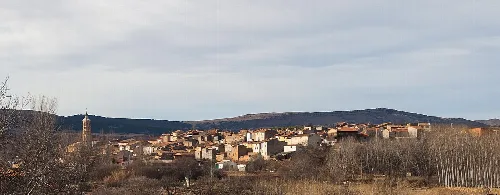
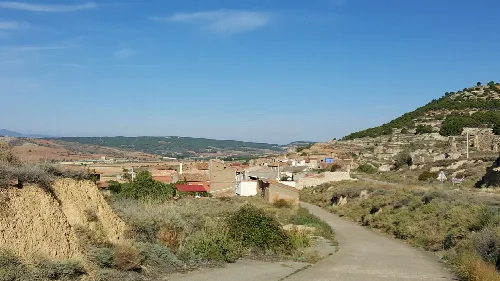
What are the main historical highlights of Daroca?
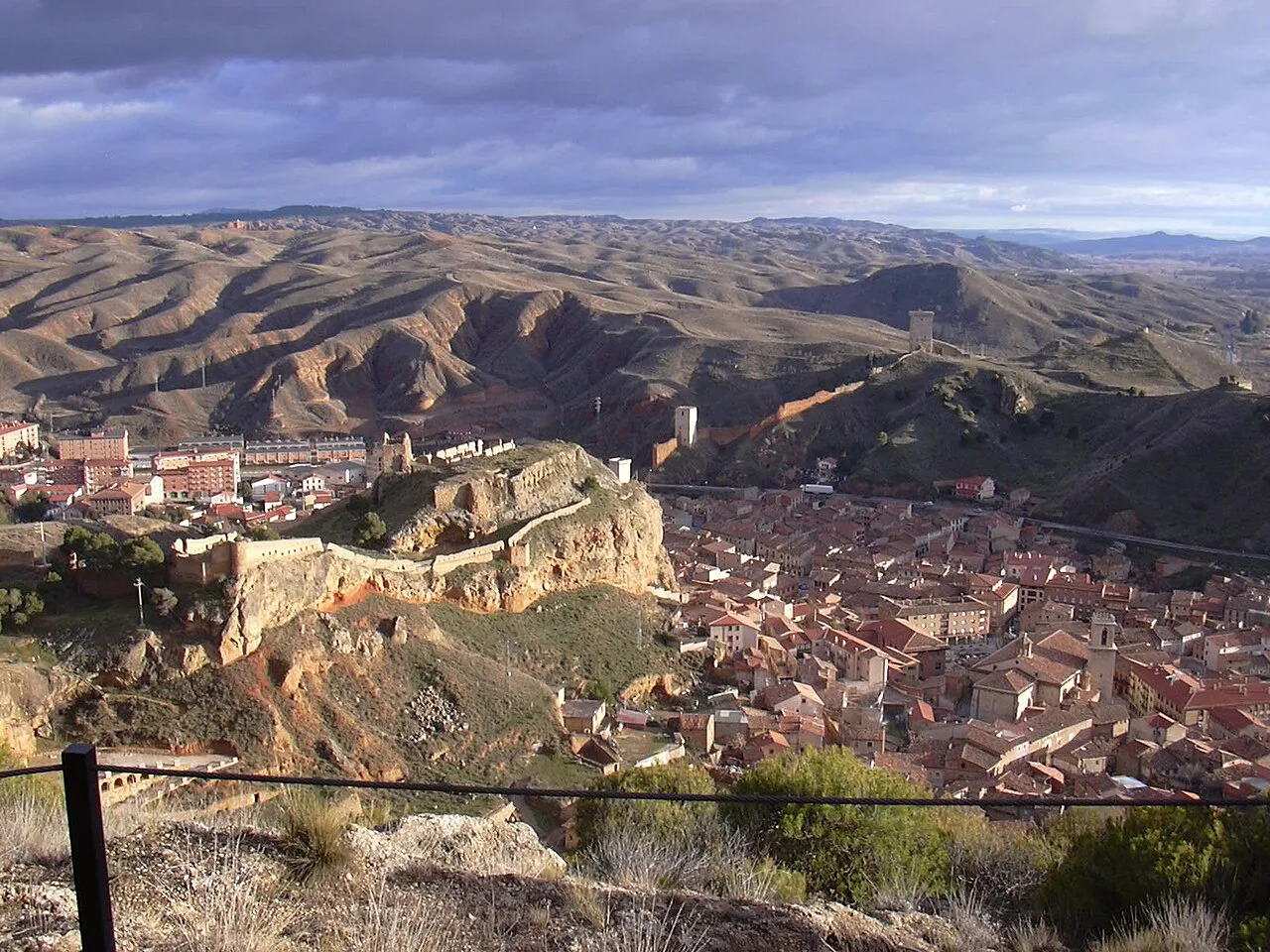
Daroca has a rich history, dating back to its mention in 837. It was an important town in al-Ándalus and later became a stronghold for various rulers. Alfonso I of Aragón conquered it in 1120, granting it privileges. The town was significant during the Middle Ages, hosting notable meetings and maintaining a diverse population of Christians, Jews, and Muslims. Its autonomy ended after the War of Succession, and it faced various occupations throughout history.
History
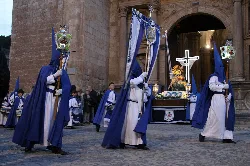
What is the significance of the Semana Santa in Daroca?
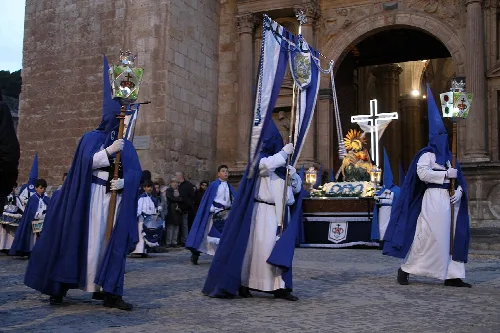
Semana Santa in Daroca is a solemn celebration that combines processions with the rich artistic heritage of the city. The event features the sound of drums and the visual splendor of religious art. Special observances occur on Palm Sunday and Easter Sunday, where traditional rituals like the blessing of palms and communal meals in local pine forests take place, making it a culturally significant time for the community.
Festivals & events
Semana Santa en Daroca
What can you tell me about the Basílica de Santa María de los Sagrados Corporales?
The Basílica de Santa María de los Sagrados Corporales, recognized as a minor basilica since 1890, showcases a blend of Romanesque and Baroque styles. It houses the revered relic of the Sagrados Corporales in its dedicated chapel. Key features include a 15th-century retablo, a significant organ, and a museum. The exterior is marked by a Romanesque apse and the ancient Puerta del Perdón, emphasizing its historical importance.
Sights
Basílica de Santa María de los Sagrados Corporales
How does the climate in Daroca affect daily life?
Daroca experiences a semi-arid cold climate, influencing agricultural practices and daily activities. The weather can be extreme, with record temperatures ranging from -22.4 °C to 41 °C. This climate supports the cultivation of local crops, while the unique weather patterns necessitate adaptations in infrastructure and community planning, particularly concerning water management during heavy rains.
Nature
For residents
What is the Mina in Daroca and its historical importance?
The Mina, constructed between 1555 and 1560, is a remarkable engineering feat, a 600-meter tunnel designed to divert stormwater away from the city. It was essential in preventing flooding, particularly during heavy rains. The Mina became a symbol of pride for the residents and served multiple purposes, including as a route for livestock and during the Civil War for transporting goods.
History
La mina For residents
What are the main features of the Muralla de Daroca?
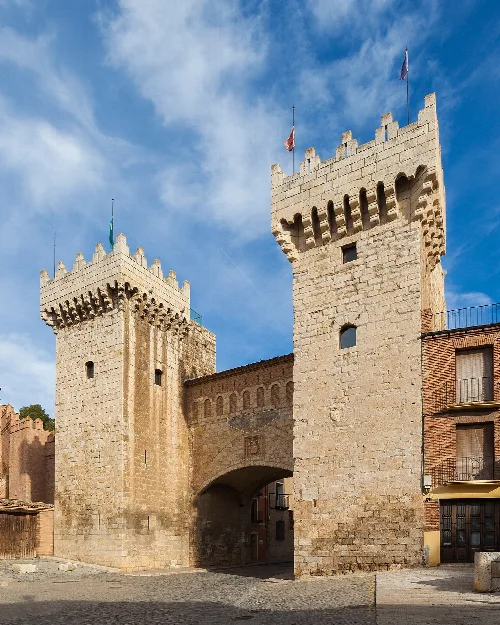
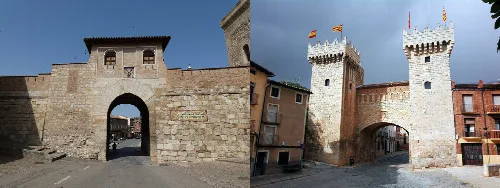
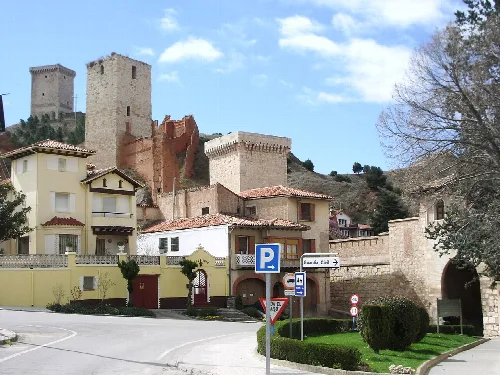
The Muralla de Daroca is a significant historical fortification stretching 4 km, featuring 116 towers, making it one of the largest in Spain. It includes notable gates like the Puerta Baja and Puerta Alta. This impressive structure reflects the city's strategic importance throughout history and showcases remarkable engineering from the medieval period.
Sights
Muralla de Daroca
What is the Feria Medieval in Daroca?
The Feria Medieval is a vibrant annual festival celebrating Daroca's historical heritage. Held at the end of July, it features a medieval market where locals dress in period costumes, showcasing traditional crafts, food, and entertainment. This event attracts many visitors, transforming the city into a lively hub of cultural activities and historical reenactments, reviving the spirit of ancient Daroca.
Festivals & events
Feria Medieval
What is the significance of the Fuente de los veinte caños?
The Fuente de los veinte caños, built in 1639, is a monumental fountain that serves as a key urban element in Daroca. It features twenty spouts, each adorned with decorative motifs, and was designed to enhance the city's entrance. This fountain not only provides water but also showcases the artistic style of the period, making it a notable landmark in the town.
Sights
Fuente de los veinte caños
What local dishes should I try in Daroca?
Daroca offers a variety of traditional dishes that reflect its agricultural heritage. Local specialties include stews made with seasonal vegetables, lamb, and various pastries. The town is also known for its sweets, particularly those made during local festivals. Trying these dishes provides a taste of the region's culinary traditions, deeply rooted in its history and culture.
Food & drink
What is the Casa de los Soportales or Almudí?
The Casa de los Soportales, built in 1643, features a notable architectural design with lower-level porticos used historically for grain storage. This building reflects the Baroque style and served as an important commercial hub in the past. Its structure is characterized by brick construction and decorative elements, making it a significant part of Daroca's urban landscape.
Sights
Casa de los Soportales o Almudí
 espana.net