La Puebla de Almoradiel is a municipality in the province of Toledo, Castilla–La Mancha, known for its rich agricultural heritage and historical significance. With a population of approximately 4,950, it features a blend of cultural traditions and architectural landmarks, including several notable churches and a vibrant local economy centered around viticulture.
02Geography
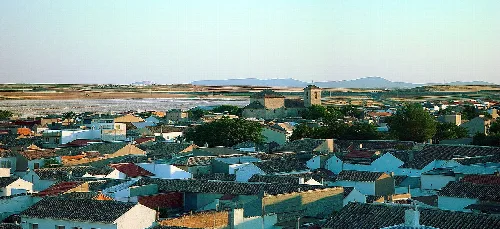
La Puebla de Almoradiel is located in the heart of La Mancha, characterized by gently rolling terrain and clay soils. The area is traversed by the river Gigüela, which supports agriculture, particularly the cultivation of cereals, vines, and olives. The municipality experiences a continental Mediterranean climate, with hot summers and cold winters, while spring and autumn bring irregular rainfall.
Climate
Continental Mediterranean
03History
The origins of La Puebla de Almoradiel trace back to an Iberian and Celtic fortress, later inhabited by Romans and Visigoths. The settlement was established near the river Cigüela but was abandoned in 1276 due to epidemics. The area was repopulated in the 14th century by the Order of Santiago, leading to its eventual recognition as a village.
Founding year
Historical significance Originally a fortress, later a settlement for various cultures.
Key events Repopulated by the Order of Santiago in the 14th century.
Railway connection Established in 1909, operational until 1985.
Discover La Puebla de Almoradiel, a charming municipality in Toledo known for its rich history and viticulture.
04Economy
The economy of La Puebla de Almoradiel is primarily driven by the wine industry, with several wineries, including the cooperative Virgen del Egido. The region's agricultural practices also include olive cultivation and vegetable gardening, with many families maintaining small vineyards for additional income.
Main agricultural products Vines, olives, vegetables.
Key wineries Virgen del Egido, Bodega Almurad.
Seasonal labor Temporary workers during the grape harvest.
Traditional cultivation unit Fanega, approximately 800 vines.
Construction industry Significant presence with many workers commuting to nearby cities.
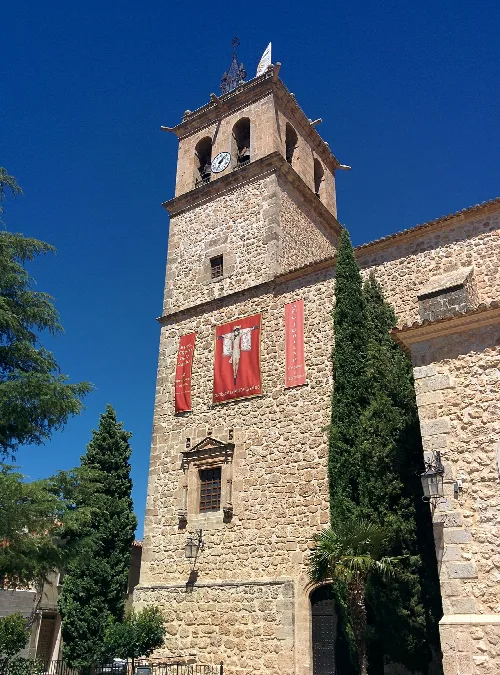
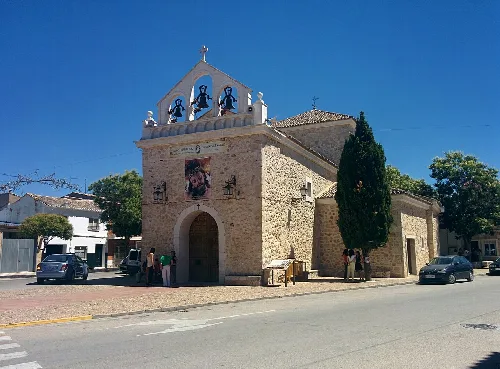
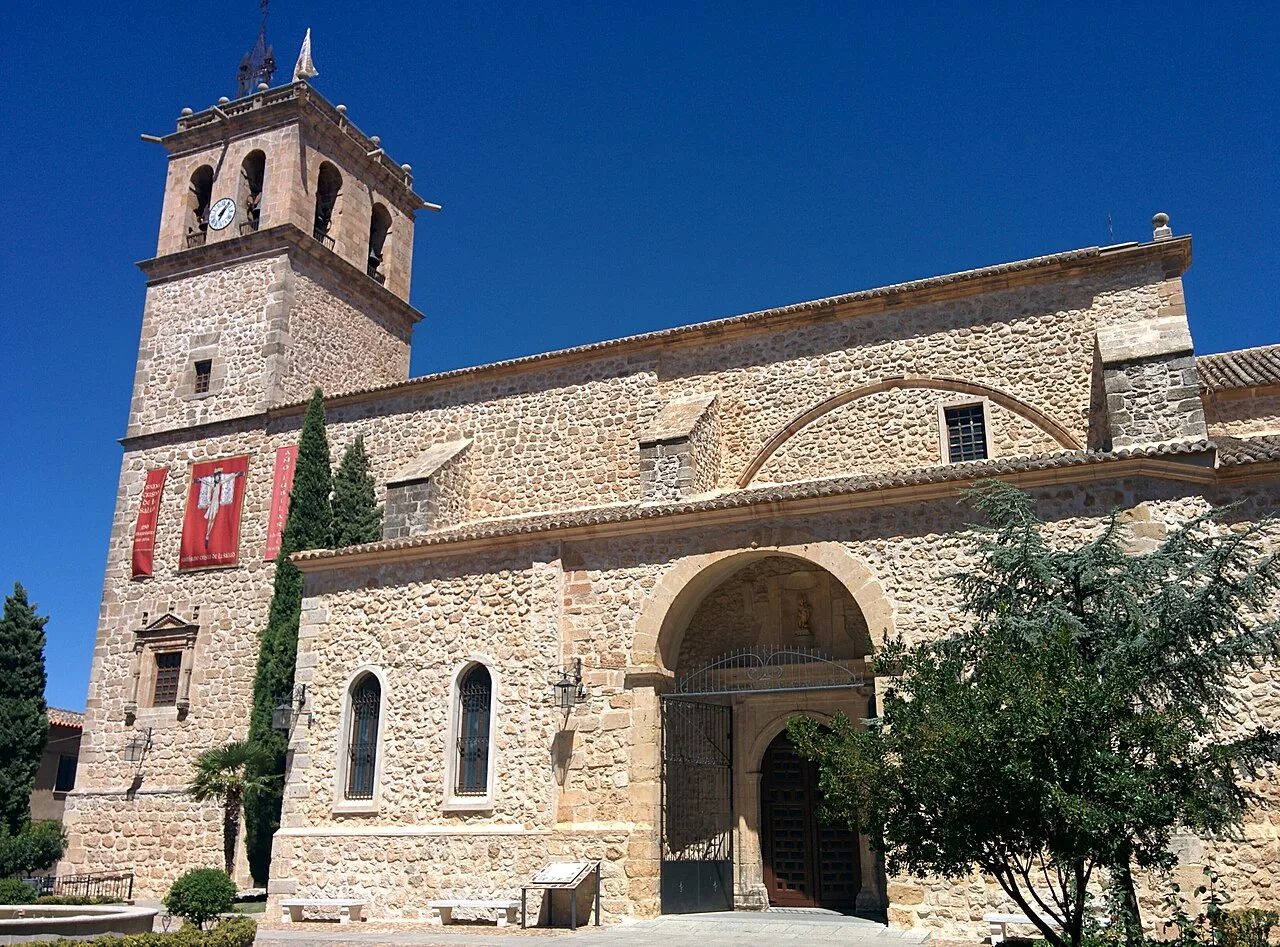
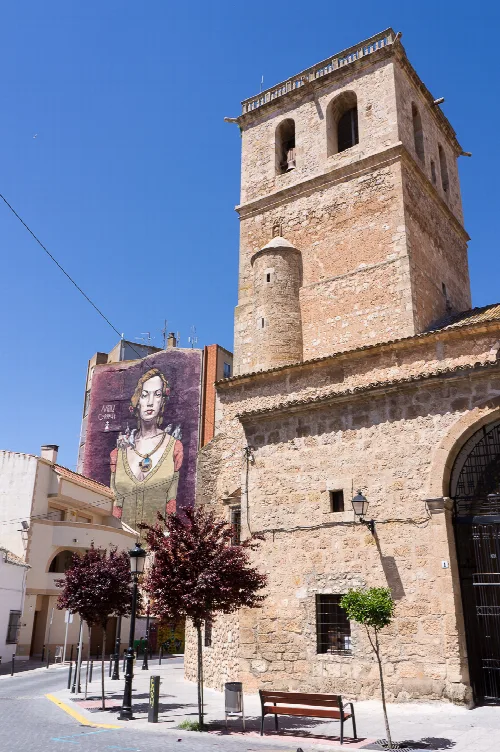
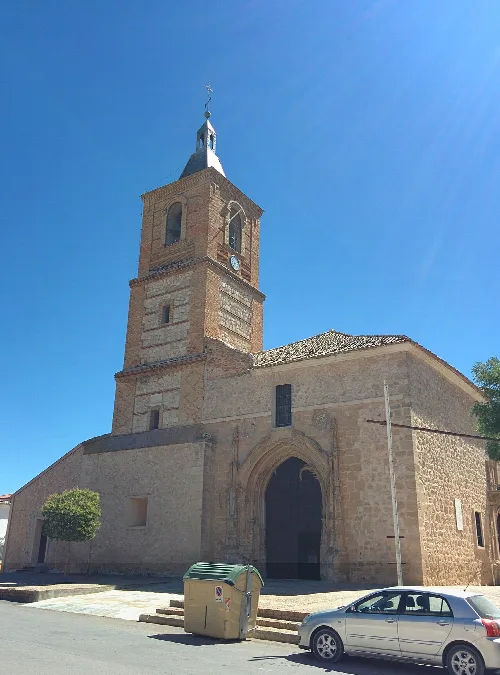
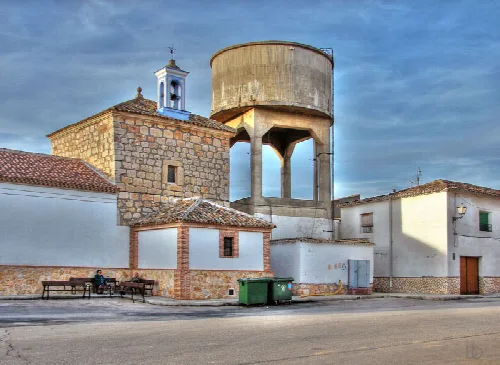
San Juan Bautista Church in La Puebla de Almoradiel, with its stone tower and clock against a blue sky.The Hermitage of the Holy Christ of Health in La Puebla de Almoradiel, with its stone facade and blue bell tower.
05Cultural Heritage
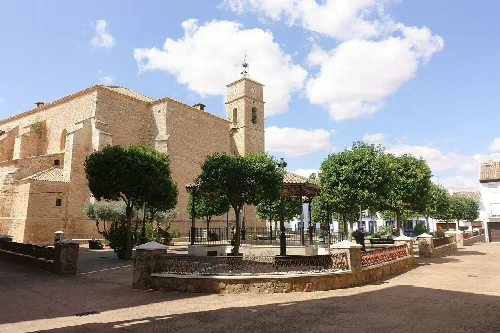
La Puebla de Almoradiel is home to several notable religious buildings, including the church of San Juan Bautista and various hermitages. Each structure reflects a mix of architectural styles and historical significance, contributing to the town's cultural identity.
Iglesia parroquial de San Juan Bautista Main church with mixed architectural styles.
Ermita del Santísimo Cristo de la Salud Constructed in the 17th century.
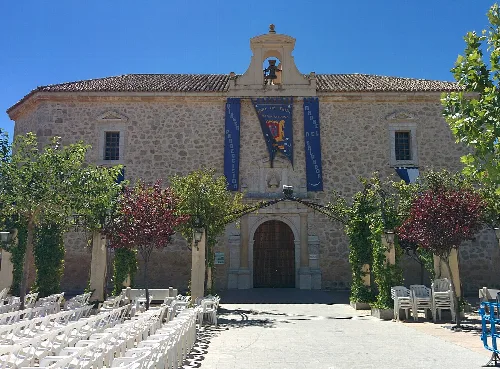
Ermita de Nuestra Señora del Egido Renaissance style, built in the 16th century.
Ermita de Santa Ana Renovated with Baroque elements.
Ermita de la Virgen de Palomares Site of a traditional pilgrimage.
06Festivals
La Puebla de Almoradiel hosts several vibrant festivals throughout the year, celebrating its agricultural roots and religious traditions. Key events include the Fiesta del Campo Manchego in May, the Romería de la Virgen de Palomares in June, and the Feria del Santísimo Cristo de la Salud in September.
Fiesta del Campo Manchego Celebrated on May 14-15.
Romería de la Virgen de Palomares First Saturday of June.
Fiesta en honor a la Virgen del Egido August 14-15.
Feria del Santísimo Cristo de la Salud August 31 to September 3.
Carnival Local costume parade and contests.
07Notable People
La Puebla de Almoradiel has produced notable figures in various fields, including politics and the arts. Their contributions have left a lasting impact on the community and beyond.
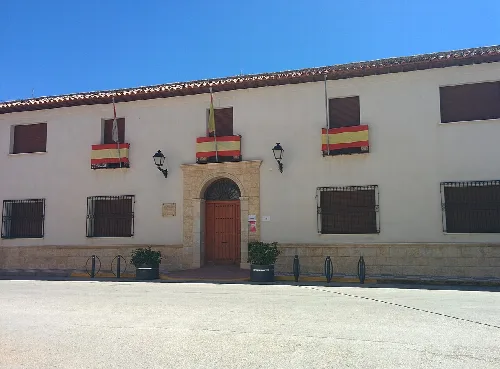
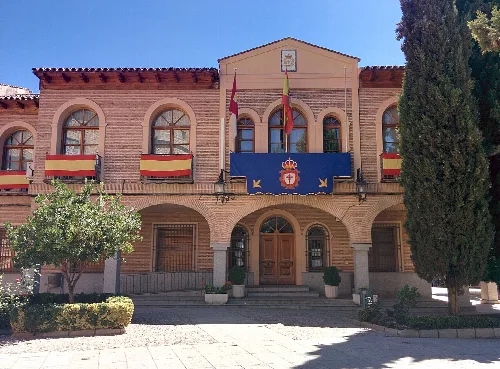
The chapel of Our Lady of Egido in La Puebla de Almoradiel, with trees and chairs prepared for an event.Cultural Center of La Puebla de Almoradiel with Spanish flags on the facade.Town hall building of La Puebla de Almoradiel with flags and coat of arms on the facade.
Frequently asked questions
What is the history behind the Iglesia de San Juan Bautista?
The Iglesia de San Juan Bautista dates back to the Middle Ages, specifically between the 12th and 14th centuries. It features a mix of architectural styles, including Romanesque and Gothic elements. Originally, it was built on the site of an earlier church dedicated to Santa María Magdalena, which was significant in the early settlement. Today, it serves as the parish church and a cultural hub in the town.
What can you tell me about the Ermita del Santísimo Cristo de la Salud?
The Ermita del Santísimo Cristo de la Salud was built in the 17th century by Francisco Sánchez Roldán. It features a unique architectural style that combines Romanesque, Renaissance, and Baroque influences. The interior includes a notable dome and frescoes, while the façade is characterized by a three-tier structure with a prominent arch. It houses the image of the Santísimo Cristo de la Salud, which is central to local religious practices.
What is the significance of the annual romería of Palomares?
The romería of Palomares, celebrated on the first Saturday of June, is a significant local festival in La Puebla de Almoradiel. It commemorates the discovery of the Virgin of Palomares by farmers. The event involves a pilgrimage to the Ermita de la Virgen de Palomares and is marked by traditional music, food, and community gatherings, reflecting the town's cultural and religious heritage.
What types of food are popular in La Puebla de Almoradiel?
La Puebla de Almoradiel is known for its local cuisine, which prominently features dishes made with olive oil, fresh vegetables, and local wines. Traditional foods include stews, grilled meats, and seasonal vegetables. The town's viticulture also means that wine plays a significant role in meals, often paired with local dishes, especially during harvest season.
La Puebla de Almoradiel used to have a railway connection via the Villacañas-Quintanar de la Orden line, which operated until 1985. Currently, there are no direct train services to the town. Visitors may need to consider alternative transportation options, such as buses or driving, to reach the municipality from nearby cities.
What is the climate like in La Puebla de Almoradiel?
La Puebla de Almoradiel experiences a Mediterranean continental climate, characterized by hot summers and cold winters. July and August are typically very warm, while December and January can be quite chilly. Rainfall is irregular, with most precipitation occurring in spring and autumn, and summers can have extended dry periods.
What are the main economic activities in La Puebla de Almoradiel?
The economy of La Puebla de Almoradiel is primarily driven by viticulture, with numerous wineries, including the prominent cooperative Virgen del Egido. Agriculture, particularly grape cultivation, plays a significant role, along with olive farming and vegetable gardening. Construction also contributes to the local economy, with many residents working in nearby cities.
What is the architectural style of the Ermita de Nuestra Señora del Egido?
The Ermita de Nuestra Señora del Egido, built in the 16th century, showcases a Renaissance architectural style. It features a single nave with a rectangular plan and a compact façade made of masonry. The interior is notable for its double vault and a dome adorned with images of the Evangelists, reflecting the artistic influences of the period.
Is there a historical significance to the old mills along the river Gigüela?
Yes, the old mills along the river Gigüela are historically significant as they represent the traditional agricultural practices of the area. Once numbering fourteen, only five remain today, serving as remnants of La Puebla de Almoradiel's past. The mills were crucial for grain processing and are part of the town's heritage, highlighting its agricultural history.
What are the main features of the Ermita de Santa Ana?
The Ermita de Santa Ana features a Renaissance-Baroque style with a Latin cross plan. Its interior includes a barrel vault with frescoes and a small retablo in a strong Baroque style. The entrance is marked by a portico supported by classical columns, and the exterior is characterized by its masonry walls and historical significance as a religious site.
 espana.net